Arbor for Garden Gate: How to Buy or Build One You Will Love for Years
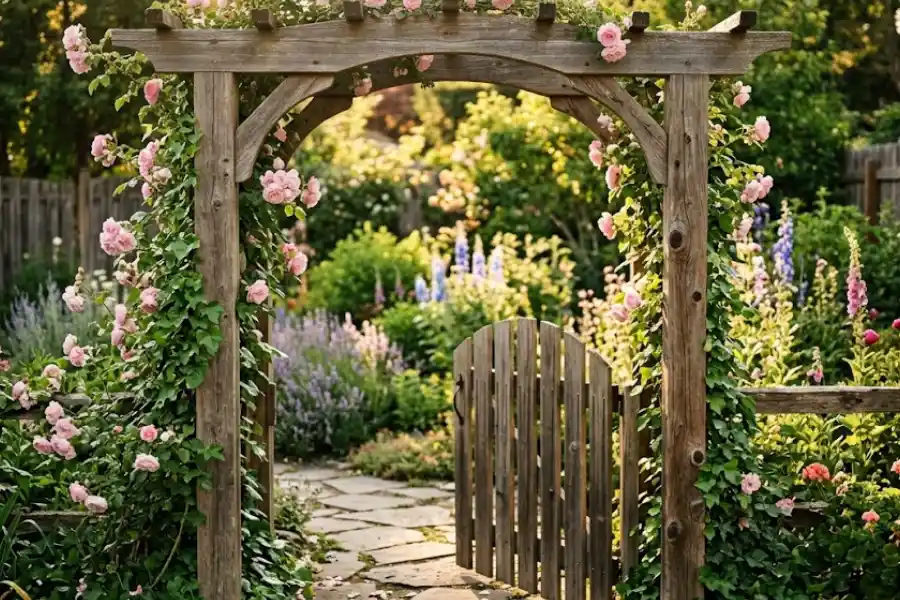
Think about the last time you walked up to a garden with a plain, boring gate, and if you are looking for more inspiration to design your outdoor space, Garden Decor Ideas for Beginners can help you get started. You probably felt nothing. Now picture walking up to a garden where a beautiful wooden arch stands above the gate, covered in climbing roses, framing a winding stone path behind it. Suddenly, you feel something. You want to step through.
That is what a garden gate arbor does. It turns a simple entrance into an experience. It makes your garden feel like a destination instead of an ordinary yard.
If you are thinking about adding one, this article will walk you through everything. What an arbor is, which material works best for your climate, what size to choose, and five costly mistakes to avoid before you spend a single dollar.
Quick Overview: A garden gate arbor is a freestanding overhead frame that sits above your garden entrance. It comes in wood, metal, vinyl, and aluminum. Standard sizes range from 36 to 48 inches wide and 7 to 9 feet tall. Most homeowners spend between $150 and $1,500 depending on the material and style they choose.
What Is an Arbor for a Garden Gate?
An arbor is a simple outdoor fixture made of posts and an overhead framework. When placed above a garden gate, it creates a defined entrance to your yard or garden. It marks the spot where one space ends and another begins.
A lot of people mix up arbors, pergolas, and arches. Here is a simple way to tell them apart. A pergola is wide and meant for sitting under, like an outdoor living room. An arbor is narrow and meant for walking through, like a doorway. A simple garden arch is usually just a thin curved metal frame. An arbor has solid posts, more heft, and is strong enough to hold a real gate and heavy climbing plants.
Why Add an Arbor to Your Garden Gate?
Maybe you are on the fence about whether it is worth the effort. Here are five solid reasons why most homeowners who add one never look back.
- It creates a welcoming entrance. An arbor tells guests exactly where to enter. It gives your garden a proper front door without needing a sign.
It improves curb appeal right away and often takes inspiration from timeless antique garden decor styles that give the entrance a classic, elegant look. A well-chosen arbor makes the whole yard look more intentional and put together. Neighbors notice.
- It supports climbing plants beautifully. Roses, clematis, wisteria, and jasmine all grow wonderfully on an arbor. After a few seasons, the frame disappears into the plants.
- It adds privacy and security. Paired with a fence and gate, an arbor creates a proper, defined boundary around your outdoor space.
- It adds real value to your home. Landscape design professionals consistently report that attractive outdoor additions help increase property appeal and perceived value when homes go on the market.
Types of Arbors for Garden Gates
Not all arbors look the same. The right style depends on your garden’s personality and your home’s overall look. Here are the most common types you will see.
Arched Top Arbors
This is the most popular style for a reason. The top curves in a smooth, rounded arch. It works beautifully with cottage gardens, rose gardens, and traditional-style homes. It gives a soft, romantic feel that most people picture when they think of a garden entrance.
Flat Top Pergola-Style Arbors
These have a flat, open roof with exposed rafters or crossbeams on top. They look clean-lined and modern. They are a perfect match for farmhouse gardens, rustic properties, and Craftsman-style or contemporary homes. The look is more architectural and bold.
Gabled Arbors
A gabled arbor has a peaked, roof-like top that looks like a small house roof. It makes a strong statement and feels grand and formal. You often see this style at the entrance to large estate gardens or country properties. It is the most dramatic of the three styles.
Single Gate vs. Double Gate Arbors
Most standard arbors include one swinging gate. But if you regularly need to move large equipment like a wheelbarrow, riding mower, or garden cart through the entrance, a double-gate arbor is worth considering. The gates open from the center and give you a much wider opening when you need it.
Arbor Materials: Which One Is Right for You?
The material you pick affects how your arbor looks, how long it lasts, and how much upkeep it needs every year. Here is a breakdown of each option so you can decide with confidence.
Wood
Wood is the most natural-looking option. Cedar and redwood are the top choices because they resist rot and insects on their own without chemical treatment. Pressure-treated pine is a more affordable option but needs more sealing and more attention over the years.
Best for: Cottage, farmhouse, and traditional gardens in mild or warm climates.
Lifespan: 10 to 20 years with proper care.
Maintenance: Apply a stain or sealant every two to three years. Inspect for rot each spring.
Typical cost: $200 to $800 for most ready-made styles.
Metal (Steel and Wrought Iron)
Metal arbors carry an elegant, old-world look. They are heavy, solid, and strong enough to support even the most aggressive climbing vines. Powder-coated steel resists rust well but can still chip and corrode over time in very wet or salty coastal environments.
Best for: Formal, Victorian, or Mediterranean-style gardens.
Lifespan: 10 to 25 years depending on coating quality and climate.
Maintenance: Touch up the coating every few years to stay ahead of rust.
Typical cost: $150 to $600 for most styles.
Vinyl
Vinyl is one of the smartest picks for homeowners who want a beautiful result without constant upkeep. It never needs painting and resists rot, insects, and moisture naturally. High-quality solid cellular vinyl is also strong enough to hold heavy climbing plants and a functional gate. Be careful with cheap hollow vinyl options. They look fine at first but they bend, sag, and fail faster than you expect.
Best for: Anyone who wants a clean, classic look with almost zero maintenance.
Lifespan: 20 years or more. Many quality brands back their arbors with a 20-year warranty.
Maintenance: Rinse with a garden hose once or twice a year. That is about it.
Typical cost: $300 to $1,500 depending on size and build quality.
Aluminum
Aluminum is the best choice for cold climates where harsh winters are the norm. Unlike steel, it does not rust. Unlike wood, it does not expand, crack, or warp in the freeze-thaw cycle. It is lightweight but surprisingly durable. Powder-coated aluminum holds its color for decades with very little care.
Best for: Cold northern climates with heavy snow, frost, or ice.
Lifespan: 20 to 30 years.
Maintenance: Very low. An occasional wipe-down is all it needs.
Typical cost: $400 to $1,200.
How to Choose the Right Size
Getting the size right is more important than most people think. An arbor that is too small looks out of place. One that is too large overwhelms the entrance. Here is a simple sizing guide to follow.
- Height: Most garden gate arbors stand 7 to 9 feet tall. This gives comfortable clearance for adults and enough vertical space for climbing plants to develop naturally.
- Gate width: A standard single gate opening is 36 to 48 inches wide. If you need to move garden equipment through regularly, go with 48 inches or choose a double-gate design.
- Depth: Most arbors run 18 to 36 inches deep from front to back. A deeper arbor creates more of a tunnel feel and a stronger sense of arrival when you walk through it.
- Scale with your space: A small city garden looks best with a simpler, more compact arbor. A large rural property can handle a grand structure with thick posts and a wider opening.
5 Mistakes People Make When Choosing a Garden Gate Arbor
Most guides only tell you what to do. This section tells you what to avoid. These are the most common and costly mistakes homeowners make when choosing a garden gate arbor.
- Buying a thin arch and calling it an arbor. Flimsy metal arches look charming in the store. But they wobble in the wind and fail completely under the weight of mature climbing plants. If you want a real arbor, check post thickness before buying. Posts should be at least four inches square for something that will last.
- Skipping proper anchoring. An arbor that is not anchored into the ground will lean, shift, and eventually tip over. Wind, rain, and heavy plants all put pressure on the frame. Set posts with concrete footings or secure ground anchor brackets. This step is not optional.
- Picking the wrong material for your local climate. A wood arbor in a very wet Pacific Northwest climate will rot faster than you expect. A powder-coated steel arbor near the ocean in Florida will rust within a few years from salt air. Always match your material to your local weather conditions.
- Not thinking about gate swing direction before installation. Your gate needs to swing in a direction that makes sense for the space. A gate that swings toward a slope or a narrow path becomes a daily frustration. Decide on the swing direction before you set the posts and pour any concrete.
- Planting aggressive vines without a maintenance plan. Wisteria is one of the most beautiful plants you can grow on an arbor. It is also one of the heaviest and most aggressive. Without twice-yearly pruning, it can pull apart even a strong frame over time. Choose your climbing plants based on how much garden time you realistically have each season.
Best Climbing Plants for a Garden Gate Arbor
The right plant turns an ordinary frame into something people stop and admire. Here are the best climbing plants for different garden goals and maintenance levels.
- Climbing roses: The classic choice. Choose repeat-blooming varieties for color from late spring through fall. They work in most US climates and create the storybook entrance most people picture.
- Clematis: Available in dozens of colors from white to deep purple. Lightweight enough for almost any arbor material. Manageable and not overly aggressive. A great all-around pick for beginners.
- Wisteria: Absolutely stunning in full bloom. But it is heavy and grows fast. Only plant it on a very strong, well-anchored arbor with solid posts. Prune it hard twice a year.
- Jasmine: Fragrant and fast-growing. Works beautifully in warm Southern climates. Creates dense coverage quickly and smells incredible in the evening.
- Honeysuckle: Easy to grow, attracts hummingbirds and butterflies, and smells wonderful. A great option for beginners who want fast, beautiful results with very little fuss.
- Climbing hydrangea: The best option for shady garden entrances. Grows slowly for the first few years but eventually creates a dramatic, layered effect. Use a strong arbor because it gets heavy when mature.
DIY or Buy? Here Is How to Decide
This is the question most homeowners wrestle with. The answer comes down to three things: your budget, your skill level, and your available time.
Buy a ready-made arbor if you want the project finished quickly, you do not have carpentry skills, or you want a product warranty backing you up. Quality ready-made options from brands like Vita, Trellis Structures, and Walpole Outdoors offer solid results that are far easier to install than building from scratch.
Build your own if you enjoy woodworking, need a custom size that does not exist in stores, or want to save money on a simpler design. A basic cedar arbor with a gate can be built over a weekend for under $300 in materials. Free building plans and detailed video tutorials are widely available online.
There is also a middle option worth considering: a kit arbor. These come with pre-cut and pre-drilled parts that you assemble yourself with basic tools. They cost less than a fully finished unit but require no real carpentry knowledge. They are a smart choice for homeowners who want a custom look without the full DIY commitment.
Quick Installation Tips for Long-Term Results
Whether you buy it or build it yourself, these tips will help your garden gate arbor stay strong and look great for years to come.
- Set posts at least 18 to 24 inches into the ground. For a permanent installation, use concrete footings around each post.
- Use a level on every post before the concrete sets. A slightly tilted post becomes a very obvious and permanent problem once it hardens.
- Always use hardware, screws, and hinges that are rated for exterior use. Standard indoor hardware will rust within one season outdoors.
- Check with your local HOA or building department before starting. Some neighborhoods require permits for permanent outdoor additions. It is a short phone call that could save you a major headache.
- Install your gate so it swings outward, away from the garden. This is the most natural and comfortable direction for most garden entrances.
Frequently Asked Questions
What is the standard size for a garden gate arbor?
Most standard garden gate arbors are 36 to 48 inches wide and 7 to 9 feet tall. If you need space for garden equipment, go with 48 inches or choose a double-gate style for maximum clearance.
How long does a garden gate arbor last?
It depends on the material. Vinyl and aluminum arbors can last 20 to 30 years with minimal upkeep. Cedar arbors typically last 10 to 20 years with regular sealing. Budget powder-coated steel arbors often show serious rust damage within 5 to 10 years if not properly maintained.
Do I need a permit to install a garden gate arbor?
In most US cities and counties, a freestanding garden arbor does not require a permit. But the rules vary by location and HOA regulations. Always check with your local building department or homeowners association before installation to avoid any surprises.
What is the best climbing plant for a garden gate arbor?
For most US climates, climbing roses or clematis are the best starting point. They are manageable, bloom in beautiful colors, and are available in varieties suited to almost every region. Wisteria is more dramatic but should only go on a very heavy-duty arbor with solid post anchoring.
Can I install a garden gate arbor on a sloped yard?
Yes, but it requires more planning. You need to adjust post heights so the overhead frame stays level even as the ground slopes below it. Pouring concrete footings on a slope is also trickier than on flat ground. If the slope is steep, bringing in a professional installer is worth the cost.
Is vinyl better than wood for a garden gate arbor?
Vinyl wins for low maintenance. You never need to paint, stain, or seal it and it resists rot and insects completely. Wood wins for natural warmth, traditional beauty, and easier customization in the field. For most homeowners who want something that looks great without yearly upkeep, high-quality solid cellular vinyl is the smarter long-term investment.
The Right Arbor Is Out There for Your Garden
The best garden gate arbor is not the most expensive one. It is the one that fits your space, matches your home’s style, works with your local climate, and fits the time you realistically have for maintenance.
A cedar arbor covered in climbing roses is one of the most beautiful things a garden can have. But only if you enjoy the seasonal care it takes to keep it that way. A vinyl arbor might not have that same rustic charm at first. But it will still look great in twenty years while the cedar one gets replaced.
Think about where you and your garden will be in five years. Will the arbor still look the way you want it to? Will you be glad you chose that material and that style?
If the answer is yes, that is your arbor. Go get it.