Garden Roofs: Types, Costs, Plants & Decorating Ideas
Your roof can be more than just a cover over your home. With the right plants, decorative planters, and thoughtful styling, it can become a beautiful green space that adds charm to your property.
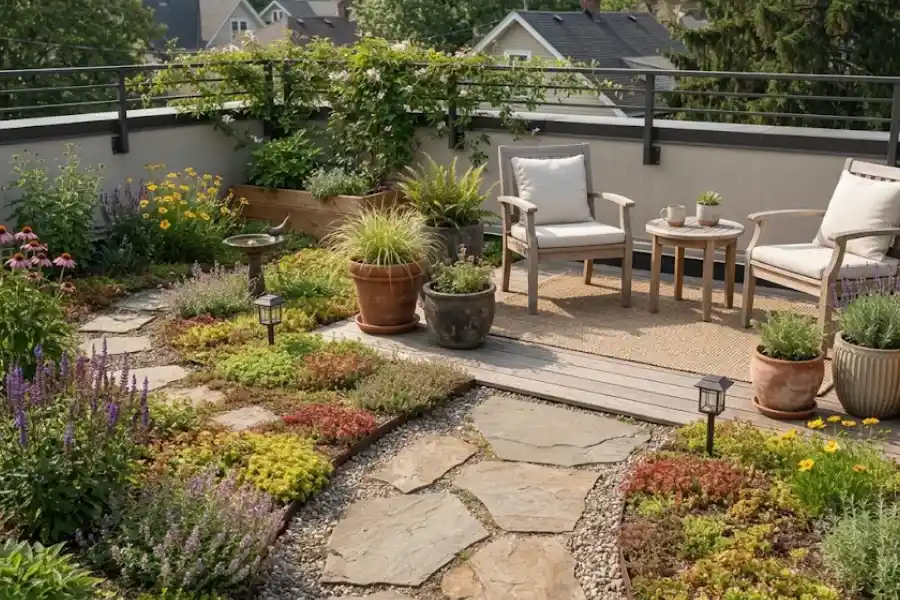
Garden roofs bring nature closer to home. Some feature a simple layer of low-growing plants, while others include colorful flowers, decorative pots, comfortable seating, and small outdoor living areas. Whether you have a flat garage roof, a garden shed, or a larger rooftop terrace, there are different ways to turn an ordinary roof into an attractive green space.
Besides their appearance, garden roofs offer practical benefits. They can help cool buildings, absorb rainwater, protect roofing materials, and create habitats for pollinators.
This article covers the three main types of garden roofs, their costs, suitable plants, essential building layers, and creative decorating ideas. You will also learn how to maintain your roof garden throughout the year.
Quick Answer: Garden roofs are rooftops covered with living plants and a specially designed growing system. You can keep yours simple with sedum and decorative greenery or create a beautiful outdoor retreat with planters, flowers, seating, and lighting. Extensive systems usually cost around $10 to $25 per square foot installed, while intensive systems can cost $25 to $50 or more. Always check your roof’s weight capacity before starting.
What Are Garden Roofs?
Garden roofs are rooftops designed to support living plants. They use a lightweight growing medium, drainage materials, and waterproof protection to create a suitable environment for greenery.
People also call them green roofs, living roofs, or vegetative roofs. Portland, Oregon, uses the term ecoroof.
The idea is not new. Families in Scandinavia covered their homes with grass and sod hundreds of years ago. Modern green roof systems developed further in Germany during the 1960s.
Today, homeowners use garden roofs for more than environmental benefits. They also offer opportunities to improve the appearance of outdoor spaces.
For example, a small garage roof can have a neat layer of sedum, while a larger rooftop terrace can feature colorful flower pots, ornamental grasses, decorative stones, and comfortable outdoor furniture.
One important difference is worth understanding. A roof garden usually refers to a space where people can sit, walk, and grow vegetables or flowers. It needs a stronger structure and deeper growing areas. A green roof can simply be a thin layer of plants that people do not regularly walk on.
Both options can become attractive parts of your home’s outdoor design.
Why People Choose Garden Roofs
Garden roofs offer a combination of practical and decorative benefits.
Lower energy bills: Plants and growing medium shade the roof and help reduce heat entering the building. Some studies report meaningful reductions in cooling demand.
A longer roof life: The vegetation layer protects roofing materials from direct sunlight and temperature changes. Properly installed systems can help extend membrane life.
Better stormwater management: Growing medium absorbs and holds rainwater, reducing the amount of water that immediately runs into drains.
A quieter home: The layers of soil and plants can help absorb outside noise.
Cooler surroundings: Green roofs help reduce heat absorption and can contribute to cooler urban environments.
A more attractive property: Plants, flowers, and decorative arrangements give an otherwise plain roof a natural appearance.
Homes for wildlife: Flowering plants can attract bees, butterflies, and other beneficial insects.
For homeowners interested in garden decoration, the visual benefit is especially appealing. A thoughtfully designed roof can complement nearby patios, balconies, and other outdoor spaces.
The Three Types of Garden Roofs
Garden roofs generally fall into three categories. The main difference is the depth of the growing medium, which affects plant choices, weight, maintenance, and decorating possibilities.
1. Extensive Garden Roofs
Extensive roofs are lightweight systems designed to support low-growing plants.
- Growing depth: Approximately 1 to 6 inches
- Plants: Sedum, moss, thyme, and small grasses
- Weight: Often around 15 to 30 pounds per square foot when wet, depending on the system
- Maintenance: Usually limited to occasional weeding and drainage checks
- Best for: Homes, sheds, garages, and commercial buildings
These roofs are ideal when you want a simple green appearance without creating a complete rooftop garden.
You can use different sedum varieties to add subtle colors and textures. Their small leaves create a natural carpet that looks attractive throughout much of the year.
2. Semi-Intensive Garden Roofs
Semi-intensive roofs offer more planting possibilities because they have deeper growing areas.
- Growing depth: Approximately 6 to 12 inches
- Plants: Perennials, ornamental grasses, and small shrubs
- Weight: Medium, depending on the materials and water content
- Maintenance: Regular checks, some watering, and trimming
- Best for: Garden offices, garages, and suitable flat home roofs
This option gives you more freedom to introduce garden decoration.
For example, you can combine flowering plants with small decorative planters and create different planting sections. The result is a more colorful and organized rooftop without the demands of a full rooftop garden.
3. Intensive Garden Roofs
Intensive roofs are designed to support deeper planting areas and more elaborate outdoor spaces.
- Growing depth: Often 6 inches or more, with many systems using 1 to 2 feet or deeper
- Plants: Shrubs, flowers, vegetables, and small trees
- Weight: Heavy; some systems exceed 80 pounds per square foot when wet
- Maintenance: Regular watering, feeding, pruning, and general garden care
- Best for: Roof terraces and buildings designed to carry the additional load
Intensive roofs provide the greatest decorating flexibility.
You can arrange outdoor sofas, decorative pots, flower beds, small pathways, and garden lighting. With proper structural support, the roof can become a relaxing outdoor living area.
How Much Do Garden Roofs Cost?
The cost of a garden roof depends on its size, design, materials, and installation requirements.
Here are some rough starting estimates:
- Extensive garden roof: Around $10 to $25 per square foot installed.
- Intensive garden roof: Around $25 to $50 or more per square foot.
- Small DIY shed roof: Often a few hundred dollars in materials, depending on the system.
Several factors can increase the overall cost:
- Roof size and accessibility.
- Existing roof condition and waterproofing requirements.
- Growing medium depth and plant selection.
- Drainage and irrigation systems.
- Structural engineering and design fees.
- Installation labor and permits.
- Decorative additions such as planters, furniture, pathways, and lighting.
Remember that garden decoration adds to the initial budget. A simple sedum roof is usually less expensive to style than a rooftop terrace with furniture and multiple planting areas.
However, you do not need expensive decorations to make a roof look beautiful. A few well-placed planters, attractive flowers, and a consistent planting arrangement can create a clean and welcoming appearance.
Some cities also offer rebates or incentives for green roof installations. Check your local government before starting the project.
What Is Under the Plants? The Layers of a Garden Roof
A beautiful garden roof needs a properly designed foundation. The plants and decorations are only the visible part of the system.
Most green roofs contain these basic layers, starting from the bottom:
- Roof deck: The structural base that supports the complete system.
- Waterproof membrane: Protects the building from water entering through the roof.
- Root barrier: Prevents plant roots from damaging the waterproof membrane.
- Drainage layer: Allows excess water to flow away and may hold some moisture for plants.
- Filter fabric: Stops growing medium from entering and blocking the drainage system.
- Growing medium: A lightweight material specially designed for rooftop planting.
- Plants: Sedum, grasses, flowers, and other suitable vegetation.
Regular garden soil should not replace rooftop growing medium because it can become too heavy and compacted.
Never skip protective layers to save money. A small installation mistake can lead to expensive roof damage later.
Check the Weight and Local Rules Before Decorating
Before adding plants, planters, or outdoor furniture, make sure the roof can safely support everything.
This is especially important if you want to turn your roof into a decorative outdoor living area.
Follow these steps:
- Ask a licensed structural engineer to check the roof’s weight capacity.
- Get the approved load limits in writing.
- Check local building permits and homeowners association rules.
- Contact your roofer and insurance company about warranty requirements.
- Consider the roof slope and drainage requirements.
- Plan safe access and suitable edge protection.
Remember that wet growing medium, mature plants, decorative pots, furniture, and people all add weight.
Even lightweight-looking decorations can become a problem when several items are placed together. Safety should always come before appearance.
Best Plants for Garden Roofs
The right plants make a garden roof attractive while helping it survive strong sunlight, wind, and changing temperatures.
Choose plants according to your growing depth, local climate, and USDA hardiness zone.
Plants for Extensive Garden Roofs
These plants work well in shallow growing medium.
Sedum (Stonecrop): One of the most popular green roof plants. It stores water in its leaves and comes in different colors and textures.
Houseleek (Sempervivum): Forms attractive clusters and handles dry conditions well.
Thyme: A low-growing herb with fragrant leaves and small flowers that attract bees.
Blue Fescue: A compact ornamental grass that adds soft texture and color.
Moss: Suitable for certain shaded and consistently moist areas.
Dianthus: Produces colorful flowers and can add seasonal interest to suitable roof systems.
Plants for Semi-Intensive and Intensive Roofs
Deeper growing areas allow you to use a wider variety of plants.
Lavender: Adds purple flowers and a pleasant fragrance.
Rosemary: Offers evergreen foliage and works well in sunny, well-drained conditions.
Yarrow: A hardy perennial with attractive flower clusters.
Coneflower: Brings bright flowers and attracts pollinators.
Black-Eyed Susan: Adds cheerful yellow blooms to rooftop planting areas.
Ornamental Grasses: Create movement and texture, especially in breezy locations.
Cherry Tomatoes and Peppers: Suitable for properly designed rooftop vegetable beds.
For a more decorative appearance, combine plants with different heights, leaf shapes, and flowering periods. This helps the roof look interesting rather than like a single flat layer of greenery.
Beautiful Garden Roof Decoration Ideas
Once the structure and planting system are ready, you can focus on making the space attractive.
The best garden roof decoration does not need to be complicated. A balanced arrangement of greenery, decorative objects, and comfortable features can make even a small rooftop look welcoming.
1. Arrange Decorative Planters
<PLACEHOLDER>
Planters are one of the easiest ways to add character to a garden roof.
Choose lightweight containers made from fiberglass, resin, or suitable plastic. Arrange them along the edges or in small groups to create a neat appearance.
You can use different sizes while keeping a consistent color scheme. Neutral shades, such as white, gray, and earthy brown, work particularly well with green plants.
Make sure the planters are suitable for outdoor use and do not block roof drains.
2. Create a Colorful Flower Corner
Flowers can turn an ordinary rooftop into a more inviting outdoor space.
Use suitable flowering plants such as lavender, coneflowers, and black-eyed Susans in designated deeper planting areas or properly supported containers.
Try combining two or three complementary flower colors instead of using too many unrelated shades.
This creates a more organized look and gives your garden roof a decorative focal point.
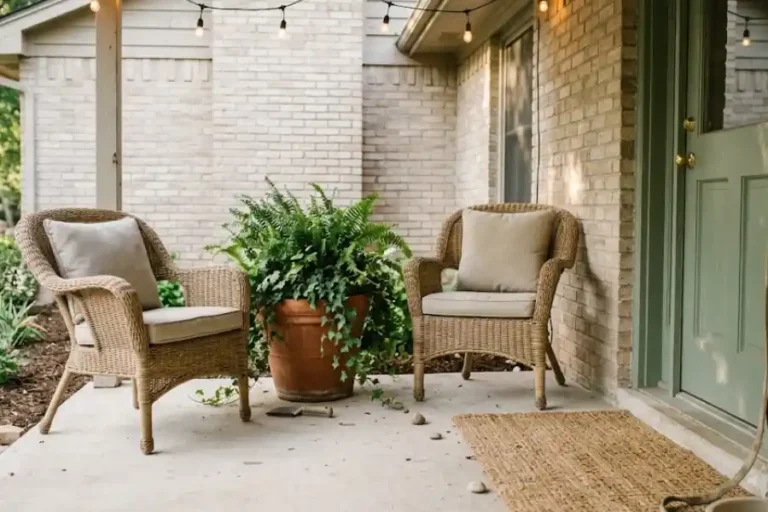
3. Add a Small Seating Area
If your roof is structurally designed for people, a small seating area can make it more useful.
Choose weather-resistant chairs, a compact outdoor table, or a comfortable bench. Place them on a suitable walkway or terrace surface rather than directly over delicate vegetation.
Keep the furniture simple so the plants remain the main feature.
For more ideas about creating comfortable outdoor spaces, these apartment patio decor ideas can help you think about furniture, plants, and small-space styling.
4. Use Decorative Stones and Pathways
A small pathway can make a rooftop garden look more organized.
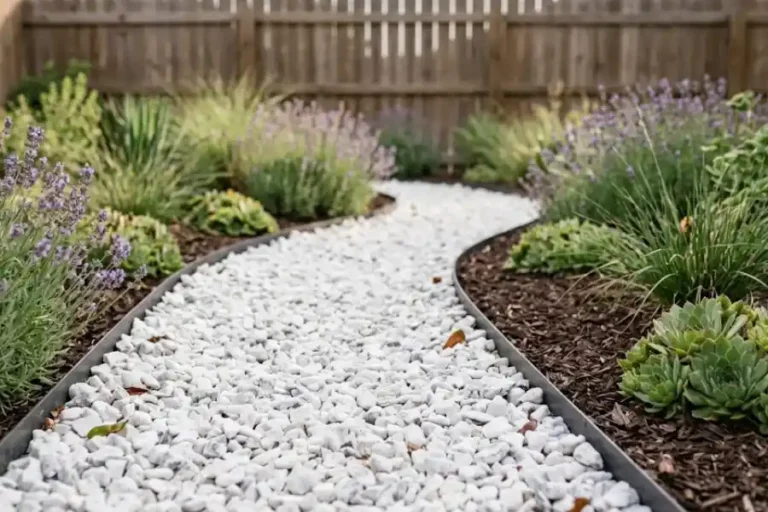
Use suitable pavers or stepping stones in designated walking areas. Decorative gravel can also add texture around selected planting sections.
Choose colors that complement your planters and surrounding architecture.
However, never place loose stones or heavy decorative materials without checking the roof’s load capacity and drainage design.
5. Add Outdoor Lighting
Lighting makes a garden roof more enjoyable after sunset.
You can use suitable solar garden lights, weather-resistant lanterns, or low-voltage outdoor fixtures to create a soft atmosphere.
Place lights near seating areas and along approved pathways. Avoid blocking drainage outlets or creating trip hazards with cables.
For a more decorative look, choose lighting that complements your planters and outdoor furniture rather than overpowering the plants.
6. Create Shade and Privacy
Rooftops often receive strong sunlight and wind, so shade can make the space more comfortable.
A suitable outdoor umbrella, approved privacy screen, or weather-resistant fabric can help create a more relaxing environment.
You can also use curtains for a balcony as inspiration when planning a sheltered rooftop seating corner. Make sure any fabric, screen, or umbrella is securely anchored because wind is stronger at roof level.
For evening styling, patio umbrella lights can also provide inspiration for creating a softly lit outdoor area.
Garden Roofs on Sheds, Garages, and Small Buildings
A small shed roof can be a good starting point for a simple green roof.
It offers a smaller planting area and may be easier to access than a large rooftop. However, never assume that a shed can support the additional weight.
Follow these basic steps:
- Confirm that the building can carry the wet system weight.
- Repair existing roof damage and leaks.
- Install suitable edge restraints to hold the growing medium.
- Add the required waterproof membrane and root barrier.
- Install the drainage layer and filter fabric.
- Add the recommended growing medium.
- Plant sedum mats, plugs, or other suitable vegetation.
- Water new plants according to their needs while they establish.
Once the planting is established, you can improve the surrounding appearance with a neat garden path, decorative pots, or coordinated outdoor accessories where the structure safely allows them.
Never place plants directly onto an unprotected roof.
If you are still choosing a building, our article on 12×16 garden sheds covers costs, permit rules, and what fits inside.
Turning a Garden Roof Into a Relaxing Outdoor Space
A properly designed intensive roof can become an outdoor retreat.
Start by dividing the area into simple sections. You might have one corner for seating, another for decorative planters, and a separate area for flowers or herbs.
Keep the layout open rather than filling every available space with furniture and accessories.
A few practical decorating tips can help:
- Use lightweight planters instead of heavy concrete or stone containers.
- Choose weather-resistant furniture.
- Secure furniture and decorative objects against strong winds.
- Use outdoor rugs only where they will not interfere with drainage.
- Add suitable shade for hot afternoons.
- Keep clear walking routes and safe access points.
The goal is to create a balanced space where plants and decorations work together.
Garden Roof Care Through the Year
A garden roof needs regular attention to remain healthy and attractive.
Extensive roofs usually require less maintenance, while intensive roofs need care similar to a traditional garden.
Spring: Remove weeds and fallen leaves. Check drains and inspect the plants for damaged or bare areas. Add fertilizer only when needed.
Summer: Water newly planted areas during long dry spells. Mature sedum generally needs less additional water once established.
Fall: Clear leaves from drains and roof edges. Replace missing plants and check the drainage system.
Winter: Keep drainage outlets clear and avoid walking over frozen plants. Never use road salt or ice melt on the vegetation.
Once a year, inspect roof edges, flashing, vents, and visible waterproofing details.
Good maintenance protects both the building and the decorative features you have added.
Common Garden Roof Mistakes
Avoid these common mistakes when planning your project:
- Skipping the structural check: A roof that cannot support the additional weight can become dangerous.
- Using ordinary garden soil: It can become too heavy and compacted.
- Leaving out the root barrier: Roots may damage the waterproofing system.
- Planting only one species: A single pest or weather problem can damage the entire planting area.
- Blocking roof drains: Poor drainage can cause water damage.
- Overwatering: Many sedum varieties prefer well-drained conditions.
- Adding heavy decorations: Large stone pots and concrete furniture can increase the load.
- Ignoring wind: Loose planters, furniture, and umbrellas can become dangerous.
- Hiring an inexperienced installer: Choose a professional familiar with green roof systems.
A good-looking garden roof starts with proper planning, not just attractive plants and decorations.
Are Garden Roofs Worth It?
Garden roofs can be a worthwhile investment when the building is suitable and the project is properly planned.
They may be a good choice if:
- Your roof is flat or has a low slope.
- The structure can safely carry the additional weight.
- You want to improve the appearance of your property.
- You want to create a green outdoor space.
- Stormwater management and cooling benefits matter to you.
- You can afford the initial installation cost.
However, think carefully if your roof needs repairs, has a limited weight capacity, or requires expensive structural changes.
A garden roof should never be installed just for decoration without checking its suitability first.
If your roof needs work, repair it before adding plants. Removing an established garden to fix a leak can become expensive and time-consuming.
Frequently Asked Questions
Do garden roofs leak?
A properly designed and installed garden roof should protect the building from water. Most problems are associated with damaged waterproofing, poor installation, or blocked drains. Ask your installer about leak testing before adding plants.
How long do garden roofs last?
The vegetation and growing layers protect the waterproof membrane from direct sunlight and temperature changes. With proper installation and maintenance, the membrane may last two to three times longer than an exposed roof, although actual results vary.
Can you walk on garden roofs?
Extensive roofs are generally not designed for regular foot traffic. Intensive roofs can support walking areas when the structure and system have been designed for them.
Are garden roofs difficult to maintain?
Extensive roofs are usually low-maintenance. They need occasional weeding, drainage checks, and replacement of bare plants. Intensive roofs require more regular watering, trimming, and general garden care.
Can I add a garden roof to an old building?
Possibly, but you need a professional inspection first. The structure, waterproofing, and roof condition must all be suitable before installation.
Do garden roofs attract insects and birds?
Yes. Flowering plants can attract bees, butterflies, and birds. Good drainage also helps prevent standing water that can encourage mosquitoes.
Can I decorate a garden roof with planters and furniture?
Yes, if the roof is designed to support the additional weight. Use suitable lightweight planters, weather-resistant furniture, and securely anchored accessories. Keep drainage outlets and walking routes clear.
What is the easiest plant for a garden roof?
Sedum is one of the easiest choices for many extensive green roof systems. It tolerates dry conditions and requires relatively little maintenance after establishment. Always select a variety suitable for your climate and roof system.
Final Thoughts
Garden roofs offer a wonderful way to bring greenery and natural beauty into an otherwise unused space. Whether you prefer a simple sedum-covered shed or a larger rooftop retreat with colorful flowers, decorative planters, comfortable seating, and soft lighting, there are many ways to make the design attractive.
The secret is to balance decoration with practicality. Choose suitable plants, keep the layout organized, and use outdoor accessories that complement the greenery. Most importantly, make sure the roof can safely support the complete system before you begin.
With careful planning and regular maintenance, a garden roof can become more than a protective layer over your home. It can be a beautiful part of your outdoor garden decor.