Garden Trellis Planter Box: Types, Best Plants, and Setup Tips
You want a beautiful garden. But maybe you only have a small patio, a narrow balcony, or a tight corner in your backyard. You look at the space and think there is just not enough room to grow anything worthwhile. That feeling is more common than you think, and there is a simple fix that most gardeners never consider until they try it: a garden trellis planter box.
This single piece does two jobs at once. It gives your plants a container to grow in at the bottom and a frame to climb up at the top. The result is more green, more food, and more beauty without using more floor space. This article covers everything about garden trellis planter boxes, from choosing the right one to setting it up correctly to getting the most out of every season. Whether you are just starting out or have been gardening for years, you will find something useful here.
What Is a Garden Trellis Planter Box?
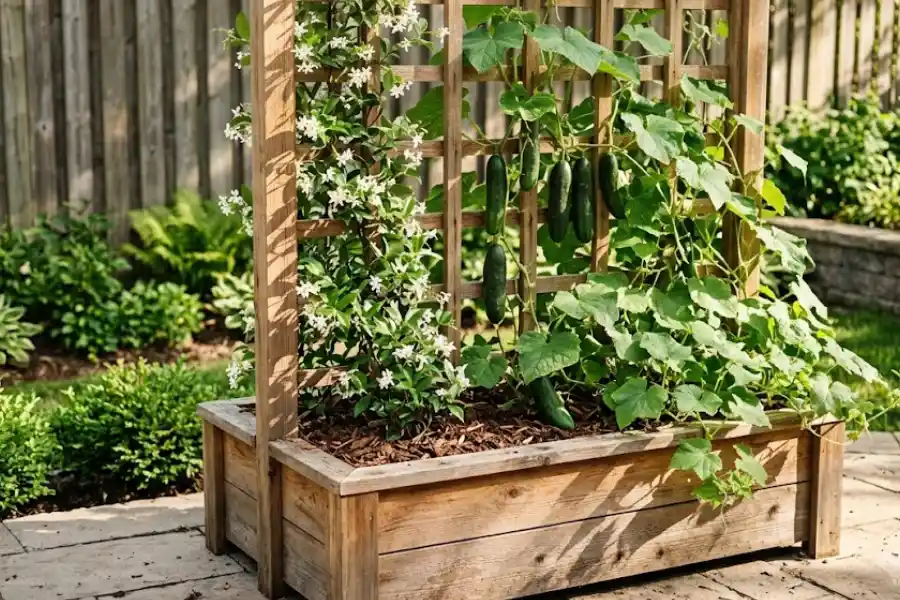
A garden trellis planter box combines two classic garden tools into one useful unit. The bottom is a planter box, which is a container filled with soil where your plants take root. The top is a trellis, which is an open grid or lattice frame made from wood, metal, or another material. This grid gives climbing plants something to grab onto as they grow upward instead of sprawling out sideways.
Think of it as a raised bed with an attached climbing frame for your plants. Instead of growing outward across your limited space, plants grow upward toward the sky. This creates a striking vertical display of flowers, vegetables, or lush foliage, and it often serves as a natural privacy screen for decks and patios at the same time.
You can buy a ready-made trellis planter box from garden stores, large retailers, or online. You can also build your own with basic woodworking skills and a weekend afternoon. Both paths work well, and each has its own advantages depending on your budget, skill level, and the look you want to achieve.
Why a Garden Trellis Planter Box Is Worth Every Dollar
There are plenty of gardening products out there. Most of them do one thing. A trellis planter box does many things at once, which is why so many gardeners consider it one of the best investments for a small outdoor space.
- It grows up, not out. Vertical growing lets you produce far more food and flowers in the same footprint as a simple pot. A 4-foot trellis can support a cucumber plant that produces dozens of cucumbers over a full season, all while taking up less than 2 square feet of floor space.
- It creates instant privacy. A few trellis planter boxes covered in climbing vines can block a neighbor’s view or hide an ugly fence without any construction work. Living privacy screens look far better than plastic barriers and wooden fences.
- It brings shape and character to any outdoor space. Even before the plants fill in, a well-made trellis planter box adds a sense of design and intention to a patio, deck, or balcony. Once the plants climb, it becomes a living focal point that draws the eye.
- It works in the smallest spaces. Balconies, narrow side yards, small decks, and apartment patios all benefit from a trellis planter box. You do not need a large yard. You just need a sunny spot.
- It reduces weeds dramatically. Because your plants grow in a contained box filled with quality potting mix, weeds rarely appear. The controlled environment also reduces soil-borne pests and diseases.
- It puts you in control. Container gardening lets you choose the soil, manage the water, and adjust the nutrients. In-ground gardens leave you at the mercy of your native soil. A planter box removes most of that guesswork.
Types of Garden Trellis Planter Boxes: Which Material Is Right for You?
Before you buy or build, take a moment to compare the three main material options. Each one suits a different situation.
Wood Trellis Planter Boxes
Wood is the most popular choice, and for good reason. Cedar and redwood are the two best options. Both woods resist rot naturally, which means they hold up for years even when they stay in contact with moist soil. They look warm and natural in any garden setting and work just as well on a rustic homestead as on a modern urban patio. A well-built cedar trellis planter box can last 10 to 20 years with minimal upkeep. The one downside is that all wood eventually breaks down, especially if water pools around the base. Raise a wood planter slightly off the ground to improve airflow around the bottom and extend its life considerably.
If you are building your own, avoid pressure-treated lumber for the inner walls of the planter where it contacts soil, especially if you are growing vegetables. The chemicals used to treat the wood can leach into the soil and be taken up by the plants. Use untreated cedar or redwood for the box itself, and save the treated wood for posts that go into the ground.
Metal Trellis Planter Boxes
Galvanized steel and powder-coated metal planters are built to last. They resist rust, hold up in harsh weather, and look sharp in modern garden designs. Metal trellis planter boxes are especially popular on contemporary patios and rooftop gardens where a clean, industrial look fits the aesthetic. One thing to know is that metal heats up fast in direct sunlight. On a hot summer day, the soil inside a metal planter can reach temperatures that stress or damage plant roots. If you choose metal, pick a spot with some afternoon shade during the hottest months of the year, or use a thick layer of mulch on the soil surface to insulate the roots and slow down moisture evaporation.
Resin and Fiberglass Trellis Planter Boxes
These materials are lightweight, affordable, and virtually maintenance-free. They will not rot, rust, warp, chip, or crack. Resin planters are an excellent choice if you need to move your planter box around to follow the sun or to bring it in during a hard freeze. They are also a smart option for balconies where weight is a concern. Resin and fiberglass planters are not as visually striking as traditional wood or antique garden decor pieces, but they are reliable performers that often outlast both.
The Best Plants for a Garden Trellis Planter Box
Choosing the right plants is just as important as choosing the right planter. The best plants for a trellis planter box either climb naturally on their own or can be guided upward with a little help from you.
Vegetables and Edible Plants
- Cucumbers: These are one of the easiest and most rewarding vegetables to grow on a trellis. They climb naturally using small tendrils, produce abundantly, and are much easier to harvest when grown vertically. A single cucumber plant can produce 10 to 20 cucumbers in a season.
- Pole beans: Also known as climbing beans, these grow fast and keep producing all season long as long as you keep harvesting. They climb enthusiastically up any trellis grid.
- Peas: Sweet peas and snow peas are natural climbers that do especially well in cooler temperatures. Plant them in early spring or fall for the best results.
- Cherry tomatoes: Compact tomato varieties grow well in tall planter boxes with at least 12 inches of soil. Tie the main stem to the trellis as it grows and remove the suckers to keep the plant productive.
- Small squash and zucchini: Bush and compact varieties of squash can be trained vertically with the help of a sturdy trellis. The fruit may need to be supported in a small cloth sling as it develops.
Flowering Climbing Plants
- Clematis: One of the most beloved climbing flowers in American gardens. It comes in dozens of colors, blooms generously from spring through fall, and climbs readily up a trellis. Remember the golden rule for clematis: sun on its leaves, shade on its roots. Plant low-growing annuals or place a flat stone near the base to keep the root zone cool.
- Morning glory: A fast-growing annual that covers a trellis in one season. It opens vibrant purple, pink, or blue flowers every morning. Easy to grow from seed and ideal for beginners.
- Sweet peas: Fragrant, old-fashioned, and utterly beautiful. Sweet peas climb easily and produce cut flowers all season long. They prefer cool weather, so plant them in early spring.
- Climbing roses: More effort than the other options, but the payoff is spectacular. Choose a compact or miniature climbing variety for a planter box setting. Train the canes along the trellis as they grow.
- Jasmine: Fast-growing and wonderfully fragrant. Star jasmine and common jasmine both perform well in a sunny trellis planter box on a patio or deck, especially when placed near a soothing water fountain outdoor garden setup. The scent on a warm summer evening is unforgettable.
Vines for Privacy
- Trumpet vine: Grows fast and produces bright orange or red trumpet-shaped flowers that attract hummingbirds all summer. Be aware that trumpet vine is vigorous and will need occasional trimming to stay in bounds.
- Black-eyed Susan vine: A cheerful annual vine with yellow and orange flowers around a dark center. It grows quickly, covers a trellis in one season, and brings pollinators to your garden all summer long.
- Ivy: Dense, evergreen in mild climates, and great for year-round screening. English ivy fills in a trellis quickly and stays green all winter in zones 5 and above.
How to Set Up Your Garden Trellis Planter Box Correctly
Getting the setup right from day one saves you from problems down the road. Follow these steps and your plants will have everything they need to thrive.
Step 1: Pick the Right Location
Most climbing plants need at least 6 hours of direct sunlight per day. Before you do anything else, stand in your outdoor space and watch where the sun falls throughout the day. Find the sunniest spot available and place your planter box there. Do this before filling the box with soil, because a full planter box is extremely heavy and very difficult to move.
Step 2: Use Quality Potting Mix, Not Garden Soil
This is the single most important decision you will make for the health of your plants. Do not dig soil out of your yard and put it in the planter box. Garden soil is too heavy for a container. It compacts tightly over time, which blocks the flow of air and water to the roots. It can also introduce weeds, harmful pests, and soil-borne diseases into your planter.
Use a high-quality potting mix instead. Despite the name, most potting mix contains no actual dirt. It is a blend of materials designed specifically for container gardening. A good mix contains peat moss or coco coir for moisture retention, perlite or vermiculite for drainage and airflow, and compost for nutrients. This combination gives your plants excellent drainage, consistent moisture, and a steady supply of nutrients throughout the season.
Step 3: Check Your Drainage Before Planting
Drainage is non-negotiable in any container garden. Without drainage holes, water collects at the bottom of the planter box and the roots sit in soggy soil. This leads to root rot, which can kill a plant in less than 24 hours. Check that your planter has drainage holes at least 3/4 inch in diameter. If it does not, drill several holes in the bottom before adding soil. After planting, test the drainage by watering thoroughly. Water should flow freely from the holes within a minute or two.
Step 4: Match Soil Depth to Your Plants
Not all plants need the same depth of soil. Herbs and shallow-rooted greens like lettuce and spinach do fine in 6 to 8 inches of soil. Vegetables like cucumbers, tomatoes, and pole beans need at least 12 inches to develop a healthy root system. If the planter box is too shallow for the plant you want to grow, the plant will be constantly stressed by limited root space and will not produce well.
How to Train Your Plants Up the Trellis
Some plants climb on their own. Cucumbers, peas, and clematis use tiny tendrils that wrap around the trellis grid naturally. You plant them, they find the trellis, and they do the rest. Other plants need a little guidance from you, especially in the early weeks.
For plants that need training, use soft garden ties, strips of old fabric, or gentle twist ties to attach the stem to the trellis. Work when the stem is young and flexible. Never force a stiff stem into position. If it does not bend easily toward the trellis, wait a few days and try again. Once the plant gets the idea, it will usually continue climbing on its own. Check on your plants every week or two and guide any new growth upward before it flops outward.
Common Mistakes That Will Kill Your Plants Before They Bloom
These are the mistakes that show up again and again, even among experienced gardeners. Learning them now saves your plants later.
- Filling the box with garden soil: This is the number one beginner mistake. Always use a quality potting mix designed for containers. The difference in results is dramatic.
- No drainage holes: Waterlogged roots are the fastest way to lose a plant. Check your drainage before you plant anything.
- Overcrowding the box: It is tempting to pack in as many plants as possible. Overcrowded plants compete for water and nutrients, airflow suffers, and fungal diseases spread quickly. Follow the spacing guidelines on your seed packet or plant tag.
- Forgetting to water consistently: Containers dry out much faster than in-ground gardens, especially during hot summer weather. Check the soil daily during heat waves. Water when the top inch feels dry, and water slowly until it drains from the bottom holes.
- Waiting too long to train climbing stems: A young, flexible stem is easy to guide onto the trellis. A long, stiff stem is far more likely to snap when you try to redirect it. Start training early.
- Placing a metal planter in all-day direct sun during summer: Metal absorbs and holds heat. The soil inside can get hot enough to damage roots on a peak summer afternoon. Move metal planters to a spot with afternoon shade, or apply a thick layer of mulch to the soil surface to protect the roots.
- Never fertilizing: Water leaches nutrients out of potting mix over time. Unlike in-ground garden soil, potting mix does not replenish itself. Feed your plants every two to four weeks with a balanced liquid fertilizer throughout the growing season.
Seasonal Care for Your Garden Trellis Planter Box
A little attention at the right time of year keeps your trellis planter box healthy and productive for many seasons to come.
Spring
Before planting season, refresh the potting mix by adding 2 to 3 inches of fresh compost to the top of the box and mixing it in lightly. You do not need to replace the entire mix every year. Adding compost restores nutrients and improves the texture of the mix. Wait until after the last frost date for your region before planting warm-season vegetables or tender annual flowers. The Old Farmer’s Almanac website has a free frost date lookup tool by zip code that is very helpful for timing this right.
Summer
Keep watering consistently and fertilize every two to four weeks. As your climbing plants grow, check the trellis ties and replace any that have become too tight. Plant stems grow thicker over the season, and a tie that was perfect in June can cut into the stem by August. Keep the trellis clear of dead leaves and improve airflow by removing any stems that cross or crowd each other.
Fall
After the first hard frost kills your annual plants, remove the dead plant material cleanly. This reduces the chance of pests and disease overwintering in your planter. If you are growing perennial vines, cut them back as recommended for that specific plant. In cold climates, move the planter box to a sheltered location close to the house or garage. The soil in a planter box loses heat much faster than in-ground soil, and the roots of perennial plants can be damaged or killed by prolonged freezing temperatures.
Winter
In very cold climates, wrap the planter box with burlap, old blankets, or bubble wrap to insulate the roots. Add a thick layer of mulch or straw to the top of the soil for extra protection. When spring arrives, look over the trellis carefully for any damage caused by ice, wind, or moisture. Tighten loose screws, replace split or cracked boards, and touch up any chipped paint or coating on metal parts before the new planting season begins.
Frequently Asked Questions
How tall should a trellis be on a planter box?
It depends on what you plan to grow. For vegetables like cucumbers and beans, a trellis height of 4 to 6 feet above the top of the planter works well. For flowering vines or privacy screening, 5 to 7 feet gives you a fuller, more dramatic effect. Always make sure the trellis is firmly anchored to the planter box so it does not tip over as the plants fill in and add weight to the upper portion.
Can I grow tomatoes in a trellis planter box?
Yes. Cherry tomatoes and compact determinate varieties are the best choices for planter boxes. Use a box that is at least 12 inches in depth and holds a minimum of 5 gallons of potting mix. Tie the main stem to the trellis every 8 to 10 inches as it grows, and pinch off the suckers that grow in the crotch between the main stem and side branches. This keeps the plant productive and prevents it from becoming too bushy for the trellis to support.
What is the best wood for a DIY trellis planter box?
Cedar is the top recommendation for most home gardeners in the United States. It is naturally rot-resistant, holds up well outdoors, and looks beautiful year after year. Redwood is equally good but harder to find outside of the western states. For the trellis frame, pressure-treated lumber is acceptable since it does not come into contact with the soil or the plants directly. For the planter box walls that touch the soil, stick with untreated cedar or redwood if you are growing anything you plan to eat.
How often should I water a trellis planter box?
Check the soil every day during summer. Push your finger about 1 inch down into the soil. If it feels dry at that depth, water thoroughly until it runs freely from the drainage holes. In the peak of summer heat, some planters may need watering twice a day. Watering less often but more thoroughly is better than watering a little every day. Thorough watering encourages roots to grow down into the soil instead of staying shallow near the surface.
Will a garden trellis planter box work on a balcony?
Absolutely. Trellis planter boxes are one of the smartest tools available for balcony gardening. They grow vertically, which means they use almost no floor space. Before you fill a large planter box and set it on your balcony, check the weight limit. A large planter box filled with wet potting mix can easily weigh 80 to 150 pounds. If you are not sure about your balcony’s weight rating, choose a smaller resin planter box, which is much lighter than wood or metal, and use a lightweight potting mix formulated for containers.
Can a trellis planter box stay outside all winter?
In mild climates, yes. In cold climates where temperatures drop below 20 degrees Fahrenheit regularly, the roots of perennial plants inside the box are at risk. Move the planter to a sheltered spot, wrap it for insulation, and add a thick layer of mulch on top of the soil. The trellis itself can stay outdoors year-round in most climates, but inspect it each spring for damage before the new growing season.
Start Small and Watch Your Space Come to Life
A garden trellis planter box is one of those rare garden purchases that delivers results you can see within weeks. It solves the small-space problem that stops so many people from gardening. It adds beauty to a plain patio, privacy to an exposed deck, and fresh food to a tiny balcony. The setup takes a single afternoon. The payoff lasts for years.
Start with one box in your sunniest spot. Pick a climbing plant that excites you, whether that is a row of cucumbers, a fragrant jasmine, or a burst of morning glory blooms. Fill it with quality potting mix, check your drainage, and water it in well. Then step back and give it time. Within a few weeks, you will see clearly why so many gardeners consider a trellis planter box one of the best decisions they ever made for their outdoor space.