Decorative Urn Ideas: Styles, Placement, and Care Tips
A decorative urn can do more for your yard than almost any other single piece. Set one by your front door, and it looks like a grand entrance. Place one in a bare garden corner, and that corner becomes the spot everyone notices first. This shape has been used for hundreds of years, and it still works today because it just looks good in almost any setting.
This article walks through the main types of decorative urns, where to put them, which plants work best inside them, and how to keep them looking sharp through every season. By the end, you’ll know which urn fits your home and how to keep it looking good year after year.
What Is a Decorative Urn?
A decorative urn is a rounded, often footed container with a wide body and a narrower neck. The shape comes from ancient Greek and Roman pottery, where large urns once held olive oil, wine, or grain. Some cultures also used them to hold the ashes of loved ones, which is part of why the shape still feels a bit ceremonial today.
Most people now use a decorative urn as a planter or a stand-alone piece of garden art. You don’t even need to fill it with anything. An empty stone urn on a small pedestal can hold its own next to a doorway or at the end of a path.
Popular Types of Decorative Urns
Not every urn is built the same way, and the material you pick changes how it looks, how much it costs, and how long it lasts outside.
Stone and Concrete Urns
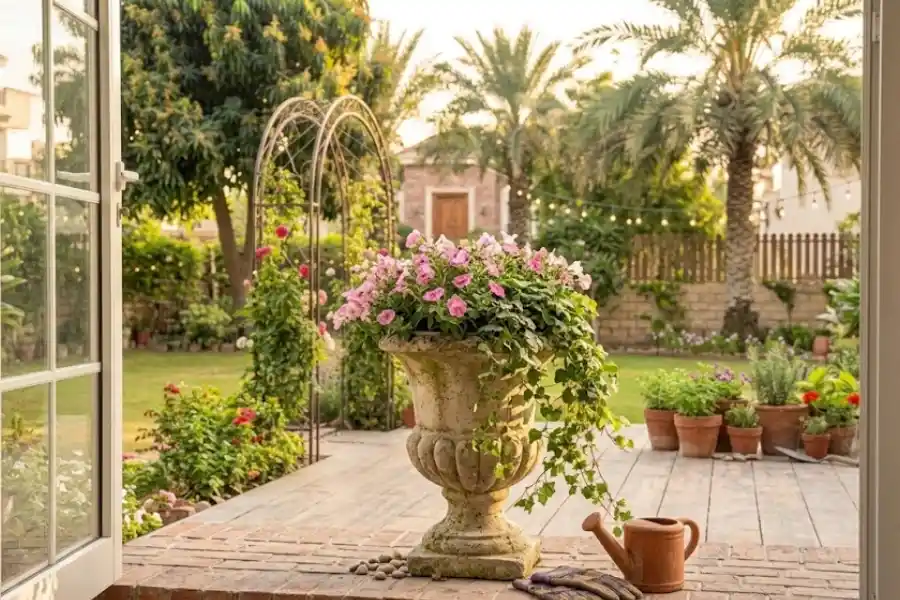
Stone and cast concrete urns are the heaviest option, but that weight works in your favor outdoors. Wind won’t tip them over, and they hold up well through rain, frost, and full sun for years. Many homeowners lean toward this style for antique garden decor, since a weathered stone finish naturally picks up moss and a soft gray tone over time.
Ceramic and Terracotta Urns
Ceramic and terracotta urns bring warmer color and a smoother finish. They’re lighter than stone, so they’re easier to move around a patio, but they can crack if water freezes inside them over winter. These work well for a cottage-style yard or a covered porch that stays a little more protected from harsh weather.
Cast Iron and Metal Urns
Cast iron urns have a dark, classic look that fits older homes and more formal layouts. They’re sturdy and resist rust when sealed properly, though they can heat up fast in direct summer sun, which matters if you’re planting something delicate inside.
Resin and Composite Urns
Resin urns copy the look of stone or metal at a fraction of the weight and cost. They resist cracking in freezing weather, which makes them a smart pick for colder regions. If you like the idea of tall outdoor planters without the heavy lifting, resin is worth a look.
Where to Place a Decorative Urn for the Best Effect
Placement changes everything about how an urn reads in your yard. A few spots work especially well:
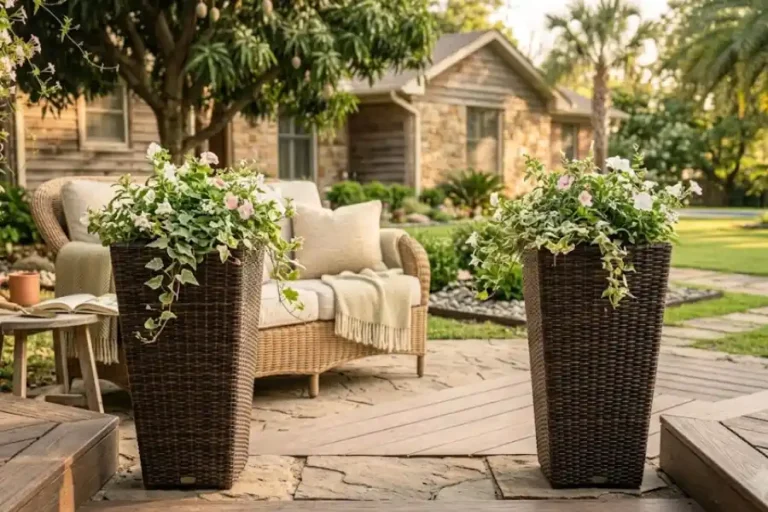
- Flanking your front door, one urn on each side, for instant curb appeal
- Lining a front walkway at even intervals to draw the eye toward the house
- Anchoring one corner of a flower bed that otherwise looks flat
- Sitting on a low pedestal near a patio seating area
- Marking the entrance to a formal garden layout, where symmetry matters most
- Sitting indoors near a fireplace or in a foyer, used dry with no plant at all
If you’re working through your front patio decor ideas, one large urn as a centerpiece often looks better than several small pots scattered around.
How to Pick the Right Size and Style for Your Home
A good rule of thumb: a decorative urn should reach roughly one-third the height of whatever it sits next to, like a door or a porch column. Anything smaller tends to look lost.
Style matters just as much as size. A traditional brick or colonial home usually pairs well with a classic stone or cast iron urn, since the shape matches the age of the house. A modern home with clean lines looks better with a smooth resin or concrete urn in a simple round or square shape. A cottage or farmhouse style leans into a hand-glazed ceramic urn with a bit of color or pattern.
The Best Plants to Fill Your Urn
Gardeners often use a simple three-part combination inside an urn: something tall in the center, something bushy around the middle, and something trailing over the edge. This gives the arrangement height, fullness, and movement all at once.
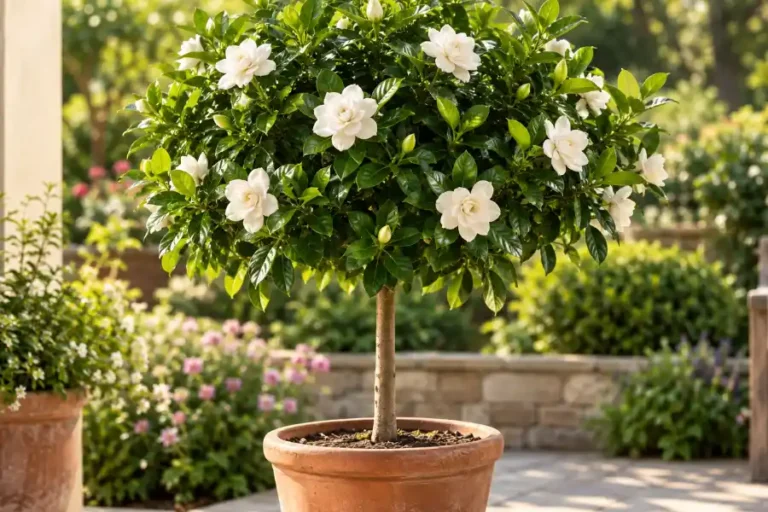
Boxwood is a classic center plant for a formal look. For color, try geraniums, petunias, or marigolds around the middle. For the trailing part, sweet potato vine or ivy spills nicely over the rim.
Swap plants with the seasons to keep the urn looking fresh all year:
- Spring: tulips, daffodils, or pansies
- Summer: petunias, marigolds, or ornamental grass
- Fall: mums, ornamental kale, or dried wheat stems
- Winter: evergreen branches, red berries, or pinecones
Does a Decorative Urn Need Drainage Holes?
Most stone and concrete urns don’t come with drainage holes built in, and drilling through thick stone at home isn’t easy or safe for most people. The simplest fix is called double potting: place a plastic nursery pot with real drainage holes inside the decorative urn, then plant directly into that inner pot. Water drains into the bottom of the urn instead of soaking the roots, and you can lift the inner pot out to dump excess water after a heavy rain.
Caring for Your Urn Through the Seasons
A little seasonal care keeps a decorative urn looking good for years instead of months.
In spring, wipe down the surface and check for any cracks that formed over winter. In summer, water container plants more often than in-ground beds, since urns dry out faster in the sun. In fall, cut back dead plant material and clean out the soil if you’re switching to a winter display.
Winter causes the most damage. Water left sitting inside a stone or ceramic urn can freeze, expand, and crack the material. Before the first hard freeze, either empty the urn completely, cover the opening, or move lighter resin and ceramic pieces indoors or into a shed. Raising a stone urn off the ground on small pot feet also helps rainwater drain away instead of pooling underneath.
How Much Does a Decorative Urn Cost?
Prices vary a lot by material and size. A small resin urn from a garden center might run $20 to $60. Ceramic and terracotta urns typically land between $40 and $150, depending on size and glaze quality. Cast stone and concrete urns start around $80 and can climb past $300 for larger, more detailed pieces. Genuine antique or hand-carved stone urns can cost several hundred to a few thousand dollars, depending on age and origin.
Frequently Asked Questions
Can I leave a decorative urn outside all winter?
Resin and sealed cast iron urns can usually stay outside year-round. Stone, concrete, and ceramic urns hold up better if you empty them of water and cover or move them before hard freezes.
What’s the best material for a decorative urn in a rainy climate?
Resin or cast iron with a good sealant handles constant moisture well. Concrete and stone also do fine as long as they have proper drainage so water doesn’t sit at the base.
Can I use a decorative urn without any plants in it?
Yes. Many homeowners leave an urn empty on purpose, using it purely as a piece of garden art at an entrance or along a path.
How do I stop my urn from cracking in winter?
Keep water from sitting inside it. Either empty the urn before the first freeze, turn it upside down, or bring lighter materials indoors until spring.
Final Thoughts
A decorative urn is one of the easiest ways to give a yard or patio a more finished look without a full landscaping project. Pick a material that matches your climate, a size that fits the spot you have in mind, and plants that suit the season, and it will earn its place in your yard for years to come.