Gothic Garden Plants: 25 Dark, Dramatic Picks for Your Yard
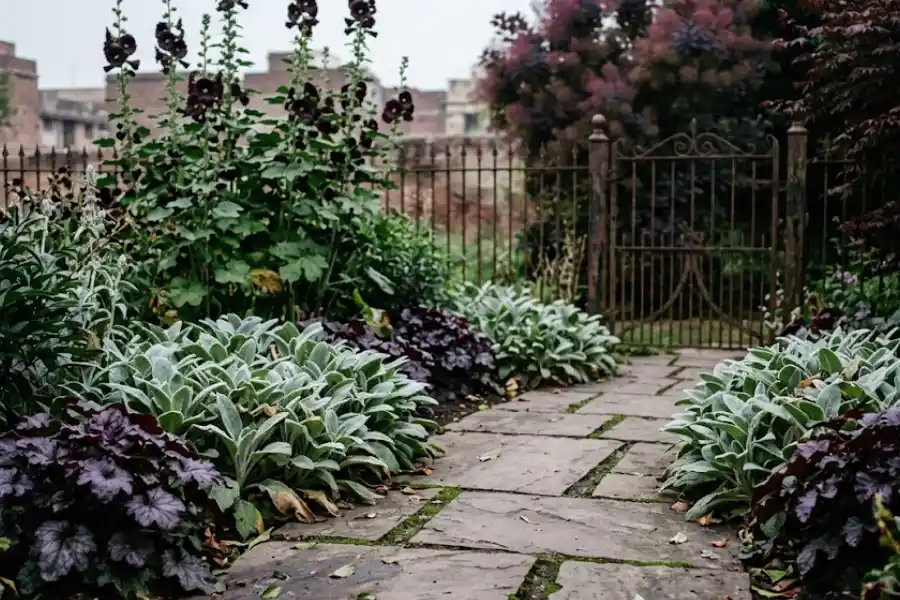
Picture a path that bends out of sight. Tall black flowers sway over silver leaves. A stone urn sits under a cloud of purple smoke. That is a gothic garden, and it feels like stepping into an old story.
The best part is that you do not need a castle or a big budget. You only need the right gothic garden plants and a simple plan.
This list gives you 25 plants that grow well in US yards. Each one comes with its zone, its light needs, and a quick care note. You will also see how to make dark plants stand out. Many lists skip that step, and it matters a lot.
How this list was built: I compared advice from botanic gardens, plant nurseries, and garden publications. Then I kept the plants that are easy to find and grow in the USA. Zones follow the USDA Plant Hardiness Zone Map. Always check your own zone before you buy.
What Makes a Plant Gothic?
Gothic style comes from old churches, castles, and dark tales. Think tall arches, cold stone, heavy shadow, and mystery. In the garden, that means moody color, bold shapes, and a touch of danger.
Most gothic garden plants fall into four groups:
- Dark leaves: black, plum, and wine-red foliage.
- Dark flowers: near-black, maroon, and rich purple blooms.
- Strange plants: spiky, smelly, poisonous, or meat-eating.
- Pale partners: silver and white plants that glow at dusk.
A gothic garden does not have to feel scary. The best ones feel calm, moody, and a little bit magical.
4 Quick Checks Before You Buy Gothic Garden Plants
A few minutes of planning will save you money and sadness later.
- Find your zone. A zone tells you how cold winters get where you live. Look up your zone on the USDA map. Then pick plants rated for it.
- Match the light. Many dark plants need sun to keep their rich color. Others, like hellebores, prefer shade. Read the plant tag first.
- Think about kids and pets. Some gothic garden plants are poisonous. I flag them in this list. The ASPCA toxic plant list is a handy backup.
- Plan for contrast. Black on black just disappears. The New England Botanic Garden points out that very dark plants can get lost against dark mulch. Use pale gravel or light mulch, and add silver or white partners.
Gothic Garden Plants With Dark Leaves
Leaves last far longer than flowers. So start with foliage. It gives your garden color from spring to fall.
- Black mondo grass (Ophiopogon planiscapus ‘Nigrescens’): zones 6 to 10, sun to shade. Ink-black blades make a neat edge along a path. It grows slowly, so be patient.
- Coral bells ‘Obsidian’ (Heuchera): zones 4 to 9, sun to part shade. Glossy black-purple leaves look great in beds and pots. Give it soil that drains well.
- Bugleweed ‘Black Scallop’ (Ajuga reptans): zones 4 to 9, sun or shade. Crinkled, near-black leaves spread into a living carpet. Blue-violet flower spikes appear in spring.
- Black Lace elderberry (Sambucus nigra ‘Eva’): zones 4 to 7, full sun for the best color. Lacy purple-black leaves and pink flowers grow 6 to 8 feet tall. Prune it in late winter.
- Purple smokebush (Cotinus coggygria ‘Royal Purple’): zones 4 to 8, full sun. Wine-colored leaves are topped with puffs that look like smoke. Cut it back hard each spring to keep it small.
- Japanese maple ‘Bloodgood’ (Acer palmatum): zones 5 to 8, sun with afternoon shade in hot areas. Rich red leaves and a graceful shape give your garden its tall, elegant centerpiece.
Gothic Garden Plants With Dark Flowers
Now add the blooms. These flowers bring velvet, wine, and midnight tones.
- Black hollyhock (Alcea rosea ‘Nigra’): zones 3 to 8, full sun. Maroon-black flowers climb stalks up to 8 feet tall. It is short-lived but reseeds, and tall plants may need a stake.
- Tulip ‘Queen of Night’: zones 3 to 7, full sun. Plant bulbs in fall. In late spring, you get silky maroon-black cups on 2-foot stems.
- Black hellebore (Helleborus x hybridus): zones 4 to 9, part shade. Also called Lenten rose. Moody blooms open in late winter, when little else is awake.
- Mourning widow (Geranium phaeum): zones 4 to 9, shade or part shade. Small, dark maroon flowers float above tidy leaves. It handles dry shade well.
- Viola ‘Molly Sanderson’: zones 5 to 10, sun to part shade. These tiny, near-black faces thrive in cool weather. Tuck them along the front of a bed.
- Chocolate cosmos (Cosmos atrosanguineus): zones 7 to 10, full sun. Dark red flowers smell a bit like chocolate. In colder areas, grow it in a pot and bring it indoors for winter.
- Dark red rose ‘Black Baccara’: zones 6 to 9, full sun. The blooms look almost black in the right light. It needs at least six hours of sun each day.
Bold and Strange Gothic Garden Plants
These plants add shock value. They are the ones your neighbors will ask about.
- ‘Black Magic’ elephant ear (Colocasia esculenta): zones 8 to 11, sun to part shade. Huge, dark leaves give a jungle-at-midnight look. In cold zones, lift the bulbs in fall or grow it in a pot. All parts are poisonous if eaten.
- Black rose aeonium ‘Zwartkop’: zones 9 to 11, full sun. Shiny, near-black rosettes look like dark flowers. In most of the USA, keep it in a pot and bring it inside before frost.
- Voodoo lily (Sauromatum venosum): zones 6 to 10, part shade. It makes a weird, dark flower that smells like rotting meat to attract flies. Plant it far from your seating area. It is also poisonous.
- Meat-eating plants: Pitcher plants (Sarracenia, zones 6 to 9) and Venus flytraps (zones 7 to 10) need full sun and wet, acidic soil. Use rainwater or distilled water, and skip the fertilizer. Many come in dark red and purple forms.
Poisonous Gothic Garden Plants (and How to Stay Safe)
Poison is part of the lore of gothic garden plants. These three have dark reputations. Treat them with respect.
- Foxglove (Digitalis purpurea): zones 4 to 9, part shade. Tall spires of plum, pink, or white flowers rise in the second year. Every part is toxic.
- Monkshood (Aconitum): zones 3 to 7, part shade, cool and moist soil. Hooded blue-purple flowers show up in late summer. It is very poisonous, so wear gloves.
- Castor bean (Ricinus communis): grown as an annual in most places. Red-bronze leaves shoot up 6 to 10 feet in one season. The seeds are extremely toxic. Skip this one if kids or pets visit your yard.
Safety first: Wear gloves when you handle these plants. Never eat a plant unless you are 100 percent sure it is safe. If a child eats something unknown, call Poison Control at 1-800-222-1222. If a pet does, call your vet right away.
Silver, White, and Green Plants That Make Dark Plants Pop
This is the step that changes everything. Dark plants need a light partner. Without one, even the best gothic garden plants blur into one dark patch.
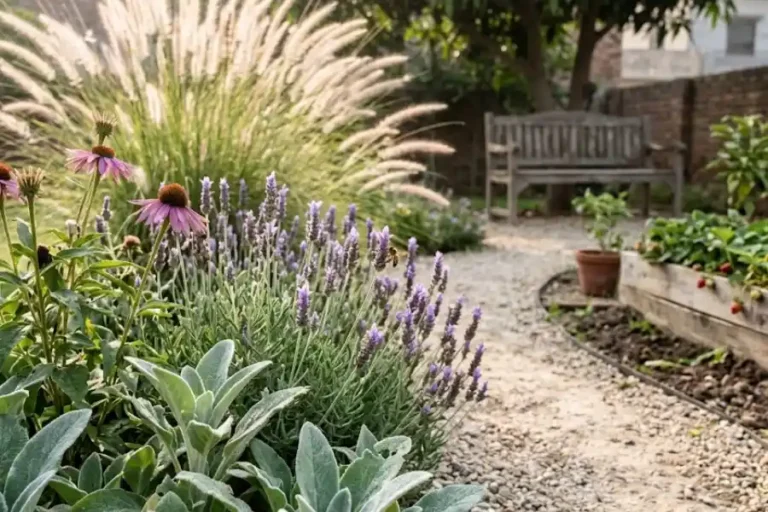
- Lamb’s ear (Stachys byzantina): zones 4 to 8, full sun. Soft, silver leaves look like moonlight next to black foliage.
- Japanese painted fern (Athyrium niponicum ‘Pictum’): zones 3 to 8, shade. Silver-gray fronds with a purple blush brighten dim corners.
- Flowering tobacco (Nicotiana): grown as an annual in most places. White flowers open in the evening and smell sweet. They glow at dusk.
- Moonflower (Ipomoea alba): a fast annual vine. Huge white blooms open at night. Train it over an arch or trellis.
- Japanese forest grass (Hakonechloa macra ‘All Gold’): zones 5 to 9, part shade. Bright chartreuse leaves arch like a waterfall. Lime green makes dark purple look richer.
How to Design a Gothic Garden Step by Step
Plants are only half the picture. A real gothic garden needs strong features and mood too.
- Build the bones first. Add an arch, an iron gate, a trellis, or a stone path. Place a decorative urn or an old-looking statue. These pieces set the mood, even in winter.
- Pick three stars. Choose three main gothic garden plants and repeat them in groups. Repetition looks calm and planned.
- Add light partners. A good starting point is about two parts dark plants to one part silver, white, or lime. Adjust until your eye likes it.
- Build height. Use hollyhocks, tall shrubs, and climbers. Height gives that cathedral feel. English ivy is a classic look, but it is invasive in many states, so check local rules first.
- Curve the path. Bend it around a shrub so visitors cannot see the end. A little mystery goes a long way.
- Add soft light. Lanterns and warm solar lights glow nicely at dusk. White flowers will glow right along with them. That is the whole idea behind a moonlight garden, where pale blooms shine after dark.
Gothic Garden Plants for Small Spaces and Pots
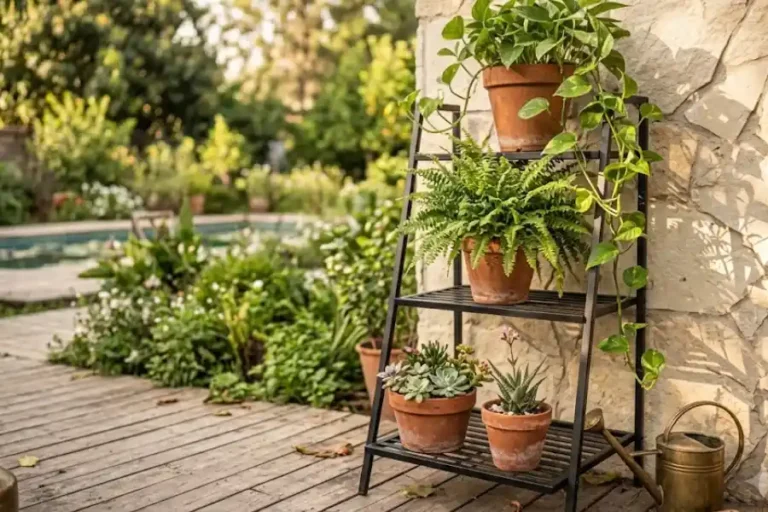
No yard? No problem. Many gothic garden plants do well in containers. Pick a dark or stone-like pot and let the leaves do the talking. Mix tall and short pots to create layers. If you want help with the layout, a few container garden ideas can get you started.
- Outdoors: black mondo grass, coral bells ‘Obsidian’, aeonium, and ‘Black Magic’ elephant ear.
- Edible and dark: ‘Dark Opal’ basil, ‘Nero di Toscana’ kale, and the ‘Black Pearl’ ornamental pepper (it is hot, so taste with care).
- Indoors: ‘Raven’ ZZ plant and Alocasia ‘Black Velvet’. The alocasia is poisonous to pets, so keep it out of reach.
Common Mistakes to Avoid
- Going all dark. Without pale plants and light mulch, your garden turns into a shadow blob.
- Buying gothic garden plants without checking the zone. A tender plant will not survive a hard freeze.
- Too little sun. Many purple and black leaves turn dull green in heavy shade.
- Using too many ideas. Gothic style loves repetition. Pick a few things and do them well.
- Forgetting winter. Add stone, evergreens, and bare branches so the garden still looks great in cold months.
Easy Care Tips for a Gothic Garden
The good news is that a gothic garden is cared for like any other garden. Here are a few things to keep in mind.
- Water new plants often. The first season is the hardest. Add a layer of mulch to hold in moisture.
- Give dark leaves sun. More light usually means richer color.
- Prune at the right time. Cut back smokebush and elderberry in late winter or early spring.
- Expect some fading. Some dark leaves turn greener in the heat of midsummer. That is normal. Pale partners will fill the gap.
Frequently Asked Questions
What are the best gothic garden plants for beginners?
Start with black mondo grass, coral bells ‘Obsidian’, bugleweed ‘Black Scallop’, hellebores, and black hollyhocks. They are tough, easy to find, and forgiving.
Are there truly black plants?
Not quite. Plants make rich purple and red pigments that cover up the green. In the right light, they look black.
Which gothic garden plants grow in shade?
Hellebores, mourning widow, bugleweed, black mondo grass, Japanese painted fern, and Japanese forest grass all handle shade. Foxglove and monkshood like part shade too. If your yard is very shady, you can pair them with other garden plants for shade.
Can I grow a gothic garden indoors?
Yes. Try a ‘Raven’ ZZ plant, an Alocasia ‘Black Velvet’, or an aeonium by a sunny window. Check which ones are safe if you have pets.
What flowers fit a gothic garden best?
Black hollyhocks, ‘Queen of Night’ tulips, black hellebores, ‘Molly Sanderson’ violas, and dark red roses are all strong picks.
When should I plant?
Plant tulip bulbs in fall. Plant most perennials in spring or early fall. Plant tender plants like elephant ear and chocolate cosmos after the last frost.
Are gothic garden plants safe for pets?
Some are not. Foxglove, monkshood, castor bean, elephant ear, and voodoo lily are all poisonous. Check every plant on the ASPCA list before you buy.
Final Thoughts
A great gothic garden is all about contrast. Dark leaves, velvet flowers, and a few strange surprises bring the drama. Silver, white, and lime plants make it all glow.
You do not have to plant everything at once. Pick three or four gothic garden plants from this list, add one stone or iron feature, and start there. Your garden will grow darker and more magical every season.