Herb Garden vs Bird Feeder: Which Is Better for Your Yard?
You have one sunny corner. Maybe it is a patch of grass, a small patio, or a balcony rail. You want something alive out there. Should you grow fresh basil, or hang a feeder and watch the birds?
The herb garden vs bird feeder question sounds like an either-or choice. It is not. But if you can only start one this season, the right pick depends on your time, your space, and what you want back.
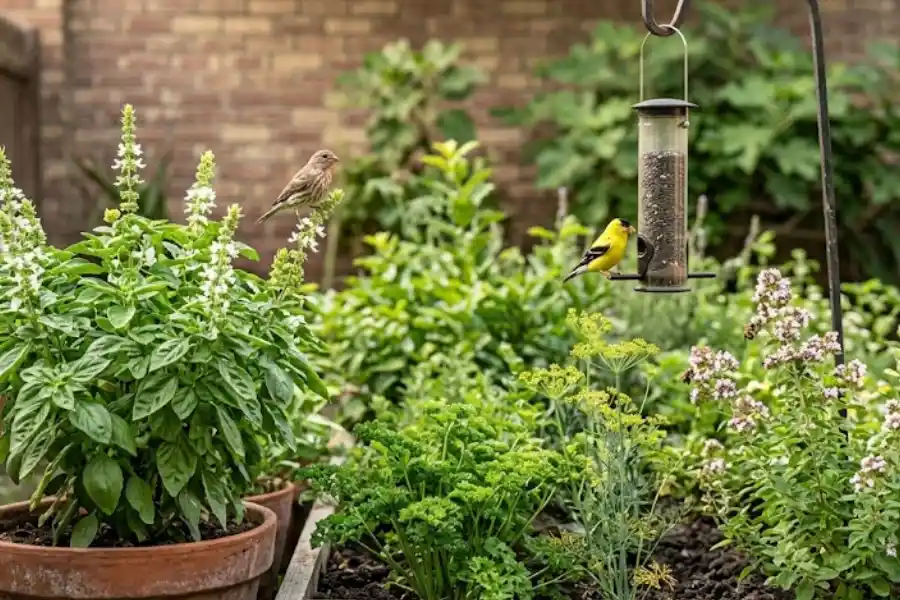
Quick answer: Pick an herb garden if you want food, low risk, and a yard that helps bees, butterflies, and even birds. Pick a bird feeder if you want fast, daily bird-watching and you will clean it often. Want both? Plant the herbs first, let some of them flower, and add a feeder away from the garden bed.
Herb Garden vs Bird Feeder at a Glance
- Herb garden: You can eat the harvest. It needs sun, water, and a little trimming. It supports bees, butterflies, and helpful insects. Some herbs also feed birds when they go to seed.
- Bird feeder: You get birds fast, often within days or weeks. It needs regular refills and cleaning. It brings birds close for watching, but it can also spread disease if it gets dirty.
Now let’s look at each one in more detail, including the parts many articles skip.
What You Get From an Herb Garden
Food you can use tonight
This is the biggest win. Basil, parsley, chives, and mint can grow in herb garden pots, window boxes, raised beds, or borders. Penn State Extension notes that herbs like these are easy, tasty, and good for the garden too.
A yard that helps bees and butterflies
Many herbs make small flowers in clusters. Bees love them because they can collect food without flying far. Penn State Extension says oregano or marjoram in bloom is often covered with bees.
Dill, parsley, fennel, and cilantro do one more thing. They feed baby black swallowtail butterflies. Expect to see fat caterpillars chewing your leaves. Plant extra so there is enough to share.
Birds may show up anyway
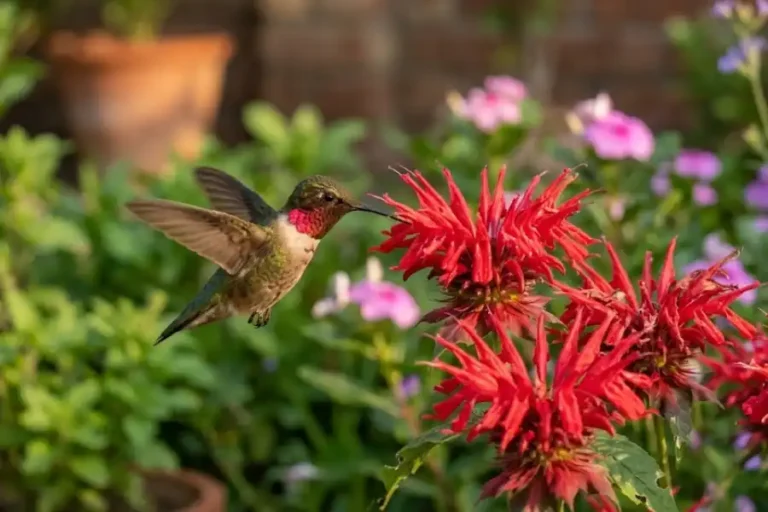
Here is the part many people do not know. A herb garden can feed birds too. Once basil goes to seed, goldfinches may stop by to eat it. One native plant gardener reports that finches bend parsley stems to eat the seeds. Fennel and other herbs also make seeds that birds like.
Birds also need insects, especially when they feed their babies. Project FeederWatch says plants bring in the insects that birds depend on. A herb patch full of bugs is a bird snack bar.
The downsides
- You wait. Herbs take weeks to grow.
- Caterpillars may eat your parsley.
- Flowering herbs can taste less sweet. Penn State Extension says herb leaves are not as good for cooking once the plant flowers.
- Plants need water and some sun.
What You Get From a Bird Feeder
Instant action
A feeder is the fastest way to see birds up close. You can watch from a window with your morning coffee. Kids love it. It also helps birds in hard weather and during migration, according to Audubon.
The downsides nobody puts on the box
Feeders come with real work and some real risks.
- Disease: Birds crowd together at feeders. Moldy seed and droppings can spread illness. Audubon lists house finch eye disease, salmonella, and avian pox as common problems.
- Cleaning: Cornell Lab suggests washing seed feeders about every two weeks. Do it more often in wet weather or when many birds visit.
- Mess: Colorado State University Extension warns that birds toss seed on the ground. That seed can sprout in your garden bed. It can also draw other animals that dig up plants.
- Cats: The U.S. Fish and Wildlife Service reports that cats kill about 2.5 billion birds a year in the U.S. and Canada. If cats roam your yard, think twice about a feeder.
One bird expert quoted by the Fish and Wildlife Service makes a bold point: wild birds do not truly need feeders. Plants can give them food and shelter. A feeder is a bonus, not a rescue plan.
What about bird flu?
Experts say the risk to wild songbirds is very low. Oregon State University Extension says there is no general call to take feeders down. The big exception is if you keep backyard chickens or other poultry. In that case, ask your local wildlife agency or vet what to do.
Herb Garden vs Bird Feeder: Head-to-Head
- Time: A feeder takes less time on day one. A herb garden takes more setup, but a feeder needs steady cleaning forever.
- Payoff speed: The feeder wins. Birds can show up quickly. Herbs need weeks.
- Usefulness: The herb garden wins. You can eat it.
- Safety for wildlife: The herb garden wins. Plants spread birds out, so sick birds do not crowd in one spot.
- Mess: The herb garden is cleaner. Feeders drop hulls and seed.
- Small spaces: It is a tie. Herbs grow well in pots, and a bird feeder for an apartment balcony can hang from a rail or window.
- Year-round value: A feeder works in winter. Herbs slow down in the cold, though some, like sage and thyme, hang on in many areas.
Which One Should You Choose?
- Choose an herb garden if you cook, you want something low-risk, or you have cats, pets, or small kids who might disturb a feeder.
- Choose a bird feeder if your main goal is bird-watching, you have a window view, and you will clean it on a schedule.
- Choose herbs first if you rent or have a tiny balcony. A few pots are cheap, easy to move, and quiet.
- Skip the feeder (for now) if you keep poultry, have many roaming cats, or know you will forget to clean it.
The Best Answer: Do Both the Smart Way
The herb garden vs bird feeder debate gets easy when you stop treating it as a fight. Here is a simple plan.
- Start with herbs. Plant basil, parsley, dill, and oregano in a sunny spot.
- Let some plants flower and go to seed. Cook with the rest. Bees get nectar and birds get seeds.
- Add the feeder second. Hang it away from your herb bed so spilled seed does not sprout in it. Colorado State University Extension suggests moving feeders away from the garden, or using a seed catcher.
- Add fresh water. A shallow dish or bird bath helps birds. Change the water often.
- Clean on a schedule. Set a phone reminder every two weeks.
- Move the feeder now and then. Georgia’s Department of Natural Resources says even a short move lowers disease risk.
Herbs That Help Wildlife (And Taste Great)
- Basil: Bees like the flowers. Birds may eat the seeds. African blue basil blooms all season, but many people find its smell too strong for cooking.
- Parsley: Feeds swallowtail caterpillars. Let some plants flower in their second year for finches and tiny pollinators.
- Dill: Another caterpillar plant. Its flower heads attract helpful insects.
- Bronze fennel: A wildlife favorite. It grows tall, so give it its own pot. One gardener advises not planting it next to dill or cilantro.
- Oregano and marjoram: Bee magnets when in bloom.
- Thyme, sage, lavender, and chives: Easy flowers that pollinators visit.
Mistakes to Avoid
- Putting the feeder right next to your herbs. Seed and animals will follow.
- Using a feeder as a replacement for plants. Birds need cover, nesting spots, and insects, along with seed.
- Skipping the scrub. Dirty feeders hurt birds. Use soap and water, or soak parts in a mix of one part bleach to nine parts water for ten minutes. Rinse well and let it dry.
- Spraying chemicals. Bug sprays kill the insects birds need and can harm bees.
- Cutting every flower. Leave a few. They are food for wildlife.
Frequently Asked Questions
Is an herb garden or a bird feeder cheaper?
An herb garden can start very cheap with seeds or small starter plants, and it gives you food back. A feeder costs money up front, and then you keep buying seed. Prices vary by store and brand, so compare before you buy.
Will birds eat my herbs?
Most birds go after seeds, not fresh leaves. Finches may eat basil and parsley seed once the plants flower. If you want to protect a plant, harvest it before it goes to seed.
Can a bird feeder hurt my garden?
It can. Spilled seed can sprout, and other animals may come to eat it and dig nearby. Place the feeder away from your beds.
Should I take down my bird feeder because of bird flu?
Not in most cases. Experts say the risk to wild songbirds is very low. If you keep poultry, check with your local wildlife agency first. Clean your feeders either way.
What is best for a small balcony?
Start with two or three herb pots. They are simple, quiet, and an easy way to begin growing an herb garden on a balcony. Add a small feeder later if you want more birds and can keep it clean.
Final Thoughts
If you want one winner in the herb garden vs bird feeder contest, the herb garden is the safer, more useful choice. It feeds you, helps bees and butterflies, and can bring in birds too. A bird feeder is a fun extra, but only if you keep it clean and place it with care.
So plant first. Let a few herbs flower. Then add the feeder and enjoy the show.