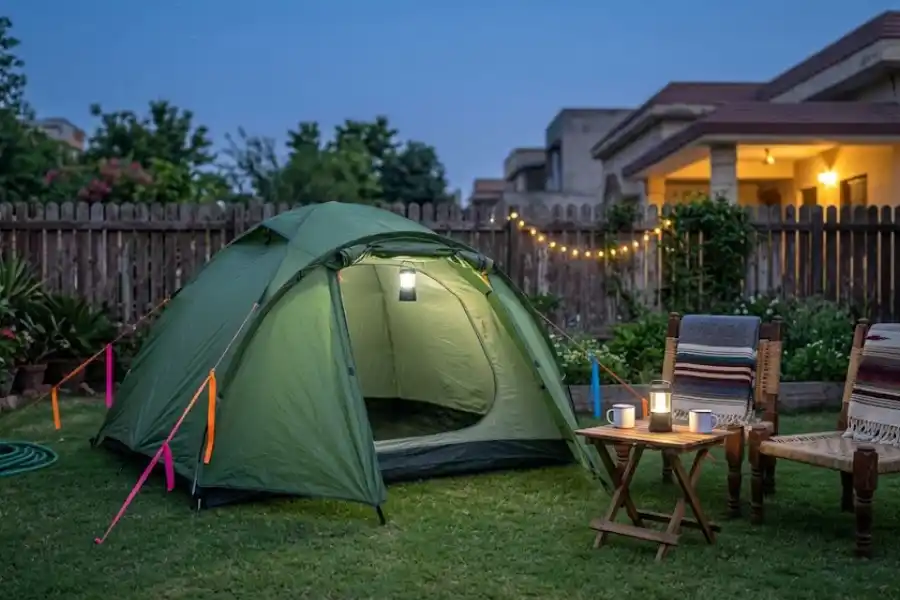
Garden Camping: How to Set Up, Stay Safe, and Sleep Well
You do not need a mountain, a long drive, or a campsite fee to spend a night under the stars. You only need a patch of grass and a good plan.
That is the beauty of garden camping. You pitch a tent in your own yard, cook outside, and sleep close to nature. Your bed, your bathroom, and your snacks stay just a few steps away.
But a great night does not happen by luck. Many first-timers wake up cold, itchy, or stuck in a soggy tent. This post helps you skip all that. It shows you how to check the rules, pick the right spot, pack smart gear, stay safe, and sleep well. Every safety tip here follows advice from trusted sources like the CDC, the National Weather Service, and the USDA.
What Is Garden Camping and Why Try It?
Garden camping means camping in your own garden or backyard. People in the United States often say “backyard camping,” but it is the same idea. You set up a tent, spend the night outside, and enjoy the camping life close to home.
It is for everyone, not only kids. Families, couples, and solo campers all love it. The reasons are simple:
- It is cheap. There are no site fees, no gas costs, and no booking months ahead.
- It is a safe test run. Try a new tent or sleeping bag before a big trip. If something goes wrong, your house is right there.
- It is great for beginners. New campers learn the basics without the stress. Many park agencies, like the Minnesota DNR, suggest a backyard test run before your first trip.
- It is easy to plan. You can go on a Tuesday night if you want. There is no traffic and no crowd.
Check These 6 Things Before Your Garden Camping Night
Most articles jump straight to gear. But a few quick checks can save you from fines, fires, and soggy surprises. Spend ten minutes on this list first.
- Check the fire rules. Laws differ from town to town. Some places ban fires during dry weather or when the air is smoky. Look at your local fire department’s website for burn bans and red flag warnings. Check the air quality at AirNow too. If you rent your home or live in an HOA, ask about its rules.
- Call 811 before you dig. Plan to dig a fire pit or hammer in long stakes? Call 811 first. The call is free, and it gets buried utility lines marked so you do not hit a pipe or cable.
- Turn off the sprinklers. Switch off timers and automatic systems. A surprise shower at 3 a.m. can end a camping night fast.
- Tell your neighbors. A quick heads-up about smoke, lights, and noise goes a long way.
- Look at the forecast. Check the wind, rain, and storms. A tent does not protect you from lightning. The National Weather Service says to go indoors when thunder is close.
- Make a backup plan. Agree ahead of time that going inside is okay. This one rule makes the night far less stressful, especially for kids.
How to Pick the Best Spot for Garden Camping
Where you pitch matters more than what you pitch. Look for a spot that is:
- Flat and clear. Remove sticks, rocks, and pinecones. They feel much bigger at midnight.
- Dry. Skip low spots where rain pools. Gentle high ground is best.
- Away from dead branches. Wind can drop them without warning. Do not set up under weak limbs.
- Away from the yard edge. The CDC says ticks hide in brush, leaf piles, and woody edges. Stay near the middle of a mowed lawn when you can.
- Far from the fire and flowerbeds. Keep the tent well away from the fire pit and grill. Also keep it off your plants and veggie beds.
- Close to the house. Short trips to the bathroom keep everyone happy.
Camping with kids? Let them help choose the spot. When kids pick, they feel like part of the plan, and they get more excited.
Garden Camping Gear Checklist
Good news: you likely own half of this garden camping gear already. Start with the basics and add extras only if you want them.
What You Need
- A tent: Pick one made for one or two more people than you have. Extra room helps.
- A sleeping pad or air mattress: This matters more than you think (more on this below).
- Sleeping bags or warm blankets: Bring pillows from home.
- Lights: Bring a lantern and a flashlight or headlamp for each person.
- Chairs and a blanket: You need a place to sit that is not the ground.
- Bug spray: Choose an EPA-registered one.
- Water and snacks: Pack more than you think you need.
- A trash bag: Leave your yard as clean as you found it.
Nice Extras
- Battery string lights or solar garden lights, so you do not need extension cords
- A small folding table
- A fire pit, grill, or camp stove (used outside only)
- A projector and a white sheet for movie night
- A thermos for hot chocolate or tea
- Earplugs and an eye mask
Budget Tip
You do not have to buy everything. Borrow a tent from a friend or rent gear from an outdoor store. Use your first night of garden camping to learn what you really need. Then buy only those things.
Safety rule: Never use a grill, camp stove, or heater inside your tent. These can fill the tent with carbon monoxide, a gas you cannot see or smell. Cook outside and keep flames far from the tent.
How to Set Up Your Garden Camping Site Step by Step
- Start early. Pitch the tent in daylight so you can fix problems easily.
- Lay a ground tarp. Put it under the tent. Fold the edges in so they do not stick out. Otherwise, rain can run under your tent.
- Pitch and stake the tent. Push the stakes in firmly. Tie bright ribbon to the ropes so no one trips in the dark.
- Build the beds. Put the pads down first, then the sleeping bags, then the pillows.
- Make a living area. Set up chairs, a table, a lantern, and a cooler near the tent. It becomes a small outdoor entertaining area for meals and games.
- Set up the fire zone (only if allowed). Use a flat, clear spot such as a paver patio, gravel, or bare dirt. Keep a bucket of water or a hose close by.
- Do a final walk. Put a flashlight by each bed and check that the path to the house is clear.
How to Sleep Well During Garden Camping (What Most Articles Skip)
This is where many garden camping trips fall apart. The fun is great. The sleep is not. Here is how to fix it.
- Block the cold from below. Even on warm nights, the ground pulls heat from your body. A sleeping pad helps most. Look for the “R-value” on the label. It shows how well a pad blocks cold. A higher number means more warmth. A plain air mattress can still feel chilly, so add a blanket under you.
- Dress in layers. Nights get cooler than you expect. Wear dry socks and a hat.
- Let the tent breathe. Open a vent or window a little. Fresh air cuts down on damp walls inside.
- Cut noise and light. Yards are not silent. Earplugs and an eye mask help.
- Keep a normal bedtime routine. Brush teeth, read a story, and go to bed near your usual time.
- Skip screens before bed. Phone light can keep your brain awake.
Garden Camping Food Ideas
Food is half the fun. Keep the menu simple so you can enjoy the night.
If You Can Have a Fire
- Foil packet dinners with chicken, potatoes, and veggies
- Hot dogs or sausages on sticks
- S’mores for dessert
- Hot chocolate by the fire
If You Cannot Have a Fire
- Burgers or kebabs on the grill
- Pasta or soup on a camp stove
- No-cook picnic food like wraps, fruit, and trail mix
- Pancakes on a griddle for breakfast
Keep food safe, too. Keep cold food at 40°F or below. The USDA says not to leave perishable food out for more than two hours, or one hour if it is above 90°F. Learn more at FoodSafety.gov. At night, seal your food and trash. Raccoons and other critters visit yards more often than you think.
Fun Things to Do During Garden Camping
For Kids
- Flashlight scavenger hunts
- A “hike” around the block to spot birds and bugs
- Shadow puppets on the tent wall
- Campfire stories (spooky, but not too scary)
- A bedtime book, like Bailey Goes Camping by Kevin Henkes
For Adults and Couples
- Stargazing: turn off outside lights and wait about 20 minutes. Your eyes will adjust, and more stars will appear.
- An outdoor movie on a sheet
- Card games or board games by lantern light
- Coffee at sunrise
For Solo Campers
- Journaling or reading by lantern
- A phone-free evening
- Quiet time to listen to the night sounds
Garden Camping Safety: Bugs, Ticks, and Critters
Your yard is not bug-free just because it is yours. The CDC says many people pick up ticks right at home. Use this simple plan:
- Use repellent. Pick an EPA-registered product, such as one with DEET or picaridin. Follow the label and check its age limits for kids. Citronella candles on the table add a pleasant glow, but treat them as a bonus, not as protection.
- Cover up at dusk. Mosquitoes are most active at dawn and dusk. Long sleeves and pants help.
- Treat clothes with permethrin. The CDC suggests 0.5% permethrin on clothing and gear. Use it on clothes only, never on skin, and do it ahead of time.
- Mow first. Cut the grass and rake leaf piles before you camp.
- Do a tick check in the morning. Look at the scalp, ears, underarms, belly button, waist, and behind the knees. Check kids and pets too.
- Shower and dry your clothes. Showering soon after being outside helps. A hot dryer kills ticks that may be hiding in your clothes.
A Simple Night Plan for Garden Camping
A loose schedule keeps the night smooth. Use this one as a starting point.
- 4:00 p.m.: Pitch the tent and set up camp.
- 5:30 p.m.: Play games and snack while the sun is still up.
- 6:30 p.m.: Cook and eat dinner.
- 8:00 p.m.: Light the fire if it is allowed. Tell stories and roast treats.
- 9:30 p.m.: Put out the fire. Pour water, stir the ashes, and pour again until it is cold to the touch. Then turn off bright lights and stargaze.
- 10:30 p.m.: Brush teeth, use the bathroom, and get into bed.
- 7:30 a.m.: Make breakfast, do a tick check, and pack up.
Common Garden Camping Mistakes to Avoid
- Skipping the test run. Pitch your tent once in daylight before the big night.
- Using no pad. A cold back ruins sleep fast.
- Packing too little light. Yards get very dark when the porch light is off.
- Ignoring the weather. Check the forecast the day before and again an hour before.
- Leaving food out. It draws bugs and animals.
- Lighting a fire on a windy night. One spark can travel far.
- Trying to rough it too hard. The goal is fun. Bring the good pillow.
Frequently Asked Questions
Is garden camping safe?
Yes, for most people it is. Your home is close, and you know the space. Still, follow the basics. Check fire rules, keep stoves outside, watch the weather, and guard against ticks and mosquitoes.
Can I have a campfire during garden camping?
Maybe. Rules depend on your city, county, state, and the season. Ask your local fire department. If a fire is allowed, use a proper fire pit, keep water close, and never leave it alone. If fires are not allowed, try a battery lantern or a grill.
Do I need permission to camp in my own yard?
Usually not for a simple tent. But renters and HOA members should check their rules first. Noise and fire rules may still apply.
What if it rains during garden camping?
Light rain is fine if your tent has a rain fly and the seams are in good shape. Pitch with the fly on and keep gear off the tent walls. If you hear thunder, go inside right away.
What age can kids try garden camping?
Many parents start with toddlers because help is close. The right age depends on your child. Start with a short evening and let them decide when they are ready for the full night.
How much does garden camping cost?
It can cost almost nothing if you borrow gear. Buy only what you need after your first night.
Final Thoughts
Garden camping proves that adventure does not need a long drive. With a little planning, your backyard can feel like a real campsite. Check the rules, pick a flat spot, and pack warm bedding. Keep the plan simple, and keep a backup plan.
So pick a night this week. Check the forecast, grab a tent, and invite someone along. Then tell us how it went in the comments. Your next garden camping story might help another camper get started.