Garden Mums: How to Plant Them So They Come Back Every Year
You bring home a pot full of fall color. It looks great on your porch. In November, you plant it in the yard, feeling proud. Then spring comes, and nothing grows back.
This happens to a lot of gardeners, and it is rarely your fault. Most people buy the wrong kind of mum or plant it at the wrong time. This article fixes both problems. It shows you how to spot real garden mums, when to plant them, and how to care for them so they bloom again next fall.
Quick answer: Hardy garden mums can come back every year in USDA zones 5 to 9. Plant them in spring for the best odds. If you plant in fall, do it at least six weeks before the ground freezes, then cover the plants with mulch.
What Are Garden Mums?
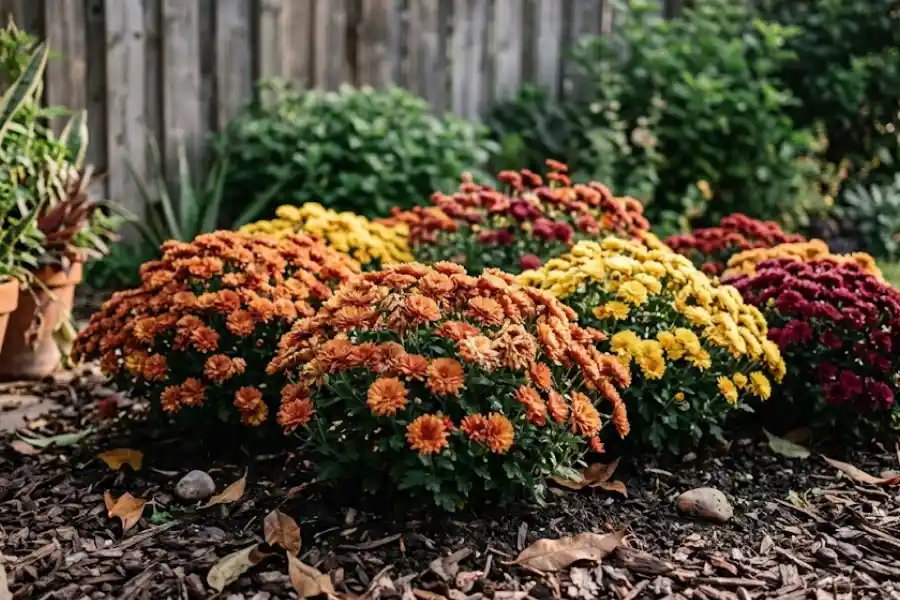
Garden mums are hardy chrysanthemums. Some people call them hardy mums. They belong to the daisy family, and they are bred to live outside through winter. They bloom in late summer and fall, just when many other flowers fade. That is why gardeners call them the queen of the fall garden.
Mums have a long history. Growers in China raised them as a food herb more than 2,000 years ago. Today you can find them in yellow, orange, red, purple, pink, bronze, and white. Some have tight, round flowers. Others have loose, daisy-like petals.
Garden Mums vs. Florist Mums: Which One Did You Buy?
This is the step most articles skip, and it matters the most. Stores sell two main kinds of mums.
- Garden mums are bred for the outdoors. They grow strong roots and send out underground runners. Those runners help the plant live through cold winters.
- Florist mums are bred for show. Growers force them to bloom on a set date. They have weaker roots and few runners, so they often die in the ground.
How can you tell which one you have? Start with the plant tag. A good tag lists a variety name and a hardiness zone. A name like ‘Ruby Mound’ is a good sign. If the tag just says “fall mum,” treat the plant like a florist mum. You can also ask the staff at your garden center. They usually know.
Do Mums Come Back Every Year?
They can, but not always. Three things decide the answer: the type of mum, the planting time, and your climate.
Most hardy mums grow well in USDA zones 5 to 9. A few tough kinds survive in zone 4. Not sure about your zone? Look it up on the USDA Plant Hardiness Zone Map.
Timing matters just as much. Virginia Cooperative Extension says that large, showy mums planted in the ground after they finish blooming in fall are unlikely to survive the winter. Their roots do not have enough time to grow. You can read the full advice in this extension article.
You can guess your odds like this:
- Best odds: a named hardy variety planted in spring.
- Good odds: a named hardy variety planted in early fall, with six or more weeks before the ground freezes.
- Low odds: a florist mum, or any mum planted late in a cold area.
When to Plant Garden Mums
Spring is the best time. A spring-planted mum has the whole summer to build strong roots. It will be much tougher when winter arrives.
Fall planting can work too. The rule is simple: get garden mums into the ground at least six weeks before the ground usually freezes. In cold areas, that means late August or early September. In warmer areas, October planting often works fine.
Bought your mums later than that? Skip ahead to the rescue plan section.
How to Plant Garden Mums Step by Step
- Pick a sunny spot. Mums are full sun plants, so they need at least six hours of direct sun. Many people miss this tip. A spot that looks sunny in fall may be shady in summer, when the trees have leaves. Think about the whole year before you dig.
- Check the drainage. Mums hate wet roots. If water sits in the spot after rain, choose another place or use a raised bed.
- Loosen the soil. Mix in some compost. Mums are happiest in rich soil that drains well.
- Dig the hole. Make it a little wider than the pot and the same depth as the pot.
- Wake up the roots. Slide the plant out of the pot. Gently rough up the root ball with your fingers. This helps the roots spread into the new soil.
- Set the plant in the hole. The top of the root ball should be level with the ground. Leave about two feet between plants, because mums grow wider than you expect.
- Water well. Give the plant a long, slow drink right away.
- Add a thin layer of mulch. This helps the soil stay moist.
How to Care for Mums: Water, Food, and Cleanup
Water
Mums like steady moisture. Give them a long, slow soak once or twice a week, and more often in hot, dry weather. Pour the water at the base of the plant, and do it in the morning if you can.
Do not let mums wilt. A good soak may save the plant, but wilting can shorten the life of the flower buds and dull their color. Keep watering until the first hard frost.
Food
A few weeks after spring planting, add a balanced granular fertilizer. Feed again lightly in early summer. Stop feeding once buds start to show color.
Cleanup
Clip off faded flowers on established plants. This keeps the plant tidy and can help new buds open.
How to Pinch Mums for More Flowers
Pinching is the secret to full, bushy plants. Without it, mums grow tall and floppy, with fewer blooms. It only takes a minute.
- Wait until new shoots are about six inches tall in spring.
- Pinch off the top inch of each stem with your fingers or small snips.
- Repeat every few weeks as the plant grows.
- Stop in early July in cold areas, or by mid-July in warm ones. If you pinch later, you will remove the buds that turn into fall flowers.
Is your plant already tall and leggy? Adams Farms suggests cutting a plant that is 12 to 18 inches tall down to three or four leaves above the base, around the Fourth of July. You can read their mum tips here. The plant will grow side branches and make more flowers.
How to Grow Mums in Pots
Pots are a great way to show off mums, but they need a little extra attention.
- Use drainage holes. Never let the pot sit in a dish of water.
- Check the soil daily in warm weather. Pots dry out much faster than garden beds. Push a finger into the soil. If the top inch is dry, it is time to water.
- Keep them cool. Cooler spots help the flowers last longer.
- Pick plants with lots of buds. When you shop, choose pots with many tight buds and only a few open flowers. The show will last for weeks.
- Repot if the roots are crowded. If roots circle the bottom of the pot, move the plant to a bigger one.
Once your mums settle in, you can mix them with other plants using these container garden ideas for a fuller fall display.
How to Protect Mums in Winter
For mums in the ground
- Keep watering until the first hard frost.
- After the frost, spread about two to three inches of loose mulch over the plants. Chopped leaves and pine needles work well.
- Leave the dead stems in place. They help protect the base of the plant.
- In spring, cut the old stems back when new shoots appear.
- Pull the mulch away after the last frost. Gardeners have an old trick for this: when the forsythia bushes bloom, it is time to remove the mulch.
For mums in pots
A pot freezes through more easily than the ground. In cold areas, move the pot to an unheated garage or shed. The spot should be cold and dark, but above freezing. Water just enough to keep the soil from drying out completely. Move the plant back outside after the last spring frost.
Bought Garden Mums Late? Try This Rescue Plan
It is October, and you just brought home a beautiful mum. Do not worry. You have three choices.
- Enjoy it as a fall decoration. Treat it like an annual. A pot by the door or steps looks great, and these front patio decor ideas can help you style the space. Any plant you keep alive is a bonus.
- Keep it in the pot over winter. Store it in a cold, dark place, as described above. Plant it in the ground in spring. Virginia Cooperative Extension suggests this as a safe option.
- Plant it now and hope. Do it as early as you can. Choose a spot with good drainage, rough up the roots, water well, and add a thick layer of mulch after the ground starts to freeze. Your odds are lower, but some plants do make it.
If your mums do return, dig them up and divide them every two to three years in spring. This keeps the plants strong and full.
7 Common Mistakes to Avoid
- Buying a florist mum and expecting it to act like a perennial.
- Planting too late in fall.
- Choosing a spot with soggy soil.
- Skipping the pinching in spring and early summer.
- Letting pots dry out.
- Forgetting the winter mulch.
- Never dividing crowded clumps.
Where to Use Mums in Your Yard
Think about height when you plan your garden. Short, mounded mums look lovely along walkways, borders, and slopes. Taller kinds work well in the middle or back of a bed. For a rich fall look, pair mums with asters, sedum, and ornamental grasses. Mums also work well when landscaping around a patio, because you can enjoy their color up close.
Are Mums Safe for Pets?
Not really. The ASPCA lists chrysanthemums as toxic to dogs, cats, and horses. If a pet chews on the plant, it may drool, vomit, or get an upset stomach. Keep pots out of reach, and call your vet if your pet eats any part of a mum.
Frequently Asked Questions
Are garden mums perennials?
Yes. True garden mums are perennials that can return each year in the right climate zone. Florist mums usually act more like annuals outdoors.
Do garden mums need full sun?
Yes. They grow best with at least six hours of direct sun each day. Less light means fewer flowers and weaker plants.
Can mums grow in pots all year?
They can, but pots offer less protection from the cold. In cold zones, move the pot into an unheated garage or shed for winter.
Should I cut back mums in fall?
Most gardeners wait until spring. The old stems help protect the plant over winter. Cut them back when new green shoots appear at the base.
How long do mums bloom?
Mums bloom for several weeks. Cool weather helps the flowers last longer. You can also pick plants with lots of unopened buds when you shop.
Why are my mums wilting?
Thirst is the most common reason, especially for mums in pots. Check the soil with your finger. If the soil is dry, water slowly and well. If the soil is soggy, the roots may be rotting, so let it drain and dry out a bit.
Final Thoughts
Garden mums are not hard to grow, but they do need a good start. Buy a named hardy variety. Plant it in spring if you can. If you plant in fall, do it early and add mulch before winter. Pinch in early summer, water often, and give the plants a sunny home.
Do these few things, and your mums can keep going for many seasons. They will greet you with fresh color every fall.