Wrought Iron Garden Chairs: Buying Guide, Costs & Care
Walk into any garden that has been loved for twenty years, and you will probably spot at least one wrought iron chair still standing strong. Plastic chairs crack. Wicker frays. But wrought iron garden chairs just sit there, year after year, looking better with a little age on them. There is a reason this material has survived every furniture trend since the Victorian era, and it is not simply nostalgia.
This article covers everything you need to know before buying wrought iron garden chairs: what the material is, how to pick the right style, what it costs, and the maintenance tricks that keep rust away for good. No fluff, no sales pitch, just the straightforward details most furniture sites skip.
What “Wrought Iron” Means Today
Here is something most garden furniture stores will not tell you. True wrought iron, the kind hammered and shaped by hand by a blacksmith, is almost impossible to find in new furniture today. What gets sold as wrought iron garden chairs in most stores is mild steel, cut, bent, welded, and finished to look like the traditional hand-forged style.
This is not a scam. It is simply how manufacturing has changed. The good news is that quality mild steel furniture looks and performs almost identically to the real thing, at a fraction of the price. The one place the difference matters is rust resistance. Genuine wrought iron has a slightly better natural resistance to corrosion because of its low carbon content and fibrous grain pattern. Mild steel needs a strong protective coating to match that same durability. If you ever come across a set advertised as “antique” or “genuine hand-forged,” it may well be the real deal, and it will usually cost more.
The Real Pros and Cons of Wrought Iron Garden Chairs
Every material has trade-offs. Here is a straightforward breakdown before you commit.
What You Gain
- Serious durability. A well-made set of wrought iron garden chairs can last decades, often outliving the person who bought it.
- Stability in wind. The weight that makes iron chairs harder to move is the same weight that keeps them from tipping over during a storm.
- Classic design. Scrollwork, floral patterns, and curved backs give a garden character that plastic and resin simply cannot copy.
- Recyclable material. Iron can be melted down and reused indefinitely, which matters if you care about sustainability.
What You Give Up
- Rust risk. This is the single biggest drawback. Even powder-coated finishes will eventually rust if the coating gets scratched or chipped.
- Weight. Rearranging your patio for a party is not a quick job with iron furniture.
- Cold surface. Metal holds temperature, so these chairs can feel icy in early spring and hot to the touch in peak summer sun.
- Higher upfront cost compared to plastic or basic resin seating.
How to Choose the Right Wrought Iron Garden Chairs
Not all wrought iron garden chairs are built the same. Before you buy, think through these five things.
1. Check the Finish, Not Only the Look
Powder coating is currently the most reliable finish for outdoor iron furniture. It seals the metal far better than standard paint and resists chipping. If a listing does not mention the finish type, ask before buying. This one detail decides how much rust maintenance you will deal with later.
2. Match the Style to Your Garden
Wrought iron garden chairs generally fall into a few style families:
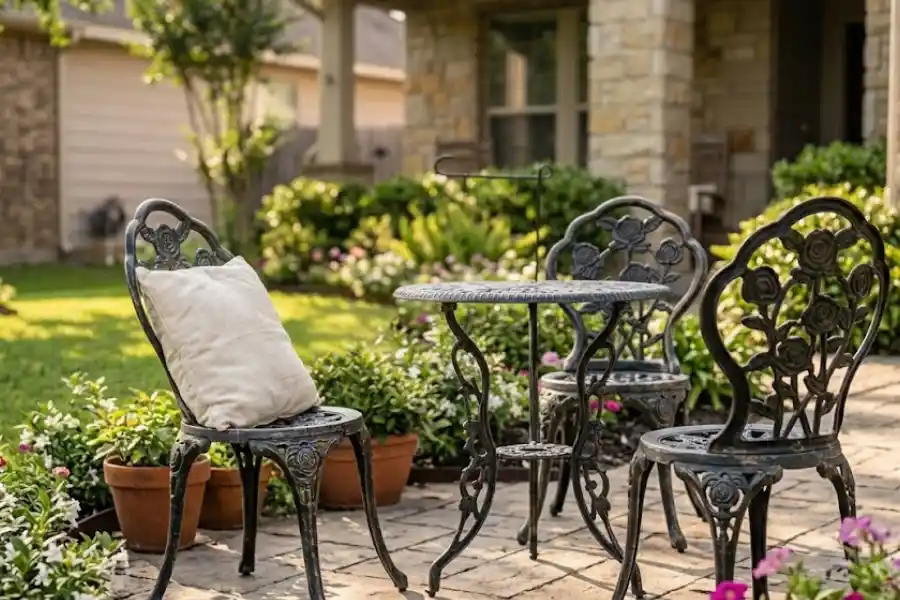
- Victorian or scrollwork style with detailed curves and floral shapes, best for cottage or classic gardens
- French bistro style with a round mesh back, ideal for compact patios or paired alongside an outdoor loveseat in larger seating areas
- Modern minimalist style with clean lines and a flat black finish, suited to contemporary outdoor spaces
- Rocking chair style for a relaxed porch or garden corner
3. Test the Weight Capacity
Most wrought iron patio chairs list a weight limit somewhere between 250 and 300 pounds. Check this figure directly rather than assuming, since it varies quite a bit between brands and designs.
4. Decide on Cushions Early
Bare iron looks elegant but is not always comfortable for long sitting. If you plan to add cushions, look for chairs with a slightly wider seat and check whether the manufacturer sells matching cushion covers, since custom shapes can be hard to find later.
5. Think About Your Climate
If you live somewhere humid or near the coast, rust will move faster. That does not mean you should avoid wrought iron garden chairs entirely, it just means you will need a more consistent care routine, which we cover below.
Wrought Iron vs. Aluminum vs. Steel vs. Teak
If you are still deciding between materials, here is a quick, straightforward comparison.
- Wrought iron: Heaviest, most stable, most detailed designs, but needs the most rust care.
- Cast aluminum: Lighter, rust-resistant, similar decorative style to iron, but less sturdy in strong wind.
- Steel: Affordable and solid for stationary pieces, but rusts quickly without a powder-coated finish.
- Teak wood: Naturally weather-resistant and low maintenance, but pricier and lacks the ornate look of iron.
If your garden is exposed to strong wind or you love the intricate, old-world look, wrought iron garden chairs are hard to beat. If low maintenance matters more than looks, aluminum is worth a closer look instead.
How Much Do Wrought Iron Garden Chairs Cost?
Prices vary widely based on craftsmanship and finish quality:
- Budget range ($80 to $150 per chair): Mass-produced mild steel, basic powder coating, simple design
- Mid-range ($150 to $350 per chair): Better coating durability, more detailed scrollwork, name-brand manufacturers
- Premium range ($350 and up): Hand-finished detailing, thicker gauge metal, sometimes genuine antique or vintage pieces
Buying a full set instead of single chairs often works out cheaper per chair, so it is worth comparing bundle pricing before purchasing separately.
How to Care for Wrought Iron Garden Chairs
This is the part most buyers skip, which is why so many wrought iron patio chairs end up rusted within a couple of years. The routine is simple, it just needs consistency.
Regular Cleaning
Wash the chairs every few weeks with warm water and mild dish soap. Use a soft cloth or sponge, avoid anything abrasive, and rinse thoroughly. Dry the chairs completely afterward, since trapped moisture is the main trigger for rust.
Rust Prevention
Inspect the chairs regularly, especially joints and curved details where water tends to collect. If you spot a chip in the paint or coating, treat it immediately rather than waiting. A small chip left untreated can turn into a much bigger repair within a season.
Fixing Rust When It Appears
- Sand the rusted area lightly with fine-grit sandpaper or a wire brush until the surface feels smooth.
- Wipe away all dust with a clean, dry cloth.
- Apply a rust-inhibiting primer to the sanded area.
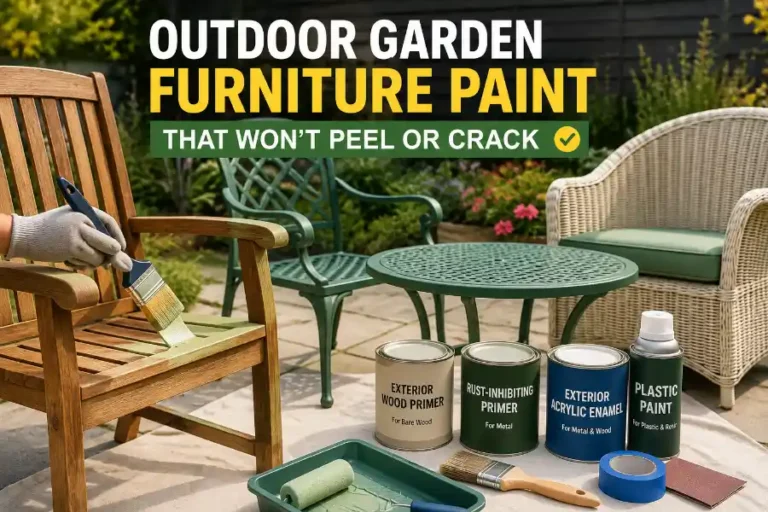
- Finish with a matching outdoor garden furniture paint once the primer is fully dry to seal the bare metal against future moisture.
Wrought iron is durable, but its one weakness is always rust. Treat rust the moment you see it, and your chairs will genuinely last a lifetime.
Seasonal Storage
If you live somewhere with harsh winters, move your wrought iron garden chairs into a garage, shed, or covered space during the coldest months. Even a simple waterproof cover during winter can add years to their life.
Are Wrought Iron Garden Chairs Right for You?
Wrought iron garden chairs make the most sense if you want furniture that stays put in windy conditions, you appreciate detailed, classic design, and you do not mind a small amount of seasonal upkeep. They are less ideal if you rearrange your outdoor space often, live in a very humid or coastal climate and want zero maintenance, or need to move furniture frequently for storage.
For most gardens, though, the trade-off is worth it. A good set, properly cared for, will still be standing strong long after cheaper alternatives have been thrown out.
Frequently Asked Questions
Do wrought iron garden chairs rust easily?
They can, especially if the protective coating gets scratched or chipped. With regular cleaning and quick touch-ups on any chips, rust can be kept under control for many years.
Is wrought iron better than aluminum for outdoor chairs?
It depends on your priorities. Wrought iron offers more stability and detailed design, while aluminum is lighter and more rust-resistant with less upkeep.
Can wrought iron garden chairs stay outside all year?
Yes, but in areas with harsh winters or heavy rain, storing them indoors or under a cover during the off-season will significantly extend their lifespan.
How long do wrought iron garden chairs last?
With proper care, a well-made set can easily last twenty years or more, and many vintage pieces from decades ago are still in use today.
Are wrought iron chairs comfortable without cushions?
Some designs are comfortable enough for short periods, but most people add a seat cushion for longer sitting, especially on scrollwork or mesh-style chairs.