People Planters: Charming Whimsical Décor for Home and Garden
A plain pot holds a plant. A people planter holds a small story. These fun pots are shaped like heads, faces, or tiny seated figures, and each one has its own look. Set one on a windowsill, a porch step, or a garden bed, and it turns a quiet spot into something worth a second look.
If you love plants but want your space to feel more like you, this style of planter is one of the easiest ways to add that touch. This piece walks through what they are, where to use them, how to pick a good one, and how to keep the plant inside happy.
What Is a People Planter?
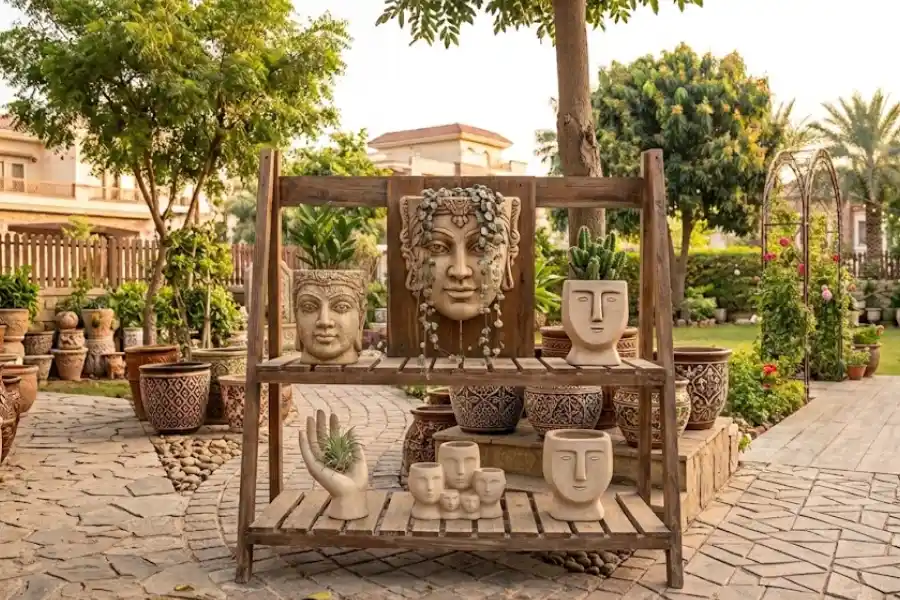
A people planter is a pot shaped like a human head, face, or full body. Most are made from ceramic, resin, or cast stone. The plant sits inside an opening, often on top of the head, so leaves or vines look like hair growing out.
Some show a full seated figure, arms wrapped around their knees, with a small pocket for a succulent. Others are flat, wall-hung faces that work more like garden art than a pot. No matter the style, each piece tends to carry its own expression, so two figures from the same maker rarely look the same.
Why This Style Has Become So Popular
Plant lovers wanted more than a plain terra cotta pot, and people planters filled that gap. A face with a raised eyebrow or a closed-eye smile gives a plant a bit of personality. That makes it easy to talk about, easy to gift, and easy to remember.
They also fit the small-space trend. Many of these pots are compact, so they suit a desk, a shelf, or a windowsill just as well as a garden bed. Small potters and home decor shops now sell dozens of styles, from calm meditating faces to playful cartoon-like heads, which gives shoppers plenty of choice at almost any price point.
Types of People Planters to Choose From
- Head planters: A face with an open top, so a plant “grows” out like hair.
- Sitting figure planters: A small full body in a relaxed pose, often called a “seated person” planter.
- Wall face planters: Flat-backed faces made to hang on a fence, wall, or door.
- Custom or personalized figures: Shaped or painted to look like a real person, popular as gifts.
- Family or couple sets: Two or more matching figures grouped together on a shelf or table.
Each type works a little differently in a room or yard, so it helps to picture where the piece will sit before you buy.
Best Places to Use One
A small head planter looks right at home on a desk or windowsill, holding an air plant or a tiny succulent. A taller, weatherproof figure can act as a focal point in a flower bed or near a front step, in the same way a small garden sculpture draws the eye across a yard.
Try grouping two or three head planters on a bookshelf or mantel for a bit of quiet charm. On a porch, a single seated figure next to a chair adds warmth without taking up much space. In an office, one small piece on a desk gives visitors something to smile about and start a conversation over.
How to Choose the Right People Planter
Material matters first. Ceramic pieces look smooth and detailed but usually belong indoors, since freezing weather can crack them. Cast stone or resin figures handle rain, sun, and cold much better, which makes them a safer pick for a porch or garden. In my own yard, a resin figure made it through three winters without a single crack, while a ceramic one chipped after just one hard freeze. If you already like a bold animal-shaped piece such as a brass swan planter, the same rule applies. Check the material before you leave it out in the weather.
Size should match the plant and the spot. A 5 to 6 inch head planter suits a small succulent or air plant. For a garden focal point, look at pieces closer to 12 inches or more, similar in scale to other tall outdoor planters.
Check for drainage. Some pieces have a small hole at the base or back; others do not. A planter without drainage still works, but only as a decorative cover pot around a plastic nursery pot, not for direct planting.
Common Mistakes to Avoid
- Overwatering a pot with no drain hole. Water can sit at the bottom and rot the roots within days.
- Choosing ceramic for a cold porch. A hard freeze can crack a ceramic face right through the middle.
- Picking a planter too small for the plant’s roots. A succulent may fit fine, but a leafy plant will outgrow a tiny head planter fast.
- Forgetting to check the weight. Cast stone figures are heavy and hard to move once filled with soil, so pick a final spot before you plant.
Caring for the Plant Inside
Because many of these pots are small and sometimes lack drainage, the easiest plants to grow in them are tough ones. Succulents, air plants, and small pothos cuttings all do well.
A few quick tips:
- Water lightly. A small pot dries out fast but also holds extra water if there is no drain hole, so a light splash beats a heavy pour.
- Give it bright, indirect light indoors. Direct sun through glass can scorch leaves resting close to a window.
- Turn outdoor figures now and then so the plant grows evenly instead of leaning toward one side.
- If there is no hole, add a layer of small pebbles at the bottom before the soil. This gives extra water somewhere to go besides the roots.
Fun Ways to Style Them at Home
Group three different poses together, a sitting figure, a head planter, and a small wall face, and let them act like a little family on a shelf. Mix in a few fairy garden accessories for a whimsical scene that feels playful rather than plain.
Outdoors, place a seated figure near flower beds so it peeks out between the blooms rather than standing in the open. Pair it with a garden ornament in a different shape, since variety in texture and material tends to look more natural than a row of matching pieces.
A piece like this also makes an easy, personal gift. Add a small plant already growing inside, tie on a short note, and hand it over. It costs little but tends to be remembered longer than a card.
Frequently Asked Questions
Are people planters good for succulents?
Yes. Succulents need little water and shallow soil, which fits the small size of most of these pots well.
Can I keep one outside all year?
It depends on the material. Cast stone and resin figures handle outdoor weather better than ceramic, which can crack in a hard freeze.
Do people planters need drainage holes?
Not always. Some are made as cover pots without a hole. In that case, keep the plant in its own small pot and set it inside the figure.
Where can I buy people planters?
Small pottery studios, home decor shops, garden centers, and online craft marketplaces all carry them, often in many sizes and expressions.
Can I personalize one?
Many makers offer custom color, pose, or even a face shaped to look like a specific person, which makes them a popular personalized gift.
Final Thoughts
A people planter is a small change that makes a big difference in how a room or garden feels. It turns an ordinary spot into something with a bit of character, whether you set one lone head planter on a desk or line up a whole family of figures along a garden path. Pick a material suited to where it will live, match the size to the plant, and the rest comes down to which face makes you smile.