Garden Art Sculpture: 21 Ways to Transform Your Yard
Some pieces are functional, like sculptural birdbaths. Others exist purely to be looked at.
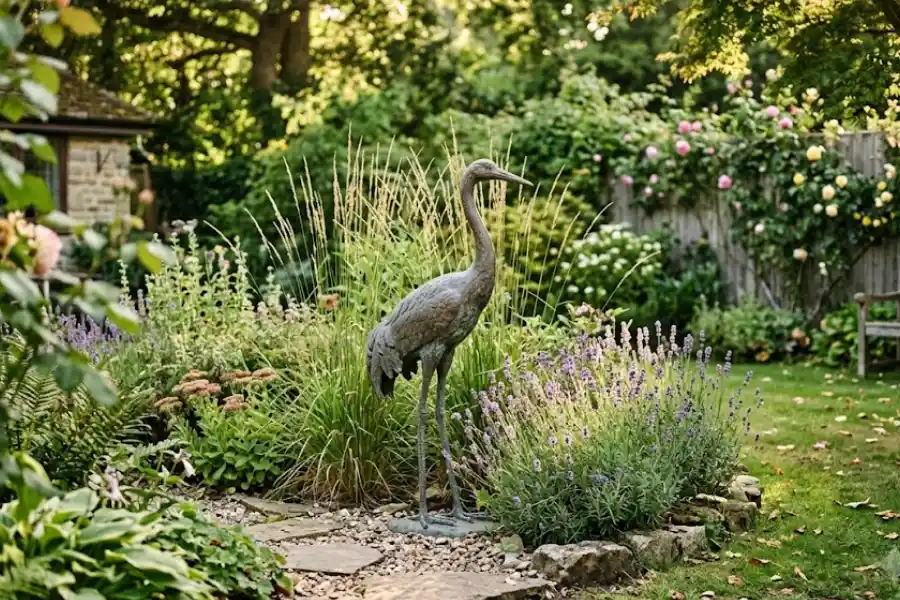
Walk into most backyards and you’ll see the same things. A patio. Some chairs. Maybe a grill. Now picture walking into a backyard with a bronze heron standing in the flower bed, or a spiral metal sculpture catching the evening light. Which one do you remember? Garden art sculpture is the easiest way to turn an ordinary yard into a space people actually talk about.
This article covers everything you need to know: the types of garden sculptures available, how to pick the right one, where to place it, and even how to make your own. By the end, you’ll know exactly what to look for and what to avoid.
What Is Garden Art Sculpture
Garden art sculpture is any three-dimensional piece of art made to live outdoors. That includes metal birds, stone statues, glass spheres, and even abstract shapes that don’t look like anything at all. The point isn’t to copy nature. It’s to add a focal point that draws the eye and gives your garden personality.
Some pieces are functional, like sculptural birdbaths. Othero be looked at. s exist purely tEither way, the goal is the same: give your outdoor space a moment of surprise.
Why Garden Sculptures Make Such a Big Difference
A garden full of plants alone can start to feel flat, especially in winter when flowers fade. Sculpture solves that problem. It stays interesting all year, in every season, in any weather.
There’s also a simple design reason this works. Gardens are made of soft, organic shapes: leaves, branches, blooms. A sculpture, especially one with clean lines or a strong shape, creates contrast. That contrast is what makes a space feel designed instead of just planted.
Sculptures also act as anchors. They give your eye a place to land first, which makes the whole garden feel more organized, even if the planting itself is wild and informal.
8 Types of Garden Art Sculptures (And Which One Fits Your Style)
Not all garden sculptures are built the same way. The material changes the look, the price, and how long it will last outside. Here’s a breakdown of the most popular options.
1. Metal Sculptures
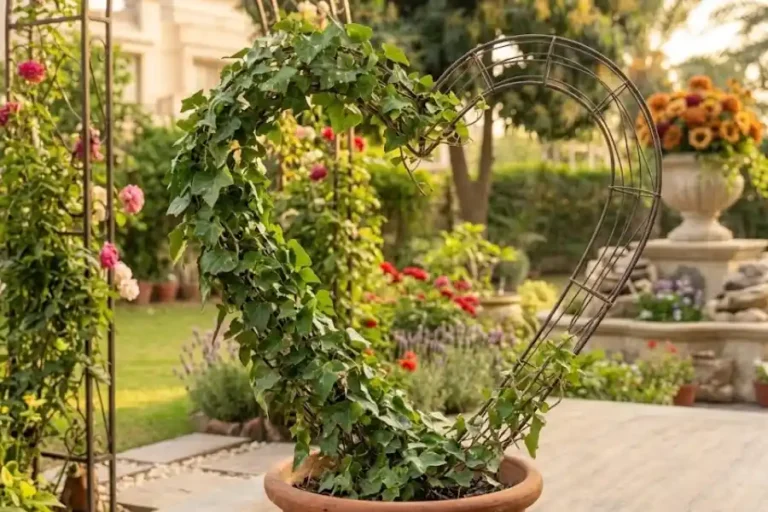
Metal is the most popular choice for good reason. It can be shaped into anything, from realistic animals to bold abstract forms. Recycled metal pieces, often handcrafted, are especially popular because no two are exactly alike. Metal also develops a natural patina over time, which many gardeners actually prefer.
2. Stone and Cast Stone Statues
Stone sculptures feel permanent. They’re heavy, weather well, and suit traditional or formal gardens. Cast stone (a mix of cement and crushed stone) gives the same look at a lower cost than carved natural stone.
3. Wood and Driftwood Art
Wood sculptures bring warmth that metal and stone can’t match. Driftwood pieces, in particular, have an organic, almost accidental beauty. The tradeoff is durability. Wood needs more care to survive rain and sun.
4. Ceramic and Pottery Art
Ceramic pieces bring color into a garden in a way few other materials can. Glazed ceramic sculptures hold up surprisingly well outdoors, as long as they’re rated for outdoor use and protected from hard freezes.
5. Glass Sculptures
Glass garden art, like gazing balls or blown glass flowers, plays with light in a way nothing else does. It’s best used as an accent piece rather than the main feature, since glass is more fragile.
6. Concrete Sculptures
Concrete is heavy, affordable, and nearly indestructible outdoors. It’s a favorite for larger statement pieces because wind and weather barely affect it.
7. Recycled and Upcycled Art
This category has grown fast. Old farm tools, bicycle parts, and scrap metal get turned into one-of-a-kind sculptures. It’s a great option if you want something with a story, not just a price tag.
8. Kinetic and Wind Sculptures
These pieces move. Spinners, wind wheels, and balanced metal sculptures react to breeze, adding motion to a garden that would otherwise stay still. They work especially well in open, breezy spots.
How to Choose the Right Sculpture for Your Garden
Picking garden art isn’t just about what looks pretty in a photo. A few practical questions will save you from buying the wrong piece.
- Size matters more than people expect. A small statue can disappear in a large bed. A huge piece can overwhelm a small yard. Measure the space first.
- Match the style of your garden. A sleek abstract sculpture looks out of place in a cottage garden full of roses. A whimsical fairy statue can feel odd in a modern, minimal landscape.
- Think about color contrast. Dark bronze or black metal stands out against green leaves. Light stone shows up well against darker foliage or mulch.
- Check the weather rating. Not every sculpture sold as “decorative” is built to survive snow, rain, and direct sun all year. Look for words like weather-resistant, UV-treated, or outdoor-rated.
- Set a real budget. Garden sculptures range from under fifty dollars for small concrete pieces to several thousand for large bronze or custom work. Decide your range before you start browsing, or it’s easy to overspend.
Where to Place Garden Art for the Best Effect
Placement changes everything. The exact same sculpture can look stunning or completely forgettable depending on where it sits.
- Near the entrance. A sculpture by your front path or garden gate sets the tone before guests even step inside.
- Beside water features. Ponds, fountains, and birdbaths pair naturally with sculpture. The reflection doubles the visual impact.
- Partly hidden in greenery. Tucking a small statue half-behind a shrub creates a sense of discovery, like a surprise waiting to be found.
- At the end of a path. A sculpture placed where a walkway ends gives visitors a destination, which makes the garden feel intentional.
- In an empty corner. Most yards have at least one awkward, unused corner. A sculpture can turn that dead space into a feature.
One rule that’s easy to forget: don’t place every piece at eye level. Mixing heights, perhaps placing a low sculpture near a Children’s Garden Chair and Table set while others stand tall, makes a garden feel layered instead of staged.
Easy DIY Garden Sculpture Ideas You Can Try This Weekend
You don’t need a big budget to add sculpture to your garden. Several popular looks are surprisingly simple to make yourself.
- Painted rock sculptures. Stack smooth stones in a cairn shape and paint the top one a bold color for a simple, modern accent.
- Wine bottle trees. Slide colored glass bottles onto metal rods welded or screwed onto a sturdy post. Sunlight through the glass creates a beautiful effect.
- Mosaic stepping stones. Press broken tile or glass into wet concrete molds for a one-of-a-kind path piece.
- Driftwood standing art. Found driftwood, propped upright or mounted on a base, makes an instant natural sculpture with zero carving required.
- Repurposed metal art. Old garden tools, gears, or pipe fittings can be welded or wired together into a quirky standing piece.
These projects also make great gifts, and they’re a good way to test what style you like before spending money on a larger piece.
How to Keep Your Garden Sculptures Looking Great for Years
A little care goes a long way. The right maintenance depends on the material.
- Metal: Wipe down with a soft cloth and apply a light coat of car wax or metal sealant once a year to slow rust and protect any patina finish.
- Stone and cast stone: Rinse off dirt and algae with water and a soft brush. A breathable stone sealant every couple of years helps prevent cracking in freezing weather.
- Wood: Apply outdoor wood sealant annually, and keep pieces slightly raised off wet soil to prevent rot.
- Ceramic: Bring delicate glazed pieces indoors or cover them during hard freezes, since trapped moisture can cause cracking.
- Bronze: A wax coating once or twice a year preserves the patina and keeps the surface from streaking.
It’s worth doing a quick seasonal check before winter and again in spring. Catching a small crack or rust spot early is much easier than fixing major damage later.
Garden Art Trends to Watch
Garden design moves slower than fashion, but a few clear trends are shaping what people are choosing right now.
Abstract and minimalist shapes are growing in popularity, especially in modern landscape designs where clean lines matter more than literal animal or human figures. At the same time, upcycled and sustainable art is having a real moment, as more gardeners look for pieces with a story and a smaller environmental footprint. Kinetic, wind-powered sculptures are also gaining ground, adding movement to gardens that used to rely only on plants for visual interest.
Mistakes to Avoid When Buying Garden Art
A few simple mistakes show up again and again, even among experienced gardeners.
- Buying without measuring the space. Photos can be misleading. Always check the actual dimensions before ordering.
- Ignoring the weather rating. A piece meant for indoor display will fade, crack, or rust quickly outdoors.
- Overcrowding the garden. Too many sculptures competing for attention can make a space feel cluttered instead of curated. Instead of overloading the space, one or two strong pieces paired with a functional Garden Bird Bath usually beat five small ones.
- Skipping maintenance. Even durable materials benefit from occasional cleaning and protection.
- Choosing trend over taste. A piece that doesn’t actually match your personal style will feel out of place no matter how popular it is.
Frequently Asked Questions
How much does a garden sculpture usually cost?
Small concrete or resin pieces can start around thirty to fifty dollars. Mid-range metal or stone sculptures typically run between one hundred and five hundred dollars. Large bronze or custom commissioned pieces can cost several thousand dollars or more.
What material lasts the longest outdoors?
Bronze, cast stone, and concrete are among the most durable options, often lasting decades with minimal care. Stainless steel also holds up extremely well against rust and weather.
Can metal garden sculptures stay outside all winter?
Most metal sculptures can handle winter weather, especially if they have a protective coating or sealed finish. Bringing delicate or unsealed pieces indoors during extreme freezes is still a smart precaution.
Do garden sculptures need to be in direct sunlight?
No. Many sculptures, especially stone and metal pieces, actually look striking in shaded or partly hidden spots. Glass and reflective sculptures benefit most from sunlight, since light is part of their visual effect.
How do I stop garden art from getting damaged or stolen?
For valuable pieces, anchoring the base into the ground or a concrete footing helps with both stability and theft prevention. Placing sculptures slightly away from street view also reduces risk.
Final Thoughts
Garden art sculpture isn’t just decoration. It’s the difference between a yard that simply has plants and a yard that feels like a space someone actually designed. Start with one piece that genuinely speaks to you, place it with intention, and build from there. Over time, your garden won’t just grow. It will tell a story.