Gazing Balls for the Garden: How to Pick, Place, and Care for Them
Walk into almost any beautiful backyard and you will spot one thing again and again: a shiny, round ball sitting proudly among the flowers. That is a gazing ball, and it might be the easiest way to make a garden look ten times more magical. But there is more to these little spheres than just “buy one and stick it in the dirt.” Pick the wrong size, the wrong spot, or the wrong material, and it can look out of place instead of eye-catching.
This article walks through the parts that matter most: what gazing balls are, the different types you can buy, the best places to put them, how to build your own gazing ball stand setup, and how to keep your ball looking brand new for years. By the end, you will know which gazing ball fits your garden and how to make it the star of the show.
What Exactly Is a Gazing Ball?
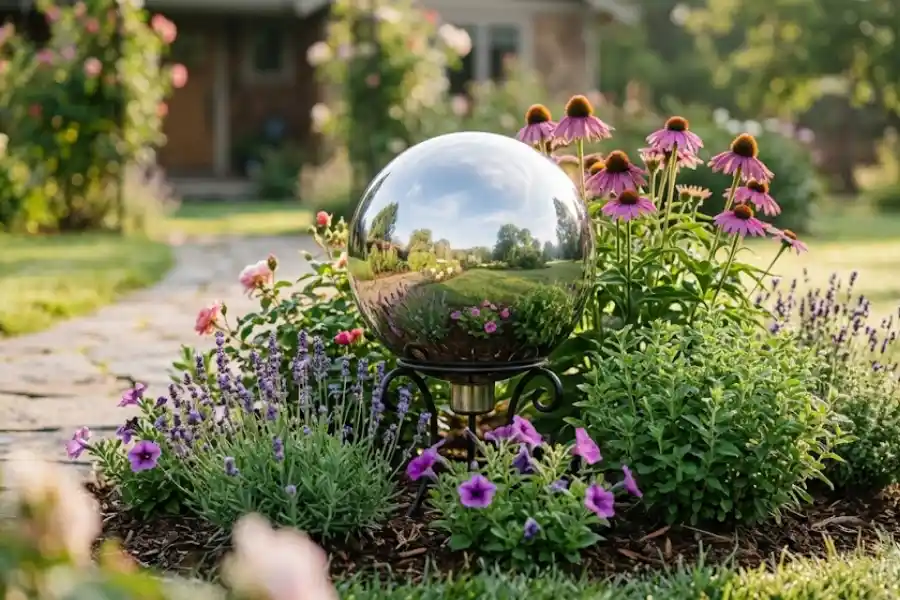
A gazing ball, sometimes called a garden globe or gazing globe, is a round, reflective sphere made from glass, metal, or ceramic. You place it in a garden, on a patio, or on a stand, and it reflects the world around it, plants, sky, sunlight, in a warped, dreamy way. Some are solid colors. Some have swirling mosaic patterns. Some even light up at night thanks to a small solar panel tucked inside.
The appeal is simple. A gazing ball catches light, adds color, and gives your eyes a place to land in an otherwise busy flower bed. It is one small object that instantly makes a garden feel finished.
A Quick (and Kind of Cool) History
Gazing balls are not a modern trend. People have been placing reflective globes in gardens since at least the 13th century. Old folklore claimed they brought good luck, protected homes from evil spirits, and even let homeowners see who was walking up to their door before answering it. Centuries later, European royal gardens made them fashionable, and the look eventually spread across the world.
A gazing ball has always done two jobs at once: look pretty and feel a little bit magical.
Knowing the backstory does not change how the ball works today, but it explains why this simple decoration has stuck around for hundreds of years.
Types of Gazing Balls for the Garden
Not all gazing balls are built the same way, and the material you choose affects both the look and how long it will last outside.
- Glass gazing balls: These are the classic choice. Hand-blown glass often comes in mosaic patterns or bold swirls of color. They look stunning in sunlight but can crack if they take a hard hit or freeze solid in winter.
- Stainless steel gazing balls: A polished stainless steel garden globe gives you that mirror-like shine without the risk of shattering. These handle rough weather far better than glass and barely need upkeep.
- Solar gazing balls: A solar gazing ball has a small solar panel fitted into the base or stand. It soaks up sunlight during the day and glows softly at night, which is a nice trick for evening garden parties.
- Mercury glass globes: These have a smoky, antique look and are usually meant for covered porches or indoor use rather than full outdoor exposure, making them a stunning centerpiece choice for your seasonal garden table decor layouts.
If you are buying your first one, stainless steel is the safest bet. It survives storms, hail, and clumsy lawnmowers far better than glass.
Where to Place a Gazing Ball for the Best Effect
Placement matters just as much as the ball itself. A gazing ball dropped randomly on the lawn tends to look forgotten. A gazing ball placed with intention becomes a focal point people notice the second they walk into the yard.
- In the center of a flower bed: Surround it with tall plants so the ball peeks out and reflects the blooms around it.
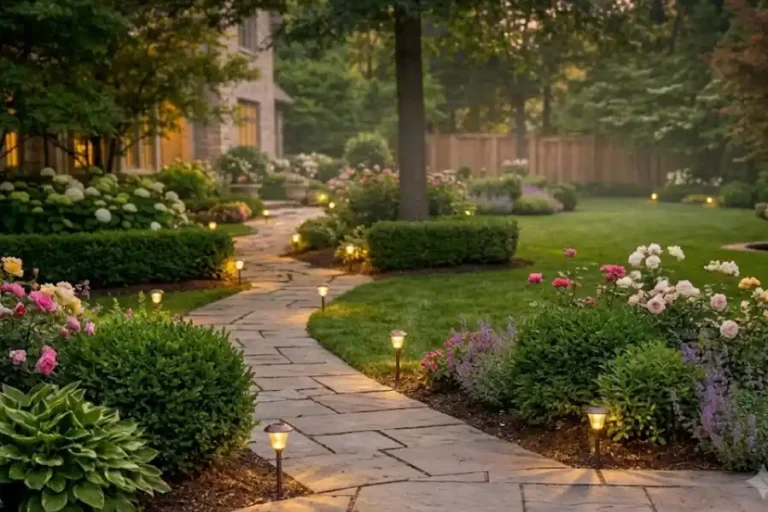
- Along a garden path: Line a walkway with two or three balls of different sizes to guide the eye forward.
- Near a water feature: The reflection of moving water on a glass gazing globe creates a shimmering effect that is hard to beat.
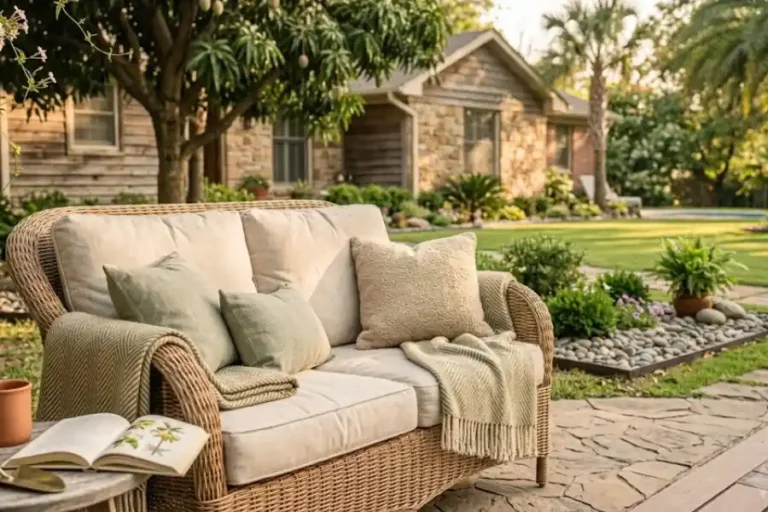
- On a raised stand or pedestal: A gazing ball stand lifts the sphere above the plants so it does not get lost in the greenery, and it also protects the ball from lawnmowers. Placing one near a seating area like a garden corner couch allows you to enjoy its beautiful reflections while relaxing outside.
- Tucked into a fairy garden: A small glass marble on a twig makes an adorable mini gazing ball for a fairy garden scene.
One tip that a lot of people miss: avoid placing a glass gazing ball where it sits in full, direct afternoon sun all day in a hot climate. The reflection can act like a small magnifying glass and, in rare cases, scorch nearby leaves. A little morning sun with afternoon shade is usually the sweet spot.
Choosing the Right Gazing Ball Stand
A gazing ball stand does more than hold the ball up. It sets the whole tone of the display. A wrought iron stand feels classic and old-world. A slim metal trident base feels modern and clean. A stone pedestal feels formal, almost like a small statue.
When picking a stand, match the height to where you are placing the ball. Taller stands work well in open lawn areas where you want the ball to stand out from a distance. Shorter stands blend nicely into a crowded flower bed where the plants themselves provide height. Also check that the stand is rated for outdoor use with weather-resistant coating, since cheap stands rust quickly once rain gets involved.
3 Easy DIY Gazing Ball Ideas You Can Try This Weekend
Store-bought gazing balls can get pricey, especially the hand-blown glass versions. The good news is that making your own is a genuinely fun weekend project, and it costs a fraction of the price.
1. The Classic Bowling Ball Gazing Globe
- Find an old bowling ball at a thrift store or yard sale (they are often just a few dollars).
- Clean the surface with rubbing alcohol to remove any oils.
- Fill the finger holes with wood putty and let it harden for 24 hours.
- Spray the entire ball with a chrome or mirror-finish spray paint made for outdoor use.
- Seal it with an outdoor-rated clear gloss sealer to protect the finish from sun and rain.
2. The Marble Mosaic Ball
- Start with a bowling ball or a large foam ball as your base.
- Use a hot glue gun (or outdoor-rated silicone adhesive for a sturdier hold) to attach flat glass marbles across the surface.
- Work in small sections from the bottom up so the marbles have support while the glue sets.
- Let it fully cure before placing it outside.
3. The Swirled Glass Vase Ball
- Grab an inexpensive round glass vase or light fixture globe from a thrift store.
- Mix craft glue with a few drops of food coloring in small cups.
- Pour the colored glue mixture inside the globe and swirl it around to coat the inside walls.
- Let it dry completely, then display it on a stand, preferably somewhere shaded, since this version tends to fade faster in direct sun.
Whichever method you try, patience during the drying and sealing steps is what separates a gazing ball that lasts for years from one that fades after a single summer.
How to Care for a Gazing Ball
Keeping a gazing ball looking sharp is easy once you know the basics.
- Clean it regularly: Wipe glass or steel balls with a soft cloth and mild soapy water. Avoid abrasive scrubbers, which can scratch the finish.
- Bring glass balls indoors for winter in freezing climates. Water that seeps into small cracks can expand when it freezes and shatter the glass.
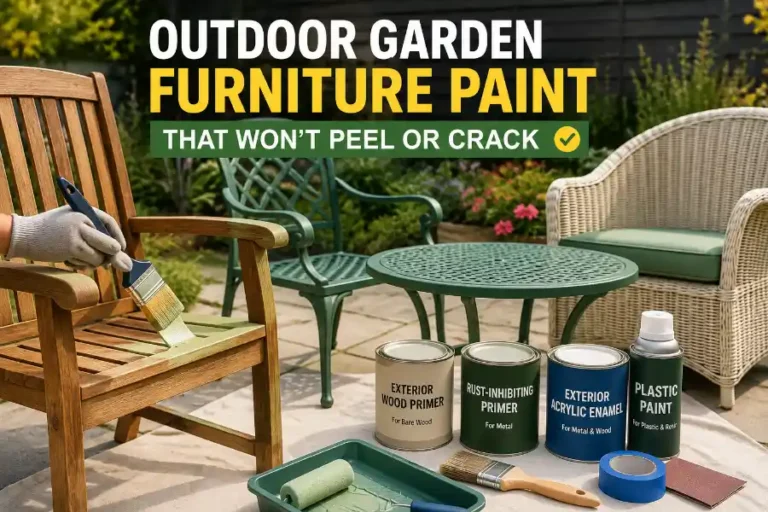
- Check the stand for rust each spring and touch up with outdoor paint if needed.
- Reposition solar gazing balls if the glow starts to look dim. This usually means the solar panel is not getting enough direct sunlight during the day.
Common Mistakes to Avoid
A few small missteps can ruin an otherwise great gazing ball setup. Watch out for these:
- Placing the ball where it is easy to knock over, such as right next to a busy walking path.
- Choosing a ball that is too small for the space, which makes it look like an afterthought instead of a feature.
- Skipping the sealer on a DIY project, which leads to fading and peeling within a few months.
- Leaving a glass gazing ball outside through a hard freeze without any protection.
Frequently Asked Questions
What is the best material for an outdoor gazing ball?
Stainless steel is the most durable option for year-round outdoor use since it resists cracking, rust, and fading far better than glass.
Do gazing balls attract lightning?
No. This is a common myth. A gazing ball is not made from materials that would attract lightning any more than any other object in your yard.
How high off the ground should a gazing ball sit?
Most gazing ball stands range from about 12 to 30 inches tall. Shorter stands work well nestled among flowers, while taller stands help the ball stand out in open lawn areas.
Can I leave a solar gazing ball outside all winter?
Stainless steel solar versions usually handle winter fine. Glass versions should be brought indoors or covered if temperatures regularly drop below freezing in your area.
How do I stop my gazing ball from tipping over in the wind?
Choose a stand with a wide, heavy base, or partially bury the base of the stand in the soil for extra stability during storms.
Final Thoughts
A gazing ball is proof that garden decor does not need to be complicated to make a big impact. Whether you buy a polished stainless steel garden globe or build your own from an old bowling ball, the goal is the same: catch the light, reflect the beauty already growing in your yard, and give visitors something worth stopping to look at. Pick the right spot, care for it through the seasons, and your gazing ball will keep doing its quiet magic for years to come.