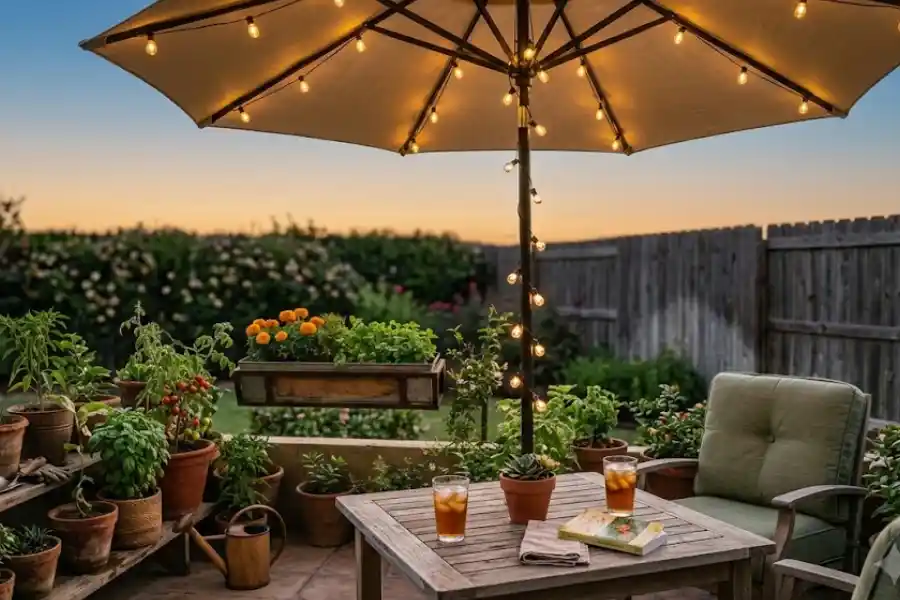
Patio Umbrella Lights: How to Pick, Install, and Care for Them
Your patio umbrella does a great job blocking the sun. But once the sun goes down, it just sits there in the dark. That is where patio umbrella lights come in. They turn a plain shade into a warm, glowing spot where you want to sit at night.
This article walks through the different types of patio umbrella lights, how to pick the right one for your space, how to install it in minutes, and how to make it last for years. No fluff, no confusing tech talk, just clear answers.
What Are Patio Umbrella Lights?
Patio umbrella lights are small LED lights that attach to the pole or the ribs of your outdoor umbrella. Once it gets dark, they light up your table, chairs, and the ground around you. Most modern versions use LED bulbs, which stay cool to the touch and barely use any power.
They come in a few basic styles:
- String lights that wrap around the ribs of the umbrella
- Round disc or dome lights that clip to the center pole
- Hanging lanterns that dangle from the frame
- Spotlights that shine straight down onto the table
Each style creates a different mood. String lights give a soft, party feel. Disc lights give bright, even light for reading or eating. Lanterns add a cozy, old-fashioned touch.
3 Types of Patio Umbrella Lights: Which One Is Right for You?
Before you buy anything, you need to decide how the light will get its power. This one choice affects everything else, from how bright the light is to how much work it takes to keep it running.
Solar Umbrella Lights
Solar patio umbrella lights have a small solar panel on top of the umbrella. It soaks up sunlight during the day and powers the lights automatically at night. There are no cords and nothing to charge by hand.
They work best if your umbrella sits in direct sun for at least six hours a day. If your patio is shaded by trees or a roof, solar lights will struggle to hold a charge.
Battery-Operated Umbrella Lights
These run on regular or rechargeable batteries, usually AA size. They are the most flexible option because they do not depend on sunlight or an outlet. You just clip them on and turn them on.
The tradeoff is that you need to swap or recharge the batteries every so often. If you go this route, rechargeable batteries save you money over time and cut down on waste.
Plug-In Umbrella Lights
Plug-in lights connect to an outdoor outlet using a weatherproof cord. They are the brightest option and never dim, because they are not relying on stored power. They are a great fit if you host guests often and want steady, strong light all night.
The downside is cord management. You need an outlet close by, and the cord has to be routed so nobody trips on it.
Quick tip: match the light to how you use your patio most nights. Solar suits casual evening ambience, battery suits flexibility, and plug-in suits regular entertaining where brightness matters most.
How to Choose the Right Patio Umbrella Lights
Most buying guides stop at “pick a type.” But a few small details make a bigger difference in how happy you are with the light once it is installed.
1. Measure Your Umbrella Pole First
This step gets skipped more than any other, and it is the main reason lights end up loose or falling off. Grab a tape measure and check the width of your umbrella pole where the light will sit. Most patio umbrella lights fit poles between 1.2 and 2 inches wide, but always check the exact range listed on the product before you buy.
2. Think About Brightness (Lumens), Not Watts
LED lights are measured in lumens, not watts. For soft ambience, 100 to 150 lumens is enough. If you want to read, play cards, or eat dinner under the umbrella, look for something closer to 200 lumens or higher.
3. Check the Weather Rating
Outdoor lights should list an IP rating, which tells you how well they resist water and dust. An IP44 rating or higher is a safe minimum for a patio that gets rained on.
4. Decide If You Want Color Options
Warm white creates a cozy, restaurant-style glow. Cool white is brighter and better for tasks. Some lights also offer color-changing modes, which are fun for parties but not something most people use night to night.
How to Install Patio Umbrella Lights in Under 5 Minutes
Installation is usually simple, but doing it in the right order saves you from having to redo it.
- Open your umbrella fully before attaching anything, so the lights sit at the correct spot on the ribs or pole.
- If it is a clip-on pole light, slide it onto the pole and tighten the strap or clamp until it feels snug, not loose.
- If it is a string light, start wrapping from the top of the pole and work outward along each rib evenly.
- Test the light on its lowest brightness setting first to check the battery or solar connection is working.
- Tuck away any extra cord or wire so it does not hang where people walk.
If your lights use a remote control, keep the remote somewhere dry and close to where you usually sit, so you are not searching for it once it gets dark.
How Much Do Patio Umbrella Lights Cost to Run?
This is a question most articles skip completely, so here is a simple breakdown.
- Solar lights cost nothing to run once you have bought them, since they charge for free during the day.
- Battery-operated lights cost a few dollars a year if you use rechargeable batteries, or more if you rely on single-use ones.
- Plug-in LED lights use very little electricity. Running a set for four hours a night typically adds less than a dollar a month to your power bill, since LEDs use only a few watts.
In short, none of the three options will noticeably raise your household costs. Your decision should really come down to convenience and how much sunlight or outlet access your patio gets.
Care and Storage Tips (So Your Lights Last for Years)
Patio umbrella lights are built for outdoor use, but a little care stretches their life by years.
- Wipe down solar panels every few weeks. Dust and pollen block sunlight and weaken the charge.
- Close your umbrella during heavy storms, even if the lights are rated for water resistance, just as you would bring in sensitive accents like garden flags before high winds hit.
- Remove batteries before winter storage to stop corrosion from leaks.
- Store string lights loosely coiled, not tightly wound, to avoid stressing the wires.
- Bring plug-in lights indoors or into a shed for winter if you live somewhere with freezing temperatures.
Styling Ideas to Make Your Patio Feel Like a Café
Once you have the right lights, a few small touches make the space feel intentional rather than thrown together.
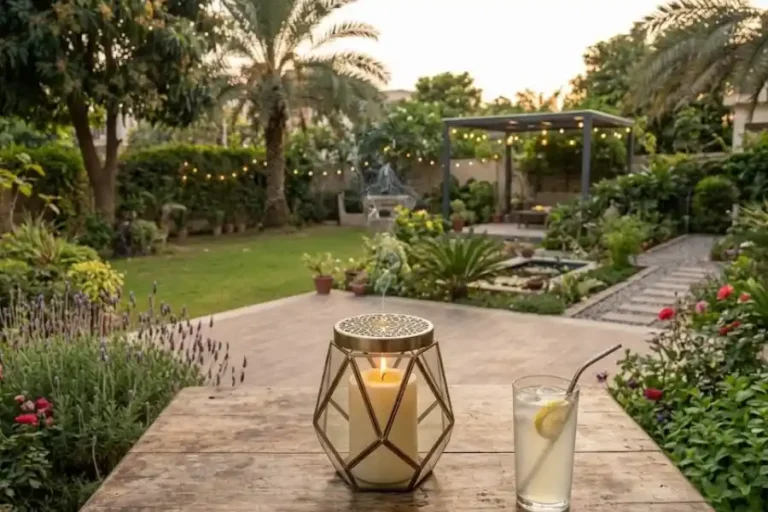
- Layer string lights on the umbrella with a small lantern on the table for depth.
- Stick to warm white tones if you want the space to feel relaxing rather than clinical.
- Add a dimmable model so you can shift from bright dinner light to soft late-night glow.
- Match the light color to your outdoor cushions or rug for a pulled-together look, casting a warm glow over classic seating like wrought iron garden chairs.
Frequently Asked Questions
Do patio umbrella lights work in the rain?
Most are built to handle light rain and outdoor humidity, but check for an IP44 rating or higher. Very few are meant to be fully submerged or left out in heavy storms.
Can I use patio umbrella lights on any umbrella?
Yes, as long as the pole width matches the light’s fitting range. Most universal lights fit poles between 1.2 and 2 inches, which covers the majority of standard patio umbrellas.
Are solar patio umbrella lights bright enough for dinner?
Many solar options are better suited to ambience than task lighting. If you want enough brightness to eat comfortably, look for a solar model rated above 150 lumens, or pair it with a brighter battery or plug-in light.
How long do the batteries last in battery-operated umbrella lights?
This depends on brightness settings and how often you use them, but most last several weeks on a low setting with regular AA batteries, and longer with rechargeable ones charged between uses.
Can I leave patio umbrella lights outside all year?
Solar and plug-in lights can often stay outside if they are well rated for weather, but freezing temperatures can shorten battery life. It is safer to bring battery-powered lights indoors during winter.
Patio umbrella lights are a small upgrade that makes a big difference. Once you pick the right type for your space, measure your pole correctly, and take a few minutes to install it properly, your patio turns into a spot you want to spend your evenings in, during the day and long after the sun goes down.