Formal Garden Design: Ideas, Plants, and Costs for Every Yard
A formal garden is one of the few outdoor styles that never goes out of fashion. Neat hedges, straight paths, and mirror-image planting beds have shaped grand estates for centuries, and today, homeowners are bringing that same sense of order into backyards of every size. If you have ever walked into a garden and instantly felt calm because everything looked balanced and intentional, you were probably standing in a formal garden.
This article covers what a formal garden is, how it compares to an informal garden, which plants work best, how much it costs, and the mistakes most beginners make. By the end, you will know how to plan a formal garden that fits your space and your budget.
What Is a Formal Garden?
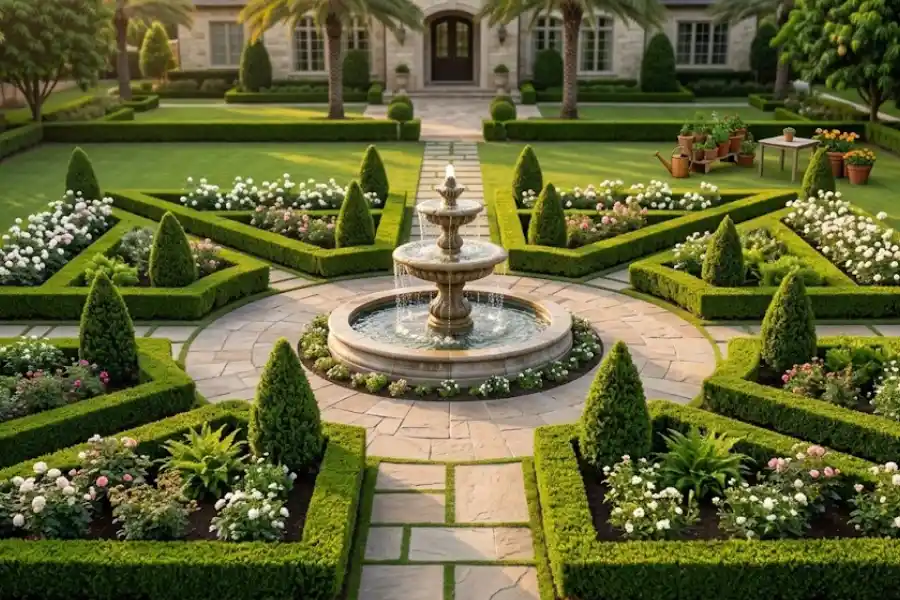
A formal garden is a planned outdoor space built around symmetry, straight lines, and geometric shapes like squares, rectangles, and circles. Every part of the layout usually mirrors the other side, creating a sense of balance and control. Instead of letting plants grow freely, a formal garden trims and shapes them so the whole space feels organized.
This style traces back to ancient walled gardens in Western Asia and later became famous through the grand estates of France, Italy, and England. Today, you do not need a palace to enjoy one. A small formal garden can fit neatly into a front yard, a courtyard, or even a narrow side path.
Formal Garden vs. Informal Garden: What Is the Difference?
Many people confuse these two styles, so here is a simple breakdown.
- Shape: A formal garden uses straight lines and geometric shapes. An informal garden uses curves and natural, flowing shapes.
- Balance: A formal garden relies on symmetry, where one side mirrors the other. An informal garden uses looser, more natural balance.
- Plants: A formal garden favors trimmed hedges and neatly shaped plants. An informal garden allows plants to grow into their natural form.
- Paths: A formal garden has straight paths with sharp turns. An informal garden has winding, curved paths.
- Maintenance: A formal garden needs regular trimming to keep its shape. An informal garden is more forgiving if left alone for a while.
Neither style is “better.” It depends on the look you want and how much upkeep you are willing to do.
Key Elements of a Formal Garden
If you want your space to look like a proper formal garden design, and not merely a tidy yard, these are the core building blocks.
- A central focal point: Most formal gardens start with one main feature, such as a fountain, statue, birdbath, or sundial, placed in the center.
- Symmetry: Everything on one side of the central axis is mirrored on the other side.
- Clipped hedges: Boxwood is the classic choice for low, neat borders that outline beds and paths.
- Topiary: Shrubs trimmed into balls, cones, or spirals add shape and a sense of craftsmanship.
- Straight paths: Gravel, stone, or brick paths run in straight lines and meet at right angles.
- Enclosed edges: Walls, fences, tall hedges, or sleek metal borders like corten steel garden edging frame the space and give it a clean sense of enclosure.
How to Plan Your Own Formal Garden
Most articles stop at inspiration photos, but planning is where people get stuck. Below is a step-by-step process that works whether you have a full backyard or a small courtyard.
- Sketch your space on paper. Draw the outline of your yard to scale. This helps you see how much room you have before you start digging.
- Pick your focal point first. Decide where your fountain, statue, or planter will sit. Everything else in your formal garden design will be built around this point.
- Draw your central axis. This is the imaginary line running through your focal point. Every element on one side should have a matching element on the other.
- Outline your beds and paths. Keep shapes simple: squares, rectangles, and circles are easiest to maintain and look the most authentic.
- Choose your hedge line. Boxwood or dwarf yew planted in a straight row will define your beds and paths clearly.
- Add plants that hold their shape. These give your garden form even in winter, when flowers are gone.
- Fill in color last. Flowers should support the layout, not replace it. Add them inside the hedge borders, not instead of them.
Best Plants for a Formal Garden
Plant choice makes or breaks a formal garden. You want plants that hold their shape and respond well to regular trimming.
- Boxwood: The most common hedge plant for formal garden borders because it holds a clean, tight shape.
- Yew: A dense evergreen that works well for taller hedges and topiary shapes.
- Roses: Classic standard roses planted in even rows add color without breaking the symmetry.
- Lavender: Planted in straight rows, lavender adds soft color and scent while still looking tidy.
- Ornamental grasses: Useful for adding height and texture without ruining clean lines.
- Hydrangeas: Planted symmetrically, they add bold color while keeping a formal look.
A good rule of thumb: pick two or three plant types and repeat them evenly across the space. Too many different plants will break the sense of order that defines a formal garden.
Formal Garden Ideas for Small Spaces
Most guides show huge estate gardens, which can be discouraging if you only have a small yard. The good news is that a small formal garden works just as well, sometimes better, because there is less space to maintain.
- Use a single geometric bed. One square or circular bed with a low hedge border can bring formal order to a tiny space.
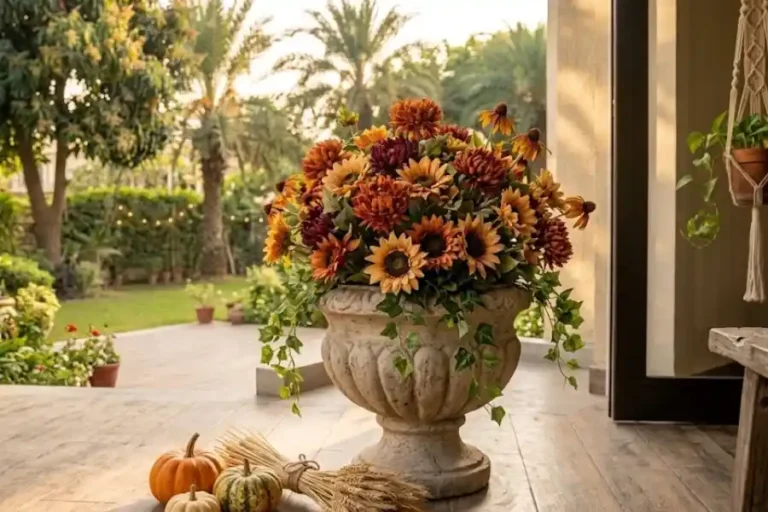
- Try container symmetry. Two matching topiary planters on either side of a doorway instantly create a formal feel.
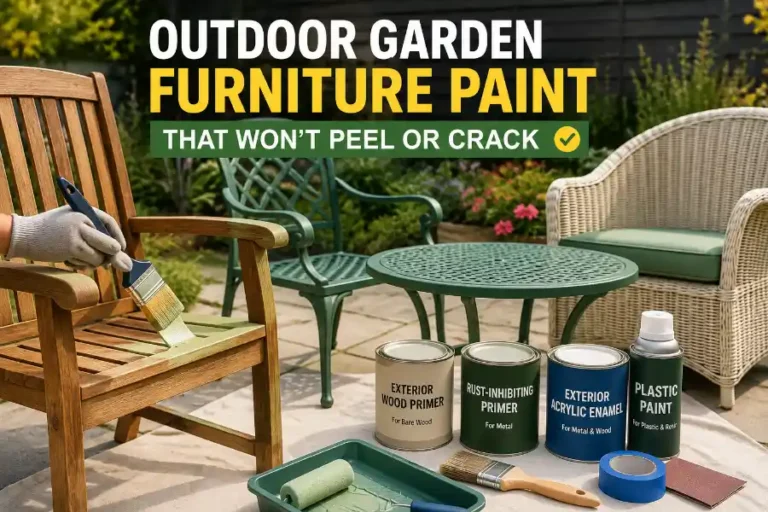
- Shrink the focal point. A small birdbath, a stone urn, or a crisp wooden bench refreshed with outdoor garden furniture paint works better than a large fountain in a compact yard.
- Use vertical elements. Espaliered trees trained flat against a wall save space while still adding architectural form.
- Frame a path. Even a short path lined with matching low hedges gives a strong formal impression.
Cost and Maintenance: What to Expect
This is the part most articles skip, but it matters a lot before you start.
A small formal garden with basic hedging, a simple path, and a modest focal point can often be built for a few hundred to a couple thousand dollars, depending on materials and whether you do the work yourself. Larger formal garden designs with stone paths, mature topiary, and water features can run into the tens of thousands, especially if you hire a professional landscaper.
Maintenance is the real cost over time. A formal garden needs trimming every few weeks during the growing season to keep hedges and topiary sharp. Skipping even one season of trimming can make the whole layout look messy, since the design depends on clean lines. If you cannot commit to regular upkeep, consider slower-growing plants or a smaller layout you can manage easily.
Common Mistakes to Avoid
- Skipping the planning stage. Jumping straight into planting without a sketch almost always leads to uneven results.
- Choosing too many plant varieties. A formal garden works because of repetition, not variety.
- Ignoring maintenance needs. Fast-growing hedges look great at first but can quickly overwhelm a small formal garden if not trimmed often.
- Placing the focal point off-center. Even a small shift can throw off the entire symmetry of the design.
- Forgetting scale. A large fountain in a small yard will feel crowded, while a tiny statue in a big space can look lost.
Frequently Asked Questions
What makes a garden “formal”?
A garden is considered formal when it uses symmetry, straight lines, and geometric shapes as its main design principle, usually built around a central focal point.
Can a formal garden work in a small backyard?
Yes. A small formal garden can use a single symmetrical bed, matching container plants, or a short hedge-lined path to bring the same sense of order to a compact space.
How often does a formal garden need trimming?
Most hedges and topiary need trimming every few weeks during the growing season to keep their clean, geometric shape.
What is the easiest plant to start with for a formal garden?
Boxwood is the most popular starting point because it grows slowly, holds its shape well, and is forgiving for beginners.
Is a formal garden more expensive than an informal one?
It can be, mainly because of ongoing maintenance. The neat, trimmed look depends on regular upkeep, while informal gardens are more forgiving if left alone.
Final Thoughts
A formal garden brings a sense of calm, order, and classic style to any outdoor space, whether you have a sprawling backyard or a small city courtyard. Start with a clear plan, choose a strong focal point, keep your plant choices simple, and commit to regular trimming. Do that, and your formal garden will look just as elegant as the grand estate gardens that inspired the style in the first place.