Gas Plant Perennial Cottage Core Garden Ideas: Care and Safety
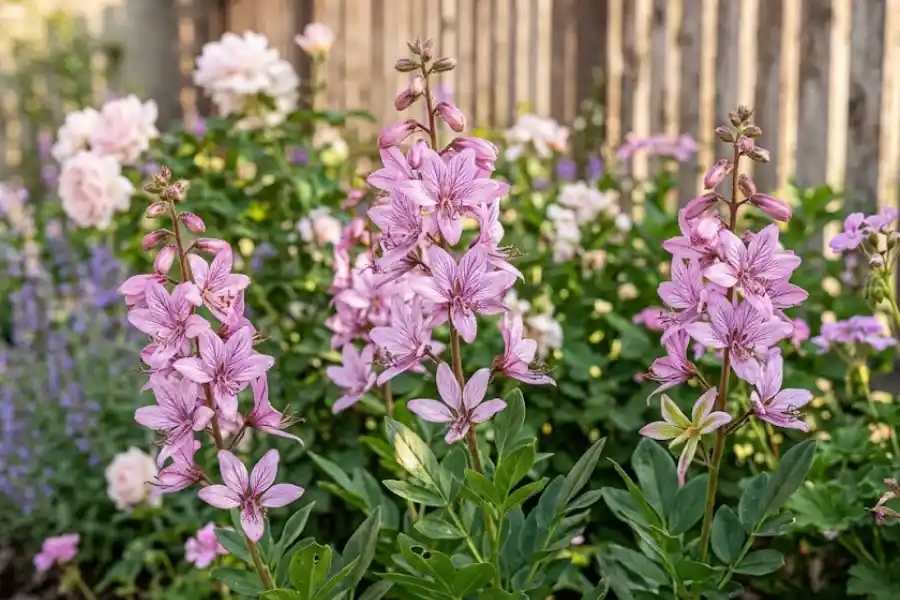
Picture an old stone path, a leaning fence, and tall pink flower spikes that smell like lemon peel. That is a gas plant in full bloom. It looks like it has grown there for a hundred years.
This plant has an odd nickname too. People call it the burning bush because its oils can catch fire on a hot, still night. We will get to that story, and why you should not try it. But here is the bigger point. If you want a cottage core garden that feels soft, old, and a little bit magical, a gas plant deserves a spot.
This post is for beginners. It covers what the plant is, how to grow it, which flowers look good beside it, and which mistakes to avoid. The facts come from trusted garden sources, and I list them at the end.
What Is a Gas Plant?
The gas plant (Dictamnus albus) is a hardy perennial in the citrus family. You may also see it sold as dittany, fraxinella, or burning bush. Do not mix it up with the red shrub that is also called burning bush. That one is a different plant.
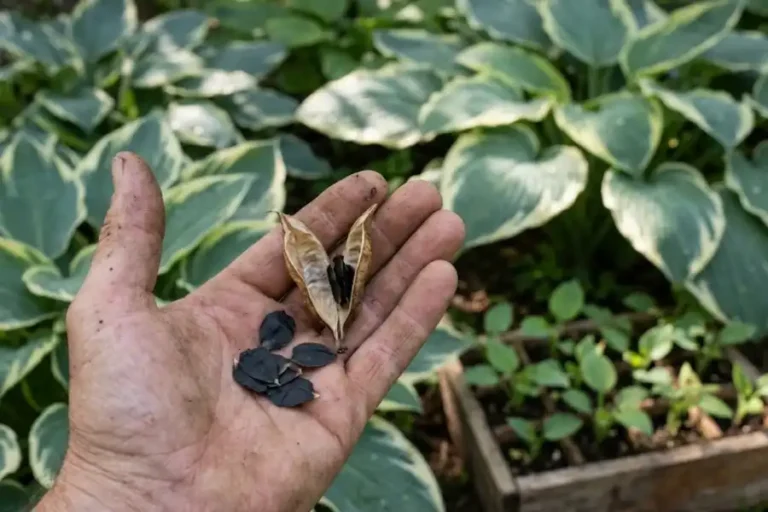
A gas plant grows about 2 to 3 feet tall and wide. The flower spikes rise even higher. The leaves are glossy and smell like lemon when you rub them. The flowers are white, pink, or purple, and they appear in late spring or early summer. Star-shaped seed pods follow, and they look lovely too.
Here are the quick facts:
- Hardiness zones: 3 to 8 in the US
- Light: full sun to light shade
- Size: 2 to 3 feet tall and wide
- Bloom time: late spring to early summer
- Soil: well-drained, rich in organic matter, slightly alkaline if possible
- Lifespan: decades, if you leave it alone
- Deer: they usually leave it alone
Why a Gas Plant Fits a Cottage Core Garden
A cottage core garden is full, soft, and a bit wild, a lot like a relaxed English garden design. It feels like a place where someone’s grandmother kept bees and baked bread. This perennial fits that mood for six good reasons.
- It is truly old-fashioned. The Royal Horticultural Society lists cottage and informal gardens as a top place to plant it.
- It smells good. The leaves give off a fresh lemon scent when brushed, which makes it a lovely fit among sensory garden plants.
- It adds height. Cottage borders are full of round, fluffy plants. Tall flower spikes give the eye something to follow.
- Bees love it. It is also listed as a plant for pollinators.
- It looks good after the bloom. The star-shaped seed pods stay interesting, and you can use the flowers in cut or dried bouquets.
- It is low work. It rarely has pest or disease problems, and it lives for many years.
The Fire Story: Can You Really Light a Gas Plant?
Yes, and no. On a very hot, still evening, the plant gives off a vapor from its oils. Some old garden stories say a match held near the flowers will make a quick flash of flame. The flame is said to vanish in a second or two without harming the plant.
But the story may be better than the real thing. One garden writer notes that many people have tried it, but few have seen it work. My advice is simple. Do not try it. The oils can hurt your skin, and fire near dry plants is never a smart idea. Enjoy the tale and tell it to your friends instead.
Safety First: Wear Gloves Around a Gas Plant
This is the part most pretty garden posts skip. The oils in this plant can cause a skin reaction when your skin touches the plant and then meets sunlight. The reaction is called phytophotodermatitis. One horticulture writer says his brush with the plant caused a rash like poison ivy and plenty of pain. The Royal Horticultural Society also warns that the plant can be toxic to skin and to pets in sunlight.
Follow these steps to stay safe:
- Wear gloves and long sleeves when you touch, cut, or move the plant.
- Work on a cloudy day or in the evening when you can.
- Wash your skin with soap and water after you finish.
- Plant it away from narrow paths where kids and pets brush past.
- See a doctor if you get a bad rash or blisters.
How to Grow a Gas Plant, Step by Step
1. Pick a Forever Spot
This is the most important step. It grows a long taproot, and it hates to be moved. Once it settles in, it should not be dug up or divided. Choose a sunny place where it can stay for decades. If you already grow other full sun plants, that bed is a good place to start. Light shade is fine, but more sun gives better flowers.
2. Prepare the Soil
Give it soil that drains well and has lots of organic matter, like compost. It does best in soil that leans a little alkaline. Soggy ground is its biggest enemy, so skip low spots where water sits.
3. Buy a Plant or Start From Seed
The fastest way is to buy a young plant. Many nurseries sell them as two-year-old seedlings. You can also grow it from seed. Sow the seed outdoors in fall and let winter cold wake it up. Be ready to wait. A plant grown from seed can take three to five years to bloom.
4. Plant With Room to Grow
Leave about 2 to 3 feet between plants. That looks like a lot of empty dirt at first. Fill the gaps with fast, shallow-rooted flowers for the first few years.
5. Water and Feed Lightly
Water new plants often during the first year. After that, it handles dry spells well. In spring, you can add a little all-purpose organic fertilizer. Do not overdo it.
6. Care for It Through the Year
Care is easy. You can leave the seed pods on for interest and cut the stems to the base in autumn. Some plants flop after the first bloom. If that happens, trim the tired stems and let new growth come up from the base. Never try to split the clump. Also, use simple garden plant markers to label the spot, because the plant dies back in winter and you will not want to dig there by mistake.
Pick the spot once, plant once, and let it be. It rewards patience more than any other perennial.
Best Companion Plants for a Cottage Core Look
A gas plant looks best with soft, rounded plants around it. Garden experts suggest pairing it with hardy geranium, daylily, iris, potentilla, and showy sedum. Peonies and roses also make lovely neighbors. Here are three simple combinations to copy.
- The soft pink border: pink gas plant, pale roses, catmint, and lady’s mantle.
- The classic white garden: white gas plant, white peonies, white iris, and silvery lamb’s ear.
- The sunny path edge: gas plant at the back, hardy geranium in the middle, and sedum at the front.
Gas Plant Varieties to Look For
There is only one true species, but there are a few lovely forms.
- Albiflorus: clean white flower spikes. It is a great pick for a white garden.
- Purpureus: pink flowers with purple veins. It has won the Royal Horticultural Society’s Award of Garden Merit.
- Rubra: rosy-purple flowers with a richer color.
Common Mistakes With Gas Plant
- Moving it. The taproot does not like to be disturbed. Plant it in its final home.
- Giving up too soon. It is slow in the first years. That does not mean it is dying.
- Using wet soil. Poor drainage is the fastest way to lose one.
- Handling it with bare hands. Gloves protect you from the oils.
- Dividing the clump. It will not thank you for it.
Is a Gas Plant Worth the Wait?
One nursery expert calls the gas plant one of the most underappreciated perennials in our gardens. It is slow to start, and it needs a little care at first. That is likely why garden centers do not stock it often. But that is also what makes it special. Most neighbors will not have one.
If you want a cottage core garden with real history, scent, and a story to tell, the wait is worth it.
Frequently Asked Questions
Is it easy to grow?
Yes, once it is settled. It rarely gets pests or diseases and needs little care. The hard part is the wait for the first blooms.
How long does it take to bloom?
From seed, expect three to five years. A bought plant that is already a few years old will flower sooner.
Can I move it once it is planted?
It is best not to. The long taproot dislikes disturbance, so plant it in its final spot.
Is it poisonous?
The oils can cause skin rashes in sunlight, and the plant can be toxic to pets. Wear gloves and keep pets away from it.
Does it spread or take over the garden?
No. It is not aggressive or invasive. It slowly grows into a bigger clump.
Will deer eat it?
Deer usually avoid it, which makes it a good choice for gardens with deer pressure.
Final Thoughts
A gas plant asks for three things: sun, good drainage, and patience. In return, you get lemon-scented leaves, tall flower spikes, and a plant that can outlive you. It is a fine anchor for any cottage core garden. Plant one this fall, wear your gloves, and let time do the rest.