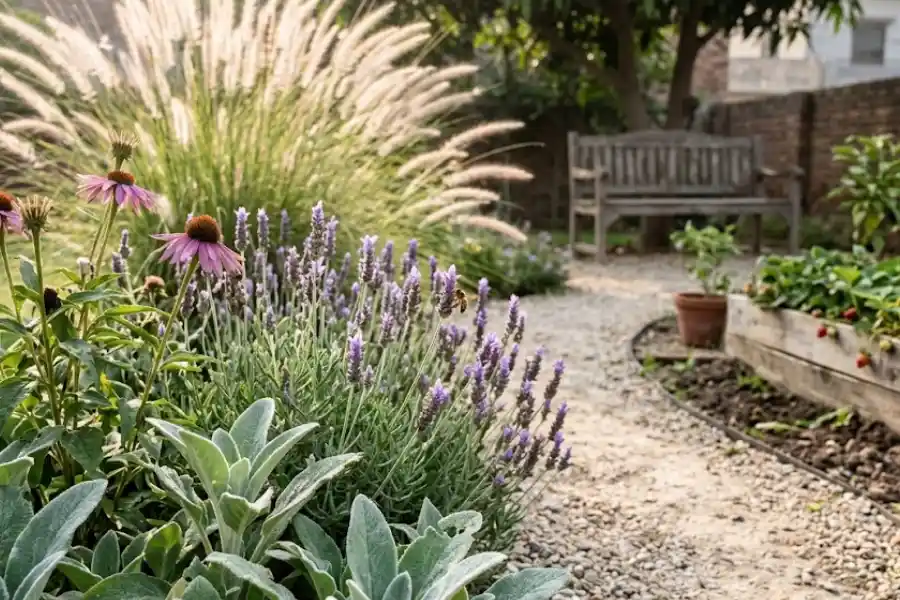
Sensory Garden Plants: 25 Easy Picks for All 5 Senses
Picture this. You step outside and brush your hand across a fuzzy leaf. A whiff of lavender floats by. Bees hum nearby, and tall grass whispers in the wind. Then you pick a warm strawberry and pop it in your mouth. That is what a sensory garden feels like.
The best sensory garden plants do more than look pretty. They invite you to touch, smell, hear, taste, and see. In this post, you will find 25 easy sensory garden plants, sorted by sense. You will also see how to keep everyone safe, plan for all four seasons, and dodge the mistakes that trip up most beginners.
You do not need a big yard. A balcony, a school plot, or a few pots can work just fine. Let’s get growing.
What Is a Sensory Garden?
A sensory garden is a space made to wake up all five senses: sight, smell, touch, sound, and taste. Think of it as a garden you step into, not one you only look at from a distance.
These gardens help all kinds of people. Kids love them. Older adults enjoy them too, and you will often find them in schools, care homes, and therapy programs. The Royal Horticultural Society says sensory planting can lift your mood and bring back old memories. Familiar plants can even spark friendly chats between people.
How to Choose the Best Sensory Garden Plants
Before you shop, take a minute to plan. Good sensory garden plants share a few traits. Use this quick checklist.
- Check your zone. Look up your area on the USDA Plant Hardiness Zone Map. A plant that thrives in zone 9 may not survive a winter in zone 5.
- Match the light. Most plants on this list want six or more hours of sun. A few, like coleus and northern sea oats, enjoy some shade.
- Pick plants that do two jobs. Lavender smells great and also feeds bees. Sunflowers look bold and feed birds. Double-duty plants save space.
- Think in four seasons. Choose something for every month, so your garden never goes dull.
- Put safety first. Skip toxic and very thorny plants, especially if kids will visit. KidsGardening points out that some of the prettiest plants are also the most harmful.
Sensory Garden Plants for Sight
Sight is the sense most people think of first. Go for contrast. Mix tall and short plants, round and spiky shapes, and bold and soft colors. Warm shades like red, orange, and yellow bring energy. Cool shades like blue and purple feel calm.
- Sunflowers: Fast, tall, and cheerful. Kids can measure them each week as they shoot up. Birds love the seeds in fall. They are grown as annuals.
- Zinnias: Easy to grow from seed. They bloom from summer to frost in almost every color, and butterflies visit all day.
- Purple coneflower: Pink-purple petals wrap around a spiky orange center. It is tough and grows in zones 3 to 9. Goldfinches snack on the seed heads in fall.
- Coleus: Grown for its leaves, not its flowers. You can find lime, burgundy, pink, and striped types. It is a great pick for shady spots. If your yard gets little sun, there are plenty more garden plants for shade to try.
- Red twig dogwood: A winter star. After the leaves drop, the bright red stems glow against the snow. It grows in zones 3 to 8.
Sensory Garden Plants for Smell
Scent is the sense most tied to memory. One whiff can drop you back in your grandma’s kitchen. Plan for seasonal smells, so something is fragrant in every month. LawnStarter calls this a key idea when picking the best sensory garden plants.
- Lavender: The classic. It has silvery leaves, purple spikes, and a calming scent. It needs full sun and soil that drains well. Most types grow in zones 5 to 9. Soggy soil kills it faster than cold does.
- Lilac: A sweet spring bloom that smells like a perfume shop. It grows in zones 3 to 7. It becomes a big shrub, so give it room.
- Sweet alyssum: A low plant with tiny white flowers that smell like honey. Plant it along paths where people walk. It is an annual in most areas.
- Pineapple sage: Crush a leaf and you will smell pineapple. Red flowers show up in fall and bring hummingbirds, so it fits right in with other hummingbird garden plants. It grows in zones 8 to 10, so treat it as an annual in cooler areas. Buy a small plant instead of starting from seed.
- Chocolate cosmos: Dark red flowers with a warm scent that many gardeners compare to vanilla and chocolate. It grows in zones 7 to 10. In colder places, keep it in a pot and bring it inside for winter.
Sensory Garden Plants for Touch
Touch is the sense most gardens skip, yet it is the one kids remember. Put these sensory garden plants near paths, benches, and edges where hands can reach them. Mix fuzzy, bumpy, smooth, and feathery textures.
- Lamb’s ear: Fuzzy silver leaves that feel like a soft toy. It grows in zones 4 to 8. Give it sun and space so the leaves stay dry after rain.
- Hens and chicks: Rosettes of thick, bumpy leaves that grow tiny baby plants. It grows in zones 3 to 8 and works well in rock gardens and pots.
- Fountain grass: Fluffy, bottle-brush plumes that feel like a soft paintbrush. Most types grow in zones 5 to 9.
- Dusty miller: Silver, velvety, lacy leaves that look good next to almost any color. Most people grow it as an annual.
- Bunny tail grass: Round, soft puffs that look just like bunny tails. It is an annual and easy to grow from seed. The dried puffs last in bouquets.
Sensory Garden Plants for Sound
Sound is easy to forget, but it adds so much calm. Wind moving through tall grass can sound like soft rain. Add a small water fountain for your outdoor garden or some wind chimes for extra layers.
- Switchgrass: Tall and upright, with a soft rustle. It grows in zones 4 to 9 and turns golden in fall.
- Maiden grass: Feathery plumes that whisper in the breeze. It grows in zones 5 to 9. In some parts of the US, certain types spread by seed. Ask a local nursery or extension office before you plant it.
- Northern sea oats: Flat, dangling seed heads that sway and rattle. It grows in zones 3 to 8 and handles part shade.
- Quaking grass: Tiny seed heads that tremble in the lightest breeze. It grows in zones 4 to 8.
- Clumping bamboo: Leaves rustle, and stems creak softly. Pick a clumping type, never a running type. Running bamboo spreads fast and is very hard to remove.
Do not forget the buzz. Lavender, coneflowers, and zinnias bring bees and butterflies, and their gentle hum is part of the show.
Sensory Garden Plants for Taste
Edible plants turn your garden into a snack bar. One rule matters most: only taste what you know is safe and has not been sprayed with chemicals. Teach kids to ask an adult first.
- Strawberries: Sweet, juicy, and fun to pick. They grow well in the ground, in hanging baskets, or in pots.
- Cherry tomatoes: Pop one in your mouth and enjoy the burst of flavor. Brush the leaves too, because the strong tomato smell is a treat. Eat the fruit only, not the leaves or stems.
- Chives: A mild onion taste, plus round purple flowers you can eat. They grow in zones 3 to 9.
- Nasturtiums: Round leaves and bright flowers with a peppery bite. Both are edible. The big seeds are easy for small hands to plant.
- Mint: Cool, fresh, and very fragrant. It spreads fast, so keep it in a pot, such as one of these herb garden pots for outdoors.
How to Keep Your Sensory Garden Interesting All Year
Most lists of sensory garden plants stop at summer. But a great garden has something going on in every season. Here is a simple plan.
- Spring: Lilac scent, fresh chives, and sweet alyssum.
- Summer: Lavender, zinnias, sunflowers, and juicy strawberries.
- Fall: Pineapple sage, golden grass plumes, and coneflower seed heads full of hungry birds.
- Winter: Red dogwood stems, rustling dry grasses, and evergreen hens and chicks. Wait until late winter to cut your grasses back, so you can enjoy their sound longer.
Sensory Garden Plants to Avoid
This is the part many articles skip. Some pretty plants can make people sick. Keep these out of your garden when kids, pets, or people with memory loss will use the space:
- Foxglove, lily of the valley, and monkshood: All are poisonous if eaten.
- Oleander and castor bean: Both are very toxic. Castor bean seeds are especially dangerous.
- Thorny plants near paths: Roses are lovely, but plant them back from the edge or choose thornless types.
Pet owners can check any plant on the ASPCA list of toxic and non-toxic plants. Two more tips help too. If someone has a bee sting allergy, place seating away from flowers that bees love. And if strong smells bother your guests, pick gentler scents, such as herbs.
How to Lay Out Your Sensory Garden
Once you pick your sensory garden plants, give them a smart home. Follow these steps.
- Start with a wide path. Make it at least 3 feet wide. Four feet is better. That way wheelchairs, walkers, and strollers can pass.
- Raise some beds. Beds about 24 to 30 inches tall let people reach the plants without bending.
- Put touchable plants at the edges. Lamb’s ear and hens and chicks belong where hands can reach them.
- Use tall grasses as a backdrop. They add sound and make a soft wall around the space.
- Add a seat in the middle. A bench invites people to stay, listen, and breathe.
- Finish with water or chimes. Even a small bowl of water brings birds and gentle sound.
Add your own experience here: [Write two or three sentences about a real plant you grew, a mistake you made, or a favorite moment in your own garden. Delete this note before you publish.]
5 Mistakes to Avoid With Sensory Garden Plants
- Planting everything at once. Sketch a plan first. Crowded plants fight for light and water.
- Ignoring your zone. A plant that dies in its first winter is a waste of money.
- Putting mint in the ground. It will take over. Use a pot.
- Choosing only pretty plants. Sight is just one sense. Make sure you also have touch, sound, scent, and taste.
- Skipping the spread check. Some grasses and bamboo spread fast. Read the plant tag, and ask a local expert if you are unsure.
Frequently Asked Questions
What plants do you put in a sensory garden?
Pick a mix. Use colorful flowers and leaves for sight, herbs and blooms for scent, fuzzy or feathery plants for touch, grasses for sound, and edibles for taste. The best sensory garden plants often do more than one job. Lavender, for example, looks pretty, smells amazing, and hums with bees.
What are the best sensory garden plants for kids?
Sunflowers, nasturtiums, strawberries, lamb’s ear, and bunny tail grass are all winners. They are easy to grow, safe to touch, and fun to check out. Always teach kids to taste only what an adult says is safe.
What are the best sensory garden plants for autism?
Living Autism, as shared by Homes and Gardens, suggests sunflowers, bamboo, silver sage, and sweet pea. Every child is different, though. Start with a few plants, watch how your child reacts, and skip any strong smells or sounds that seem to upset them. Your child’s care team can offer advice that fits your family.
Can I grow sensory garden plants in pots?
Yes. Lavender, thyme, hens and chicks, strawberries, mint, nasturtiums, and bunny tail grass all do well in containers. Pick pots with drain holes, and water more often than you would in the ground.
How big should a sensory garden be?
Any size works. A single bed that measures 2 by 4 feet can hold plants for all five senses. Start small, and add more each season.
Start Small and Let Your Garden Grow
Sensory garden plants can turn a plain yard into a place you can see, smell, touch, hear, and taste. You do not need to plant all 25 at once. Pick one plant for each sense, set them near a bench, and see how it feels. Then keep adding, one season at a time.
So which one will you plant first? Maybe it is fuzzy lamb’s ear. Maybe it is a pot of lavender by the back door. Either way, your senses will thank you.