Topiary Frames 101: How to Choose, Shape, and Care for Them
Have you ever walked past a garden and seen a plant shaped like a heart, a rabbit, or a perfect green ball? That shape did not happen by luck. Someone used a topiary frame to shape it. A topiary frame is a simple tool, but it can turn an ordinary plant into a piece of living garden art. This article will show you what topiary frames are, how to pick the right one, and how to use it so your plant grows into a shape you will be proud to show off.
What Is a Topiary Frame?
A topiary frame is a wire or metal form shaped like an animal, letter, ball, or any design you want. You place the frame over a plant, or you fill it with moss and plant directly into it. As the plant grows, it follows the shape of the frame. Over time, the wire disappears under the leaves, and only the shape remains.
Topiary frames are not new. Gardeners have used them for hundreds of years to shape hedges and shrubs into art, and clipped shapes like these are still a hallmark of a classic formal garden. Today, you can find them in home gardens, hotels, weddings, and even theme parks.
Why Use a Topiary Frame Instead of Freehand Trimming?
You could try to shape a plant with just a pair of shears, but it is hard to keep the lines even without help. A topiary frame does the hard work for you. It gives you a clear guide to trim around, so even a beginner can create a neat, balanced shape.
- It saves time because you do not have to guess where to cut.
- It keeps the shape even on all sides.
- It lets beginners create designs that would normally take years of skill.
- It works for both indoor and outdoor plants.
The Main Types of Topiary Frames
Not all topiary frames are the same. Before you buy one, it helps to know the differences.
Wire Frames
These are made from steel or galvanized wire and welded into a shape. They are strong and hold up well outdoors. Most are coated with plastic, paint, or a powder finish to stop rust.
Chicken Wire or Mesh Frames
These use a wider mesh, which makes them lighter and easier to stuff with moss. They work well for large or detailed shapes, like animals with legs and ears.
Two-Dimensional (Flat) Frames
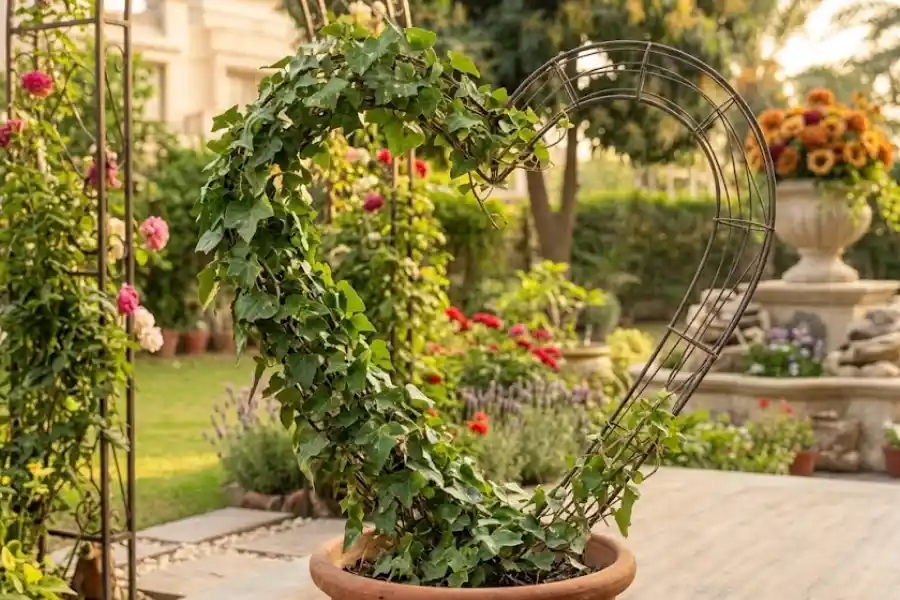
These frames are flat, like a heart or a letter. They are simple to plant, and vines such as ivy usually cover them fast.
Three-Dimensional Frames
These frames have depth, like a full animal body. They take more plant material and more time to fill in, but the result looks much more lifelike.
How to Choose the Right Topiary Frame
Picking the right frame makes the whole project easier. Here is what to check before you buy one.
- Size: Small frames fill in faster, while large frames take longer and need a bigger pot, so check how it fits into your container garden plans before you buy one.
- Material: Stainless steel lasts the longest. Galvanized wire is cheaper but still durable.
- Indoor or outdoor use: Outdoor frames need rust-proof coating. Indoor frames can be lighter.
- Shape complexity: Simple shapes like circles and hearts are best for beginners. Detailed animal shapes are better once you have more practice.
- Budget: Handmade or custom frames cost more than standard shapes from a garden store.
Two Ways to Use a Topiary Frame
There are two main methods for growing a topiary. Both work well, but they suit different plants and different amounts of patience.
Method 1: Train an Existing Plant
This method uses a plant you already have, like a boxwood, euonymus, or ivy.
- Place the topiary frame over the plant, or plant it right next to the frame.
- As new shoots grow, gently tie them to the wire with soft twine or floral wire.
- Trim any growth that pokes outside the frame.
- Repeat this every few weeks until the plant fully covers the shape.
Method 2: Stuff the Frame with Moss and Plant Directly
This method is popular for animal shapes and gives faster, fuller results.
- Soak sphagnum moss in water until it is damp but not dripping.
- Pack the moss tightly inside the frame so it holds its shape.
- Poke small holes in the moss and insert small plants, spacing them two to four inches apart.
- Thread the leaves through the wire gaps so they show on the outside.
- Water often, since moss dries out faster than soil.
A helpful tip from experienced growers: plant more densely if you want quick coverage, and space plants farther apart if you do not mind waiting a little longer for a fuller look.
Best Plants to Grow on a Topiary Frame
Some plants are simply better suited for topiary frames because they grow fast, stay small-leaved, and handle regular trimming well.
- English ivy, fast-growing and easy to train, perfect for beginners.
- Boxwood, a classic choice with small leaves and a dense look.
- Creeping fig, great for indoor topiaries because it clings to wire naturally.
- Euonymus, tough and able to handle both frames and shears.
- Rosemary, a compact herb that holds its shape well and adds a nice scent, making it a popular pick for herb garden pots.
Caring for a Topiary Frame Plant
A topiary frame is only half the job. Keeping the plant healthy is what makes the shape last.
- Watering: Moss-filled frames dry out quickly, so check them every day in warm weather.
- Fertilizing: Use a balanced fertilizer, such as a 20-20-20 mix, about once a month during the growing season.
- Trimming: Never cut more than 30 percent of the growth at one time. Step back often to check the shape.
- Light: Most topiary plants need bright light, but keep new plantings out of harsh direct sun at first.
- Winter care: Move outdoor topiaries to a sheltered spot before frost, and water them less often in winter.
Common Mistakes Beginners Make
Many first-time topiary growers run into the same few problems. Knowing them ahead of time can save you months of frustration.
- Choosing a frame that is too large. A big frame looks impressive, but it can take over a year to fill in completely.
- Overwatering or underwatering moss. Moss should feel like a damp sponge, not soaking wet or bone dry.
- Trimming too aggressively too soon. Heavy cuts early on can stress a young plant and slow its growth.
- Using the wrong wire type outdoors. Plain wire rusts quickly outside, so always check for a rust-resistant coating.
- Forgetting to rotate the frame. If one side always faces the sun, growth can become uneven.
Should You Buy or Make Your Own Topiary Frame?
You can buy a ready-made frame or build one yourself, and each option has its own benefits.
Buying a frame saves time and gives you a clean, professional shape right away. This is a good choice if you want detailed animal designs or a polished finish.
Making your own frame costs less and lets you design any shape you like. All you need is galvanized wire or chicken wire, pliers, and wire cutters. This option works well for simple shapes like hearts, circles, and letters.
How Long Does It Take for a Topiary to Fill In?
This depends on the size of the frame and the plant you choose. Small, flat frames with fast growers like ivy can fill in within a few months. Large, three-dimensional shapes can take anywhere from four to nine months, and sometimes longer for very detailed designs. Be patient. A topiary is a project that rewards steady care over time, not a quick fix.
Frequently Asked Questions
Can topiary frames be reused?
Yes. Once a plant dies back or you want a new design, you can remove the old growth, clean the frame, and use it again for a new topiary.
What is the best topiary frame material for beginners?
Galvanized wire is a good starting point. It is affordable, easy to find, and holds up well both indoors and outdoors.
Do topiary frames work for indoor plants?
Yes. Smaller frames with plants like creeping fig or small ivy work very well indoors, as long as the plant gets enough light.
How much moss do I need for a topiary frame?
This depends on the size of the frame. As a general rule, pack the moss firmly enough that it holds its shape when you press it, without leaving gaps.
Is chicken wire or solid wire better for topiary frames?
Chicken wire is lighter and easier to shape into detailed forms. Solid wire frames are sturdier and hold heavier plants better over time.
Final Thoughts
A topiary frame turns an ordinary plant into something special. Whether you choose a simple heart shape or an ambitious animal design, the process is the same: pick the right frame, train or plant it correctly, and give it steady care. With a little patience, your topiary frame will grow into a living piece of art that lasts for years.