Large Brass Swan Planter: How to Buy, Style, and Care for One
Scroll through any home decor feed right now and you will spot it: a golden swan, neck curved high, sitting on a shelf or table like it owns the room. That is the large brass swan planter, and it is having a real moment. Not because it is new. Because it is old, and old is what people are chasing right now.
If you are wondering whether this piece is worth buying, how to use it, or how to tell a real one from a cheap copy, you are in the right place. This article covers all of it: what these planters really are, why they are trending, how to spot a quality piece, and how to keep it looking good for decades.
What Is a Large Brass Swan Planter?
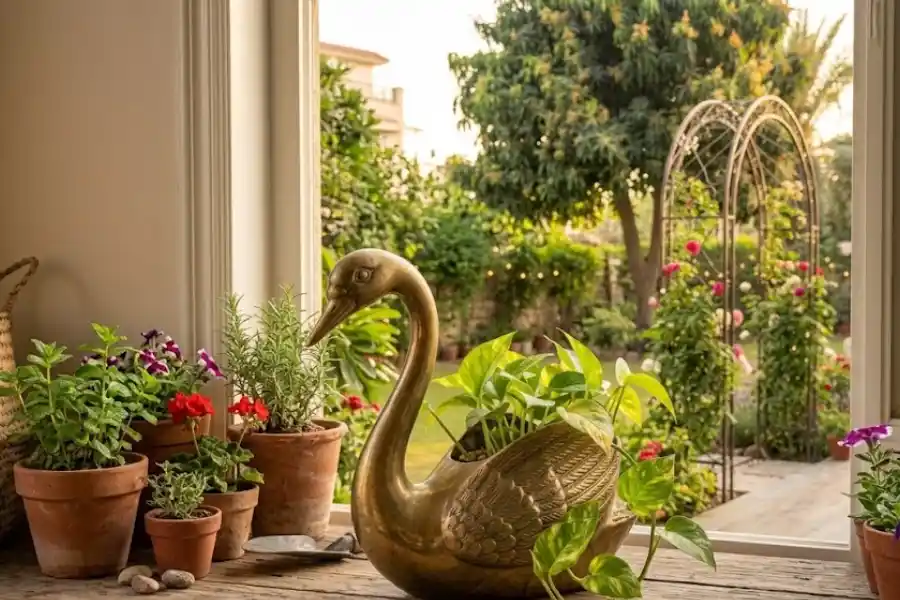
A large brass swan planter is a decorative container shaped like a swan, cast in solid brass or brass-plated metal, with a hollow space (usually along the back or between the wings) meant to hold a small plant or a decorative object. Most of the ones you see today are vintage, made in the 1970s during the Hollywood Regency design era, and a huge number were manufactured in Korea before being sold across the US and Europe.
Sizes vary a lot. A “large” brass swan planter usually runs somewhere between 10 and 17 inches tall, with a long curved neck, detailed feather texture on the wings, and sometimes a matching lid. Some pieces come as a single swan. Others come as a pair, one slightly bigger than the other, which collectors often like even more.
Why This Piece Is Suddenly Everywhere
Part of it is nostalgia. Brass and vintage decor have been climbing back into style for a few years now, replacing the all-white, all-minimal look that dominated the last decade. That same pull toward aged, characterful pieces is also behind the renewed interest in antique garden decor outdoors, just applied indoors this time. Part of it is the swan itself. Across cultures, swans stand for grace, elegance, loyalty, and calm, and interior designers have started calling this small wave of swan-shaped decor “swancore.”
A large brass swan planter fits neatly into this trend because it is both a symbol and a functional object. It looks good empty, and it looks even better with a small trailing plant tucked inside.
That mix of meaning and usefulness is rare. Most trending decor pieces are just decoration. A brass swan planter does something more than sit there.
Vintage or New? How to Tell What You’re Buying
Not every brass swan planter is the same quality, and the price difference between a real vintage piece and a modern copy can be huge. The checks below will help you tell them apart before you buy.
The Magnet Test
This is the fastest way to check. Hold a small magnet against the swan’s body. If it sticks, you are looking at brass-plated steel, not solid brass. If nothing happens, you likely have real solid brass. Sellers do not always mention this detail, so it is worth checking yourself, especially if you are buying in person.
Signs of Genuine Vintage Age
Real vintage pieces usually show soft, uneven darkening called patina, especially in the grooves of the feathers and around the base. Many original pieces also carry a small “Made in Korea” sticker on the underside, a leftover detail from the original 1970s production runs. A perfectly bright, shiny, even-colored swan with sharp new edges is almost always a modern reproduction.
New Reproductions
These are not a bad option. They cost less, they are usually lighter, and they will not carry the small dents or scratches that come with age. If you want the swancore look without spending vintage prices, a new brass-plated swan planter is a completely reasonable choice, as long as you know that is what you are getting.
Where to Put a Large Brass Swan Planter in Your Home
This piece works in more rooms than people expect. A few placements that consistently look great:
- On an entryway console table, paired with a small trailing plant like pothos
- Centered on a dining table, filled with fresh or faux greenery for a quick centerpiece
- On a bookshelf or mantel, sitting empty as a sculptural accent
- On a bathroom counter, holding a small air plant or a bar of soap
- On a bedside table, styled with dried flowers instead of a live plant
- On a covered porch table, worked into your front patio decor ideas, if you do not mind a bit more polishing
Because the shape is so detailed, a single large brass swan planter usually looks better on its own than crowded next to a lot of other objects. Give it a little breathing room and let the shape do the work.
Can You Grow Real Plants in It?
Here is something almost no seller tells you. Most brass swan planters do not have a drainage hole. That is normal for decorative metal containers, but it means you cannot just fill the swan with soil and water it like a regular pot. Water will sit at the bottom with nowhere to go, and that will rot the roots of whatever you planted.
The fix is simple, and it is the trick interior stylists use. Keep your plant in its plastic nursery pot, the one it came in from the store, and simply set that nursery pot inside the swan. This is called using the swan as a “cachepot.” When it is time to water, lift the nursery pot out, water it over a sink, let it drain fully, then set it back inside. Your brass stays dry and undamaged, and your plant stays healthy. This trick is not unique to brass planters. It is one of the most common container garden ideas for working with any decorative pot that lacks drainage holes.
Good plant choices for this setup include pothos, small ferns, English ivy, and low succulents, since they all tolerate the occasional missed watering and do not mind a snug container. If you would rather skip live plants entirely, dried pampas grass, preserved moss, or faux greenery work beautifully too, with zero risk of overwatering.
How to Clean a Brass Swan Planter Without Ruining It
This is where a lot of people accidentally destroy the very thing that makes their vintage swan valuable: its patina. Patina is the soft, darkened finish brass develops naturally over decades. It is not dirt. It is history, and it is a big part of what collectors pay for.
For regular cleaning, all you need is a soft cloth, warm water, and a small amount of mild dish soap. Wipe gently, rinse with a barely damp cloth, then dry it right away with a dry towel so no water spots form. That is enough for most maintenance.
If the swan has heavy tarnish and you genuinely want it brighter, a homemade paste of vinegar, salt, and a little flour can lift it, applied gently with a soft cloth. But think carefully before you do this on an older piece. Acidic cleaners strip away patina permanently, and once it is gone, it does not come back on its own. If your swan planter is a genuine vintage find, it is usually smarter to leave the patina alone and just dust it regularly.
How Much Does a Large Brass Swan Planter Cost?
Prices vary a lot depending on age, size, and where you buy. Here is a rough price range based on what is currently listed across marketplaces:
- New brass-plated reproductions: roughly $40 to $120
- Vintage single swan planters in good condition: roughly $150 to $400
- Vintage pairs, designer pieces, or larger statement sizes: $500 and up, sometimes well past $800 for well-known makers
Condition matters just as much as size. A swan with an intact lid, clean casting details, and no dents or splits at the seams will always sell for more than one with damage, even if they are the same age and size.
Where to Buy One, and What to Watch For
Etsy, Chairish, and 1stDibs are the most reliable places to find genuine vintage pieces right now, along with local antique shops and estate sales if you prefer to see one in person before buying. When you are comparing listings, check for a few things: hairline cracks near the neck (a common weak point), a lid that really matches the base instead of being a mismatched replacement, and photos that show the underside, since that is where sellers rarely bother to over-polish or hide flaws.
If a listing photo shows a swan that looks suspiciously perfect and mirror-bright with no patina at all, ask the seller directly whether it has been re-polished. A heavily polished vintage piece has lost some of the character (and value) that made it worth buying in the first place.
Frequently Asked Questions
Is a large brass swan planter safe to use with real plants?
Yes, as long as you keep the plant in its own nursery pot instead of planting directly into the brass. This protects both the plant’s roots and the finish of the swan.
How can I tell if my swan planter is real solid brass?
Try the magnet test. A magnet will not stick to solid brass. If it sticks, the piece is brass-plated over another metal, usually steel.
Are vintage brass swan planters really valuable?
Some are, especially larger sizes, matched pairs, and pieces from well-known 1970s Hollywood Regency makers. Condition and original patina both affect value significantly.
Can I keep a large brass swan planter outdoors?
Solid brass can handle brief outdoor exposure, but consistent rain and humidity will speed up tarnishing and may cause pitting over time. Most collectors keep these pieces indoors to protect their finish. If you want a planter built specifically to handle the elements, dedicated tall outdoor planters are a better long-term fit.
How do I stop my brass swan planter from tarnishing so fast?
After cleaning and drying it thoroughly, a very thin coat of mineral oil or brass wax can slow down new tarnish. Keeping it away from humid rooms, like an un-vented bathroom, also helps.
Final Thoughts
A large brass swan planter is a genuinely old, well-made object, and that is why it fits so well into where home decor is heading right now: warmer, more detailed, and a little more personal. Whether you pick up a true vintage piece with decades of patina or a fresh reproduction to test the look, the approach stays the same. Treat the brass gently, use a nursery pot for anything alive, and let this graceful little bird do what it has always done best: quietly make a room feel more elegant.