Woodland Garden Ideas: Layers, Costs & Common Mistakes
A woodland garden is one of the most forgiving styles you can build in a backyard, but it is also one of the easiest to get wrong. I have watched plenty of first-time gardeners plant a few ferns under a tree, call it a “woodland garden,” and then feel confused when it looks patchy a year later instead of lush. The truth is that a real woodland garden follows a simple pattern found in actual forests, and once you understand that pattern, the rest becomes easy.
Below, you will find how to read your space, which plants belong in a woodland garden, what it costs, how to build one even in a small yard, and the mistakes that trip up almost everyone in their first year. By the end, you will know how to start your own woodland garden this season.
What Is a Woodland Garden?
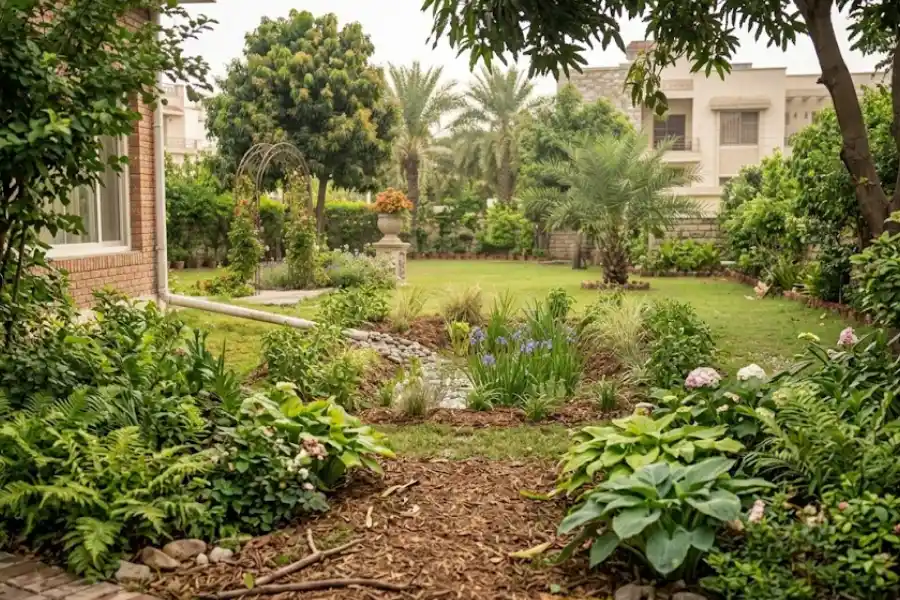
A woodland garden copies the layout of a natural forest edge. Instead of neat rows of flowers in full sun, it uses shade, layers of plants, and a soft, informal look. Think of it as bringing the feeling of a quiet forest path into your backyard, minus the bugs and the mud. For many people, that shaded, enclosed feel also makes the space perfect for garden meditation, since the layered greenery blocks outside noise and creates a private, calming corner.
The best woodland gardens are not wild or messy by accident. They are planned to look that way. Every plant has a job, and every layer supports the one above and below it.
Step 1: Study Your Space Before You Plant Anything
Before buying a single plant, spend a week just watching your yard. This step gets skipped by almost every beginner, and it is the reason so many woodland gardens fail in the first summer.
- Track the light. Walk outside a few times a day and note where the shade falls in the morning, at noon, and in the late afternoon. Most woodland gardens get dappled shade, which means light that filters through leaves rather than blocks it completely.
- Check the soil. Dig down about six inches. Woodland soil should feel loose, dark, and slightly damp, closer to what you would find under trees in a real forest. If your soil is hard clay or fast-draining sand, you will need to fix it before planting. If one section stays consistently wet after rain, borrow a few tricks from rain garden design for that patch, since those beds are built to handle standing water and pair well with the moisture-loving ferns and hostas already on your plant list.
- Watch for microclimates. A spot near a fence might stay wetter. An area under a low branch might stay drier. These small differences decide which plants will actually survive.
- Note the seasons. If your shade comes from deciduous trees, the trees will drop their leaves in fall, letting in more light through winter and spring. This matters a lot when picking plants that bloom early in the year.
The Four Layers of a Real Woodland Garden
This is the part most beginners miss. A woodland garden is not one flat bed of plants. It is built in layers, just like a real forest, and each layer has a different height and job.
1. The Canopy Layer
These are your tallest trees, the ones that create the shade everything else depends on. If you already have mature trees like oaks, maples, or beeches, you have a head start. If not, you can start with smaller canopy trees and let the garden mature around them over time.
2. The Understory Layer
Smaller trees that grow beneath the canopy, such as dogwoods, redbuds, or serviceberries. This layer softens the transition between the tall trees and the plants below and adds spring flowers or fall color.
3. The Shrub Layer
Medium-sized shrubs like azaleas, viburnum, or hydrangeas fill in the space between the trees and the ground plants. This layer adds thickness and privacy to the garden.
4. The Ground Layer
Ferns, hostas, wild ginger, and other low, spreading plants cover the forest floor. This layer is what most people picture when they think of a woodland garden, but it only looks right when the layers above it are already in place.
Best Plants for a Woodland Garden, Layer by Layer
Here is a simple starting list. Always check that a plant is suited to your USDA growing zone before buying it, since woodland plants that thrive in zone 4 will struggle badly in zone 8, and the other way around.
- Canopy trees: oak, maple, tulip poplar, or an existing mature tree you already have
- Understory trees: flowering dogwood, redbud, serviceberry, Japanese maple
- Shrubs: azalea, rhododendron, oakleaf hydrangea, witch hazel, spicebush
- Ground layer perennials: hostas, ferns, coral bells, foamflower, hellebores, woodland phlox
- Spring bloomers (ephemerals): trilliums, bloodroot, Virginia bluebells, daffodils
- Groundcovers: wild ginger, moss, creeping phlox, pachysandra
A trick that professionals use and beginners often ignore: plant in loose clusters of three or five of the same species, rather than scattering one of everything. A single hosta looks lonely. Five hostas grouped together look like they belong.
How Much Does a Woodland Garden Cost?
Most articles on this topic skip the money question entirely, so here are realistic numbers based on typical retail plant pricing in the US.
- Small starter area (roughly 100 square feet): $150 to $400 if you buy small perennials and shrubs and let them fill in over a couple of years
- Medium woodland bed (roughly 500 square feet): $800 to $2,000, depending on how many mature shrubs and understory trees you add right away
- Full professional design and install: $5,000 and up, especially if it includes paths, hardscaping, or a water feature
- Ongoing yearly cost: usually low once established, often just mulch and the occasional replacement plant, typically under $100 a year for a small garden
The cheapest way to build a woodland garden is to buy small plants and be patient. A gallon-size hosta costs a fraction of a mature one, and within two or three growing seasons, the smaller plant often catches up in size.
Small Yard? You Can Still Build a Woodland Garden
You do not need acres of land or a forest already in your backyard. Some of the best small woodland gardens I have seen were built in a single shaded corner, no bigger than a parking space.
- Use one existing tree as your anchor. Underplant it with two or three shrubs and a cluster of ferns or hostas around the base.
- Build vertically, not wide. A narrow side yard can hold all four layers if you use a small understory tree instead of a full canopy tree.
- Add a short path. Even a two-foot stretch of bark mulch or stepping stones makes a tiny space feel like a real destination instead of just a planted corner. Tuck a simple wood outdoor garden bench at the end of it, and you have somewhere to actually sit and enjoy the space.
- Use containers for the ground layer. Shade-loving plants like heuchera or small ferns do well in pots tucked between shrubs, a simple way to borrow from container garden ideas when your soil is poor or you are renting.
Common Mistakes First-Time Woodland Gardeners Make
These are the mistakes I see most often, and almost all of them are easy to avoid once you know about them.
- Planting everything at once. A woodland garden looks best when it fills in gradually. Planting too densely in year one often leads to overcrowding by year three.
- Removing all the fallen leaves. Leaf litter is free fertilizer for a woodland garden. Raking every leaf away strips the soil of the nutrients these plants naturally rely on.
- Ignoring plant zones. A plant that looks perfect in a photo online might not survive your winter or summer. Always check your zone first.
- Skipping the path. Without a path or clear edge, a woodland garden can start to look like an unplanned patch of overgrowth instead of a designed space.
- Over-clearing the understory. Some homeowners clear out every shrub to “clean up” the space, not realizing the shrub layer is what gives the garden its shape.
- Choosing invasive species. A few popular groundcovers, like English ivy in many US regions, spread aggressively and can damage nearby trees. Check your local extension office’s list before planting.
A Simple Season-by-Season Care Calendar
- Spring: Clear leaves away from plant crowns, divide overcrowded perennials, and plant new additions while the soil is cool and moist.
- Summer: Water during dry spells, especially for anything planted within the last year. Established woodland gardens usually need very little extra water.
- Fall: Let leaves fall into the beds and rake them off paths and lawns into the garden instead of bagging them. This is the single easiest thing you can do for soil health.
- Winter: Do minimal cleanup. Many perennials and seed heads provide food and shelter for birds through the colder months.
Frequently Asked Questions
How long does it take for a woodland garden to mature?
Most woodland gardens start looking full and established after two to three growing seasons. The ground layer fills in fastest, while shrubs and understory trees can take four to six years to reach a good size.
Can I build a woodland garden without mature trees already in my yard?
Yes, though it takes more patience. You can start with smaller understory trees and shade-tolerant shrubs, and add shade-loving perennials as those trees grow tall enough to cast dappled shade.
Is a woodland garden low maintenance once it is established?
Generally yes. Once the layers fill in, weeds struggle to compete, and fallen leaves feed the soil naturally, which cuts down on fertilizing and watering compared to a traditional flower bed.
What is the difference between a shade garden and a woodland garden?
A shade garden simply describes any garden grown in low light. A woodland garden is a specific style of shade garden built in distinct layers to mimic a natural forest, usually with a more informal, naturalistic layout.
Will a woodland garden attract unwanted pests or wildlife?
It will attract birds, pollinators, and beneficial insects, which is usually a good thing. Keeping mulch away from your home’s foundation and trimming plants back from walkways helps avoid problems with slugs or ticks in humid climates.
Final Thoughts
A woodland garden rewards patience more than perfection. Start with the layers, respect your light and soil conditions, resist the urge to plant everything in one weekend, and let the leaves do their job every fall. Within a few seasons, you will have a quiet, shaded retreat that looks like it has always belonged there.