Garden Meditation: How to Find Calm in Just 10 Minutes
Your garden might already be the calmest place you own. You just haven’t sat still in it long enough to notice.
Garden meditation is exactly what it sounds like: sitting or walking in your garden while you focus your mind on the present moment. No incense. No special app. No forty minute time block you don’t have. Just you, some plants, and a few quiet minutes.
By the end of this, you’ll know what garden meditation is, why it works so well, and how to start today, even if your “garden” is one pot of basil on a windowsill.
What Is Garden Meditation?
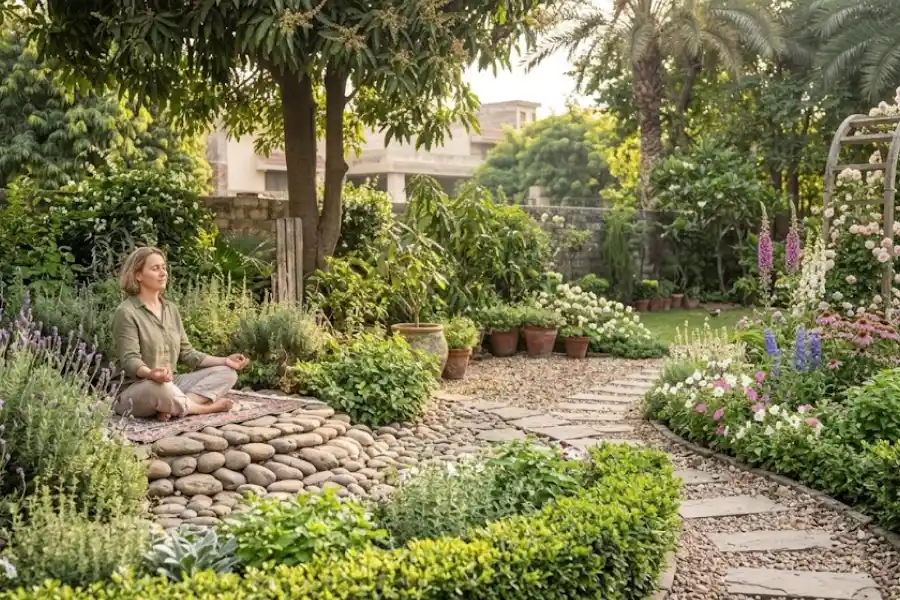
Garden meditation is a mindfulness practice you do outdoors, surrounded by plants, soil, and open air. Instead of blocking out the world like you might in a silent meditation room, you let the world in. The bird sounds, the breeze, the smell of fresh soil, all of it becomes part of your practice instead of a distraction from it.
Think of it as a mix of two habits that already reduce stress on their own: meditation and time in nature. Put them together, and you get something stronger than either one alone.
There are two main ways to practice it:
- Still garden meditation: You sit or lie in your garden and focus on your breath, your senses, or a single point of attention.
- Active garden meditation: You garden with full attention, turning tasks like weeding or watering into a slow, mindful ritual.
Both count. Neither one is more correct than the other.
Why Garden Meditation Works So Well
Most people don’t stick with meditation because sitting still in a quiet room feels boring, or even a little uncomfortable. Garden meditation solves that problem in a clever way.
Your senses have something to hold onto. The chirp of a bird, the smell of wet earth after rain, the warmth of the sun on your arms, these give your mind small anchors to return to when it wanders off. And it will wander off. That’s normal.
Time spent around plants and green space has also been linked to lower stress hormones and a calmer heart rate. Meditation on its own does something similar. Together, they seem to work faster than either practice alone, which may explain why a short garden session can leave you feeling clearer than a much longer session indoors.
A tomato plant doesn’t care if you’re behind on emails. Sitting near something that grows at its own slow pace has a way of reminding your body it’s allowed to slow down too.
How to Start Garden Meditation, Step by Step
You don’t need training for this. Here’s a simple way to begin, even on your first try.
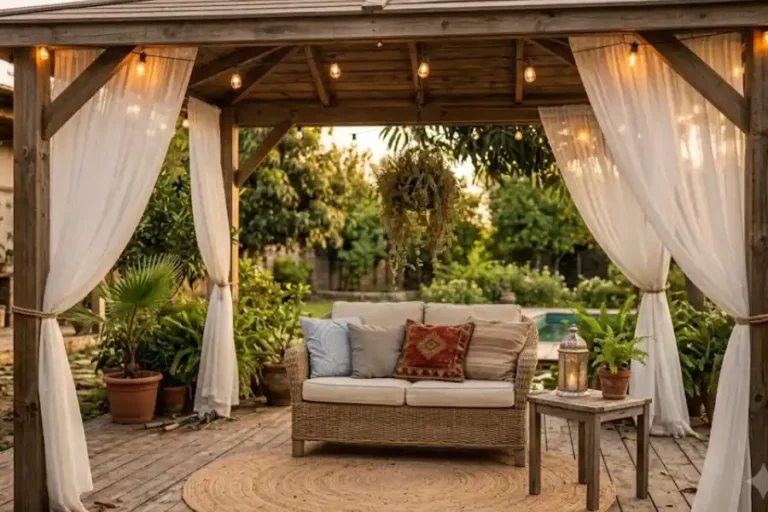
- Pick your spot. A patch of grass, a garden chair, or even a wood outdoor garden bench all work well. It doesn’t need to be pretty. It just needs to be yours for the next few minutes.
- Set a short timer. Start with five minutes. You can always sit longer once it feels natural.
- Get comfortable, but stay alert. Sit with your back fairly straight. You’re not trying to fall asleep.
- Close your eyes or soften your gaze. Let your eyes rest on one spot, like a leaf or a patch of soil, instead of scanning around.
- Notice your breath. Don’t change it. Just watch it move in and out.
- Let your senses join in. Notice sounds, smells, and the feeling of air on your skin. When your mind drifts to your to do list, gently bring it back to what you can hear or smell right now.
- End slowly. When the timer goes off, open your eyes and take a moment before you stand up and go back to your day.
That’s it. That’s the whole practice. The skill isn’t in doing it perfectly. It’s in doing it again tomorrow.
5 Garden Meditation Techniques Worth Trying
Once the basic version feels comfortable, try mixing in these techniques. Each one takes the same core idea and points it in a slightly different direction.
1. The Five Senses Check In
Sit still and silently name one thing you notice with each sense: something you see, hear, smell, feel, and, if it applies, taste. This pulls your attention out of your head and into the moment fast.
2. Single Flower Focus
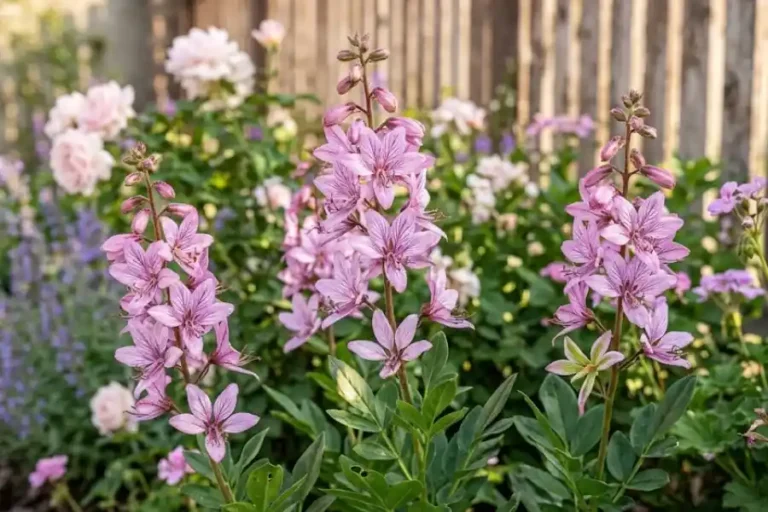
Choose one flower or leaf. Hold it gently or sit close to it. Study its color, its shape, the way light hits it. When your thoughts drift, return to that one flower. This is a great option if your mind tends to race.
3. Walking Meditation
Walk slowly along a path, around a yard, or even in circles around a small patio. Match your breath to your steps, and pay attention to how your feet meet the ground. This works well for people who find sitting still frustrating.
4. Mindful Watering
Water your plants slowly and with full attention. Notice the sound of water hitting soil, the smell it releases, and the way the plant seems to respond. This turns a chore into a form of garden meditation without adding any extra time to your day.
5. Sound Mapping
Sit still and mentally map every sound you hear, near and far, without judging any of them. A bird here, traffic there, wind in the leaves. This trains your brain to notice more and react to less.
No Garden? Here’s How to Meditate Anyway
You don’t need a big backyard for this. Garden meditation works just as well in small spaces, as long as there’s something green nearby.
- Balcony or patio: A few potted plants and a single chair are enough. Sit close to the pots so you can smell the soil and touch the leaves. Starting from scratch? Our tips on how to make a small balcony garden for beginners can help you set the space up.
- Windowsill garden: If you’re indoors, sit near your plants with the window open. Fresh air matters more than square footage.
- Shared courtyard or community garden: Many apartment buildings and neighborhoods have a small green space. Ten quiet minutes there still counts.
- No plants at all yet? Start with a single low maintenance plant, like a pothos or succulent. One plant is enough to build the habit around.
The size of your garden has almost nothing to do with how well this works. What matters is showing up and paying attention.
Common Mistakes Beginners Make
A few small habits can quietly get in the way of garden meditation. Here’s what to watch for.
- Trying to force a blank mind. Your mind will wander. That’s not failure, that’s just how minds work. The practice is in noticing and returning, not in staying perfectly focused.
- Bringing your phone just in case. Even a silent phone nearby pulls at your attention. Leave it inside, or at least out of reach.
- Waiting for the perfect garden. A messy yard or a single wilting plant works just fine. Don’t wait to start until everything looks pretty.
- Going too long, too soon. Five minutes done daily beats thirty minutes done once and never again.
Best Time of Day and Season for Garden Meditation
Early morning and early evening tend to work best. The light is soft, the air is cooler, and there’s usually less noise around. Many people also find dawn and dusk naturally calming, since that’s when the day is either just starting or slowing down.
As for season, garden meditation doesn’t have to stop in winter. If it’s cold, shorten your session, dress warmly, or move it to a sunny window looking out over your plants. Rain works too. Some people find the sound of gentle rain on leaves even more calming than sunshine.
Plants That Make Garden Meditation Easier
Certain plants seem to support a calmer mood, either through scent, texture, or sound. A few worth considering:
- Lavender: Known for its calming scent, and easy to grow in pots.
- Rosemary: A strong, grounding smell that pairs well with mindful breathing. It’s also a natural fit if you’re already growing an herb garden on a balcony.
- Ornamental grasses: They rustle gently in the wind, which is great for sound based meditation.
- Chamomile: Soft, low growing, and pleasant to touch during a senses check in.
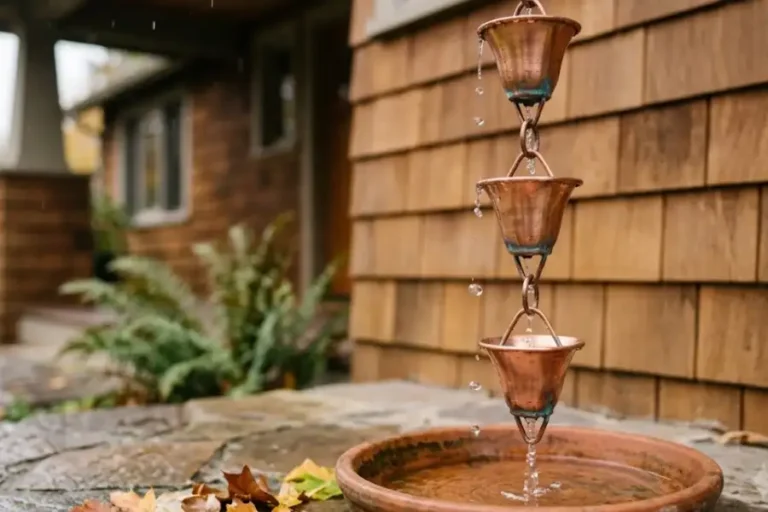
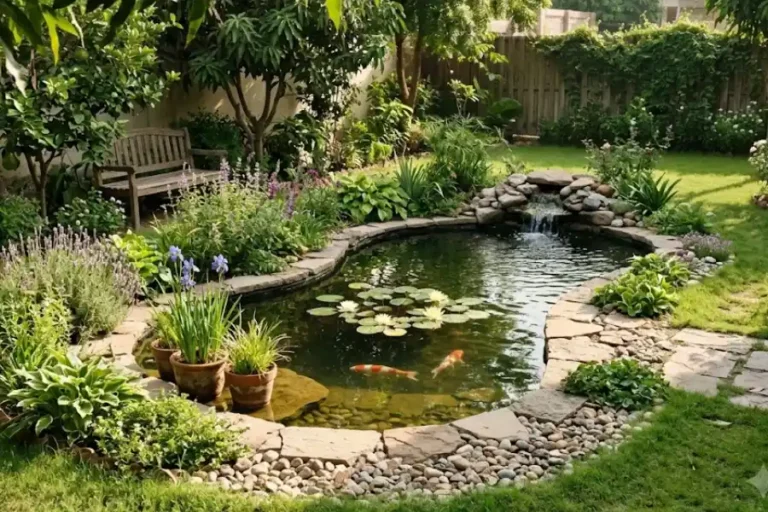
- Any plant near moving water: A small water fountain or birdbath adds a steady, soothing sound.
None of these are required. A plain patch of grass works too. But if you’re building a garden with meditation in mind, these are a solid place to start.
Frequently Asked Questions
Is garden meditation the same as mindful gardening?
They overlap, but they’re not quite the same. Garden meditation can mean sitting still in a garden with your eyes closed. Mindful gardening means bringing that same focused attention to active tasks, like weeding or planting. Many people mix both.
How long should a garden meditation session last?
Start with five to ten minutes. Once that feels easy, you can stretch it to fifteen or twenty. Longer isn’t automatically better. Consistent is better.
Can I do garden meditation without any experience in meditation?
Yes. Garden meditation is actually a gentle way to start, since the plants and fresh air give your mind something easy to focus on. You don’t need prior practice.
What if I get distracted by bugs or noise?
Let them be part of the practice instead of fighting them. Notice the sound of a passing car or a buzzing bee, then gently return your attention to your breath. Distraction is normal, not a sign you’re doing it wrong.
Does garden meditation actually reduce stress?
Many people report feeling calmer after just a few minutes, and this lines up with what’s known about both meditation and time in nature on their own. Results vary from person to person, but it’s a low cost, low risk habit worth trying for a couple of weeks to see how you feel.
A Simple Habit Worth Keeping
Garden meditation doesn’t ask much of you. No special gear, no perfect garden, no meditation experience. Just a few quiet minutes, a bit of green, and your attention.
Start small. Pick one technique from this guide, find five minutes tomorrow morning, and sit with your plants before the day gets loud. You might be surprised how much calmer you feel by the time you stand back up.