Gardenia Tree Care: How to Grow Big, Fragrant Blooms
Have you ever bought a gardenia tree, only to watch it drop its buds or turn yellow a few weeks later? You are not alone. This plant has a reputation for being fussy. But the truth is simpler than most people make it sound. Once you understand what it needs, it is not hard to grow at all. This article walks you through what this plant is, how to plant it, how to care for it, and how to fix the most common problems. By the end, you will know what it needs to thrive.
What Is a Gardenia Tree?
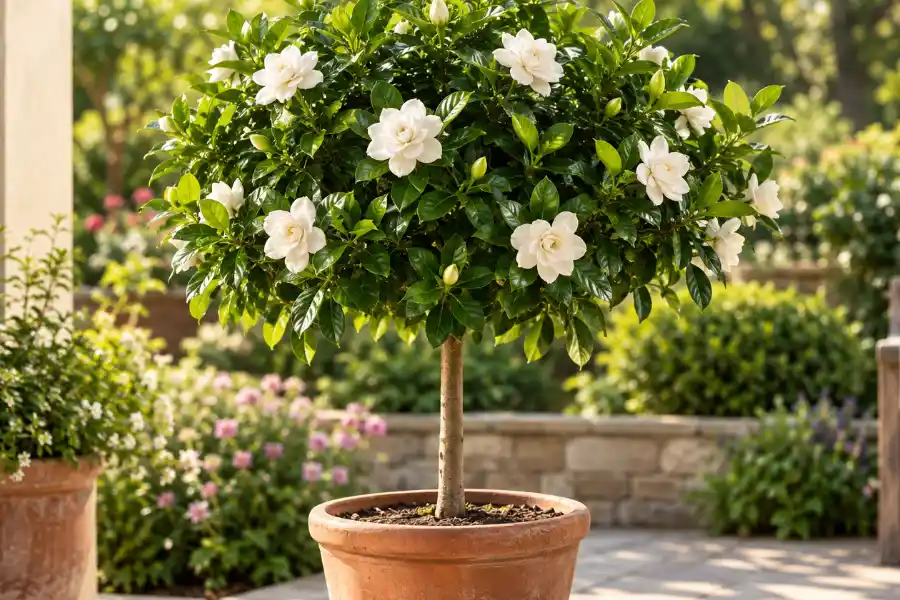
A gardenia tree is not a different plant from a gardenia bush. It is the same shrub, just trained to grow like a small tree. Growers pick one strong stem and let it grow tall. They then trim the side branches to form a neat, round top. Some growers braid three or four stems together instead. This gives the trunk a twisted, rope-like look. Either way, you end up with the same thing: a shrub with a bare trunk and a leafy crown on top.
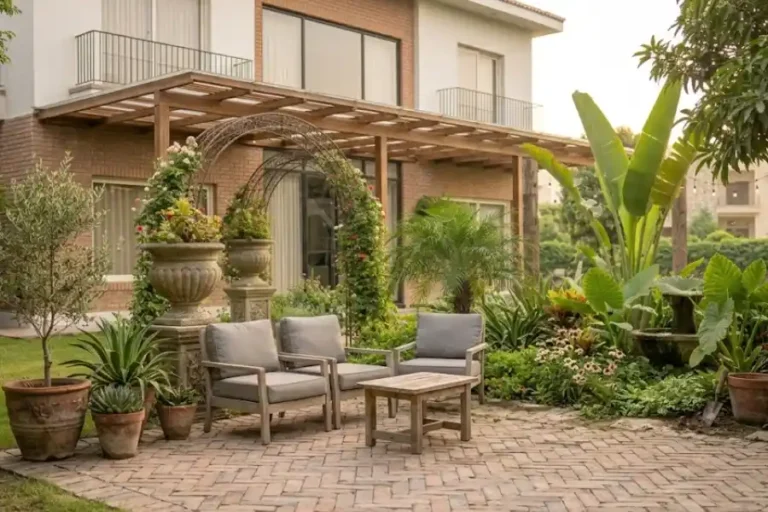
This shape is often called a “standard” or a topiary. It makes the plant look more formal and elegant, which is exactly why so many homeowners use it as a centerpiece for front patio decor or place it right beside the front door.
Where Can a Gardenia Tree Grow? Indoors or Outdoors?
This is the first question you need to answer, and it depends on your climate.
Outdoor Growing
This plant grows best outdoors in USDA zones 8 through 11. These are warm areas with mild winters, like the southern United States. If you live in one of these zones, you can plant it in the ground or leave it in a large pot outside all year.
Indoor Growing
If you live in a colder zone, do not worry. A potted gardenia tree fits perfectly into a container garden, and you can simply bring it indoors when nights get cold. Many people move their plant outside in summer and back inside for winter. This gives it the warmth it needs while it still gets fresh air and sunlight during the warm months.
How to Plant a Gardenia Tree
Planting it the right way sets it up for years of healthy growth. Follow these steps:
- Choose a tall outdoor planter or an in-ground spot with good drainage. Gardenia roots hate sitting in wet soil.
- Pick a location with morning sun and afternoon shade. Harsh afternoon sun can scorch the leaves and buds.
- Use acidic, well-draining soil. A mix made for azaleas or camellias works well.
- Dig a hole about twice as wide as the root ball, keeping it at the same depth. Planting it too low can cause root rot.
- Set the plant so the top of the root ball sits slightly above the soil line.
- Give it a thorough watering right after planting to help the roots settle in.
- Add a two-inch layer of mulch around the base, but keep it away from the trunk.
Gardenia Tree Care: The Basics
Once it is planted, good care comes down to five things: light, water, soil, humidity, and food.
Light
This plant likes bright light, but not harsh sun all day. Four to six hours of morning sun is ideal. If you grow it indoors, place it near an east-facing window.
Water
Keep the soil evenly moist, never soggy and never bone dry. Water when the top inch of soil feels dry to the touch. Always water at the base of the plant, not on the leaves. Wet leaves can lead to fungal problems.
Soil and Soil pH
This plant needs acidic soil, with a pH between 5.0 and 6.5. If your soil is too alkaline, the roots cannot take in iron and magnesium. This is one of the top causes of yellow leaves. You can test your soil pH with a simple kit from a garden store.
Humidity
These plants love humid air, especially indoors. Dry air is a common reason buds fall off before they open. Set the pot on a tray of pebbles filled with water. As the water evaporates, it raises the humidity around the leaves.
Fertilizer
Feed your gardenia tree once a month during spring and summer. Use a fertilizer made for acid-loving plants, like one made for azaleas. Stop feeding in fall and winter, when growth naturally slows down.
If you remember only one thing about growing a gardenia tree, remember this: consistency matters more than perfection. This plant reacts to sudden change, not gentle imperfection.
How to Train a Gardenia Into a Tree Shape
If you already own a bushy gardenia and want it to look like a small tree, you can train it yourself. Here is how:
- Pick the strongest, straightest stem to become the trunk.
- Remove all other stems close to the soil line.
- Stake the chosen stem, or support it with a topiary frame, to keep it growing straight and upright.
- Trim off any side shoots along the lower part of the trunk as it grows.
- Let the top branches grow and bush out to form a rounded crown.
- Once the crown fills in, trim it lightly every few months to keep a neat, round shape.
This process takes patience. It can take one to two years for the shape to fully form. But the fragrant, rounded result is worth the wait.
Pruning Your Gardenia Tree
Prune it right after it finishes blooming, usually in mid to late summer. Pruning any later can remove next year’s flower buds. Trim the crown to keep its round shape. Cut off any dead, damaged, or crossing branches. Always use clean, sharp shears to avoid spreading disease.
Common Gardenia Tree Problems and Easy Fixes
Most problems trace back to just a few root causes. Here are the ones you will see most often.
- Yellow leaves: This usually means overwatering, poor drainage, or soil that is not acidic enough. Check that water drains well and test your soil pH.
- Buds falling off before they open: This is often caused by low humidity, sudden temperature swings, or a plant that got moved recently. Keep conditions steady and humid.
- No flowers at all: This plant needs a cool period at night, around 60 to 65 degrees Fahrenheit, to set flower buds. If your home stays warm all year, it may skip blooming.
- Brown, curling leaves: This often points to under-watering or too much direct, hot sun. Move it to a spot with some afternoon shade.
- Sticky leaves or black, sooty spots: This is a sign of pests like aphids or mealybugs. Wipe the leaves with a damp cloth or use an insecticidal soap.
- Slow growth: This can mean the plant needs more food, more light, or a bigger pot. Check whether the roots have filled the container.
Seasonal Care Checklist for a Gardenia Tree
Good timing makes care much easier. Use this simple checklist through the year.
- Spring: Start feeding monthly. Watch for new buds and keep the soil consistently moist.
- Summer: Enjoy the blooms. Water more often in hot weather and provide afternoon shade.
- Fall: Stop feeding. Prepare to move potted plants indoors before the first frost.
- Winter: Keep indoor plants in bright light. Water less, and do not fertilize until spring.
Buying a Gardenia Tree: What to Look For
A little care at the store saves you a lot of trouble at home. Look for these signs of a healthy plant.
- Choose a plant with dark green, glossy leaves and no yellow spots.
- Check the trunk. It should be firm and free of cracks or soft spots.
- Look for a well-shaped crown with even branching.
- Gently slide the plant from its pot. Healthy roots are white or light tan, not brown and mushy.
- Buy from a nursery that keeps its plants in a shaded, humid spot, not baking in full sun on a hot sidewalk.
Frequently Asked Questions
Is a gardenia tree the same plant as a gardenia bush?
Yes. It is simply a gardenia bush trained to grow with a bare trunk and a rounded top. It is not a separate species.
How fast does a gardenia tree grow?
It grows slowly, usually six to twelve inches per year. Training one into a full tree shape can take one to two years.
Can a gardenia tree survive winter outdoors?
Only in USDA zones 8 through 11. In colder zones, bring your potted plant indoors before temperatures drop below 45 degrees Fahrenheit.
Are gardenia trees toxic to pets?
Gardenias are considered mildly toxic to cats and dogs if eaten. Keep the plant out of reach of curious pets.
How long do gardenia trees live?
With good care, one can live for decades. Many owners report plants still blooming after twenty or thirty years.
Why does my gardenia tree smell so strong?
The heavy scent comes from natural oils in the petals. It is strongest in the evening. This is part of why these plants are so popular near patios and windows.
Final Thoughts
A gardenia tree is not as fussy as its reputation suggests. Give it acidic soil, steady moisture, bright but gentle light, and some humidity. It will reward you with glossy leaves and some of the most fragrant flowers you can grow. After growing a few of these plants myself, the biggest secret is consistency. They do not like sudden change. Keep their care steady, and they will keep blooming for years to come.