Pond for Garden: Costs, Types, and a Simple 7-Step Build Guide
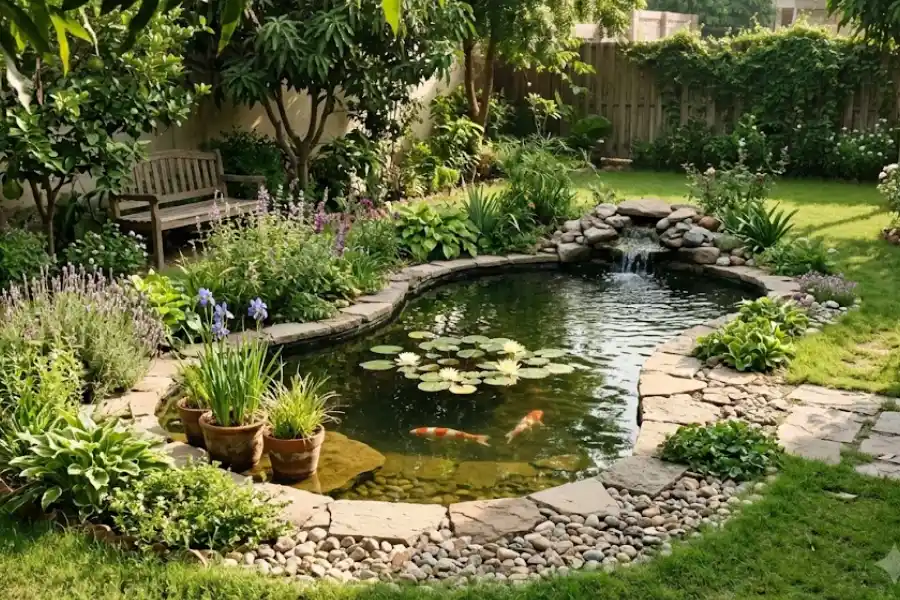
Picture this. You step into your backyard. You hear a soft trickle of water. A dragonfly lands on a leaf. A goldfish flashes orange under the sun. That is not a fancy resort. That is your own garden pond.
A pond can change how your whole yard feels. It brings sound. It brings movement. It brings life. And you do not need a huge yard or a huge budget to get one.
This article will show you what a garden pond really costs, which type fits your space, and how to build one step by step. We will also cover the mistakes most people make, plus how to keep your pond healthy once it is done.
What Is a Garden Pond?
A garden pond is a small, human-made pool of water in your yard. It can be tiny, like a bowl on your patio. Or it can be large, with fish, plants, and a waterfall.
Most garden ponds are not deep. Many are just 12 to 24 inches deep. They use a liner or a plastic shell to hold the water. Then owners add rocks, gravel, and plants around the edge to make it look natural.
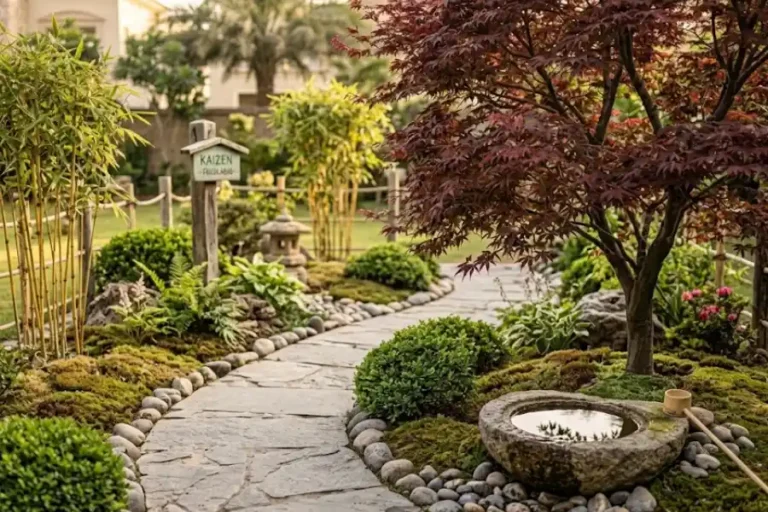
People build ponds for many reasons. Some want a peaceful spot to relax. Some want to grow water lilies. Some want to help frogs, birds, and bees. Some just want their yard to look better.
How Much Does a Garden Pond Cost?
This is the question most people ask first, and the answer is more flexible than you might think.
- Small DIY pond kit: 500 to 1,200 dollars. This usually covers a liner, a small pump, and basic edging stones.
- Professionally built decorative pond: 1,900 to 6,500 dollars.
- Koi pond: 5,100 to 15,900 dollars, since it needs to be deeper and needs stronger filters.
- Tiny container pond: under 100 dollars, made from an old tub or large pot.
Yearly upkeep also matters. Most small to mid-size ponds cost around 400 to 900 dollars a year to maintain. This covers pump checks, cleaning, and the odd repair.
A smart tip from experienced pond owners: build smaller than you think you want. A pond that fits your yard, and fits the time you are willing to spend on it, will make you happier than a huge pond that turns into a chore.
Which Type of Pond Fits You?
Not every pond looks the same, and not every pond needs the same effort. Here are the main types.
- Decorative pond. A simple pond with no fish, often with a small fountain. It is the easiest type to maintain.
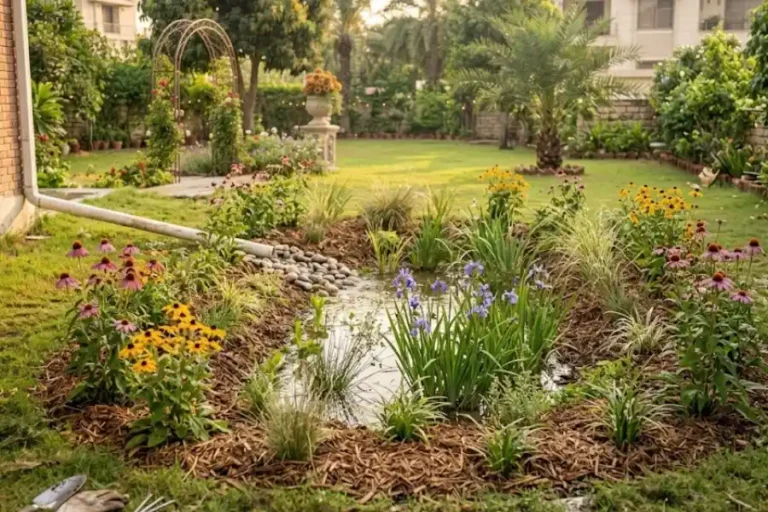
- Wildlife pond. This pond welcomes frogs, newts, dragonflies, and birds. It uses shallow, sloped edges so small animals can climb in and out safely. It needs very little equipment.
- Koi or goldfish pond. Built for fish, so it must be deeper, often 3 to 4 feet, so fish survive cold winters. It also needs a strong filter to keep the water clean.
- Container or patio pond. The smallest option. A large plant pot, an old sink, or a half wine barrel can all work. Perfect for renters, balconies, or tiny yards.
- Raised pond. Sits above ground inside a built frame. Works well if digging is hard, such as on rocky soil or a sloped yard.
How to Build a Simple Garden Pond: 7 Steps
You do not need to be a professional to build a basic pond. Here is a clear path to follow.
- Pick the right spot. Choose a place that gets some sun but not full sun all day long. Too much direct sun leads to algae. Stay away from large trees, since falling leaves and roots cause problems later.
- Decide on size and depth. For a small decorative pond, 12 to 18 inches deep is enough. If you plan to add fish, go at least 18 to 24 inches deep, or 3 to 4 feet for koi. Check your local rules first, since some areas limit pond depth if the yard is not fenced.
- Mark the shape. Use a garden hose or a rope to trace the shape on the grass. Walk around it. Look at it from your window. Adjust it until it feels right.
- Dig the hole. Dig in layers, keeping the walls as straight as possible. Add a shallow shelf near the edge, about 6 to 12 inches deep, so you can place plants there later.
- Add protection and liner. Line the hole with sand or old carpet to protect the liner from sharp rocks. Then lay a flexible pond liner or drop in a preformed shell. Smooth out folds and leave extra liner hanging over the edge.
- Fill and trim. Fill the pond slowly with water. As it fills, the liner will settle into shape. Once full, trim the extra liner, leaving enough to tuck under the edging stones.
- Add the finishing touches. Place rocks and gravel around the rim to hide the liner. Add a pump if you want moving water.Then add your plants, wait about a week before adding any fish, and consider placing Personalized Garden Stones nearby to commemorate the completion date of your new feature.
Best Plants and Fish for a Garden Pond
Plants keep pond water clear and give fish and wildlife a place to hide. Good choices include water lilies, water hyacinths, and marginal plants like iris, which sit on the shallow shelf near the edge.
If you want fish, common goldfish and shubunkins are tough and beginner friendly. Koi are beautiful but need more space, deeper water, and stronger filters. As a simple rule, plan for about 10 gallons of water for every adult goldfish or koi.
Mistakes Most People Make (and How to Avoid Them)
- Building the pond too big. A large pond looks great in photos, but it also means more cleaning, more cost, and more time. Start smaller than you think.
- Skipping the shallow shelf. Without a shallow, sloped edge, small animals like hedgehogs or frogs can fall in and struggle to get out.
- Using garden soil for pond plants. Regular soil is full of nutrients that feed algae. Use special aquatic soil instead.
- Forgetting local rules. Some towns require safety barriers like a Garden Border Fence or strictly limit pond depth for safety. Always check before you dig.
- Adding fish too soon. New ponds need time for the water to balance. Wait at least a week, sometimes longer, before adding fish.
How to Keep Your Pond Healthy
A little regular care keeps a pond looking great all year.
- Skim leaves and debris off the surface every few days, especially in fall.
- Check your pump and filter monthly to keep water moving and clear.
- Trim back plants that grow too thick, so light and air can still reach the water.
- Use rainwater when you can, since tap water carries nutrients that feed algae.
- In cold climates, add a small heater or de-icer in winter so fish have an opening for air.
A Word on Safety
Ponds look calming, but they can be risky for small children and pets. If young kids visit your home, consider a shallow design, a safety grid under the surface, or a fence around the pond area. It is a small step that protects the people you care about most.
Frequently Asked Questions
How deep should a garden pond be?
Most decorative ponds only need 12 to 18 inches. Ponds with fish should be at least 18 to 24 inches deep, and koi ponds should reach 3 to 4 feet so fish can survive winter.
Do I need a permit to build a pond?
It depends on your city and the size of your pond. Small decorative ponds usually do not need one, but larger or deeper ponds might. Check with your local building office before you dig.
Can I build a pond without a liner?
Yes, in some cases. A natural clay-lined pond is possible, but it takes more work and is less reliable at holding water than a flexible liner or shell.
What is the cheapest way to add a pond to my garden?
A container pond made from a large pot, tub, or half barrel is the cheapest option. It can cost less than 100 dollars and still bring the same calm, natural feel.
When is the best time of year to build a pond?
Spring and early fall are ideal. The weather is mild, which is easier on both you and any new plants or fish you add.
Final Thoughts
A garden pond does not need to be big, expensive, or complicated. Even a small container pond on a patio can bring the same calm sound of water and the same flash of life you see in a large koi pond. Start small, plan for the maintenance you are willing to do, and build a pond that fits your life, not just your Pinterest board.