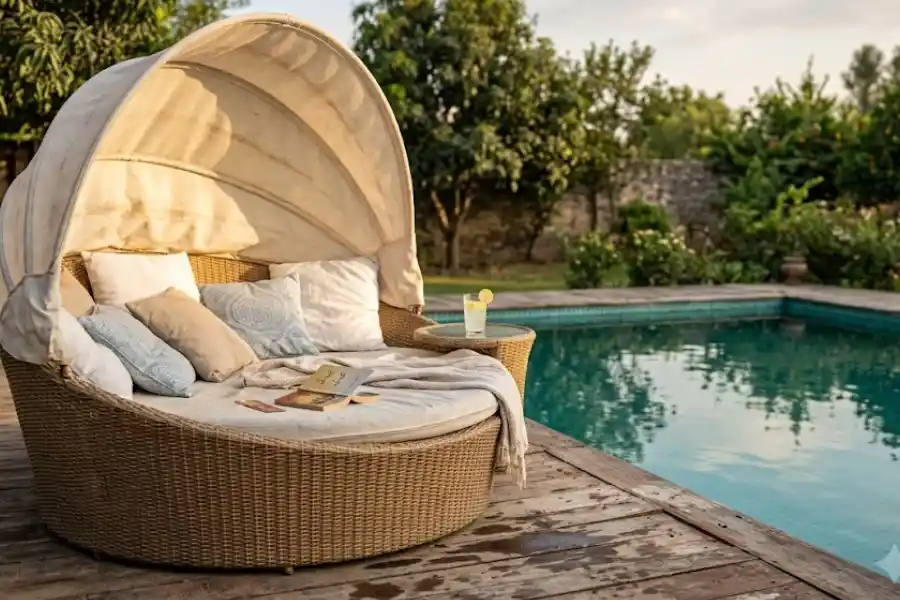
Outdoor Daybed With Canopy: The Buying Guide Others Skip
You’ve scrolled through a dozen shopping sites by now. Every one of them shows you the same pretty pictures of an outdoor daybed with canopy sitting next to a pool, with a price tag and an “Add to Cart” button. None of them tell you what really matters before you spend hundreds of dollars on one.
This article is different. It’s built for the person who wants to get this right the first time, not return a soggy, mildew-stained daybed three months later. Let’s get into it.
What Exactly Is an Outdoor Daybed With Canopy?
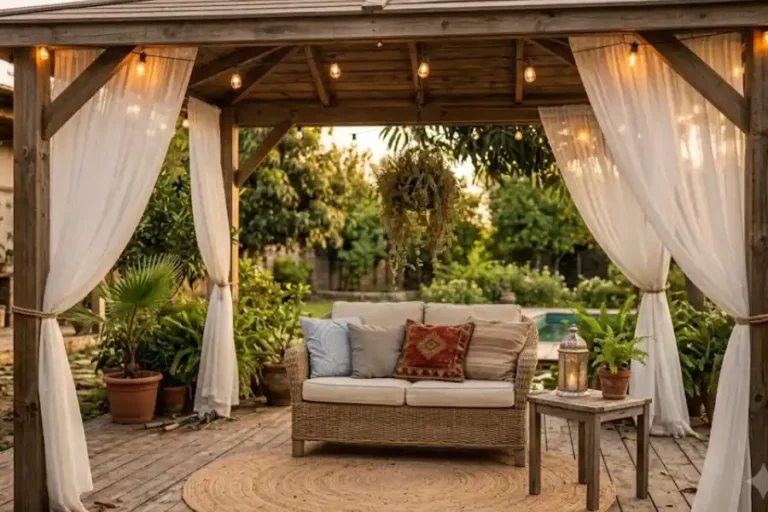
Think of it as a cross between a lounge chair and a small bed. It’s wide enough for one or two people to stretch out fully, and it comes with a fabric or metal frame overhead that blocks direct sun. Some canopies are fixed in place. Others slide back and forth, so you can choose full shade, full sun, or something in between.
People use them by the pool, on a deck, in a backyard corner, or even on a covered balcony. It’s less “extra patio chair” and more “outdoor nap station.”
Why This Piece of Furniture Is Suddenly Everywhere
Outdoor living spaces have quietly become an extension of the living room. People aren’t just grilling burgers outside anymore. They’re reading books, taking calls, and even napping in their backyards. A regular patio chair doesn’t support that. A daybed does.
The canopy is the part that makes it usable instead of just pretty. Without shade, most people can only sit outside for twenty or thirty minutes before the sun chases them back indoors. With it, you can stay out for hours, especially if you set up some solar garden lights outdoor nearby to keep the space cozy after the sun sets.
The Features That Actually Matter (And the Ones That Don’t)
Here’s where most shopping guides fail you. They talk about “style” and “elegance” without telling you what to check before buying. Let’s fix that.
1. Frame Material
This decides how long your daybed survives outdoors.
- Aluminum: Light, rust-proof, and easy to move. Great if you live somewhere humid or near the coast.
- Teak wood: Naturally weather-resistant and ages into a nice silvery-gray color. It costs more but lasts for decades if you treat it once a year.
- Steel: Strong and sturdy, but it can rust over time unless it’s powder-coated. Check for that coating before you buy.
- Resin wicker (synthetic rattan): Looks like natural wicker but won’t rot or crack in the sun. This is usually the safest budget-friendly pick.
2. Canopy Fabric
Not all canopy fabric is equal, even if it looks the same in a photo. Look for fabric labeled “solution-dyed” or “Sunbrella.” These resist fading, mold, and mildew far better than cheap printed polyester, which often turns dull and grey within a single summer.
3. Cushion Covers
Rain happens, even under a canopy. Cushions should have zip-off, machine-washable covers made from quick-dry foam. If a listing doesn’t mention this, assume the cushions will hold water and grow mildew after the first storm.
4. Canopy Type: Fixed vs Retractable
A fixed canopy is simpler and usually cheaper. A retractable one gives you more control, since you can slide it open on cloudy days and closed when the sun is harsh. If you live somewhere with strong afternoon sun, retractable is worth the extra cost.
Popular Styles to Choose From
Once you know the materials, the next decision is shape and layout.
- Round daybeds: Cocoon-shaped and cozy, great for small patios or as a standalone statement piece.
- Rectangular double daybeds: Best for couples or families who want to lounge side by side. Many come with a side table attached.
- Hanging or swinging daybeds: Suspended from a stand, these add gentle motion, which people love for reading or relaxing. If you enjoy that slow, calming movement but want something more compact, an Outdoor Rocking Chair can be a great alternative, especially for smaller patios or balcony setups where a full daybed might feel too bulky.
- Sectional daybeds: Modular pieces that can be rearranged into a sofa, a lounge, or a full daybed depending on the day, giving you the exact same styling flexibility as a standard garden corner couch.
Where to Place It (This Part Gets Skipped Constantly)
Placement affects both comfort and how long your daybed lasts. A few things worth thinking through before you set it up:
- Avoid placing it directly under trees. Falling sap, leaves, and bird droppings will stain the canopy fast.
- Leave at least a few feet of open space around it. Cramped corners trap moisture and slow down drying after rain.
- If your area gets strong wind, choose a spot with a wall or fence nearby to block gusts, or pick a daybed with a low, wide base so it won’t tip.
- Near a pool is popular, but splashing water speeds up wear on cushions. A splash guard or a few extra feet of distance helps a lot.
Maintenance: The Part That Determines If It Lasts 2 Years or 10
This is the section almost every competing article leaves out completely, and it’s the single biggest factor in whether your daybed still looks good five years from now.
- Wipe the frame monthly. Dust and pollen build up and trap moisture against the material, which speeds up wear.
- Store cushions during heavy rain or winter. Even water-resistant foam breaks down faster with constant soaking.
- Wash the canopy fabric twice a year with mild soap and water. Avoid bleach unless the label specifically allows it.
- Tighten bolts and joints every few months. Outdoor furniture naturally loosens with temperature swings between day and night.
- Use a furniture cover during storms or off-season months. This single habit can add years to the fabric’s life.
Mistakes People Make When Buying One
After looking through dozens of real buyer reviews, the same complaints keep showing up. Here’s how to avoid becoming one of them.
- Buying based on photos alone. Always check the actual dimensions against your patio space. Daybeds look smaller in wide product photos than they really are.
- Ignoring the weight limit. Some budget models only support one adult comfortably, even if it’s marketed as a “double” daybed.
- Skipping the assembly reviews. Some models take two people and over an hour to put together. If you’re doing it alone, look for reviews that mention easy solo assembly.
- Choosing looks over fabric quality. A gorgeous canopy that fades in one season isn’t a good deal, no matter how cheap it was.
What You Should Expect to Pay
Prices vary a lot depending on material and size, but here’s a realistic breakdown:
- Budget range ($300–$700): Resin wicker frames, fixed canopy, smaller single-person size.
- Mid-range ($700–$1,500): Steel or aluminum frames, retractable canopy, room for two, better cushion quality.
- High-end ($1,500 and up): Teak wood, premium Sunbrella fabric, larger double or sectional builds, made to last a decade or more.
A good rule of thumb: if a “premium looking” daybed is priced far below the mid-range, check the fabric and frame material closely before buying. That gap usually means a shortcut was taken somewhere.
Frequently Asked Questions
Can an outdoor daybed with canopy stay outside all year?
It depends on your climate. In mild weather, most can stay out year-round with occasional cover use. In areas with heavy snow or strong storms, it’s best to store the cushions and canopy indoors during the off-season, even if the frame itself is weather-rated.
Is a retractable canopy worth the extra cost?
If you use your daybed often and want control over sun and shade throughout the day, yes. If you mainly want fixed shade and won’t adjust it often, a fixed canopy will save you money without losing much function.
How much space do I need for one?
A single daybed typically needs about 4 to 5 feet of width and 6 to 7 feet of length, plus a little breathing room around it. Double and sectional models can need 8 feet or more, so always measure your space before ordering.
Do these daybeds work on a balcony?
Smaller round or single daybeds can work well on larger balconies, as long as there’s enough weight support and space to fully open the canopy without it hitting a wall or railing.
Final Thoughts
An outdoor daybed with canopy is more than a nice-looking purchase. It’s an investment in actually using your backyard instead of just staring at it through a window. The right one, chosen with the right frame, fabric, and placement, can turn an unused corner of your yard into the spot everyone fights over on a sunny afternoon.
Take your time, check the details this guide covered, and you’ll end up with a daybed that still looks great years from now, not one that fades and sags after a single summer.