River Rock Landscaping, Costs & Mistakes to Avoid
Your front yard says a lot before anyone even knocks on your door. If it looks tired, patchy, or covered in dying mulch, people notice. That’s why so many homeowners are switching to river rock landscaping. It looks clean. It barely needs any work. And it can turn a boring yard into something people actually stop to admire.
But here’s the catch. Not every river rock project turns out well. Some yards look stunning. Others look like a pile of gravel dumped in the wrong place. The difference usually comes down to a few small decisions: the right rock size, the right depth, and knowing what mistakes to avoid before you start.
This article walks you through everything. We’ll cover the best river rock landscaping ideas, real cost numbers for 2026, step-by-step installation tips, and the mistakes that trip up most first-time DIYers. By the end, you’ll know what to do, and what to skip.
What Is River Rock Landscaping?
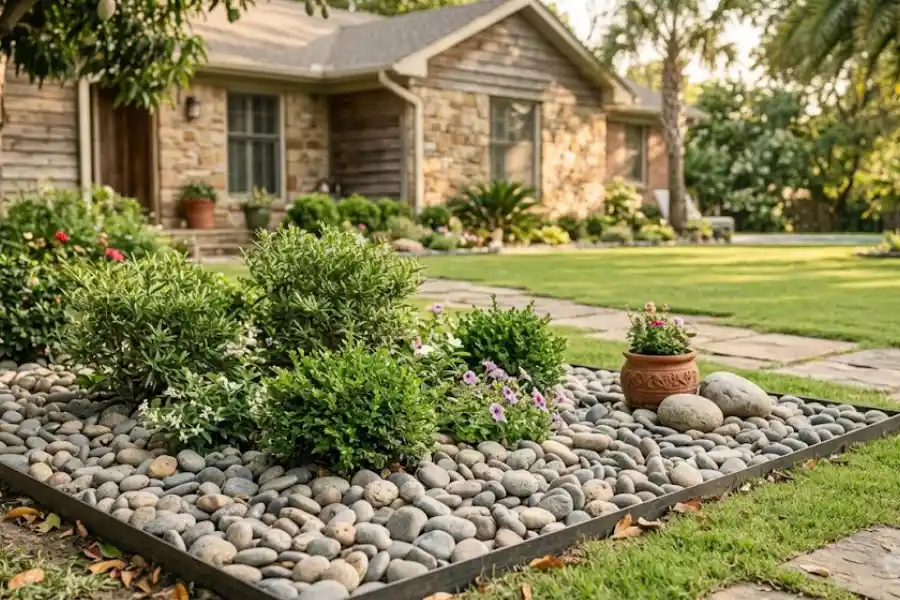
River rock landscaping means using smooth, rounded stones (the kind naturally shaped by moving water) to cover garden beds, pathways, or entire yard sections instead of grass or mulch. These stones come in many sizes, from small pea-sized pebbles to large cobblestones several inches wide.
Landscapers like this material for one big reason: it lasts. Mulch breaks down and needs replacing every year or two. River rock just sits there, year after year, holding its color and shape. That’s a major reason it has become one of the most requested features in modern yard design.
Why So Many Homeowners Are Switching to River Rock
There are real reasons behind the trend, and they go beyond looks.
- Low maintenance. No mowing, no constant watering, no yearly mulch refresh.
- Drought tolerance. Perfect for dry climates or areas where you want to cut back on water use.
- Erosion and drainage control. Rocks slow down water runoff and help direct it away from your home’s foundation.
- Weed suppression. When installed correctly, rock beds block sunlight from reaching weed seeds.
- Long-term value. Rock doesn’t rot, fade quickly, or wash away like mulch does in heavy rain.
That combination of low upkeep and high curb appeal is a big part of why river rock landscaping keeps showing up in yard makeovers across the country.
The Best River Rock Landscaping Ideas for a Standout Yard
1. The Dry Creek Bed
This is the single most popular design right now, and for good reason. A dry creek bed mimics a natural stream winding through your yard, using rock instead of water. It does more than look nice, too. Many homeowners use it as a functional drainage path, directing rainwater away from the house during storms. Designers sometimes call this a “bioswale,” a fancy term for a rock channel that quietly solves a water problem while looking beautiful.
2. A River Rock Pathway
Instead of pouring concrete, line a walking path with river rock bordered by pavers, brick, or wood edging. It’s cheaper than a full hardscape project and gives your yard a natural, relaxed feel.
3. Ground Cover for Flower Beds
Swap out mulch in your flower beds for river rock. It frames your plants nicely, controls weeds, and never needs replacing after a heavy rainstorm washes half your mulch onto the sidewalk.
4. Foundation Border
Placing river rock along your home’s foundation protects the siding from soil splashback during rain and keeps moisture-loving pests away from the base of your house, ensuring a clean view right from your outdoor rocking chair on the porch.
5. Water Feature Accents
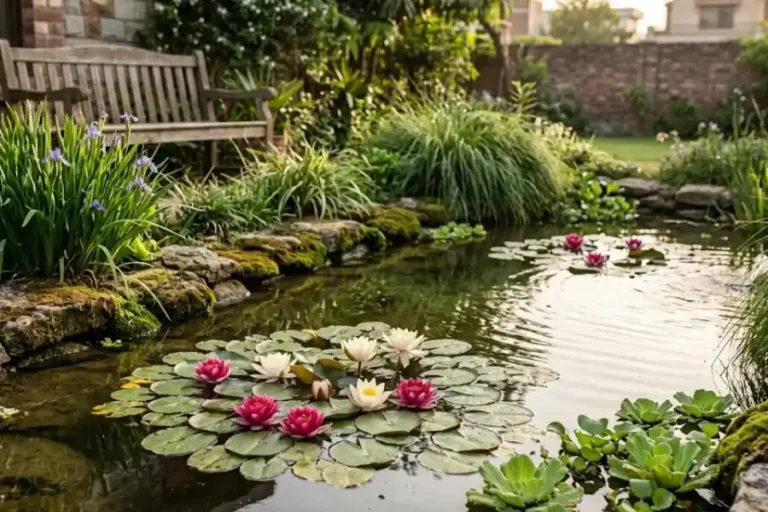
Ponds, fountains, and small waterfalls look far more natural when surrounded by river rock instead of bare dirt or concrete edging.
6. A Full Xeriscape Yard
If you live somewhere hot and dry, consider replacing your entire lawn with a xeriscape design: river rock, drought-tolerant plants, and ornamental grasses. It’s one of the most dramatic ways to cut your water bill while still having a yard that looks intentional, leaving you a clean, low-maintenance spot to set up a comfortable outdoor chaise lounge and relax.
A Quick Note on 2026 Color Trends
Classic blue-gray river rock is still a safe, enduring choice. But warmer tones like “greige” stone, sandy tan pebbles, and terracotta shades are gaining popularity because they pair well with the natural wood and cream-colored home exteriors that are trending right now.
River Rock Landscaping Cost: What to Really Expect
This is where a lot of guides get vague. Let’s get specific instead.
On average, river rock costs between $2.75 and $6 per square foot, or roughly $50 to $160 per cubic yard for standard types. Rare or premium colors can push that number as high as $900 per cubic yard, so your final price depends heavily on the look you’re going for.
To put that in real numbers: a typical river rock landscaping project covering 250 to 800 square feet, using 3 to 6 cubic yards of stone, usually costs somewhere between $700 and $2,375 including both materials and professional installation.
If you’re doing it yourself, expect to spend around $290 to $455 to cover a 100-square-foot area, once you factor in the rock, landscaping fabric, and basic tools. Hiring a professional typically runs $3 to $6 per square foot, which covers excavation, fabric installation, and proper placement.
One detail most guides skip: coverage depends on depth as much as it depends on area. A single ton of river rock covers about 100 square feet at a 2-inch depth, but only 70 square feet at 3 inches, and 50 square feet at 4 inches. Always order 10 to 15 percent extra to cover settling and spreading loss.
How to Install River Rock the Right Way
- Measure your space. Multiply length by width to get your square footage. Break irregular shapes into smaller rectangles and add them together.
- Choose your depth. Use 3 to 4 inches for decorative beds, 4 to 6 inches for drainage and erosion control areas, and 6 to 12 inches for a dry creek bed.
- Clear the area. Remove grass, weeds, and roots completely before you start.
- Lay landscaping fabric. This step matters more than people realize. It stops weeds from pushing through and keeps smaller rocks from sinking into the soil over time.
- Add edging. Install a border of brick, metal, or plastic edging to stop rocks from migrating into your lawn.
- Spread the rock evenly. Work in small sections and use a rake to distribute stones at a consistent depth.
- Check your slope. Make sure the ground has a slight tilt away from your home so water drains properly instead of pooling near the foundation.
Common Mistakes That Ruin a River Rock Project
Most river rock landscaping failures come from skipping one of these steps.
- Skipping the landscape fabric. Without it, weeds grow right through the gaps, and small rocks slowly sink into the dirt.
- Using the wrong depth. Too thin, and weeds break through. Too thick, and you’re wasting money on stone that serves no extra purpose.
- Forgetting edging. Without a clear border, rocks spread into your lawn every time it rains or someone mows nearby.
- Placing rock directly against wood siding. This traps moisture near your home and can attract pests like termites over time.
- Ignoring drainage slope. Flat or improperly sloped rock beds can cause water to pool near your foundation instead of flowing away.
- Mixing incompatible rock sizes without a plan. Random mixing can look chaotic instead of intentional. Stick to one or two complementary sizes and colors.
Choosing the Right Type of River Rock
Not all river rock looks or performs the same way.
- Pea gravel is small, affordable, and great for large coverage areas or pathways.
- Mexican beach pebbles are smooth and dark, often used for modern, minimalist designs.
- Polished river rock has a glossy finish, ideal for accent areas like water features.
- Premium colored stone, like salt and pepper or Cherokee blends, costs more but creates a striking, high-end look.
For most front yards, a mix of medium-sized stones (1 to 3 inches) offers the best balance between coverage, cost, and visual texture.
Frequently Asked Questions
Do I need landscaping fabric under river rock?
Yes, in almost every case. Fabric prevents weeds from growing through the rock and stops stones from sinking into the soil over time. Skipping it usually means redoing the project within a year or two.
How deep should river rock be for landscaping?
For decorative garden beds, 3 to 4 inches is standard. Drainage areas need 4 to 6 inches, and a dry creek bed usually needs 6 to 12 inches to handle water flow properly.
Does river rock attract snakes or pests?
Loosely piled, larger rocks can create hiding spots for pests. Using a tightly packed layer over fabric, with proper edging, significantly reduces this risk.
Can I install river rock over mulch?
It’s not recommended. Mulch breaks down over time and can cause the rock layer above it to sink unevenly. Remove old mulch first, then install fabric before adding rock.
How long does river rock landscaping last?
With proper installation, river rock can last 15 to 20 years or longer without needing replacement, making it one of the most cost-effective long-term landscaping choices available.
Final Thoughts
River rock landscaping is more than a passing trend. It’s a smart upgrade that saves time, cuts water use, and genuinely improves how a yard looks and feels. The projects that succeed all share the same foundation: proper depth, quality fabric, solid edging, and a plan for drainage. Skip those steps, and even the most expensive stone will look messy within a year.
Get the setup right the first time, and river rock becomes one of the lowest-maintenance, highest-value investments you can make in your outdoor space.