
Cloches for Garden: Protect Plants and Grow Weeks Earlier
One cold night can wipe out weeks of work. You plant your tomato seedlings, feel proud, and then a late frost turns them black by morning. Almost every gardener has been there at least once.
The fix is cheap, simple, and very old. It is a cloche. Cloches for garden beds work like tiny greenhouses that you can move around. They trap warmth, block wind, and keep pests off young plants. Below, we cover which type to buy, how to use it, and the one mistake that kills more plants than frost does.
Quick answer: A garden cloche is a clear cover that sits over a plant and holds in the sun’s heat. It usually adds about 2 to 5 degrees Fahrenheit. That can be enough to save a plant from a light frost and add 3 to 4 weeks to your growing season. You must vent it on warm days, or the plant can cook.
What Is a Garden Cloche?
The word cloche is French for “bell.” The first cloches were bell-shaped glass domes, and gardeners have used them since the 1600s. Today, a cloche can be glass, plastic, mesh, or even a milk jug with the bottom cut off.
A cloche has no floor. It sits right on the soil, so the plant grows in the ground while the cover acts like a small greenhouse. Sunlight passes through the clear cover and warms the air and soil. At night, the cover holds some of that warmth in and blocks cold wind.
Why Use Cloches for Garden Plants?
You do not need a big budget or a big yard to get real benefits. Here is what a good cloche can do for you:
- Start the season early. Set a cloche over bare soil a week or two before planting. The soil warms up faster, and seeds and transplants get a stronger start.
- Guard against light frost. A few degrees of extra warmth can mean the difference between a healthy plant and a dead one.
- Block wind, hail, and heavy rain. Young stems are soft. A cover keeps them safe from rough weather.
- Keep pests away. Mesh and wire styles help keep out birds, rabbits, and insects.
- Extend the fall harvest. Cover late crops when nights turn cold, and you can keep picking for several more weeks.
- Cost far less than a greenhouse. You can buy a set for the price of a few lunches, or make one for free.
Types of Garden Cloches (and When to Use Each)
Glass Bell Cloches
These are the classic style. They look lovely in a flower bed or kitchen garden. Glass lets in plenty of light and holds heat well. The downsides are weight, price, and the risk of breaking. They work best over single plants. If most of your plants live in pots, these container garden ideas may help.
Plastic Bell and Dome Cloches
Plastic domes are light, cheap, and tough. Many come with a vent on top. Their curved walls also help keep water from dripping onto the leaves. They are a smart pick for beginners.
Lantern Cloches
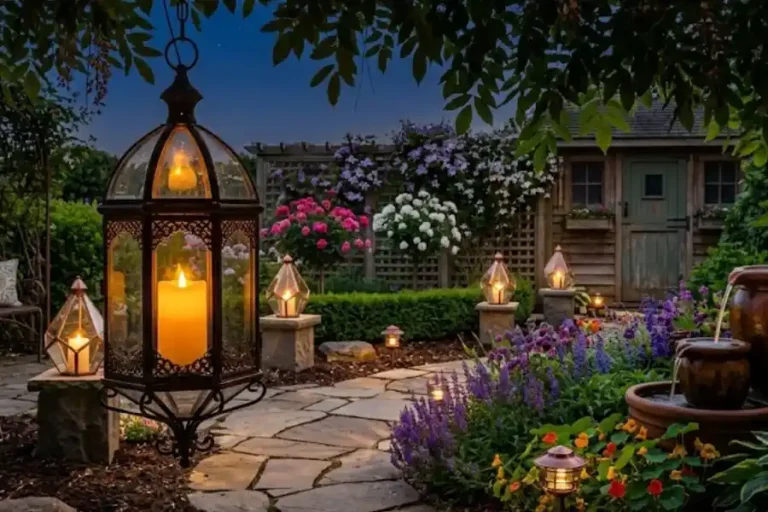
A lantern cloche is a frame with glass panes. It is mostly a decorative piece, but you use it the same way as a bell cloche. It is a nice choice if you want your garden to look good, too.
Tunnel Cloches
A tunnel cloche is a row of hoops covered with clear plastic. It protects a whole row at once. On a sunny day, the inside can get up to 20 degrees warmer than the air outside. That is great for speeding up growth, but it also means you must open the ends to let heat out.
Pop-Up and Mesh Cloches
Pop-up cloches fold flat for storage and spring open over a plant. Mesh versions let air and water through. They are better for stopping bugs and birds than for stopping frost. If pests are your main worry on a larger bed, netting for garden beds is another simple fix.
Homemade Cloches
Cut-open milk jugs and water jugs work very well. Large glass jars work too, but they heat up fast on bright days, so you need to lift them off for air.
How to Choose the Right Cloche
Before you buy cloches for garden use, ask yourself a few simple questions:
- How big will the plant get? Pick a cloche with room to grow, or plan to remove it when the plant touches the top.
- Do I need to cover one plant or a whole row? Bells suit single plants. Tunnels suit rows. Tunnels also fit raised beds well. If you are still planning one, this 4×8 raised garden bed planting layout is a good place to start.
- Does it have a vent? A vent on top or a removable top makes your life much easier.
- Will it blow away? Light plastic needs pegs, stones, or soil on the edges.
- Where will I store it? Pop-up and stackable styles save space.
- What is my goal? Warmth, pest control, and looks all point to different styles.
If you are not sure, start small. Buy or make a few cloches and see how they work in your yard before you spend more.
How to Use a Garden Cloche Step by Step
- Find your last frost date. Your local extension office can tell you the average date for your area. Cloches help most in the weeks around that date.
- Warm the soil first. Put the cloche on bare, damp soil one to two weeks before planting. Damp soil holds heat better than dry soil.
- Plant your seedling or sow your seeds. Plant as you normally would.
- Cover the plant. Push the edge of the cloche gently into the soil so cold air cannot slip underneath.
- Anchor it. Use pegs, stakes, or stones, especially on windy sites.
- Vent every sunny morning. Open the top, prop up one side, or lift the cloche off completely.
- Close it before sunset. Put it back in place in the late afternoon so it can hold the day’s warmth overnight.
- Remove it for good when nights stay mild. Also remove it when the plant outgrows it.
The Number One Mistake: Overheating
Most people worry about cold. The bigger danger is heat. A cloche is small and often has no vents, so the air inside can heat up very fast. The smaller the cloche, the faster it heats. Garden experts warn that plants can be harmed or killed when the temperature climbs about 10 degrees above the top of what that crop likes.
To avoid it, follow these tips:
- Check your cloches on every sunny day, even when the air feels chilly.
- Lift them off, or prop them open, by mid-morning.
- Use a cheap thermometer inside one cloche so you can see what is really happening.
- With a milk jug cloche, take the cap off when the outdoor temperature is 32 degrees Fahrenheit or warmer.
- On cool, cloudy days, you can usually leave the cover on.
If you work away from home all day, choose a cloche with a vent on top, or leave a small gap open on days when the forecast is bright.
What Cloches Cannot Do
A cloche is helpful, but it is not magic. Knowing the limits will save your plants.
- It will not stop a hard freeze. Most cloches and fabric covers protect plants only down to about 28 degrees Fahrenheit. If the forecast is colder, add a layer of garden fleece or a blanket over the top for the night.
- It does not hold much heat overnight. A cloche adds only a few degrees, and it cools fast after sunset.
- It can block pollinators. Plants like squash and cucumbers need bees to set fruit. Once flowers open, leave the cloche off or open during the day.
- It can hide slugs. A cozy, damp cover is a perfect home for them. Check under it often.
- It can keep rain out. A solid dome may block water, so check the soil and water by hand when it feels dry.
Best Plants to Grow Under Cloches
Cloches shine with plants that hate the cold. Tomatoes, peppers, basil, cucumbers, squash, and melons can all be hurt by temperatures near the low 30s. A cloche gives them a safer start in spring and a longer run in fall. Small domes also fit neatly over herb garden pots outdoors, which can help a pot of basil get through a chilly night.
Other good choices include:
- Young seedlings of almost any vegetable
- Tender herbs
- Lettuce and other leafy greens in the fall
- Early strawberries
- Newly planted flowers that need a gentle start
Cloche vs. Row Cover vs. Cold Frame
Cloches are not the only way to protect plants. They compare like this:
- Cloche: Best for single plants or small groups. It is easy to move and quick to set up.
- Row cover: A sheet of fabric laid over a row. It raises the temperature by about 2 to 6 degrees, and medium weights protect plants down to about 28 degrees Fahrenheit. It is cheap and works well for long rows.
- Cold frame: A box with a clear lid. It can run 10 to 20 degrees warmer than the air outside, but it needs careful venting and is harder to move.
Many gardeners use all three. A cloche is the best pick when you only have a few plants to guard.
How to Make a Milk Jug Cloche in Five Minutes
You do not have to spend any money to try cloches for garden beds. A plastic jug is a great place to start.
- Rinse out a clean plastic milk or water jug.
- Cut off the bottom with scissors or a sharp knife. Be careful.
- Set the jug over a small plant so the open bottom rests on the soil.
- Push the edge into the soil. Add a stake or stone if it is windy.
- Keep the cap on during freezing nights. Take it off when the weather is warmer to let air flow through.
The open top gives the plant a little ventilation, so it will not overheat as quickly as it would under a sealed cover.
How to Care for Your Cloches
A little care makes cloches last for years:
- Wash them with mild soap and water at the end of the season.
- Let them dry fully before you store them.
- Stack bell cloches carefully, and fold pop-up styles flat.
- Check glass and plastic for cracks before each season.
- Keep them out of direct sun while in storage, since long sun exposure can make cheap plastic brittle.
Frequently Asked Questions
Do cloches protect plants from frost?
Yes, from light frost. Most cloches protect plants down to about 28 degrees Fahrenheit. In a hard freeze, add a fleece or blanket over the top.
Can I leave a cloche on all day?
You can on cool or cloudy days. On sunny days, you need to vent it or take it off, or the plant can overheat.
What can I use instead of a store-bought cloche?
Cut-open plastic jugs, clear plastic bottles, and large glass jars all work. Glass jars heat up fastest, so lift them off for air on bright days.
Do I need to water plants under a cloche?
Yes. A solid cover can keep rain out. Check the soil often and water by hand when it feels dry.
When should I take cloches off for good?
Take them off when nights stay mild and the danger of frost has passed. Also remove them when the plant gets too big, or when flowers need pollinators.
Which is better, glass or plastic?
Glass looks beautiful and holds heat well, but it is heavy and can break. Plastic is cheaper, lighter, and often comes with vents. For most beginners, plastic is the easier choice.
Final Thoughts
Cloches for garden use are one of the easiest ways to get a head start on spring and hold on to fall. They are small, low-cost, and simple to use. Just remember three rules: warm the soil early, vent on sunny days, and add extra cover when a hard freeze is coming.
Start with two or three cloches this season. Watch how your plants respond, and you will soon know how many you need.