Decorative Garden Stakes: The Simple Trick That Makes Any Yard Look Finished
You water your plants. You pull the weeds. You trim the hedges. But your yard still feels like it’s missing something. If that sounds familiar, you are not alone. Many gardeners hit this exact wall, and the fix is often smaller (and cheaper) than you think.
The answer is often decorative garden stakes. These small pieces of yard art can turn a plain flower bed into a space that feels planned, personal, and alive. In this article, you will learn what they are, which types work best, where to place them, and the mistakes that make a yard look cluttered instead of charming.
What Are Decorative Garden Stakes?
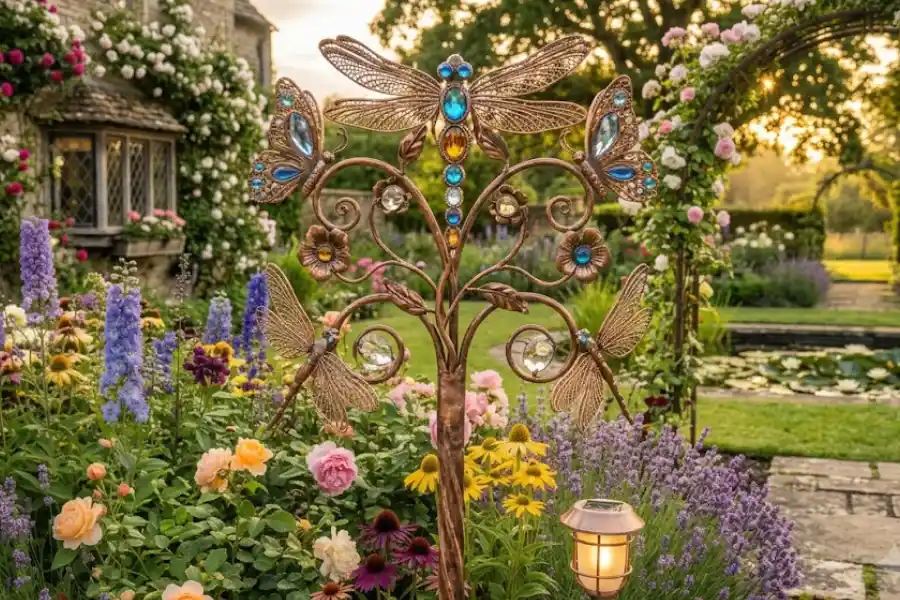
Decorative garden stakes are standalone yard accents made to be pushed straight into soil, mulch, or grass. Unlike plant stakes, which hold up tomatoes or tall flowers, these stakes are not there to support anything. Their only job is to look good.
You will find them shaped like birds, dragonflies, suns, flowers, and even miniature signs, which pair beautifully if you are already looking for Garden Sign.Many are made from metal, though wood, glass, and weatherproof plastic are common too. Some even light up at night using a small solar panel.
Why One Small Stake Can Change the Whole Yard
Here is something most garden blogs never mention: a yard with only plants can still look flat, even when everything is healthy and green. That is because plants alone rarely give a space height, color, and personality all at once, especially early in the season before flowers bloom.
A single well-placed stake breaks that flatness. It gives your eye something to land on. It adds a story to a corner of the yard that used to feel empty.
Think of garden stakes the way you’d think of a picture frame on a bare wall. The wall was fine before. But the frame is what makes the room feel finished, acting as a small anchor point much like a Decorative Garden Bridge does over a dry creek bed.
Types of Decorative Garden Stakes to Know
Not all stakes serve the same purpose. Knowing the main types will help you pick the right one for your space and your style.
Metal Art Stakes
These are the most common and the most durable. Powder-coated steel can handle rain, sun, and soil for years without rusting through. Look for silhouettes of flowers, birds, or abstract shapes that add a sculptural touch.
Solar Light Stakes
These do double duty. During the day, they look like ordinary garden art. At night, a small solar panel powers tiny LED lights, giving you a soft glow along a path or flower bed. Most charge during the day and run for 6 to 8 hours after dark.
Animal and Wildlife Stakes
Frogs, bunnies, roosters, and dragonflies fall into this group. They tend to look best in twos or threes, placed at slightly different heights, rather than alone. A single animal stake can look lonely in a large bed.
Wind Spinners and Whirligigs
These add movement, along with color. A gentle breeze turns the spinner, catching light and drawing the eye. They work well near patios or seating areas where people will notice the motion.
Seasonal and Holiday Stakes
Pumpkins for fall, snowflakes for winter, flags for summer. These are meant to be swapped out, so buy ones that store easily and hold up to a few seasons of use.
How to Choose the Right Material
Material affects both looks and lifespan. Here is a simple breakdown:
- Metal: Long-lasting and weather resistant. Powder-coated steel resists rust the best. Slightly pricier, but worth it for a stake you want to keep for years.
- Wood: Warm, natural look. Good for cottage or rustic gardens. Tends to crack or warp after a few seasons, especially in wet climates.
- Glass: Beautiful in sunlight, especially stained glass designs. More fragile, so better for spots away from foot traffic or falling branches.
- Plastic or resin: Budget-friendly and light. Fine for short-term or seasonal decor, but colors can fade faster under strong sun.
If you live somewhere with harsh winters or a lot of rain, metal and treated resin will hold up the longest. If you mostly decorate for a season and then pack the stakes away, wood or lightweight plastic works just fine.
Where to Place Garden Stakes (So They Look Good)
Placement is where most people go wrong. Sticking one stake in the middle of a bare patch of grass rarely looks intentional. A few simple habits make a big difference.
- Layer by height. Put taller stakes, 4 feet or more, toward the back of a border. Medium stakes go in the middle. Small accents sit near the front, close to the edge of the bed.
- Group in odd numbers. Three stakes of the same style, spaced a bit apart, look far more natural than one stake standing alone.
- Match your garden’s mood. A modern metal sculpture looks out of place in a cottage garden full of soft, wild flowers. Pick a style that fits what is already growing there.
- Use empty spots, not crowded ones. Stakes work best in beds that feel bare or unfinished, not ones already packed with blooms.
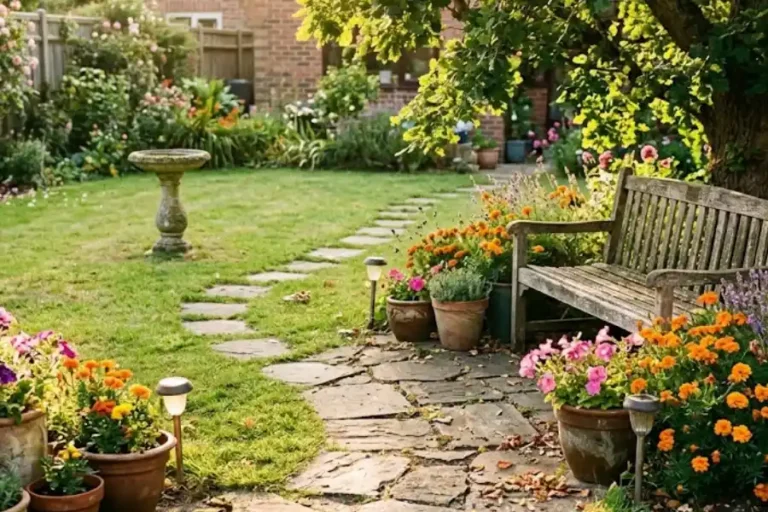
- Keep pathways in mind. Solar stakes shine (literally) when placed along a walkway, entry point, or the edge of a patio.
Common Mistakes to Avoid
A few small errors can turn a nice idea into a cluttered yard. Watch out for these:
- Too many styles at once. Mixing five different themes in one small bed feels chaotic. Pick one or two styles and stick with them.
- Ignoring the stake’s true height. Always check the full height listed by the seller, including the part that goes into the ground. A stake can look shorter in a photo than it will in your yard.
- Skipping the weather check. A stake that is not rust-resistant or UV-treated can fade or corrode within a single season, especially in sunny or rainy regions.
- Placing stakes in soil that is too dry or too hard. Water the ground lightly before pushing a stake in. It will go in straighter and sit more securely.
Caring for Garden Stakes Through the Seasons
Most decorative stakes need very little upkeep, but a bit of care goes a long way.
- Wipe metal stakes down with a damp cloth a few times a year to clear dust, pollen, and dirt buildup.
- Bring solar stakes’ panels level with the sun and wipe them clean so they charge properly.
- Store wood and glass stakes indoors or in a shed over winter if your area gets heavy snow or freezing temperatures.
- Check the ground stake (the part in the soil) each spring. Bent or rusted tips can be gently straightened or replaced without buying a whole new piece.
Garden Stakes Make Thoughtful Gifts, Too
Garden stakes are one of the easiest gifts for someone who loves their yard. A personalized sign, a memorial stake for a lost pet, or a simple copper dragonfly can mean more than a store-bought bouquet that wilts in a week. Because they last for years, they tend to become a small, lasting part of someone’s garden story.
Frequently Asked Questions
Do decorative garden stakes attract birds or wildlife?
Not usually. Their main job is visual, not functional. If you want to attract birds or butterflies, pair your stakes with a bird feeder, birdbath, or pollinator-friendly plants nearby.
Are decorative garden stakes safe to leave outside all year?
Many are weather-resistant and can stay outside year-round, especially metal and treated resin designs. Wood and glass stakes usually last longer if you bring them in during harsh winters.
How far into the ground should I push a garden stake?
Most decorative stakes only need 4 to 8 inches in the soil to stand firmly. Taller or heavier pieces may need a bit more depth for stability, especially in windy areas.
Can I mix decorative stakes with plant supports in the same bed?
Yes. Just keep them visually separate where possible. A tall plant stake tucked behind foliage and a decorative stake near the front edge of the bed can share space without competing for attention.
What is the best material for a beginner to start with?
Powder-coated metal is a safe first choice. It holds up well outdoors, needs almost no upkeep, and works with nearly any garden style.
A garden does not need to be big or perfectly planned to feel special. Sometimes all it takes is one small, well-placed piece of art pushed into the soil. Start with a single stake in a spot that feels unfinished, and see how much life it brings to that little corner of your yard.