Garden Bench Outdoor: Materials, Sizes, Placement & Care Guide
Here is what most people do. They see a garden bench they like online, check the price, order it, and then wonder why it looks out of place or falls apart after one rainy season. A garden bench seems like a simple purchase. But a few small decisions make a huge difference between a bench you love for ten years and one that collects dust in your garage.
This article walks through what matters most before you spend a single dollar. By the time you finish reading, you’ll have a clear sense of what material to pick, what size works best, where to place your bench, and how to keep it looking great year after year.
What Makes an Outdoor Garden Bench Different From Regular Patio Seating?
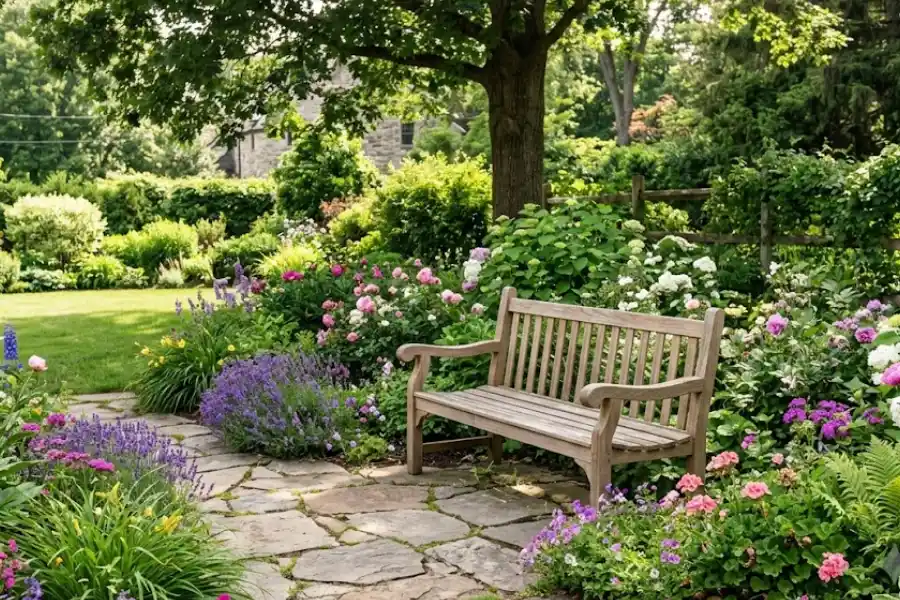
An outdoor garden bench is designed to live outside through all kinds of weather. It can sit on a patio, at the end of a garden path, under a tree, or beside a flower bed. Unlike an outdoor chair, a bench seats two or more people and adds a completely different feel to your yard.
A good bench does two things at once. It gives you a comfortable place to sit and enjoy your garden. And it makes your outdoor space look more put-together, like it was planned with care. A poorly chosen bench does the opposite. It sits there looking out of place and gets ignored.
Who Needs an Outdoor Garden Bench?
People buy garden benches for many different reasons. Knowing your reason will help you choose the right one.
- Homeowners who want a relaxing spot outside where they can sit, read, or just enjoy the view
- People with larger yards or gardens who want to create a destination point within the space
- Families who need flexible extra seating for outdoor gatherings and cookouts
- Garden design enthusiasts who want the bench to work as a visual feature, beyond plain function
- People with smaller outdoor spaces who need seating that does not take up as much room as a full outdoor sofa set
There is no single right reason to buy a garden bench. But knowing your reason helps you pick the right style, size, and material from the start.
The 5 Main Outdoor Garden Bench Materials (And What to Expect From Each)
This is the single most important decision you will make. The material affects how long the bench lasts, how much work it needs, how it looks, and what it costs. Here’s a closer look at each option and how it tends to hold up once it’s outside.
1. Wood Garden Benches
Wood is the classic choice. It has a warm, natural look that fits into almost any garden style. But not all outdoor wood is the same, and the differences matter a lot.
Teak is the top choice for outdoor wood furniture. It is naturally oily, which means it resists water, rot, and insects without much treatment. Teak benches can last 20 to 30 years with only basic care. The downside is cost. Teak is one of the more expensive options on the market.
Cedar is lighter and more affordable than teak. It contains natural oils that resist rot and insects. Cedar needs to be sealed or oiled every year or two, but it is a solid mid-range choice.
Eucalyptus and acacia are popular affordable hardwoods that look beautiful and hold up well outdoors. They need occasional oiling to stay in good shape, but they are easier on the budget than teak.
Pine and other softwoods are the cheapest wood options. They look great when new but need regular care to hold up outdoors. Untreated softwood benches can start to show wear within one or two seasons.
Best for: People who love a natural, warm look and do not mind basic seasonal maintenance.
2. Metal Garden Benches
Metal benches are strong and can look elegant or modern depending on the design. There are a few types worth knowing.
Cast iron has a classic ornate look. It is extremely heavy and very durable. The main issue is rust. Cast iron needs rust-resistant paint applied every couple of years or it will corrode over time.
Steel benches are sturdy and come in many styles. Like cast iron, they can rust if not properly coated. Powder-coated steel gives much better rust resistance and is worth the small extra cost.
Aluminum is the best metal choice for most outdoor benches. It does not rust at all. It is lightweight enough to move around easily. And it handles all weather conditions year after year. Aluminum is one of the lowest-maintenance options available.
Best for: People who want a durable, stylish bench with very little ongoing upkeep. Aluminum is the standout option in this category.
3. Plastic and HDPE Resin Benches
Plastic benches have a bad reputation, but modern HDPE (high-density polyethylene) benches are a completely different product. HDPE is made from recycled plastic, looks similar to painted wood, and requires almost zero maintenance.
It does not rot, rust, crack, peel, or fade in sunlight. You can clean it with just soap and water. Some brands make HDPE benches that carry 20-year warranties. They are an outstanding choice for anyone who wants zero ongoing maintenance.
Cheap plastic benches from discount stores are a different story. They can crack, fade in the sun, and tip over in the wind. If you go the plastic route, spend a little more for genuine HDPE. The difference in quality is significant.
Best for: People who want a truly maintenance-free bench that holds up in any climate, including harsh winters and hot summers.
4. Concrete and Stone Benches
Concrete and stone benches are built to last for generations. They handle all weather conditions with ease and develop a beautiful, aged look over time. They work especially well near water features, at the end of garden paths, or as a permanent focal point in a landscape design.
The trade-off is weight. These benches do not move once they are placed. And they can be uncomfortable to sit on for long periods without a cushion.
Best for: People who want a permanent, decorative statement bench in a fixed garden location.
5. Wicker and Resin Rattan Benches
Natural wicker should not be left outdoors. It warps and breaks quickly when exposed to the elements. But synthetic resin wicker is a different product. It looks great, handles sun and rain well, and is easy to clean. Resin wicker benches often come with cushions and have a relaxed, comfortable feel that is hard to match.
Best for: People who want a casual, comfortable look on a covered patio, porch, or screened outdoor area.
Garden Bench Styles: Which One Fits Your Space?
The material is only part of the decision. The style matters just as much. Here are the main options and when each one makes sense.
Classic Garden Bench With a Back
This is what most people picture when they think of a garden bench. It has a backrest, usually seats two to three people, and looks great in almost any setting. It is the most comfortable style for anyone planning to sit for more than a few minutes.
Backless Garden Bench
A backless bench is flat, simple, and very flexible. You can tuck it neatly under a dining table when it is not in use. It works well in small spaces and is easy to move around. The downside is that it offers no back support, so it is better suited for shorter sits or for use as extra dining seating.
Storage Bench
A storage bench has a hidden compartment under the seat. It is perfect for storing cushions, garden tools, pool accessories, or outdoor toys. This is a smart choice for anyone who wants to keep their patio organized without adding extra storage boxes.
Glider Bench
A glider bench moves back and forth smoothly on a fixed base. It is one of the most relaxing options and does not need to be installed or anchored. It works beautifully on a porch or patio where you have enough room to enjoy the motion.
Curved and Corner Benches
If you want to make the most of a corner space or a circular fire pit area, a curved bench is a smart pick. These benches wrap around a defined space and can seat several people while creating a natural, cozy gathering spot.
What Size Outdoor Garden Bench Do You Need?
Size is one of the most common places people go wrong. Here are the standard measurements to know before you shop.
- Width: A bench for two people is usually 48 to 52 inches wide. For three or more people, look for 60 inches or longer.
- Seat height: Most garden benches sit 17 to 19 inches from the ground. This is comfortable for most adults. Benches below 16 inches can be difficult to stand up from.
- Seat depth: Standard depth is 17 to 22 inches. Deeper seats are more comfortable for taller people and longer sitting sessions.
Before you order, measure your space. Leave at least 18 inches in front of the bench so people can sit and stand without feeling cramped. Leave a few inches on each side as well. A bench that is too large for the space will make your yard feel cluttered and the bench will look like it does not belong there.
Where to Place Your Outdoor Garden Bench (This Decision Changes Everything)
Most people place a bench wherever it happens to fit. That is a mistake. Where you put a bench determines whether you ever sit on it or just walk past it every day without sitting down.
Here are the placement ideas that work best, based on how experienced garden designers approach it.
Against a Wall or Fence
Placing a bench against a solid wall or fence gives it a visual anchor, especially if you decorate that wall with DIY outdoor garden mirrors to reflect the surrounding greenery. It looks like it belongs there instead of floating in the middle of your yard. This is one of the simplest and most effective tricks to make a bench look like it was always meant to be in that spot.
Under a Tree
A bench under a tree gives you shade during hot months and a natural sense of enclosure, which you can enhance by placing a few white outdoor garden pots nearby. It instantly feels like a destination. One important tip: make sure the ground underneath drains well. Bench legs sitting in wet or muddy soil can cause rot and damage over time.
Near a Water Feature
Placing a bench near a fountain, pond, or birdbath creates one of the most calming spots in any garden. The sound of moving water naturally invites you to slow down and sit. Garden designers consistently point to water-feature placement as one of the best uses of an outdoor bench.
At the End of a Garden Path
A bench at the end of a garden path gives people a reason to walk through the space. It becomes a destination that draws you deeper into the garden. It also draws the eye through the entire yard, which makes even smaller gardens feel larger and more layered.
In a Sheltered Corner
Tucking a bench into a corner surrounded by tall plants, a trellis, or a garden screen creates a private nook. Add cushions and a solar lantern and you have a cozy outdoor reading spot that gets used again and again.
A bench that faces a blank wall or an empty fence almost never gets used. Always orient your bench toward something worth looking at: a flower bed, a garden view, a water feature, or an open stretch of yard. The view from the bench is just as important as the bench itself.
How to Keep Your Outdoor Garden Bench Looking Great Year After Year
The best bench in the world will look rough in three years if you neglect it. Here is what each type of bench needs to stay in good shape.
Wood Bench Maintenance
Clean your wooden bench with warm soapy water and a soft brush at least twice a year, once in spring and once in fall. Apply teak oil to teak and eucalyptus benches once a year to keep the wood nourished. For cedar and softwoods, use a wood sealant or varnish every one to two years. In winter, use a fitted waterproof cover or store it in a garage or shed.
Here is something many people overlook: the biggest enemy of outdoor wood is not rain. It is water sitting in small cracks, freezing overnight, and splitting the wood from the inside. Seal any visible cracks before the cold season arrives.
Metal Bench Maintenance
Wipe down metal benches regularly to stop moisture from sitting on the surface. Check for rust spots every spring. Remove rust with white vinegar and a stiff brush, then apply a rust-resistant paint or primer. Aluminum benches need almost no care at all and can usually be left outside year-round.
HDPE and Plastic Bench Maintenance
Rinse with a garden hose and scrub with mild soap when needed. That is about all it takes. HDPE benches are as close to maintenance-free as outdoor furniture gets. If you want something you can truly forget about for years at a time, HDPE is the answer.
Concrete and Stone Bench Maintenance
Brush off debris regularly. In cold climates, cover stone benches in winter to prevent water from seeping into small surface cracks and freezing. Frozen water expanding inside stone can cause chipping and cracking over time, especially with concrete.
5 Mistakes People Make When Buying a Garden Bench
These are the most common errors that lead to buyer regret, and every single one is avoidable with a little planning.
- Choosing based on looks alone. A beautiful bench made from the wrong material for your local climate will let you down fast. Always think about weather resistance first, then style.
- Getting the size wrong. A bench that is too long overwhelms small spaces. One that is too short looks lost in a large garden. Always measure your space before ordering and check the bench dimensions carefully.
- Ignoring placement. A bench dropped in the center of a lawn with nothing around it looks like an afterthought. Place it against something, near something, or facing something worth looking at.
- Skipping maintenance entirely. Even the toughest outdoor bench benefits from seasonal care. Skipping it can cut your bench’s lifespan in half or more.
- Forgetting about comfort. A bench that looks great in a photo but has no back support, sits too low, or offers no cushion option will never become your favorite place to sit. Prioritize comfort alongside style.
Frequently Asked Questions
What is the best material for a garden bench that stays outside all year?
Teak, aluminum, HDPE resin, and concrete are the best materials for year-round outdoor exposure. They handle rain, sun, frost, and wind without needing a lot of ongoing care. Teak and HDPE are the most popular for home gardens because they look great and are built to last for decades.
How long does an outdoor garden bench last?
A well-made outdoor garden bench can last 10 to 30 years or longer, depending on the material and how well you care for it. Teak benches often last 20 to 30 years with basic care. HDPE resin benches frequently come with 20-year warranties. Metal benches last 10 to 20 years when rust is kept in check. Budget softwood benches may only last 3 to 5 years without regular treatment and protection.
What size outdoor garden bench seats two people comfortably?
A bench that is 48 to 52 inches wide is comfortable for two adults. If you want a little more breathing room, go up to 60 inches. For seat height, 17 to 19 inches from the ground is the standard comfortable range for most adults.
How do I make my outdoor garden bench more comfortable?
Add a bench cushion made from weather-resistant outdoor fabric. Look for foam wrapped in polyester or acrylic fabric, which holds up well in sun and light rain. A lumbar pillow adds useful support for longer sits. If the bench has no armrests, a small side table nearby gives you somewhere handy to set a drink or a book.
Can I leave my garden bench outside during winter?
It depends on the material. Teak, aluminum, HDPE resin, and stone benches can generally stay outside through winter without a problem. Other wood benches should be treated before cold weather arrives and covered or stored if possible. Metal benches prone to rust should be covered or moved indoors. At a minimum, a good fitted waterproof cover is worth the investment for any bench left outside in wet or freezing conditions.
How often should I oil or treat a wooden garden bench?
Teak benches benefit from teak oil applied once a year, though they can survive for years without it. Cedar and other hardwood benches need oiling or sealing every one to two years. Softwood benches need treatment once a year or more often in wet climates. A simple test: pour a few drops of water on the bench surface. If the water soaks in instead of beading up, it is time to apply a fresh coat of oil or sealant.
What is the standard height for an outdoor garden bench?
Most outdoor garden benches are 17 to 19 inches from the ground to the top of the seat. This is considered the most comfortable height for the average adult. Benches much lower than 16 inches can be hard to stand up from. Benches above 20 inches may leave shorter adults with their feet off the ground.
Do I need to anchor my garden bench to the ground?
Most residential garden benches do not need to be anchored. However, if you live in an area with strong winds, if your bench is very lightweight, or if it is placed on a slope, anchoring it is a smart safety step. Metal L-brackets can secure a bench to a hard surface like concrete or decking. Some benches come with pre-drilled holes or anchor kits for this purpose.
Final Thoughts
The best outdoor garden bench is not always the most expensive one or the prettiest one in the catalog. It is the one that fits your space, suits your climate, matches how you really live outdoors, and is easy enough to maintain that you do not keep putting it off.
Start with the material. Then think about size and placement. Add a cushion for comfort. Spend ten minutes on basic maintenance twice a year. Do those four things and your garden bench will be one of the most used and most enjoyed additions you ever make to your outdoor space.
Your garden deserves a spot where you really want to sit down and stay a while. The right bench gives you just that.