How to Plan an Outdoor Entertaining Area (Layout, Cost, Tips)
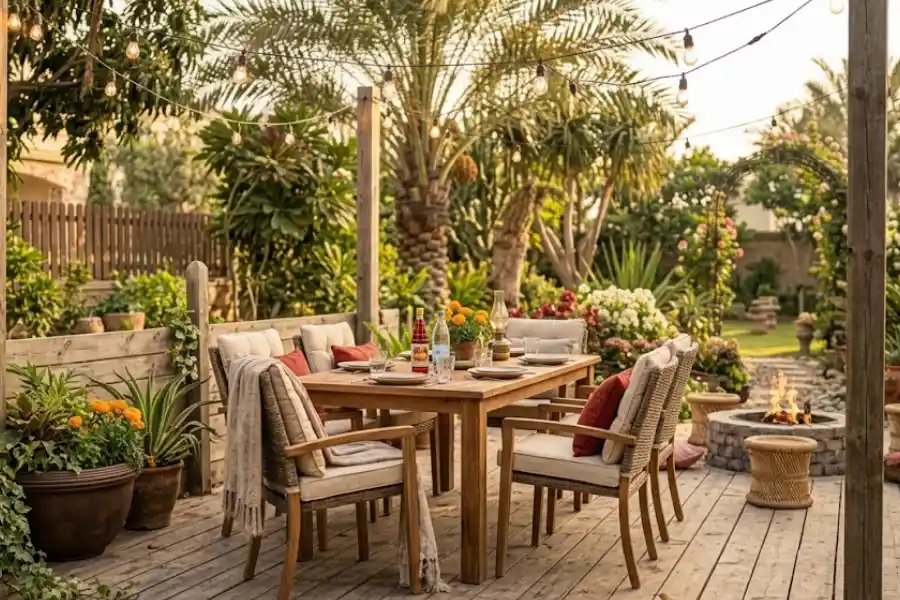
You have seen the photos. A pergola dripping with string lights. A built in bar with a stone counter. A fire pit with happy people around it. It looks perfect. Then you step into your own backyard. You feel stuck.
Here is the truth. Most articles about an outdoor entertaining area show you pretty pictures. But they skip the planning part. They do not tell you how big your space should be. They do not tell you what it will cost. They do not warn you about the mistakes that ruin the whole thing. This one does.
By the end, you will know how to plan, build, and use an outdoor entertaining area. One that fits your yard. One that fits your budget. One that fits how you host people. No fluff. Just a clear plan you can start this weekend.
What Counts as an Outdoor Entertaining Area?
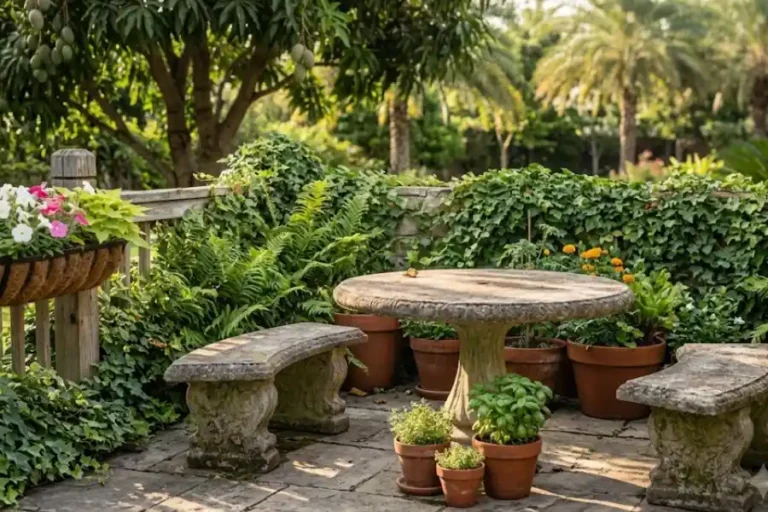
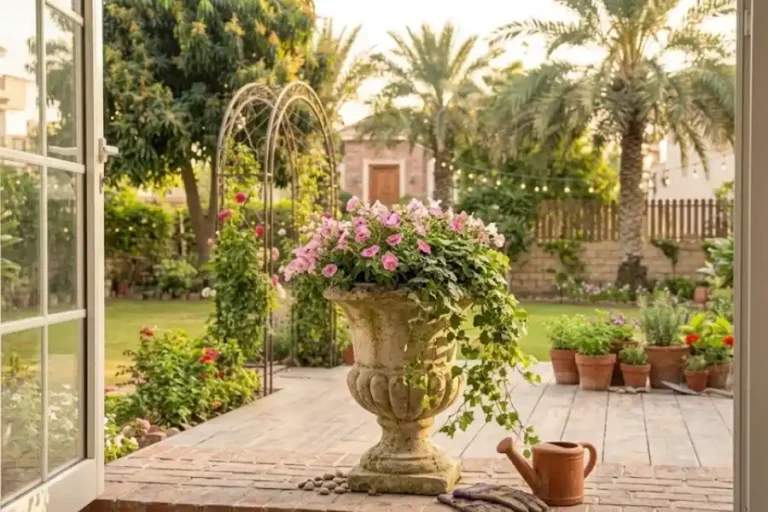
An outdoor entertaining area is any outdoor space set up for hosting people. It could be a full backyard with a kitchen and a pool. It could also be a small patio with two chairs and a string of lights. Size does not matter. Purpose does.
The best ones share three things. They have a clear layout. They feel comfortable, so guests want to stay past sunset. And they work with the space you have, not the space you wish you had.
Step 1: Figure Out How You Entertain
Before you buy anything, answer a few simple questions. Skipping this step is the top reason these spaces end up half built and barely used.
- Do you usually host four people or fourteen?
- Do you host mostly at night, during the day, or both?
- Is food the main event? Or is it more about drinks and talk?
- Do kids need a safe place to play nearby?
- How much time do you want to spend on upkeep?
Your answers should shape every choice you make next. A couple who hosts small dinners needs a different outdoor entertaining area than a family that throws big parties.
Step 2: Break Your Space Into Zones
A good outdoor entertaining area is broken into zones. This is true even in a small space. Think of it like rooms in a house. You would not put your kitchen, sofa, and dining table in one tiny square. Your yard deserves the same care.
Here are the zones worth planning for.
- Cooking zone: a grill, prep space, or full outdoor kitchen. Keep it close to the house. You do not want to carry food across the whole yard.
- Dining zone: a table with clear space around it. A table for six needs about 10 by 10 feet of open room. For bigger groups, plan for 12 by 14 feet or more.
- Lounge zone: comfy seats for relaxing and talking. Keep it apart from the dining table.
- Extra zone: a fire pit, a small bar, or a game area. Give guests a reason to move around instead of standing in one spot.
You do not need all four zones. A small setup may only fit two. That is fine. Each zone just needs its own clear job.
Step 3: Set a Real Budget
Budget is where most outdoor entertaining area projects go wrong. Some people spend too much on one big feature. They have nothing left for comfort. Others guess low on the total cost. Then they stop halfway through the build.
Here is a rough plan to work from.
- Starter setup: about 1,500 to 3,000 dollars. Good furniture, an outdoor rug, string lights, and a small fire pit.
- Mid range setup: about 5,000 to 15,000 dollars. A real patio or deck, a grill station, a shade cover, and better furniture.
- Full outdoor kitchen: about 13,000 to 25,000 dollars and up. A built in grill, counter space, a sink, storage, and a roof.
- High end setup: 30,000 dollars and up. Pools, custom builds, outdoor fireplaces, and full landscaping.
Spend on comfort before you spend on wow factor. A fancy outdoor kitchen means little if your guests have nowhere comfortable to sit.
Step 4: No Backyard? No Problem
Most articles about an outdoor entertaining area assume you own a big yard. Many people do not. That should not stop you from hosting well.
If you have a balcony, small patio, or shared courtyard, try this.
- Use a small folding table. It lets the space change shape based on how many people show up.
- Hang string lights on a railing instead of using floor lamps that eat up space.
- Use tall planters instead of a fence, or try an apartment balcony privacy screen. Either one adds privacy without needing permission for a permanent build.
- Pick stackable or folding chairs. They let you clear the space fast when you are not hosting.
- Skip the open flame fire pit. Use a small tabletop version instead, since many rental rules do not allow open flames.
A tiny space with good light and comfy seats will always beat a huge yard that feels empty.
Step 5: The Features That Matter Most
Once your zones and budget are set, focus on the small things that keep people outside longer.
Lighting
Never rely on one light source. Layer it. Use string lights up high. Use lanterns or candles at table height. Use small path lights near steps, or swap in a few solar garden lights if you want low-cost lighting with no extra wiring. This mix is what makes an outdoor entertaining area feel warm at night, not flat and harsh.
Shade and Weather Cover
A pergola, umbrella, or shade sail earns its keep. If you already have a bare frame, a few pergola decorating ideas can turn it into a finished-looking centerpiece instead of exposed wood. Without it, your space sits unused for a big part of the day in hot months. Even a simple patio umbrella fixes this at a low cost.
Seating Comfort
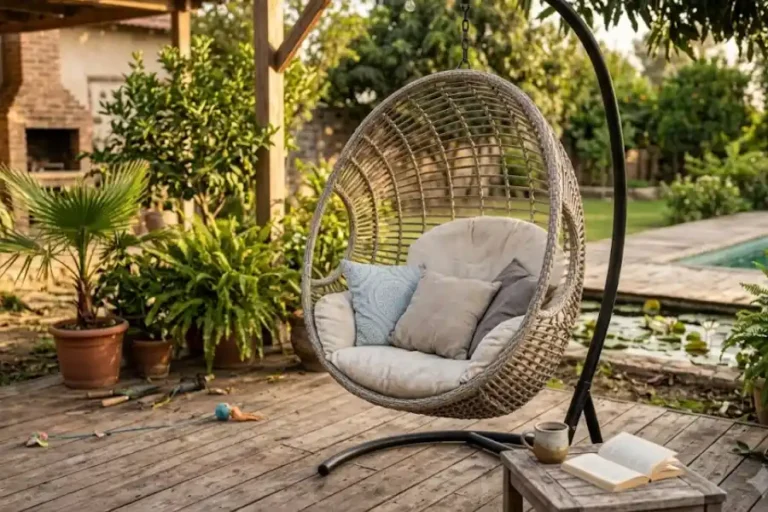
Cheap seats are the fastest way to end a party early. Pick tough outdoor cushions and chairs that people can sink into, not only perch on for ten minutes.
Surface
Whatever sits underfoot must be flat, firm, and easy to clean. Pavers are one of the most popular options, and browsing a few paver patio designs can help you pick a pattern that fits your style. Decking and poured concrete work well too. Loose gravel or bumpy grass makes carrying food and drinks much harder.
Common Mistakes That Ruin an Outdoor Entertaining Area
These mistakes show up again and again, no matter the budget.
- No shade plan: the space looks great in photos but sits empty during the hottest hours.
- Ignoring wind and sun: a pretty dining zone is useless if it gets hit by afternoon sun or wind every day.
- All the money on the kitchen, none on seats: guests need a comfy spot to land, not only a place to grab food.
- No storage: cushions, games, and dishes need a home, or the space gets messy fast.
- No privacy: feeling watched by neighbors kills the calm feel this kind of space should have.
- One light only: a single overhead light makes the whole space feel like a parking lot at night.
How to Keep It Looking Good All Year
Building the space is only half the job. Keeping it nice is what makes it worth the money.
- Store cushions and soft items indoors during rain or winter months.
- Wipe down furniture and surfaces once a month during your busy season.
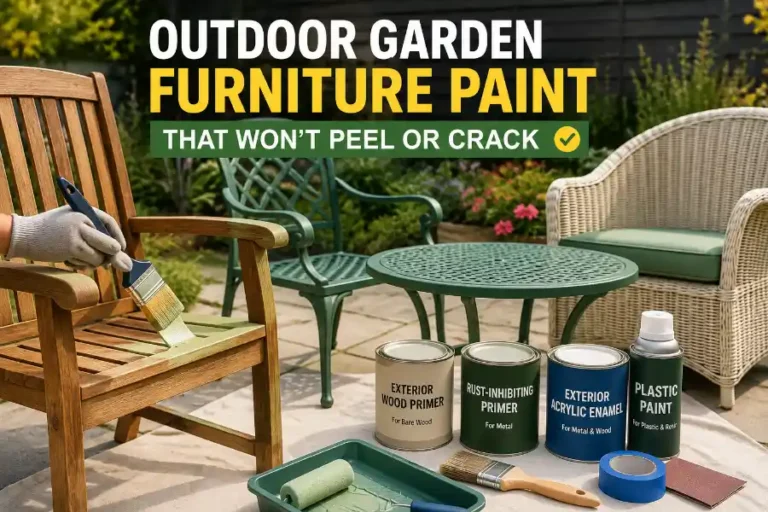
- Reseal wood decking or furniture once a year to stop cracks and fading.
- Check string lights and outdoor outlets for wear before each season starts.
- Trim plants near seats and walking paths so the space stays open and safe.
Frequently Asked Questions
How much does an outdoor entertaining area cost?
A simple setup with furniture, lights, and a rug can cost as little as 1,500 dollars. A full outdoor kitchen with a roof often runs 13,000 dollars or more. Most homeowners land between 5,000 and 15,000 dollars for a comfy, well equipped space.
What size should an outdoor entertaining area be?
There is no fixed size. What matters is fitting your zones without crowding. A dining spot for six people needs about 10 by 10 feet. A lounge zone needs room for seats plus a walking path around them.
Can I create an outdoor entertaining area without a backyard?
Yes. Balconies, small patios, and shared courtyards can all work. Use the right furniture, lighting, and privacy plan. Pick pieces that fold or stack away when not in use.
What matters more, a kitchen or comfy seating?
Comfy seating almost always wins. Guests will stay and talk on comfy furniture even with no kitchen close by. They will not stay long near a fancy kitchen if there is nowhere comfy to sit.
How do I make it usable at night?
Layer your light. Mix string lights up high, small lights at table height, and path lights near steps. This mix makes the space feel warm, not flat.
Final Thoughts
An outdoor entertaining area does not need to be huge or picture perfect to work. It needs a clear layout, a realistic budget, and a few comfort touches most articles skip. Plan your zones. Save budget for comfort first. Keep the space clean and cared for. Do that, and you will get a backyard people truly want to spend time in, not only look at in a photo.