Garden Bed Liner: How to Protect and Style Your Raised Bed
A raised garden bed can do more than give your plants a place to grow. It can also make your backyard look neat, organized, and welcoming. Whether you have a small garden beside your patio or a larger outdoor space, the right garden bed can become an attractive part of your home garden decor.
But there is one detail many gardeners overlook when building or buying a raised bed: the liner.
A garden bed liner creates a protective layer between the soil and the bed structure. It can help protect wooden boards, reduce weed growth, and keep unwanted pests from entering from underneath. Choosing the right material also helps maintain proper drainage, which is important for healthy plant roots.
The good news is that you do not have to sacrifice appearance to get these benefits. With the right liner, a well-designed raised bed can stay practical while adding charm to your outdoor space.
Let’s look at how to choose a garden bed liner, which materials work best, and how to make your raised garden bed look beautiful.
What Is a Garden Bed Liner?
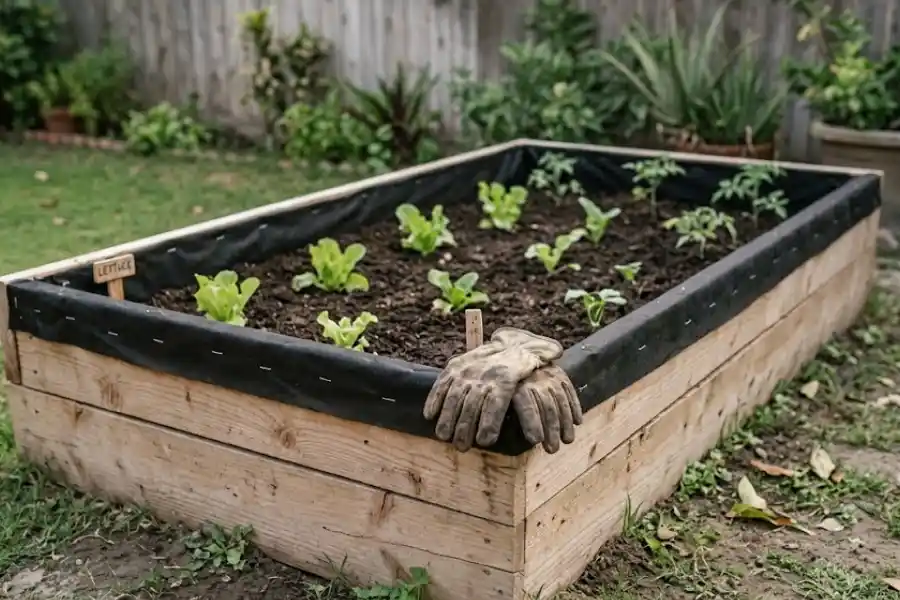
A garden bed liner is a protective material placed inside a raised garden bed. Depending on the material, it may cover the bottom, the inside walls, or both.
Its main purpose is to create a barrier between the soil and the bed structure. This can be especially useful when your raised bed is made from wood, sits on a patio, or is installed in an area where digging pests are common.
For example, a wooden raised bed filled with damp soil can slowly begin to deteriorate. A suitable liner along the inside walls helps reduce direct contact between wet soil and the wood.
Garden bed liners also come in different materials, including landscape fabric, cardboard, burlap, and hardware cloth. Each one serves a slightly different purpose.
Before choosing one, think about what you want to protect and how you plan to use your garden bed.
Why a Garden Bed Liner Matters for Your Outdoor Garden
A liner may seem like a small addition, but it can make a noticeable difference in how your raised bed performs over time.
Here are some of its most useful benefits.
1. Helps Protect Wooden Garden Beds
Wooden raised beds bring a warm, natural look to outdoor spaces. They work particularly well in cottage gardens, rustic backyards, and simple patio arrangements.
However, constant contact with wet soil can cause wood to break down faster.
A breathable garden bed liner along the inside walls helps separate the soil from the wood. This can reduce moisture exposure and help the structure last longer.
If you have invested in an attractive cedar or pine raised bed, protecting its inner walls is a practical way to maintain its appearance.
2. Helps Reduce Weed Growth
Weeds can quickly make an otherwise beautiful garden look messy.
Cardboard or suitable landscape fabric placed beneath a raised bed can help block existing grass and weeds from growing into the planting area.
Plain brown cardboard is an affordable option. Lay overlapping pieces over the ground before filling the bed with soil. Wet the cardboard so it stays in place.
It gradually breaks down, making it useful for gardeners who prefer natural materials.
3. Keeps Digging Pests Away
If rabbits, gophers, or other digging animals are a problem in your area, a suitable liner alone may not be enough.
Galvanized hardware cloth with openings of about half an inch or smaller can help prevent many digging pests from entering through the bottom.
Install it before adding soil, and secure the edges carefully.
For extra protection above the soil, you can also use netting for garden beds to keep birds and other larger pests away from your crops.
This is particularly useful for vegetable beds where you want to protect your harvest without using unnecessary chemicals.
4. Helps Keep Patio and Garden Areas Neat
Not every raised garden bed sits directly on the ground.
Some homeowners place decorative raised planters on patios, decks, or paved outdoor areas. In these locations, soil and water can create a mess underneath the bed.
A suitable planter liner can help contain soil while allowing excess water to escape.
For a ready-made option, you can also look at this wood raised garden planter with liner, which combines a raised planting space with a built-in liner.
If you prefer a freestanding choice, these Casafield all-weather outdoor planters with liners work well on patios and decks.
Always check that the bed has proper drainage. Avoid sealing the bottom with solid plastic, as trapped water can damage plant roots.
Best Garden Bed Liner Materials to Consider
Choosing a liner becomes easier when you understand what each material can do.
Here are four common options worth considering.
Landscape Fabric
Landscape fabric is a popular choice for raised garden beds.
It allows water to pass through while creating a barrier between soil and the bed structure. It is especially useful along the inside walls of wooden beds.
You can cut it to fit your planter and attach it with a staple gun.
Best for: Protecting wooden bed walls and creating a longer-lasting barrier.
Cardboard
Cardboard is one of the simplest and most affordable choices.
It works well underneath raised beds when your main concern is existing grass and weeds. Use plain brown cardboard without glossy coatings, remove tape, and overlap the edges.
Over time, it breaks down naturally.
Best for: Blocking weeds and preparing the ground beneath a raised bed.
Burlap
Burlap offers a more natural appearance and is made from plant-based fibers.
It can be useful for temporary garden projects and gardeners who prefer materials that break down over time.
However, it does not last as long as many synthetic fabrics, especially when constantly exposed to moisture.
Best for: Short-term garden projects and natural-material setups.
Hardware Cloth
Hardware cloth is a metal mesh commonly used to protect garden beds from digging animals.
It is installed across the bottom of a raised bed before adding soil. Its small openings make it more effective against many burrowing pests than ordinary chicken wire.
Remember that hardware cloth does not stop weeds, so you may need another layer for that purpose.
Best for: Keeping many digging pests out of raised garden beds.
How to Choose the Right Garden Bed Liner
Not every garden needs the same type of liner. The best option depends on your bed material, location, and the problems you want to prevent.
Consider these points before making a purchase.
Think about your garden bed material. Wooden beds may benefit from a breathable liner along their inside walls. Metal and plastic beds have different protection needs.
Check the ground underneath. If your bed sits on grass or bare soil, cardboard can help reduce weed growth. If digging pests are common, consider hardware cloth.
Consider drainage. Water should move freely through the bed. Avoid materials or installations that trap excess moisture around plant roots.
Think about durability. If you want a liner that lasts for several seasons, choose a suitable durable material. Natural options such as cardboard and burlap break down much sooner.
Measure before buying. Measure the length, width, and inside height of your raised bed. This helps you avoid buying too little material or dealing with unnecessary waste.
How to Install a Garden Bed Liner
Installing a garden bed liner is a straightforward project. You can usually complete a small raised bed without special equipment.
Here is a simple process to follow.
Step 1: Clean the Raised Bed
Remove old soil, weeds, loose wood pieces, and other debris if you are working with an existing bed.
A clean surface makes installation easier and helps the liner sit properly.
Step 2: Measure the Inside
Measure the bottom and inside walls of your raised bed.
If you are lining only the walls, measure their height and length. Leave enough extra material to secure the edges.
Step 3: Prepare the Bottom
If weeds are your main concern, place overlapping cardboard sheets over the ground.
If digging pests are a problem, install hardware cloth across the bottom first. Secure it firmly and check for sharp edges.
Step 4: Attach the Wall Liner
Place breathable landscape fabric along the inside walls.
Use a staple gun to secure it near the upper edge of the wooden frame. Keep the material reasonably flat without pulling it too tightly.
Avoid covering drainage openings.
Step 5: Check the Drainage
Before adding soil, make sure water has a clear way to escape.
This step is particularly important for raised beds placed on patios, decks, and other hard surfaces.
Step 6: Add Soil and Arrange Your Plants
Fill the bed with a suitable growing mix and water it lightly.
Now you can arrange vegetables, herbs, flowers, or a combination of plants. If you are planning a larger planting area, this 4×8 raised garden bed planting layout can help you think about how to organize your plants.
How to Make a Lined Raised Garden Bed Look Beautiful
A garden bed liner is mostly a practical feature, but the raised bed itself can become an attractive part of your backyard.
You do not need expensive decorations or a complete garden makeover. A few thoughtful details can make the space feel more finished.
Choose a Raised Bed That Matches Your Garden
The frame is one of the first things people notice.
Natural wood works beautifully in rustic and cottage-style gardens. Dark-painted frames can create a clean contrast with green foliage, while simple metal beds suit more modern outdoor spaces.
Choose a finish that works with your patio furniture, fencing, and other garden features.
Combine Flowers With Edible Plants
A raised bed does not have to contain only vegetables.
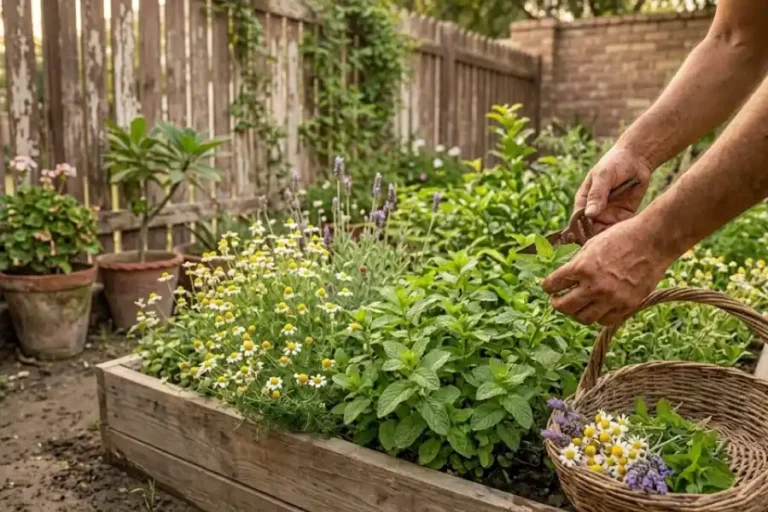
Try planting leafy greens alongside colorful flowers such as marigolds or nasturtiums. You can also add herbs such as basil, parsley, and thyme.
If you are short on space, herb garden pots outdoors are a handy way to keep herbs close to your seating area.
The combination creates a more interesting display while keeping the bed useful.
Make sure every plant has enough room, sunlight, and suitable growing conditions.
Add a Decorative Border
A simple border around the raised bed can help define the planting area.
You might use natural stones, bricks, or small decorative edging pieces. For a sleeker, modern look, corten steel garden edging gives the planting area a clean, defined line. For more ideas about defining garden spaces, see these garden border fence ideas.
Keep the design consistent with the rest of your backyard.
Use Outdoor Lighting Nearby
A small solar garden light beside a raised bed can make the area more inviting after sunset.
You can place lights along a nearby path or around the edge of the planting area. These solar garden lights for outdoor spaces can help create a warm atmosphere around your garden.
Avoid placing lights where they interfere with watering or plant maintenance.
Keep the Surrounding Area Tidy
Even a beautiful raised bed can look out of place when surrounded by scattered tools, empty pots, and weeds.
Keep a small watering can nearby, remove dead leaves regularly, and arrange extra planters in a neat group.
These little details help create a welcoming outdoor garden without making the space feel crowded.
Common Garden Bed Liner Mistakes to Avoid
A liner can cause problems when the wrong material is used or installed incorrectly.
Watch out for these common mistakes.
Using solid plastic underneath the soil: This can trap water and create drainage problems.
Choosing the wrong material for pests: Ordinary landscape fabric will not stop burrowing animals. Hardware cloth is a better choice.
Ignoring drainage openings: Keep drainage holes clear so excess water can escape.
Using cardboard with glossy coatings: Choose plain, untreated cardboard and remove tape and labels.
Installing a liner without measuring: A poor fit can leave gaps where soil escapes or weeds grow through.
Forgetting regular inspections: Check the liner occasionally for tears, loose staples, and signs of wear.
Avoiding these mistakes helps keep your raised bed functional and your outdoor space looking neat.
How Often Should You Replace a Garden Bed Liner?
The lifespan of a garden bed liner depends on its material, weather exposure, and installation.
Cardboard and burlap break down naturally, sometimes within a season or two. Landscape fabric can last several years, while galvanized hardware cloth may last longer when properly installed and protected from excessive corrosion.
Check your liner at least once a year, preferably before the main planting season.
Look for damaged areas, loose edges, and signs of moisture collecting where it should not.
If the material is no longer doing its job, replace it before adding a fresh layer of soil.
Frequently Asked Questions
Do all raised garden beds need a liner?
No. A liner is not necessary for every raised bed. It is most useful when you want to protect wooden walls, reduce weeds, or prevent digging pests from entering underneath.
What is the best garden bed liner for wooden raised beds?
Breathable landscape fabric is a practical option for the inside walls of wooden raised beds. It helps separate soil from wood while allowing moisture to pass through.
Can I use a garden bed liner on a patio?
Yes. A suitable liner can help contain soil in raised beds placed on patios or decks. Make sure the bed has proper drainage and does not allow water to collect underneath.
Is cardboard better than landscape fabric?
It depends on your purpose. Cardboard is useful for blocking existing weeds and breaks down naturally. Landscape fabric lasts longer and is often used along the inside walls of raised beds.
Should I line the bottom or sides of a raised bed?
The answer depends on what you want to protect against. Use a suitable wall liner to separate soil from wooden boards. Use cardboard for weeds or hardware cloth for digging pests underneath.
Can a garden bed liner affect plant growth?
Yes, if you choose the wrong material or block drainage. A liner should allow water to move properly and should not create conditions where plant roots remain too wet.
Final Thoughts
A garden bed liner may not be the most noticeable part of an outdoor garden, but it can make a real difference to how well your raised bed works. It helps protect the structure, manage weeds, and address common problems such as digging pests.
The right choice depends on your garden. Use cardboard for weeds, breathable fabric along wooden walls, and hardware cloth where digging animals are a concern.
But do not stop at protection. A raised bed can also become a lovely feature in your home garden decor. Choose a frame that complements your outdoor space, mix flowers with useful plants, and add a few simple decorative touches.
You do not need a large budget to create a garden that looks good and works well. Start with a well-protected raised bed, keep the surrounding area tidy, and let your plants bring the space to life.