Wood Outdoor Garden Bench: Best Wood Types, Styles, and Care Tips
A wood outdoor garden bench sounds like a simple purchase. You find one you like, set it outside, and enjoy it for years. But here is the truth: most people get this wrong. They pick the wrong type of wood. They skip the sealing step. They put the bench in the wrong spot. Two years later, that beautiful bench looks gray, cracked, and rough.
This article will help you avoid all of that. Whether you are buying your first bench or replacing an old one, you will know what to look for, which wood works best in your climate, and how to keep it looking great for 15 to 20 years.
Why a Wood Garden Bench Is Worth Every Penny
Metal benches are fine. Plastic benches are easy to clean. But a wood bench has a warmth and natural beauty that nothing else can match. It blends into your garden instead of standing out awkwardly. It feels inviting. It looks like it belongs there.
A well-placed bench does more than give you somewhere to sit. It creates a moment in your garden. A place to have your morning coffee. A quiet corner where you can just breathe. A spot where the whole family gathers on a summer evening. When you choose the right wood and take good care of it, a quality bench can last two decades or more. That is a lot of value for one piece of outdoor furniture.
The Best Types of Wood for an Outdoor Garden Bench
Not all wood performs the same outdoors. Some types hold up through rain, heat, and cold with almost no effort. Others fall apart fast if you ignore them. Here is a clear breakdown of the most popular options.
Teak
Teak is the gold standard for outdoor furniture. It is dense, heavy, and packed with natural oils that push water away. Those oils also make teak naturally resistant to rot, bugs, and warping. You can leave a teak bench outside in rain, heat, and cold, and it will still look great with very little care.
Over time, teak fades from a warm honey-gold color to a soft silver-gray. Many people love that weathered look. If you prefer the original color, a light coat of teak oil once or twice a year brings it right back.
The main downside is the price. Teak is one of the most expensive wood options on the market. But if you want a bench that asks almost nothing from you and lasts for decades, teak is worth every dollar.
Cedar
Cedar is one of the most popular choices for wood outdoor garden benches in the United States, and for good reason. It is naturally resistant to rot and insects without any chemical treatment. It is lighter than teak, which makes it easy to move around your yard. And it costs much less.
Fresh cedar has a warm, reddish tone and a pleasant natural scent. Over time, it fades to a soft gray if left untreated. A simple coat of water-based sealant or stain keeps it looking fresh and adds years to its life.
Cedar is a fantastic choice for most climates, especially in areas with high humidity or frequent rain.
Acacia
Acacia is the budget-friendly hardwood that surprises people. It is strong, dense, and beautiful with its rich brown color and natural grain patterns. For the price, it offers excellent durability and real good looks.
However, acacia needs a little more attention than teak or cedar. In hot or dry climates, acacia can crack if it dries out. Oiling it once a season keeps it healthy and prevents that from happening.
If you want a good-looking hardwood bench without spending a lot, acacia is a solid choice. Just do not skip the maintenance.
Pine
Pressure-treated pine is one of the most affordable wood options for outdoor benches. It is strong, widely available across the US, and takes paint or stain very well.
The key word here is pressure-treated. Regular pine soaks up moisture quickly and breaks down fast outdoors. Pressure-treated pine has been chemically protected against rot and insects, which makes it safe for outdoor use.
Pine works best in covered areas like a porch or pergola. If your bench will sit in full sun and rain all year, cedar or teak will serve you much better.
Redwood
Redwood is a premium softwood with a deep reddish-brown color that is genuinely beautiful. Like cedar, it naturally resists rot and insects and requires very little chemical treatment to perform well outdoors.
Redwood is common in the western United States and holds up very well in wet winters. It costs more than cedar but less than high-grade teak. If you want a bench that looks stunning and handles wet climates with ease, redwood is worth considering.
Popular Styles of Wood Outdoor Garden Benches
Once you know your wood, pick your style. There is no single right answer. The best style depends on how your garden looks and how you plan to use the bench.
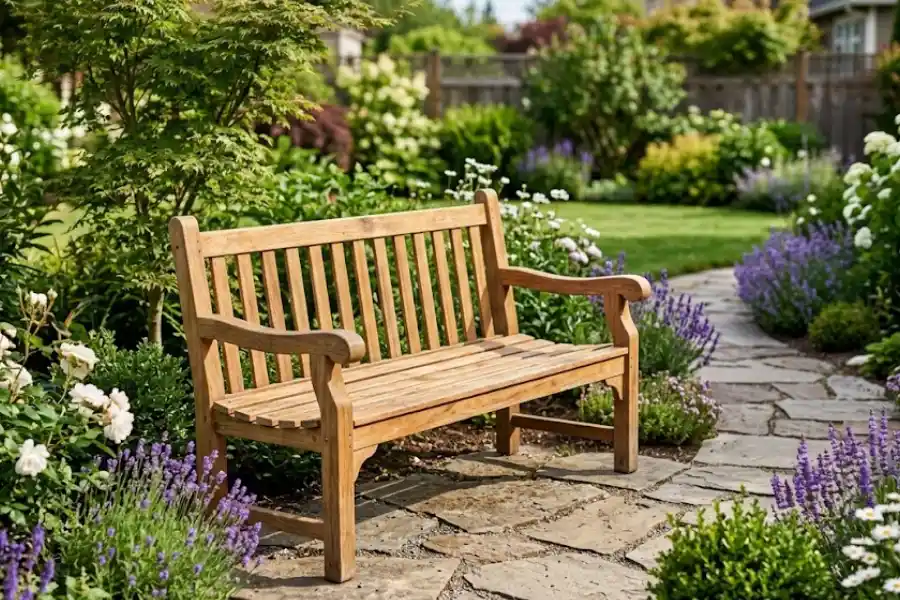
- Classic garden bench with a back and armrests: The most common style. Comfortable for long sitting, never goes out of style, and fits into almost any garden design.
- Backless bench: A cleaner and more modern look. Works well around fire pits or along garden paths where people may sit facing different directions.
- Curved or contour bench: Usually built to wrap around a tree or follow a curved path. These are statement pieces that naturally draw the eye.
- Rustic or farmhouse style: Chunky wood, simple lines, sometimes made from reclaimed material. Feels very natural and cozy in a garden setting.
- Modern minimalist: Clean lines, flat slats, no carvings or decorative details. Works beautifully with contemporary garden designs.
Key Features to Check Before You Buy
A lot of buyers see a bench that looks good, check the price, and click buy. Then the bench arrives and it is too small, too wobbly, or missing features they needed. Check these things carefully before you order.
- Dimensions: Most garden benches are between 42 and 60 inches wide. A 48-inch bench seats two adults with comfort. A 60-inch bench gives three people room without feeling crowded. Measure your space before you buy.
- Weight capacity: Most benches hold between 400 and 600 pounds. Always check the product specs, especially if multiple adults will use it at the same time.
- Hardware material: This matters more than most people realize. Cheap benches use regular steel screws and bolts. Regular steel rusts outdoors, leaving ugly orange streaks running down your bench after the first rainy season. Look for stainless steel or galvanized hardware. It lasts much longer and stays clean.
- Pre-finished vs. unfinished: Some benches come already sealed and stained. Others come raw. If you buy unfinished wood, you must seal it before setting it outside. Skip this step and moisture gets in from day one, quietly breaking down the wood beneath the surface.
- Assembly complexity: Check the product reviews before buying. See how long assembly actually takes and whether the instructions are easy to follow. Some brands are known for confusing guides and missing hardware.
Choose Your Wood Based on Your Climate
This is something most articles skip over completely, but it makes a real difference in how well your bench holds up. The best wood for someone in Florida is not the same as the best wood for someone in Minnesota.
- Hot and humid climates like the Southeast or Gulf Coast: Go with teak or cedar. These woods handle moisture and heat better than anything else. Acacia is also a solid choice here if you oil it every season.
- Cold and snowy climates like the Northeast or Midwest: Cedar and redwood are your best options. They handle freeze-thaw cycles well. A waterproof bench cover during winter makes a big difference here.
- Hot and dry climates like the Southwest or desert regions: Sealed pine or acacia both work well. Lower humidity means less rot risk, but intense sun can dry out and crack wood quickly. A UV-protective sealant is a must in these areas.
- Coastal areas with salt air and wind: Teak is the clear winner here. Salt air is hard on most outdoor materials, but teak handles it better than anything else. Cedar with regular resealing is a decent second choice.
How to Make Your Wood Bench Last for 20 Years
Good wood plus good care equals a bench that lasts 15 to 20 years, sometimes longer. Here is what to do.
- Seal it before first use: If your bench comes unfinished, do not wait. Apply an exterior wood sealant or stain before you set it outside. This is the single most important step you can take for the long life of your bench.
- Clean it every few months: Use mild soap and warm water. A soft brush works well for getting into the gaps between slats. Rinse it well and let it dry completely before applying any finish.
- Reapply sealant every one to two years: Even great exterior finishes break down over time from sun and rain. A fresh coat every season or two keeps moisture out and keeps the wood healthy. Lightly sand the surface first so the new coat bonds well.
- Cover it in winter or bring it inside: Freezing water is one of the biggest threats to any outdoor wood. When water soaks into wood grain and freezes, it expands and can crack the wood from the inside out. A waterproof furniture cover or storing the bench in a garage for winter adds years to its life.
- Keep it off wet soil or grass: Constant contact with damp ground invites rot and insects to attack the legs first. Use rubber feet or set the bench on a paving stone to keep the base dry and elevated.
- Tighten screws twice a year: Wood expands and contracts with temperature changes, and that movement loosens screws over time. A quick check in spring and again in fall keeps the bench solid, stable, and safe.
Common Mistakes That Ruin Wood Benches Early
These are the mistakes that cause perfectly good benches to look terrible within a few years. They are all easy to avoid once you know about them.
- Not sealing unfinished wood before first use: Every day your unsealed bench sits outside, moisture is working its way in. Seal it first, before you ever sit on it.
- Using interior varnish instead of exterior varnish: Interior varnish cracks outdoors because it cannot flex as the wood expands and contracts with temperature changes. Always use a product labeled for exterior use.
- Leaving it sitting on wet grass all season: The legs will soak up moisture from the ground and start to rot at the base. This is how a perfectly solid bench becomes wobbly within three or four years.
- Ignoring loose screws: A wobbly bench puts stress on the wood joints every time someone sits down. Over time, that repeated stress causes cracking and splitting. Tighten everything before the wobble gets worse.
- Buying a size that does not fit the space: A tiny bench in a large open garden looks lost and out of place. A bench that is too wide for a narrow path blocks movement. Always measure your space before you click buy.
- Choosing a bench based only on how it looks in photos: A bench that looks stunning online but uses low-quality hardware and a cheap softwood will disappoint you fast. Read the specs and the customer reviews, and do not stop at the product photos.
Where to Place Your Bench for the Best Results
Placement matters more than most people expect. A great bench in the wrong spot never gets used. A simple bench in the perfect spot becomes your favorite place in the entire yard.
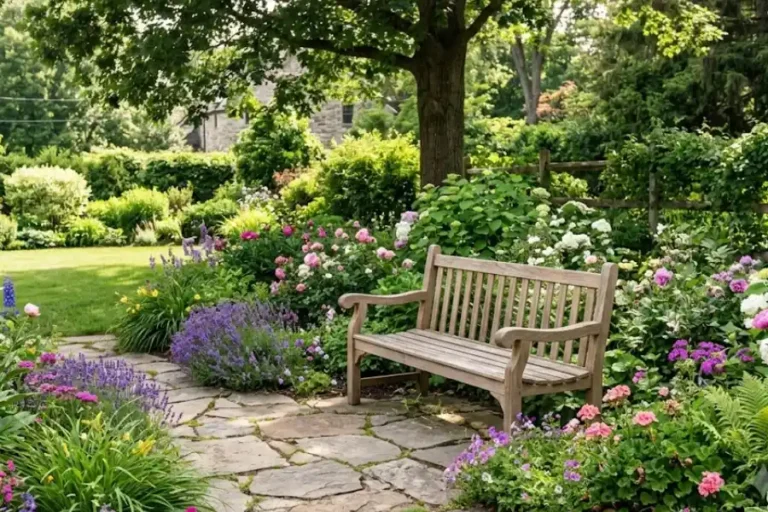
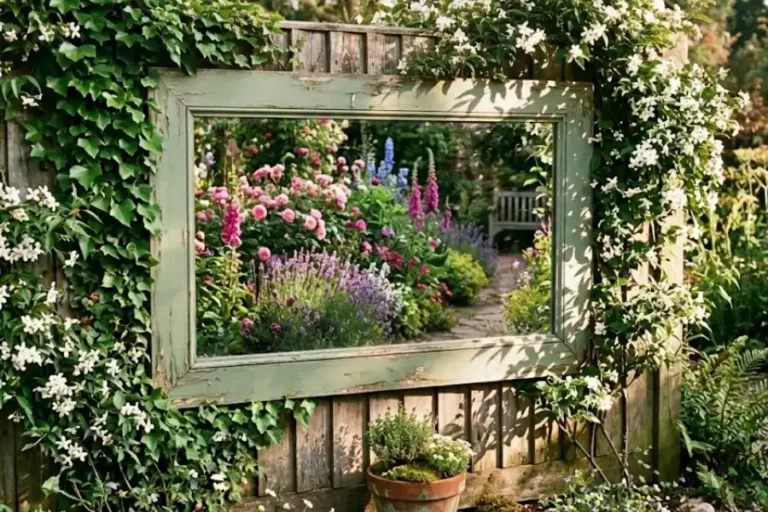
Put your bench somewhere with a real view, especially near features like DIY outdoor garden mirrors, flower beds, or a water feature. Face it toward your flower beds, a water feature, or an open stretch of lawn. Give it something worth looking at. If you tuck it into a corner where all you see is a fence, you will rarely feel like sitting there.
Think about shade too. A bench in full afternoon sun is uncomfortable during summer. Placing it near a tree or under a pergola makes it usable all through the day. If your yard has no natural shade, a large patio umbrella does the job well.
Set the bench on a flat, stable surface. A bench that rocks slightly or sinks into soft soil is annoying to use, but it can also become unsafe over time as the joints take uneven pressure. Pavers, a concrete pad, or compacted gravel all give you a stable, dry base.
Frequently Asked Questions
How long does a wood outdoor garden bench last?
With proper care, a quality wood bench lasts 15 to 20 years. Teak benches can last even longer, sometimes 25 to 30 years. The key factors are sealing the wood, cleaning it regularly, and protecting it during harsh winters.
What is the best wood for an outdoor garden bench?
Teak is the best overall choice for durability and low maintenance. Cedar is the best value for most homeowners in most climates. Acacia is the best affordable hardwood option. The right choice depends on your budget and where you live.
Do I need to seal my bench before using it outside?
Yes, if it comes unfinished. Apply an exterior sealant or wood stain before placing it outdoors. If it comes pre-finished, check when resealing is recommended. For most benches, that is every one to two years.
Can I leave my wood outdoor bench outside all winter?
You can, but cover it with a waterproof furniture cover. In areas with heavy snow and hard freezes, bringing it into a garage or shed for winter is the smarter option. Water that freezes inside the wood grain expands and causes cracking over time.
How often should I clean my wood garden bench?
Clean it every two to three months during the season with mild soap and warm water. Also do a thorough clean at the start of spring and again in fall before covering it for winter. Regular cleaning stops mold, mildew, and surface grime from building up and damaging the finish.
What size bench do I need?
A 48-inch bench seats two adults comfortably with a little room to spare. A 60-inch bench seats three people without feeling tight. For a solo reading spot or a narrow garden path, a 36-inch bench works well. Always measure your space first so you do not end up with a bench that is too big or too small for the area.