Decorative Garden Hose Holder: How to Pick One That Lasts
A garden hose lying in the grass looks messy. It tangles. It trips people. And it makes even a pretty yard look like a mess waiting to happen. The good news is that fixing this problem doesn’t take much money or time. A decorative garden hose holder can turn that ugly pile of rubber into a small piece of yard decor that people notice.
I’ve tested and installed several of these over the years, from cheap wall hooks to heavy cast iron pots, and I can tell you this: the right hose holder does two jobs at once. It hides the mess, and it adds style. This article will walk you through what to look for before you buy one, so you don’t end up with something that rusts in a year or falls off the wall the first time it rains.
What Is a Decorative Garden Hose Holder?
It’s any tool made to store your hose while also looking good. Unlike a plain plastic reel from the hardware store, these are shaped like flowers, spirals, animals, or vintage faucets. Some mount on the wall. Others sit on the ground like a small pot. Either way, the goal is the same: keep the hose off the grass, stop it from kinking, and make the spot around your faucet look nice instead of cluttered.
Think of it like this. Your hose already does hard work all summer. It waters your plants, fills your kid’s pool, and washes your car. The least you can do is give it a home that doesn’t look like an afterthought.
Types of Decorative Garden Hose Holders
Not every yard needs the same style of holder. Here are the main types you’ll come across while shopping, based on what works in real yards.
1. Wall-Mounted Hose Holder
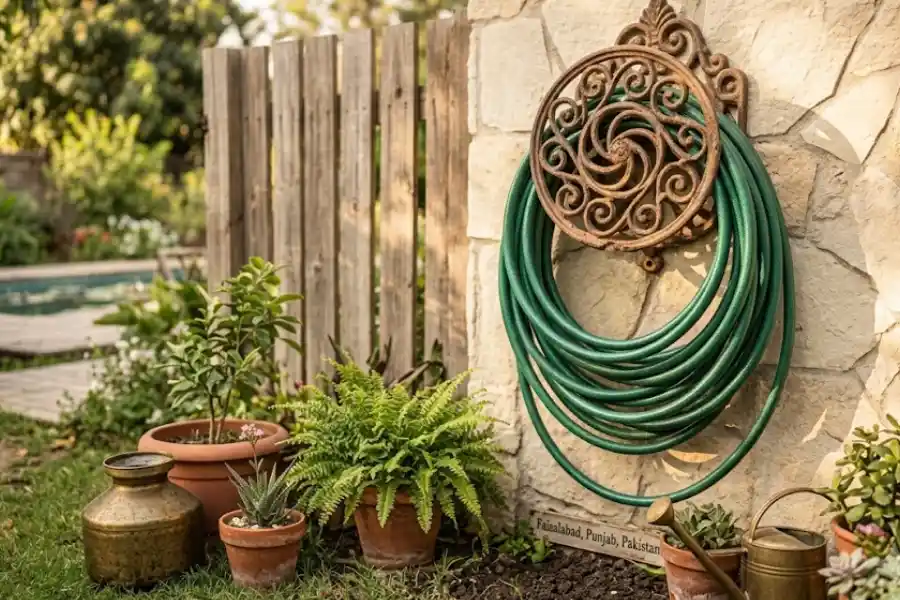
This is the most common style. A wall-mounted hose holder screws directly into your house, fence, or shed. Most are shaped like a swirl, a fan, or a scroll pattern, and many are made from cast iron or heavy-gauge steel. They save floor space, which makes them perfect for small yards or narrow side paths.
2. Hose Pot
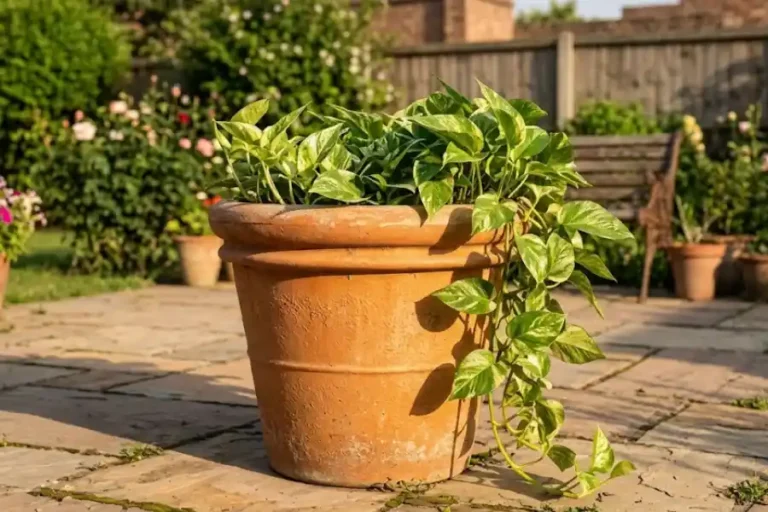
A hose pot looks like a large decorative planter, but instead of dirt, it holds your coiled hose inside. These sit on the ground near your faucet and can hide up to 100 feet of hose completely out of sight. Many are made from resin or ceramic and come with a hole in the side so you can run the hose out without lifting the lid every time.
3. Freestanding or Stake-Style Holder
These stick into the ground like a small statue, often shaped like an animal, a garden gnome, or a simple metal spiral. They work well in the middle of a garden bed, away from any wall, and they’re easy to move if you change your yard layout later.
Best Materials to Look For
Material matters more than looks here, because your hose holder lives outside all year. Rain, sun, and frost will destroy a cheap one fast. Based on what holds up best over time, here’s a simple breakdown.
- Cast iron: Extremely strong and long-lasting. Needs a rust-resistant coating, or you’ll need to repaint it every few years.
- Stainless or galvanized steel: Handles rust much better than plain iron and works well in wet climates.
- Resin or heavy plastic: Lightweight and won’t rust at all, though it can crack in very cold weather.
- Ceramic or stone-look pots: Look beautiful but are heavier and can chip if dropped.
If you live somewhere with heavy rain or snow, steel or resin will save you the most trouble. If you live somewhere dry and sunny, cast iron can last for decades with almost no care.
How to Choose the Right One for Your Yard
Before you buy, ask yourself these questions. They’ll save you from returning the wrong product later.
- How long is your hose? Measure it first. Most standard holders fit 75 to 125 feet, but longer hoses need a bigger pot or reel-style holder.
- Where is your faucet? Pick a holder that can sit or mount close to the water source, so you’re not dragging the hose across the yard just to put it away.
- What’s your yard style? A rustic farmhouse look calls for cast iron and scrollwork, which pairs beautifully with a vintage wooden garden sign nearby. A modern yard, on the other hand, looks better with clean lines and simple shapes.
- Do you need drainage? If water sits inside your hose or holder, it can grow mold. Look for a design with drain holes at the base.
A quick tip from experience: always coil your hose loosely before placing it in a pot-style holder. Cramming it in tightly is the fastest way to cause kinks that shorten a hose’s life.
Where to Place Your Hose Holder
Placement changes everything. A wall-mounted hose holder works best about three feet off the ground, close enough to the faucet that the hose doesn’t have to stretch or drag through flower beds. A hose pot or stand-alone holder should sit somewhere flat and stable, ideally on gravel, stone, or a concrete pad rather than soft dirt that shifts over time.
If you’re hiding the holder near a side gate or the corner of your house, that’s usually the sweet spot. It keeps the hose out of your main view while still being easy to reach, ensuring the messy hose remains hidden away from your main seating area where your wood outdoor garden bench is placed.
Installing a Wall-Mounted Hose Holder
Most wall holders come with screws and simple instructions, but a few extra steps make a big difference in how long it lasts.
- Use a stud finder if mounting on wood siding, so the screws grip something solid.
- Add a small dab of exterior caulk around the screw holes to stop water from seeping behind the mount.
- Tighten every screw fully. A loose mount is the number one reason these holders fail early, especially once a full hose adds weight.
Caring for Your Hose Holder
A little upkeep keeps your hose holder looking new for years instead of months.
- Wipe off dirt and pollen with a damp cloth every few weeks during summer.
- Touch up any chipped paint on metal holders quickly, since exposed metal rusts fast.
- Drain any pooled water from pot-style holders after heavy rain.
- In freezing climates, bring resin or ceramic holders indoors for winter to prevent cracking.
Budget Options vs Premium Choices
You don’t need to spend a lot to get a good-looking holder, but there is a real difference between price tiers.
Budget options, usually under $30, tend to use thinner metal or basic resin. They still look nice but may need replacing after a few seasons of heavy sun. Mid-range holders, between $30 and $70, often use solid cast iron or steel with a proper weatherproof finish, making them a strong choice for most homes. Premium options above $70 usually come from specialty brands with hand-finished details, thicker materials, and longer warranties, which makes sense if you want something that lasts a decade or more.
Frequently Asked Questions
Do decorative garden hose holders rust?
Cheaper metal ones can rust over time, especially if the coating gets scratched. Choosing stainless steel, powder-coated iron, or resin will greatly reduce this risk.
Can I use a hose pot for an expandable hose?
Yes, but check the product details first. Expandable hoses are lighter and coil differently than standard rubber hoses, so some pots fit them better than others.
How much weight can a wall-mounted hose holder hold?
Most quality holders support 100 to 150 feet of standard hose. Always check the listed weight limit before buying if you use a longer or heavier hose.
Is a decorative hose holder hard to install?
Not at all. Most wall-mounted versions take less than 15 minutes with a drill and the included screws. Pot-style and stake holders need no installation at all.
Final Thoughts
A good hose holder is a small upgrade that makes a noticeable difference. It protects your hose from damage, keeps your yard safer to walk through, and adds a little personality to a spot that usually gets ignored. Whether you go with a simple wall mount or a full hose pot that hides everything from view, picking the right material and placement will make sure it looks good for years, well beyond one summer.