Corten Steel Garden Edging: Cost, Install Tips & Mistakes
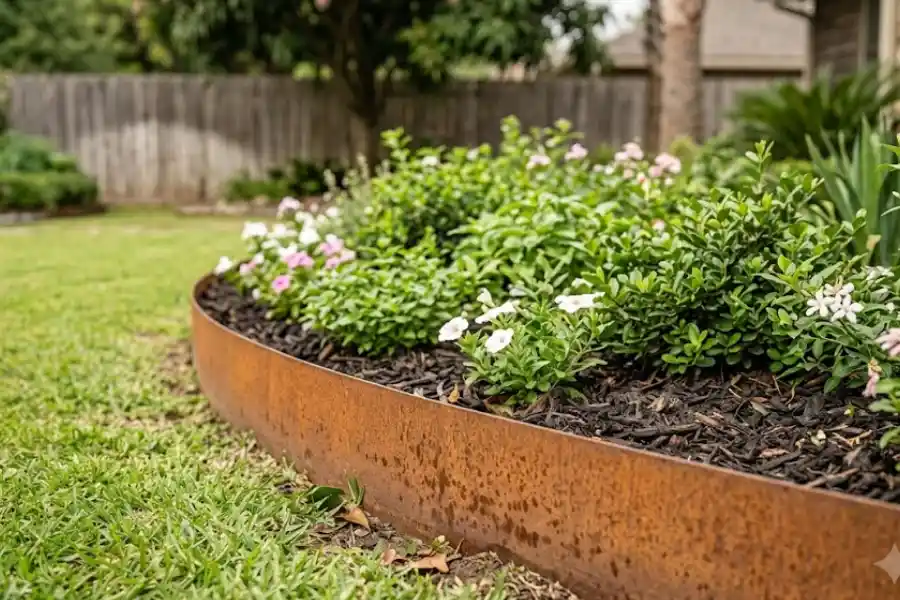
You have probably seen it in a magazine or on a neighbor’s front yard. A thin strip of rusty orange metal, curving gently around a flower bed, looking like it belongs there more than the flowers do. That is corten steel garden edging, and once you notice it, you cannot stop noticing it.
Most articles about corten steel garden edging read like a sales page. They tell you it looks nice and lasts a long time, then try to sell you a pack of six pieces. This article is different. We will cover the real costs, the one problem almost nobody warns you about, and exactly how to install it without wasting a weekend.
What Is Corten Steel Garden Edging?
Corten steel is a special type of steel. It was first made for railroad cars and shipping containers, not gardens. Engineers wanted a metal that could handle rain, sun, and rough weather without falling apart. So they added small amounts of copper, chromium, and nickel to regular steel.
Here is the clever part. When corten steel gets wet and then dries out, again and again, it forms a thin layer of rust on the outside. But this rust does not eat through the metal like normal rust does. It seals the surface and protects the steel underneath. That rust layer is called a patina, and it is the whole reason people love this material for garden edging.
So when you buy corten steel garden edging, you are not buying something that will rust and ruin itself. You are buying something that is designed to rust, on purpose, so it can protect itself for decades.
Why So Many Gardeners Are Switching To It
Plastic edging cracks in the cold. Timber rots after a few wet seasons. Concrete edging chips and looks tired within a few years. Corten steel solves all three problems at once, which explains why it has become one of the most requested materials in modern landscape design.
- It lasts decades, not seasons. Most manufacturers report a lifespan between 20 and 50 years with almost no maintenance.
- It bends to fit your garden, not the other way around. You can shape it into soft curves or sharp corners, which timber and concrete simply cannot do.
- It gets better looking with age. The color deepens from bright orange to a rich, warm brown over about six to nine months, creating an earthy, textured background that naturally complements nearby garden art sculptures.
- It works with every garden style. Modern, cottage, industrial, or wild and natural, the warm rust tone fits in without fighting your design.
The One Problem Almost Nobody Warns You About
Here is something most garden edging articles leave out completely. While the patina is forming, corten steel can release a small amount of rust-colored runoff when it rains. If that water runs onto a light-colored patio, pale gravel, or a white fence, it can leave orange stains behind.
A landscaper once told me the biggest complaint he gets is not about the steel itself. It is about a customer’s white pavers turning orange after the first heavy rain, simply because nobody warned them to plan for it.
The fix is simple and cheap. Before you install your corten steel garden edging, lay a strip of gravel, mulch, or dark-colored stone along the base where runoff is likely to land. This catches the rust color instead of letting it stain your patio or driveway. Once the patina fully forms after several months, the runoff stops almost completely.
How Much Does Corten Steel Garden Edging Cost?
Prices depend on the steel thickness, the height of the edging, and how much of it you need. Based on typical installed pricing across the United States in 2026, here is a realistic breakdown.
- Materials only (DIY): Roughly $8 to $20 per linear foot, depending on height and thickness.
- Professionally installed: Roughly $12 to $40 per linear foot, with most homeowners landing around $25 per foot.
- A small 60-foot garden border: Expect somewhere between $700 and $1,500 total.
- A large 300-foot property perimeter: Costs can run several thousand dollars, especially with curves or uneven ground.
Yes, this costs more upfront than plastic or timber edging. But plastic edging often needs replacing within five to seven years, and timber even sooner in wet climates. Over a 20-year period, corten steel garden edging usually works out cheaper per year than the materials that look “budget friendly” at checkout.
Corten Steel vs. Other Garden Edging Materials
- Corten steel vs. plastic: Plastic is cheaper today but cracks in freezing weather and fades within a few years. Corten steel costs more upfront but barely changes for decades.
- Corten steel vs. timber: Timber looks warm at first but rots, warps, and attracts termites. Corten steel does not rot, warp, or attract pests at all.
- Corten steel vs. concrete: Concrete is rigid and difficult to shape into curves. Corten steel bends easily, so it fits any garden layout without special tools.
- Corten steel vs. aluminum edging: Aluminum will not rust, but it also will not develop that rich, natural patina. If you want the rustic look, corten steel wins. If you want a silver, modern look, aluminum wins.
How to Install Corten Steel Garden Edging Yourself
You do not need to hire a professional for a small or medium garden. Most homeowners can install metal garden edging in a single afternoon.
- Plan your layout first. Use a garden hose or rope to map out the shape before you dig, so you can see curves clearly.
- Dig a shallow trench. Most edging only needs a trench two to three inches deep, just enough to bury the bottom edge.
- Place the first strip. Set it into the trench and check that it sits level using a small spirit level.
- Connect each piece. Slide the connector tabs together, or use the peg system if your edging includes one.
- Secure with stakes. Hammer the stakes through the pre-made holes every few feet to stop the edging from shifting.
- Backfill and compact. Push soil firmly against both sides of the edging so it holds its shape through winter frost.
Curved sections take a bit more patience, but corten steel garden edging is flexible enough to bend by hand for gentle curves. For tight corners, some brands offer pre-bent pieces that save you the effort.
How to Care For It Once It Is In
This is the easy part. Corten steel garden edging needs almost no ongoing care once the patina has fully formed.
- Rinse off dirt and debris with a garden hose a few times a year.
- Avoid pressure washing directly on the surface, since it can wear down the patina in one spot.
- In coastal or very salty areas, a clear sealant can help extend the finish even longer.
- Check stakes and connectors once a year to make sure nothing has loosened after winter freezes.
Common Mistakes People Make With Corten Steel Edging
- Installing it flush against light-colored stone without planning for early rust runoff.
- Choosing edging that is too thin for areas where cars, mowers, or foot traffic put pressure on it.
- Skipping the trench and just pushing the edging into loose soil, which lets it lean over time.
- Painting or sealing it too early, before the natural patina has had time to form properly.
Frequently Asked Questions
Does corten steel garden edging rust all the way through?
No. The rust layer, called a patina, only forms on the surface. It seals itself and protects the steel underneath. That is the whole reason this material was designed this way in the first place.
Is corten steel garden edging safe for vegetable gardens?
Yes, it is generally considered safe for raised vegetable beds. The patina layer is stable and does not leach harmful amounts of metal into soil once fully formed, making it just as safe a choice as DIY cinder block garden ideas for growing food.
How long does it take for the orange color to turn brown?
Most corten steel garden edging reaches its deep, settled brown color within six to nine months, depending on rainfall and sun exposure in your area.
Can I cut corten steel edging myself?
Yes, with an angle grinder or metal cutting blade. Just remember that a freshly cut edge will show bright silver steel until it weathers and catches up with the rest of the patina.
Will it rust onto my lawn or plants?
Once the patina fully forms, runoff becomes minimal and generally harmless to grass and plants. The main risk is during the first few months while the patina is still developing.
Final Thoughts
Corten steel garden edging is not just another landscaping trend. It solves real problems that plastic, timber, and concrete never fully fixed: cracking, rotting, and constant replacing. It costs more at the start, but for most homeowners, that cost buys decades of clean, simple, good-looking garden borders without a single repeat trip to the hardware store.
If you plan around the early rust runoff, choose the right thickness for your project, and take an afternoon to install it properly, corten steel garden edging is one of the few garden upgrades that genuinely gets better with age instead of worse.