Garden Flags: Sizes, Stands, and Placement Tips That Work
Here’s something nobody tells you: the fastest, cheapest way to make a house look cared for isn’t a new coat of paint or a fancy garden bed. It’s a garden flag. A small piece of fabric, snapping gently in the wind by your front steps, can make your whole yard feel alive. But there’s a right way and a wrong way to do it, and most people get it wrong without even knowing.
This article covers everything you need: picking the right size, choosing the best garden flag stand, avoiding the mistakes that make flags look sloppy, and keeping decorative garden flags looking sharp for years instead of months. No fluff, no filler, just the stuff that matters.
What Is a Garden Flag?
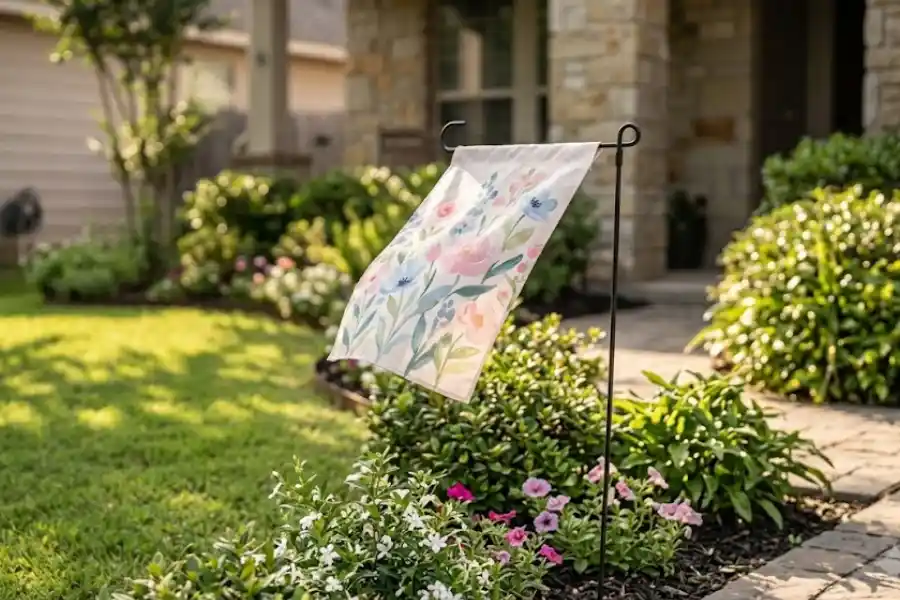
A garden flag is a small decorative flag, usually around 12.5 by 18 inches, made to sit low to the ground near a walkway, flower bed, or porch. Unlike a big house flag that flies from a tall pole, garden flags are meant to be seen up close. They show off holiday themes, seasonal designs, family names, sports teams, or just pretty patterns that match your home’s style.
People love them because they’re an easy way to change how a house feels without spending real money. Swap a flag, and suddenly it’s spring. Swap it again, and it’s Halloween. It’s decorating on easy mode, giving you quick seasonal updates much like hanging new outdoor garden wall art.
How to Pick the Right Garden Flag Sizes
This is where a lot of people go wrong right out of the gate. Garden flag sizes matter more than most buyers realize, because the wrong size can throw off your whole display.
- Standard size (12.5″ x 18″): This is the most common size and fits almost every regular garden flag stand. Good for flower beds, porch steps, and mailbox posts.
- Mini size (10″ x 14″): Better for small pots, tight spaces, or layered displays where you’re using more than one flag.
- Large/house size (28″ x 40″): These need a full house flagpole, not a garden stand. Great for bigger homes with more open porch or entry space.
A simple rule: match the flag size to the space around it. A tiny flag in a huge open yard gets lost. A giant flag squeezed next to a small porch looks like it’s trying too hard.
The Best Ways to Display Garden Flags
A flag is only as good as what it’s hanging from. Here are the most reliable options, starting with the easiest.
Garden Flag Stand
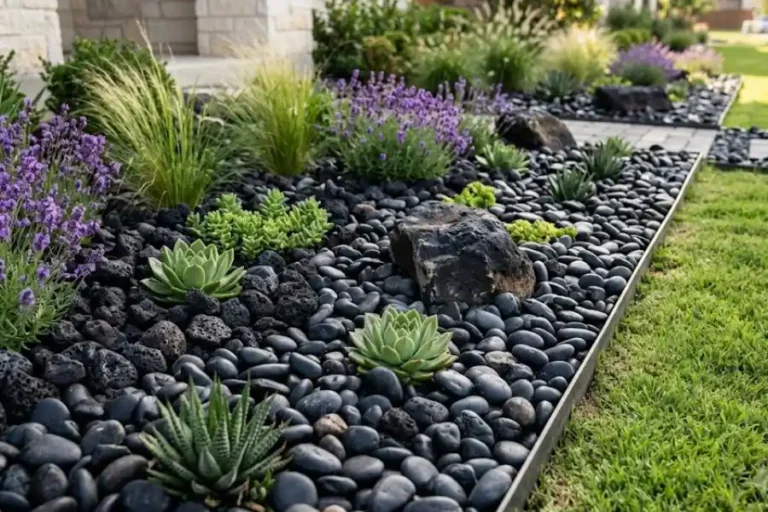
This is the classic choice, and for good reason. A basic garden flag stand is a two-piece metal pole that stakes into the soil, with a small horizontal arm the flag slides onto. It works well in flower beds, along walkways, or surrounded by a clean river rock landscaping border near the mailbox. Look for a powder-coated or rust-resistant stand with welded joints. Cheaper stands with weak joints tend to lean or snap after one bad storm.
Wall or Porch Mount
If you don’t have soil to stake into, a bracket mount attaches to a wall, railing, or porch post. This works especially well near front doors, where the flag becomes part of your entryway instead of your yard.
Tree or Arbor Hanging
For a softer, more natural look, hang a flag from a low tree branch or arbor using a short rope or decorative hook. This suits shaded gardens and cottage-style yards better than a stiff metal pole.
Mailbox Bracket
A small bracket that clips onto a mailbox post. No digging required, and it puts your flag right where every passerby will see it.
A flag that droops, sags, or hides behind an overgrown bush does more harm than good. It reads as forgotten, not decorated.
Common Garden Flag Mistakes to Avoid
- Placing it too low or too high. The flag should sit at a height where it can be seen from the street without craning your neck or missing it completely.
- Ignoring the wind. In windy spots, a flag without a wind clip or spinner topper will twist tightly around the pole and get stuck, ruining the design.
- Skipping the anti-wind clip. This small metal piece keeps the flag from wrapping around itself in gusty weather. It costs a few dollars and saves the flag.
- Choosing the wrong material for your climate. Polyester holds color well and dries fast, which makes it the safer pick for rainy or humid areas. Burlap looks charming but fades and wears out faster outdoors.
- Letting it stay up too long. Sun and rain break fabric down. Leaving one flag up year-round shortens its life by months.
How to Keep Garden Flags Looking New All Year
Almost nobody talks about this part, but it’s the difference between a flag that lasts one season and one that lasts five years.
- Rinse it occasionally. Dust, pollen, and sap build up over time and dull the colors. A quick rinse with a hose keeps it bright.
- Bring it in during storms. Heavy wind and hail are the fastest way to tear fabric or snap a stand. If a big storm is coming, take five seconds to pull the flag down.
- Store it flat or rolled, not folded tightly. Sharp folds create permanent creases and weak spots where the fabric can tear.
- Rotate flags seasonally instead of leaving one up all year. This matters for more than looks. Constant sun exposure is the number one reason colors fade.
- Dry it fully before storing. A damp flag stored away can grow mildew, which stains fabric permanently.
Seasonal Garden Flags: An Easy Way to Refresh Your Yard
One of the best things about decorative garden flags is how easily they let you follow the calendar. Spring florals in March, bright sunflowers for summer, pumpkins and leaves in fall, and snowflakes or holiday designs for winter. Because they’re small and affordable, most people keep three or four on hand and rotate them every couple of months.
A simple trick: buy your flag stand once, since a good one lasts for years, and then just swap flags a few times a year. It’s the cheapest decorating habit you’ll ever build.
Frequently Asked Questions
What size pole do I need for a standard garden flag?
Most standard garden flags fit a short garden flag stand, usually around 35 to 40 inches tall. Larger house-size flags need a full flagpole instead.
How often should I replace a garden flag?
With regular sun and weather exposure, most flags start fading after one to two seasons. Rotating flags and storing them properly can stretch that lifespan noticeably longer.
Can garden flags stay outside in winter?
Yes, but choose a weather-resistant polyester flag and check it after storms. Snow and ice can weigh down fabric and stress the pole, so many people switch to a smaller winter design and store larger flags indoors.
What’s the difference between a garden flag and a house flag?
Garden flags are smaller, around 12.5 by 18 inches, and sit low near beds or walkways. House flags are larger, around 28 by 40 inches, and fly from a taller pole mounted higher on the home.
Final Thoughts
A garden flag seems like a small thing, but the details make all the difference. Pick the right size, choose a sturdy stand, place it where it can be seen, and take a few minutes now and then to keep it clean and stored properly. Do that, and a fifteen-dollar flag can make your whole entryway feel finished.