How to Create a Tropical Garden in Any Climate, Even Cold Ones
Picture this. You step out your back door. Big green leaves brush your arm. A small fountain trickles nearby. For one second, you forget where you live. That is the magic of a lush backyard escape. And the best part? You do not need to live in Florida or Hawaii to build one.
A tropical garden is not about your zip code. It is about a feeling. Bold leaves. Rich colors. A sense of fullness that makes people stop and stare. You can create this look almost anywhere. It works on a tiny city balcony. It also works in a full backyard in a cold state. This post shows you how, step by step.
What Makes a Space Feel Tropical?
Before you buy any plants, learn what your eye reacts to. A tropical garden usually has three things in common.
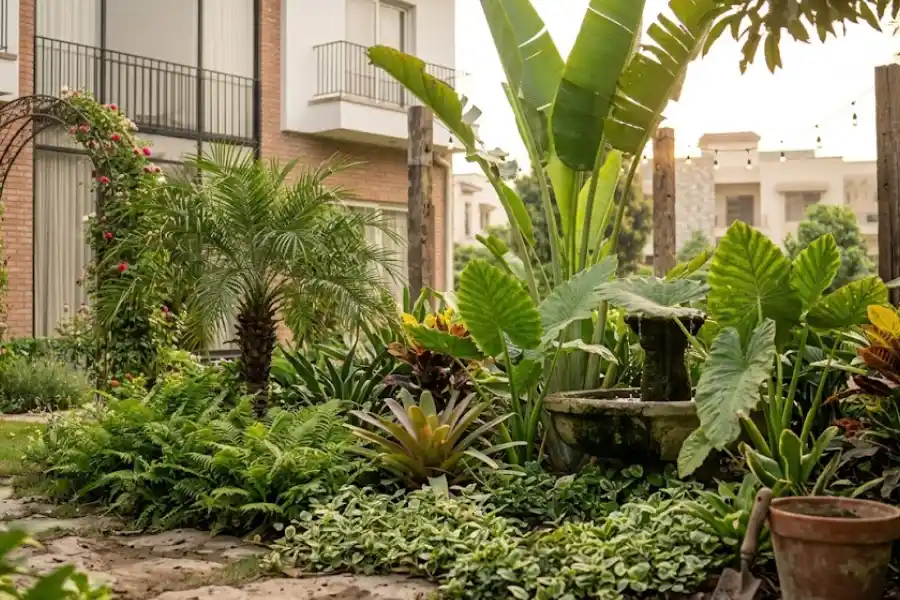
First, big leaves. Nothing says “jungle” like a leaf the size of a dinner plate. Second, layers. Tall plants go in the back. Medium plants sit in the middle. Low plants fill the front. This is just like a real rainforest. Third, bold color. Think deep greens, hot pinks, and fiery oranges. Soft, pale colors do not give this effect. Bright and bold does.
Once you know these three ideas, you can build a tropical garden almost anywhere. You just pick different plants to match your climate.
Step 1: Plan Your Layout First
Most people rush to the garden store and plan later. This is the top reason a new garden ends up messy instead of lush. Flip that order. Plan first, then shop.
Build in Layers
Think of your space in three layers, just like a rainforest floor.
- Top layer: your tallest plant, like a banana tree, a palm, or a tall canna lily. Place it near the back as your main focal point.
- Middle layer: plants that fill in around your tall plant, such as elephant ears, bromeliads, and hibiscus. This layer adds width and texture.
- Ground layer: low, spreading plants at the front and edges, like sweet potato vine. These soften the hard edges of paths and pots.
When these three layers work together, your garden looks full and natural. It will not look like a row of separate pots.
Containers or In-Ground Beds?
If you rent your home, or your soil is poor, use containers. There are plenty of container garden ideas to draw from, but the basics matter most: a large pot with good drainage can hold a small banana tree all summer, and it’s easy to move tender plants indoors before frost.
If you own your home and have good soil, in-ground beds let plants grow bigger and need less watering. Many gardeners mix both methods. Big anchor plants go in the ground. Smaller, colorful plants go in pots you can move around.
Step 2: Match Plants to Your Real Climate
This step trips up most beginners. True tropical plants only survive outdoors all year in USDA zones 9 through 11. If you live somewhere colder, you still have two solid paths forward.
Warm Climates (Zones 9 to 11)
Lucky you. True tropicals like bananas, hibiscus, bird of paradise, and bougainvillea can stay outside year-round. Put your budget into paths, a water feature, and lighting instead. Your plants will do most of the work on their own.
Cooler Climates (Zones 4 to 8)
You have two good options here, and neither is hard.
Option one: treat tender plants as annuals. Buy them cheap each spring. Enjoy them all summer. Let them go at the first frost. This costs a bit more each year but takes zero winter effort.
Option two: grow cold-hardy plants that fool the eye. Hardy banana can survive down to zone 5 with mulch. You can dig up canna lilies and elephant ears in fall, store them in a cool, dry spot for winter, and replant them again in spring. Hardy hibiscus and ornamental bamboo also give you that bold, leafy look, and they shrug off frost with no digging at all.
This style of garden is not really a plant list. It is a feeling built from layers, color, and a few bold choices. Even three well-placed plants can create that feeling in a small space.
Step 3: Add the Small Details That Make It Feel Like a Resort
Plants alone will get you most of the way there. A few extra touches push the space from nice to unforgettable.
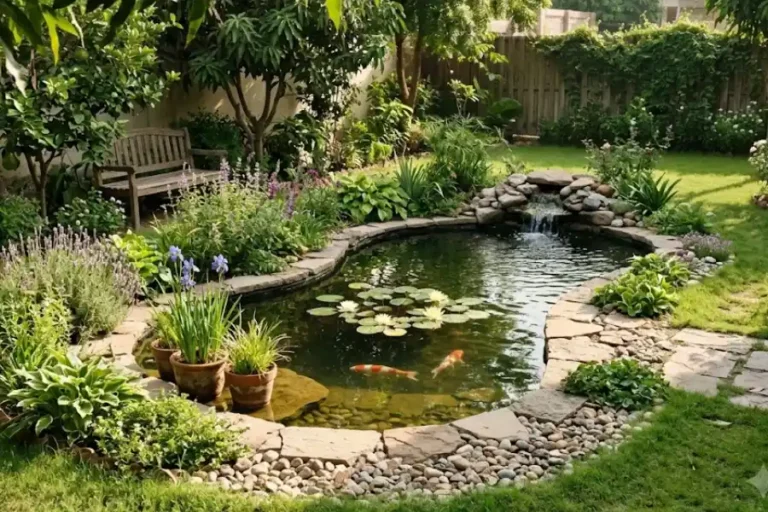
- Water sound changes how a space feels almost instantly. Even a small tabletop fountain adds that calming trickle you hear in a rainforest, and if you want to go bigger, an outdoor water fountain can anchor the whole space.
- Natural paths guide the eye and give the space shape. Wood chips, flagstone, or gravel all work well, and they cost far less than poured concrete.
- Warm lighting stretches your enjoyment into the evening. Simple solar garden lights or string lights add a soft glow, and leaves look even more dramatic once the sun goes down.
5 Mistakes That Can Ruin a Tropical Garden
Even eager gardeners fall into these traps. Avoid them and you will save time, money, and a lot of frustration.
- Buying plants with no plan. Random pretty plants rarely work well together. Sketch your layout first.
- Ignoring your real hardiness zone. A plant that dies every winter is not saving you money, no matter how cheap it was.
- Ignoring drainage. These plants like moisture, but soggy roots rot fast. Always use pots with drainage holes.
- Spacing plants too far apart. A sparse layout looks like a normal garden. Plant closer together than feels natural at first. Fullness is what creates that lush look.
- Skipping the ground layer. Tall plants alone leave bare soil showing. Low, spreading plants finish the picture.
Budget-Friendly Ways to Get a Lush Look
You do not need a big budget to build a tropical garden. A few smart choices stretch your money a long way.
- Buy small plants and let them grow. A small elephant ear costs far less than a mature one, and most of these plants grow fast in just one summer.
- Divide and multiply. Canna lilies form clumps you can split every year or two, turning one plant into several for free.
- Reuse containers. Old buckets, barrels, and crates can all become planters. Just drill a few drainage holes first.
- Shop end-of-season sales. Garden centers often discount plants heavily in late summer, and many will still thrive for the rest of the season.
How to Keep It Looking Its Best
These plants tend to be hungrier and thirstier than average garden plants. Water deeply and often during hot weather. Pots dry out fast, so check them daily. Feed plants every two to four weeks during the growing season, since big leaves need a steady supply of food. Remove yellow or damaged leaves right away to keep the display fresh and stop pests from hiding in dying growth. Make a fall plan before the first frost catches you off guard, and decide early if you will bring pots indoors or dig up bulbs for storage.
Frequently Asked Questions
Can I have a tropical garden if I do not live somewhere tropical?
Yes. Most home versions of this garden style are built in non-tropical areas. Gardeners either treat tender plants as yearly annuals, or they choose cold-hardy plants with a similar bold look.
What is the fastest-growing plant for a beginner?
Canna lilies and elephant ears are two of the fastest. Both can reach full size in a single growing season, even from a small starter plant.
Do I need a lot of space for this style?
No. This look can work in a single container on a small balcony. A few pointers on building a small balcony garden can help you get started, and the same layering method, tall plant, mid plant, low plant, works in one large pot too.
How much sun do these plants need?
Most want at least four to six hours of direct sun a day. A few, like elephant ears and ferns, prefer some shade and can scorch in full, hot sun.
Is this style hard to maintain?
It needs more regular watering and feeding than a low-water garden, but it is not complicated. Once you learn the basic routine, upkeep takes just a few minutes, a few times a week.
Final Thoughts
A tropical garden really comes down to a few simple choices, repeated well. Bold plants. Smart layers. A few sensory details. A plan that fits your climate. Start small if you need to. Even one large pot with a banana plant, a trailing vine, and a splash of color can give you that first taste of paradise, right outside your door.