Garden Stone for Memorial: Materials, Wording, Cost and Setup
Flowers fade. Cards get put away. But a stone stays.
That is why so many families choose a garden stone for memorial. It gives you a quiet place to sit, think, and remember. It does not need much care. And it can be as simple or as personal as you like.
Still, picking one can feel hard. There are many shapes, materials, and prices. You may also wonder what to write, where to put it, and how to keep it looking good.
This article covers each step in simple words. By the end, you will know what to buy or make, what to engrave, and how to set it in your yard the right way.
What Is a Memorial Garden Stone?
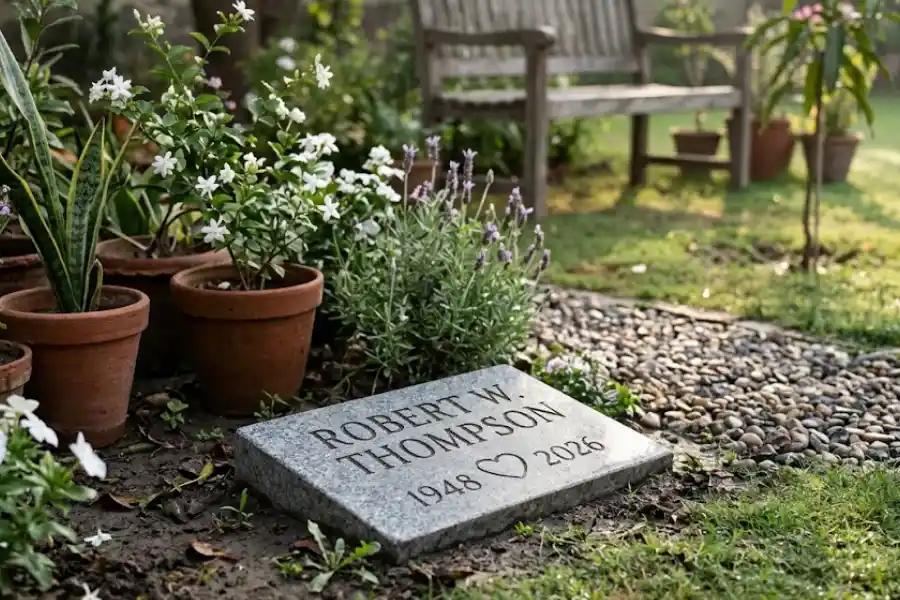
A memorial garden stone is a stone that honors a person or a pet who has died. You place it in a garden, yard, or outdoor space. Many stones carry a name, a date, a short message, or a small picture such as a heart, a butterfly, or a bird.
People choose a garden stone for memorial for many reasons:
- They want a place to visit that is close to home.
- They chose cremation and want a lasting marker.
- They want to honor a pet, a baby, or a friend.
- They want a gentle gift for someone who is grieving.
There is no “right” reason. A memorial stone is simply a way to say, “You mattered, and you are still part of this place.”
Types of Garden Stone for Memorial
Before you shop, it helps to know the main styles. Each one has a different look and purpose.
Engraved Stones and Plaques
These are flat or slightly raised stones with words cut or etched into the surface. Granite is the most common choice. Engraved stones work well when you want a name and dates to be easy to read, and many families order personalized garden stones so the wording is cut just the way they want it.
Memorial Stepping Stones
A stepping stone sits flat in the ground, often along a path. People can walk up to it and read it. It feels warm and open, and it fits well in a flower bed or lawn.
Natural Boulders and River Rocks
Some families like a rough, natural look. A large rock with a small plaque or a hand-painted name can blend into the garden like it has always been there, especially when it sits among river rock landscaping in a bed or along a path.
Pet Memorial Stones
Pets are family, and they deserve a tribute too. Pet stones are often smaller and may show a paw print, a bone, or a short line like “Forever in our hearts.” A spot near the place your pet loved to nap or play can feel just right.
Handmade Stones
Making your own stone can be a calm and healing project. You can press in shells, small tiles, or glass gems. You can also use letter stamps to add a name. We cover the steps later in this article.
Which Material Lasts the Longest?
The material you pick decides how long the stone looks good. Here is a simple way to compare the most common options.
- Granite: Very hard and long lasting. It holds sharp lettering for decades and handles rain, sun, and snow well. It often costs more, but it is a strong choice if you want something that will last a lifetime.
- Marble: Soft and bright, with a classic look. It can wear down and stain more easily than granite, and acid rain can slowly dull it.
- Slate: Dark and smooth, with a natural look. It works well for small plaques, but thin pieces can crack in hard freezes.
- Cast stone or cement: Made in a mold, so it costs less and comes in many shapes. Good quality pieces hold up well. Cheap ones can chip.
- Resin or composite: Light and weather resistant. Good for people who want an easy, lower-cost option, though it may not feel as solid as real stone.
- Natural fieldstone or river rock: Free or cheap, and very personal. You will need to paint or attach a plaque for the words, and paint will need touch-ups over time.
If you live where winters are cold, think about freezing and thawing. Water can seep into small cracks, freeze, and split a weak stone. Dense materials like granite handle this much better.
What to Write on a Memorial Garden Stone
This is the part many people worry about most. The good news is that it does not have to be long. Short words often feel the strongest.
Most stones include one or more of these parts:
- A name (full name, first name, or a nickname)
- Years of birth and death
- A short phrase or line of love
- A small symbol, such as a heart, bird, or flower
If you feel stuck, try these ideas:
Forever in our hearts.
Loved, missed, and never forgotten.
Where you walked, flowers grow.
Rest easy, sweet friend. (A kind choice for a pet.)
Your love still lives in this garden.
A few tips can help you avoid regret:
- Keep it short. Small stones have little room, and long text can look crowded.
- Say it out loud. If it sounds natural, it is probably right.
- Check every letter. Ask for a written proof before engraving starts. A spelling mistake is hard to fix in stone.
- Think about who will read it. Will it be you, your kids, or guests? A line that comforts a child may differ from one meant for an adult.
- Use something personal. A favorite flower, hobby, or saying can say more than a standard verse.
How Much Does a Garden Stone for Memorial Cost?
Prices vary a lot, so treat these numbers as a rough estimate only.
- Handmade stones: Often about $10 to $30 in supplies, depending on the mold and extras.
- Ready-made garden stones: Many mass-produced pieces cost about $20 to $65.
- Custom engraved stones: These often start near $100 and can climb to several hundred dollars or more for larger granite pieces or detailed designs.
What changes the price?
- The size and weight of the stone
- The material
- The number of letters
- Extra art, such as a photo or a carved picture
- Shipping, since stone is heavy
Before you pay, ask a few simple questions. Is shipping included? Do you get a proof before engraving? What is the return or fix policy if there is a mistake? A trusted seller will answer these clearly.
Where to Put a Memorial Garden Stone
The spot you choose shapes how the stone feels. Think about where you would like to pause and remember.
Popular places include:
- Under a favorite tree. It adds shade and a feeling of calm.
- Beside a bench. This gives you a natural place to sit, and a wood outdoor garden bench looks at home among plants and flowers.
- Along a path. Visitors may notice it as they walk by.
- Near a flower bed. Seasonal color can change the mood through the year.
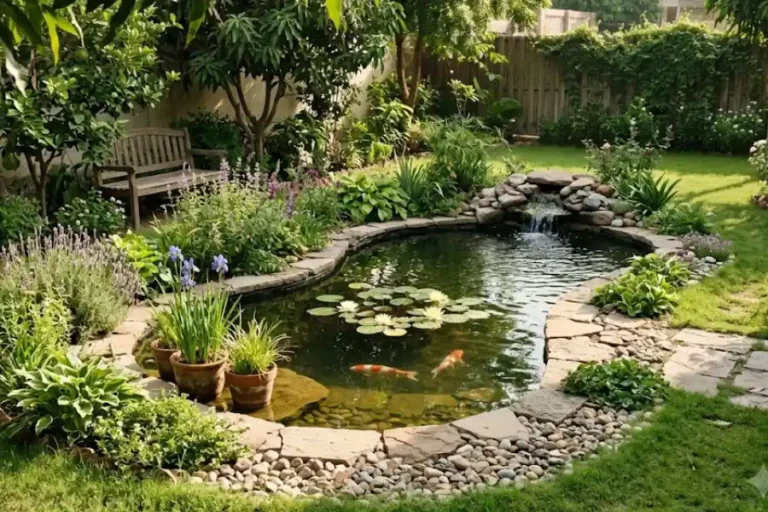
- By a water feature. The sound of water can be soothing.
- In a quiet corner. A private spot is good if you want peace and space, and it suits a few minutes of garden meditation on hard days.
Also think about everyday things. Is the ground flat? Does water pool there after rain? Will tall plants cover the stone in summer? A stone that is hard to see will not bring much comfort.
How to Install a Memorial Stone Step by Step
A stone that sits on bare dirt can sink, tilt, or crack. A little prep makes a big difference. These steps work for most flat stones and stepping stones.
- Pick your spot. Place the stone on the ground first and look at it from a few angles.
- Mark the outline. Use a stick, flour, or a garden hose to trace the shape.
- Dig a shallow hole. Dig far enough for a few inches of base material plus the thickness of the stone.
- Add a base. Use about two inches of gravel or paver base. Pack it down firmly. This helps water drain away.
- Add a thin layer of sand. Smooth it flat so the stone can settle evenly.
- Set the stone. Lower it carefully. Bend your knees and ask for help if it is heavy.
- Check that it is level. Press and wiggle it. Add or remove sand until it sits firm.
- Fill the edges. Pack soil, sand, or small gravel around the sides.
- Clean the surface. Wipe away dirt so the words are easy to read.
For upright stones or large boulders, a thicker base and extra support may be needed. If the piece is very heavy, a landscaper can set it safely for you.
How to Make a DIY Memorial Garden Stone
You do not need to be an artist to make something meaningful. Many people say the making itself helps them feel close to the one they miss. Here is a simple method using concrete.
What you need: quick-setting or regular concrete mix, a mold (a round cake pan or a stepping stone mold works), cooking spray, a mixing bucket, gloves, a dust mask, and small decorations like shells, glass gems, or letter stamps.
- Prep the mold. Spray it lightly with cooking spray so the stone lifts out later.
- Wear safety gear. Concrete dust and wet mix can irritate skin and lungs. Use gloves and a mask.
- Mix the concrete. Follow the directions on the bag. Aim for a thick, oatmeal-like texture.
- Fill the mold. Pour it in and tap the sides to release air bubbles.
- Smooth the top. Use a spoon or small trowel.
- Add your touches. Wait a short time until the surface firms up, then press in decorations or stamp the name.
- Let it cure. Leave it alone for at least a day or two, then remove it from the mold. Keep it out of harsh sun while it hardens.
- Seal it. After it dries well, apply a clear outdoor sealer to protect it from weather.
Take your time. If your first try does not look perfect, that is okay. A stone with small flaws can still hold a lot of love.
How to Care for a Garden Stone
Good news: most memorial stones need very little care. A few small habits will keep yours looking its best.
- Clean gently. Use water, a soft brush, and a little mild soap. Rinse well.
- Skip harsh cleaners. Strong acids and bleach can harm marble, limestone, and painted lettering.
- Avoid pressure washers. They can wear down letters and chip soft stone.
- Trim plants. Keep weeds and shrubs from covering the words.
- Check for shifting. After heavy rain or a hard freeze, make sure the stone is still level.
- Touch up paint. If your stone has painted lettering, plan to repaint it every few years.
Common Mistakes to Avoid
A little planning can save you stress later. Watch out for these common problems:
- Buying too small. A tiny stone can get lost in a big garden.
- Writing too much. Crowded text is hard to read and can look messy.
- Skipping the base. Without a good base, the stone may sink or tilt.
- Ignoring the weather. Thin stone or cheap paint may not last through harsh winters or strong sun.
- Not checking the rules. This is the one people forget most, so read the next section.
Check the Rules Before You Place It
Rules depend on where you live and where you plan to put the stone. Take a few minutes to check these:
- Your own yard: You usually have a lot of freedom, but homeowner associations may have rules about yard decor.
- Rental homes: Ask your landlord first. You may also want a stone you can move if you leave.
- Cemeteries and memorial parks: Many have strict rules about size, material, and placement. Ask the office before you buy.
- Public parks and church grounds: These often require approval or a formal program.
If you plan to bury or scatter cremated remains, laws and rules differ by place. Check with your funeral home, local officials, or the property owner so you do things the right way. A funeral director can also help you if you want to use ashes in a handmade or specially made stone.
Frequently Asked Questions
What is the best garden stone for memorial use?
Granite is often the best pick for long life, because it resists weather and holds engraving well. If you want a lower cost or a personal project, cast stone or a handmade concrete stone can work well too.
Can I use a garden stone for memorial of a pet?
Yes. Many people place a small stone, a paw print stone, or a painted rock where their pet loved to rest. Pet stones can say as much as a name and a short line.
How long does a memorial garden stone last?
It depends on the material and the weather. Granite can last for generations. Cement and resin stones may last many years with care. Painted rocks usually need touch-ups every so often.
Is it okay to move a memorial stone later?
Yes, in most cases. Many people move their stone when they change homes. If it is heavy, ask for help or use proper tools so you do not hurt yourself or damage the stone.
What size should a memorial garden stone be?
Common sizes for garden stones range from small plaques about the size of a paperback book to larger stepping stones around 12 inches wide. Choose a size that you can read from where you will stand or sit.
Should I put flowers near the stone?
Flowers are a lovely touch. Many people pick plants that mean something, like a favorite color or a bloom that returns each year. Just make sure the plants do not hide the words as they grow.
Is a garden memorial stone a good sympathy gift?
It can be, if you know the person would like it. It is a lasting and gentle way to say, “I am thinking of you.” Pair it with a short, kind note so the meaning is clear.
Final Thoughts
A garden stone for memorial does not need to be fancy to matter. It only needs to feel true. A simple name, a kind line, and a calm spot can give you a place to go on the hard days and the good ones.
Start small if you need to. Pick a material that fits your climate, write words that feel like them, and set the stone with care. Over time, the garden will grow around it, and the memory will grow with it.
Take your time. There is no rush, and no wrong way to remember someone you love.