Peaceful Garden: 9 Simple Ways to Build a Calm Space at Home
Picture this. You step outside after a long, loud day. The air feels cool. A soft breeze moves through the leaves. Your shoulders drop, and your mind finally goes quiet.
That is what a peaceful garden can do for you.
Here is the good news. You do not need a big yard, a big budget, or years of skill. A peaceful garden can fit on a balcony, a porch, or a small patch of grass. This article shows you how to build one in a few easy steps.
What Makes a Peaceful Garden Feel So Calm?
Not every garden feels restful. Some feel busy, messy, or too open. A peaceful garden is different. It gently quiets your eyes, your ears, and your body.
Calm gardens tend to share a few traits:
- A sense of shelter. Hedges, fences, or tall plants help you feel safe and tucked away.
- Soft sights. Fewer colors and gentle shapes are easy on the eyes.
- Pleasant sounds. Water, leaves, and birds replace the hum of the street.
- Easy upkeep. A garden full of chores does not feel like a retreat.
- A place to sit. A calm garden invites you to stop and stay a while.
Keep these five ideas in mind. Every step below builds on them.
Why Spending Time in a Garden Calms Your Mind
Feeling calm in a garden is not only in your head. In 2011, two Dutch researchers, Agnes van den Berg and Mariette Custers, put it to the test. They asked 30 gardeners to do a stressful task. Then half of them gardened for 30 minutes. The other half read indoors.
Both groups calmed down. But the gardeners calmed down more. Their level of cortisol, a stress hormone, fell faster. Their good mood also came all the way back. The mood of the readers, on the other hand, got worse. You can read the full study in the Journal of Health Psychology.
It was a small study, so it is not the final word. Still, it matches what many people feel. Time with plants helps us slow down.
9 Simple Steps to Create a Peaceful Garden
You can follow these steps in order, or pick the ones that fit your space. Each one is small. Together, they add up to a place that feels like a long, slow breath.
1. Start With One Quiet Corner
Do not try to change your whole yard at once. Pick one spot instead. Choose a place you can see from a window or door, so it pulls you outside. This corner will be the heart of your peaceful garden.
2. Turn Down the Noise
Plants will not fully block traffic or loud neighbors. But dense shrubs, tall grasses, and a sturdy fence can soften the sound. Then add a sound you like, such as running water, to cover what is left.
3. Build a Soft Edge
People feel calm when they feel sheltered. Try a low hedge, a trellis with a climbing vine, or a row of tall pots. You want to feel wrapped, not trapped, so leave one open view to enjoy.
4. Keep Your Colors Calm
Pick two or three colors and stick with them. Green is your base. Then add soft white, blue, purple, or pale pink. Save bright red and orange for another part of the yard. Repeating the same plants also feels calm, because the eye has less to sort out.
5. Plant for All Five Senses
A garden that is calm to look at is good. A garden that feels good to touch, smell, and hear is better. Try this mix of sensory garden plants:
- Sight: ferns, hostas, and soft green grasses.
- Smell: lavender and rosemary, which both love sun.
- Touch: lamb’s ear, which has leaves as soft as felt.
- Sound: tall grasses that rustle in the wind.
- Taste: thyme, chives, or strawberries you can pick and eat.
If you have pets, check the ASPCA plant list before you buy. Some pretty plants, including lavender, can upset a pet’s stomach.
6. Add the Sound of Water
Water is one of the fastest ways to create calm. A small fountain, a bubbling pot, or a simple bird bath will do. Keep the sound soft, like a trickle, not a roar. Also keep the water moving or change it often, since still water can attract mosquitoes.
7. Add a Seat You Love
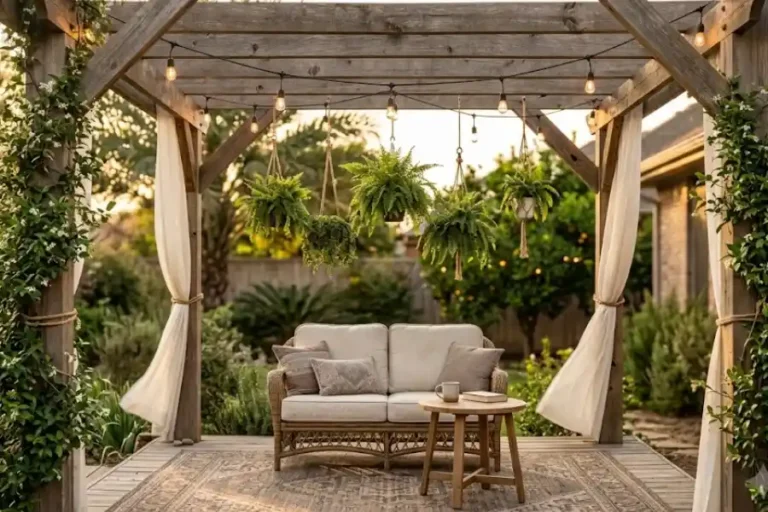
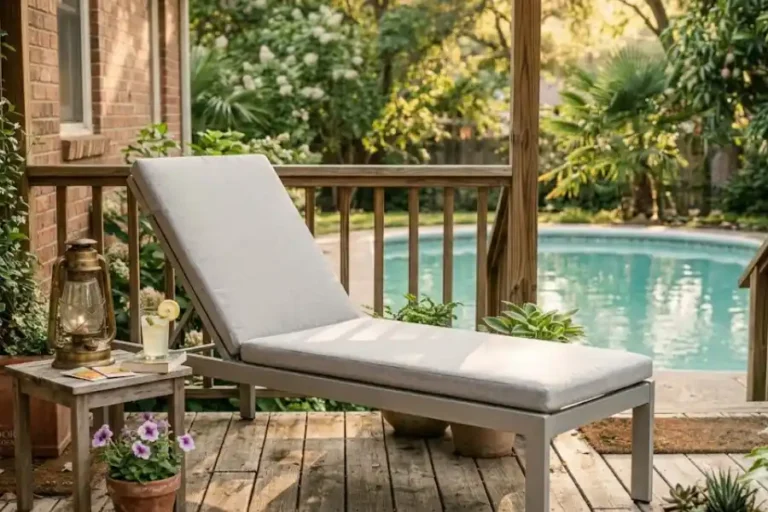
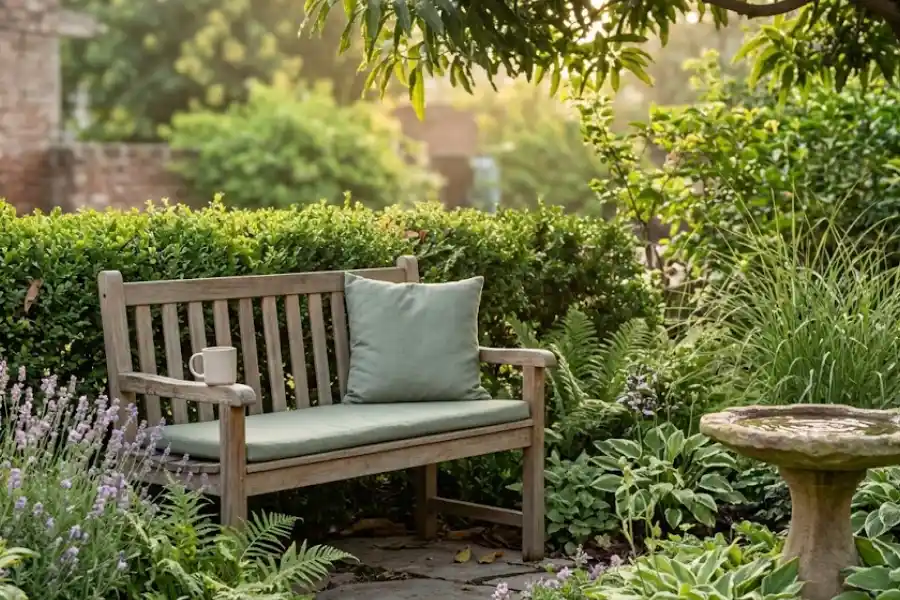
A garden with no seat is a garden you only walk through. Add a bench, a chair, or even a stack of outdoor cushions. Place it so you face the best view, with a wall or hedge at your back.
8. Use Soft Light After Dark
Many people only get a free hour at night. Warm string lights, lanterns, or small solar lamps along the path let you enjoy your space after sunset. Skip harsh floodlights. They make a garden feel like a parking lot.
9. Invite Birds and Bees
Movement and life make a garden feel alive. Add a bird bath, a feeder, and a few shrubs where birds can hide. Plant native flowers for bees and butterflies. Try to avoid strong sprays, which can harm the very visitors you want.
Quick tip: Do not buy everything at once. Add one new feature each week. Then sit in your garden and notice how it feels before you add more.
How to Make a Peaceful Garden in a Small Space
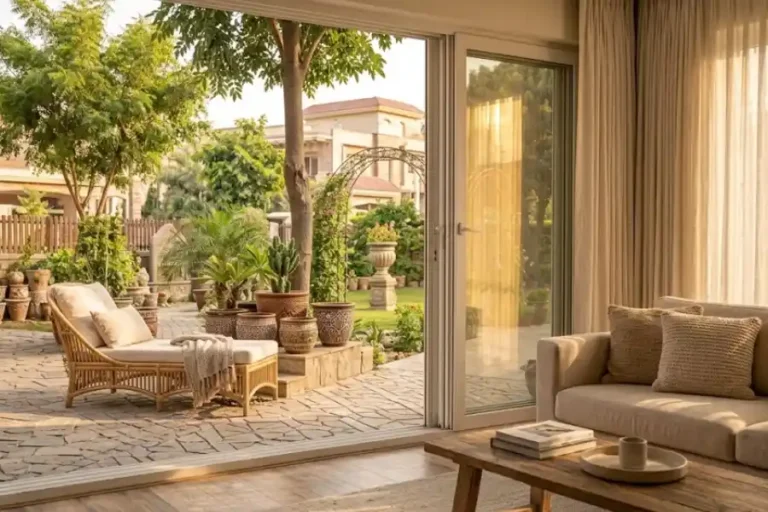
No yard? No problem. A peaceful garden is about how a space feels, not how big it is. Here are easy ideas for patios, rentals, and a small balcony garden:
- Use large pots. They hold water longer and look neater than many small ones.
- Grow up, not out. A trellis or wall planter saves floor space.
- Add a privacy screen. Bamboo or reed fencing, or a tall plant, blocks the view of neighbors.
- Choose one small water feature, such as a tabletop fountain.
- Keep the floor clear so you have room for one chair.
The Lazy Rule: Keep Your Garden Low Work
This is the part most articles skip. If your garden gives you a long to-do list, it stops being a retreat. So plan for low work from the start.
- Choose perennials. They come back every year without replanting.
- Cover bare soil with mulch. It keeps weeds down and holds in water.
- Group plants by water needs, so you can water them all at once.
- Pick fewer types of plants, and plant more of each.
- Aim for about 30 minutes of care each week.
A peaceful garden should never feel like a second job.
5 Mistakes That Can Ruin a Peaceful Garden
- Too much going on. Many colors, shapes, and ornaments make the eye work hard.
- No place to sit. Without a seat, you will not stay.
- The wrong plant for the spot. A sun lover in full shade will struggle and stress you out.
- Loud decor. Strong chimes, bright lights, and noisy ornaments can break the calm.
- Ignoring the weather. Watch where the sun and wind go before you plant.
Your Simple Weekend Plan
Not sure where to begin? Try this plan.
- Saturday morning: Pick your corner and clear it. Remove weeds, junk, and clutter.
- Saturday afternoon: Watch the sun. Note where it shines and where it stays shady.
- Sunday morning: Buy three plants that match your light, plus a few pots or mulch.
- Sunday afternoon: Plant, add a seat, and sit down for ten quiet minutes.
Frequently Asked Questions
What are the best plants for a peaceful garden?
Soft, leafy, and fragrant plants work well. Good picks include lavender, ferns, hostas, ornamental grasses, lamb’s ear, and rosemary. Match each plant to your sun, soil, and local climate. Your local garden center or county extension office can help you choose.
How much does a calm garden cost?
It depends on your plan. You can start small with a chair, a few pots, and some herbs. Water features and fencing cost more. Add pieces slowly, and use secondhand items when you can.
Can I create a calm space in the shade?
Yes. Shade is great for calm. Ferns and hostas do well there, and there are plenty of other plants for shade to choose from. Add a bench, a few mossy stones, and soft lighting, and you have a cool, quiet retreat.
What is the difference between a Zen garden and other calm gardens?
A Zen garden is a specific Japanese style. It often uses raked gravel, rocks, and very few plants. A calm garden can be any style you like, as long as it helps you relax.
Your Peaceful Garden Starts Today
You do not need perfect soil or a perfect plan. You need one quiet corner, a few soft plants, and a place to sit. Start there. Then let your space grow slowly, just like a real garden does.
Your peaceful garden is waiting. Go outside, pick your spot, and take the first step today.