How to Build a Roof Garden Without Ruining Your Roof
Look up. That flat, empty roof above your head is doing nothing right now. It sits there, soaking up heat, collecting dust, and going to waste. But it could be holding tomatoes, lavender, a small bench, and a view of the sunset. That is the whole idea behind a roof garden. It takes wasted space and turns it into something alive.
A lot of articles online make roof gardens sound either too easy or too complicated. This one will not do that. By the end, you will know what a roof garden is, whether your roof can handle one, how to build it step by step, and how to avoid the mistakes that trip up almost every first-time gardener. No fluff. Just what you need.
What Is a Roof Garden?
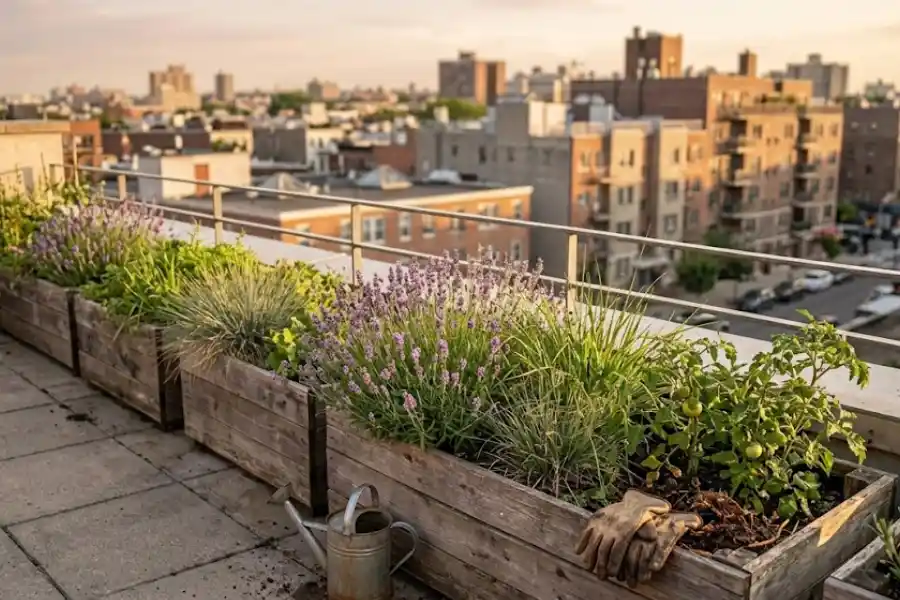
A roof garden is simply a garden built on top of a building instead of on the ground. It can be as small as a few pots on a balcony roof or as big as a full green space with trees, paths, and seating. Some roof gardens use soil beds. Others use containers. Either way, the goal is the same: plants growing above street level, using space that would otherwise sit empty.
People also call this rooftop gardening or a green roof, and while these terms overlap, there is one small difference worth knowing. A green roof usually refers to a roof covered edge to edge in a thin layer of hardy plants, mostly for insulation and drainage. A roof garden is more about creating a usable space for people, with plants as a big part of the design.
Why People Are Falling in Love With Roof Gardens
This isn’t reserved for people with money to spare. A well-planned roof garden earns its keep in real, measurable ways.
- Lower energy bills. A layer of plants and soil acts like a blanket for your building. It keeps heat out in summer and keeps warmth in during winter, which means your air conditioner and heater do not have to work as hard.
- A longer-lasting roof. Sunlight, rain, and temperature swings wear down a bare roof fast. A roof garden protects the surface underneath, which can add years to how long your roof lasts.
- Cleaner air right outside your window. Plants trap dust and pollutants before they drift into your home.
- More usable outdoor space. If you live in a city apartment with no yard, a roof garden might be the only outdoor space you will ever have.
- A calmer mind. Time spent around plants, even a small patch of them, has a way of lowering stress. Many roof gardeners say their rooftop became the one place in the city where they could finally slow down and relax.
- Higher property value. A finished, well-kept roof garden can genuinely raise what a home or building is worth, especially in crowded cities where outdoor space is rare.
Before You Plant Anything: Can Your Roof Handle a Garden?
This is the part most beginner articles skip, and it is the most important part of all. A roof garden is heavy. Heavier than most people expect. Soil holds water, and wet soil is far heavier than dry soil. A single raised bed filled with wet soil and plants can weigh several hundred pounds. Multiply that across a whole roof, and you can see why this step cannot be skipped.
Most standard flat roofs are built to handle around 20 pounds of extra weight per square foot. A roof that is specifically designed to support a garden, however, may be rated for 100 pounds per square foot or more. There is a huge gap between those two numbers, and guessing wrong can lead to a sagging roof, water damage, or worse.
Before you buy a single plant, get your roof checked by a structural engineer. This usually costs a few hundred dollars, and it is the cheapest insurance you will ever buy. It is the one step that decides whether your roof garden is a dream or a disaster.
While you are at it, check two more things. First, ask your landlord, building management, or homeowners association whether roof gardens are even allowed. Second, look into your local building codes, since some cities have specific rules about rooftop weight, railings, and fire access.
Two Main Types of Roof Gardens
Extensive Roof Gardens
This type uses a thin layer of lightweight soil, usually less than six inches deep, planted with tough, low-growing plants like sedum, moss, and ornamental grasses. It is lighter, cheaper, and needs very little watering once it is established. This is the better choice if your roof has a lower weight limit or if you want something that mostly takes care of itself.
Intensive Roof Gardens
This type looks and feels like a real ground-level garden, with deeper soil, a wider mix of plants, and sometimes even small trees, paths, and seating areas. It looks beautiful, but it is much heavier and needs a roof that was built, or reinforced, to handle serious weight. It also asks for more regular care, from watering to pruning.
How to Build a Roof Garden, Step by Step
- Get a structural check. Confirm your roof’s weight limit before anything else. This one step decides everything that follows.
- Get permission and check local rules. Talk to your landlord or building management, and check your city’s building codes for rooftop use.
- Plan your layout. Sketch out where the plants, seating, and walking paths will go. Keep the heaviest containers near load-bearing walls or columns, since these areas carry weight better.
- Waterproof the surface. Lay down a proper waterproof membrane so water cannot leak into the building below. This step protects your entire home, so it is not one to rush or skip.
- Add a drainage layer. A layer of drainage fabric or gravel underneath your soil keeps water moving instead of pooling, which stops root rot and leaks.
- Choose lightweight containers and soil. Skip heavy clay pots and regular garden dirt. Go for plastic or fiberglass containers and a light, well-draining potting mix made for rooftop use. Many of the same container garden ideas used on patios and balconies work just as well up here.
- Install a windbreak if needed. Rooftops are windier than ground-level yards. A simple screen or trellis along the edge can protect delicate plants from getting battered.
- Plant and set up watering. A drip irrigation system or self-watering containers will save you time and keep your plants from drying out on hot days.
The Best Plants for a Roof Garden
Rooftops are hotter, windier, and drier than gardens at ground level, so not every plant will thrive up there. These handle rooftop life well:
- Sedum and other succulents, which store water and shrug off drought and heat.
- Ornamental grasses, which bend in the wind instead of snapping.
- Herbs like thyme, rosemary, and lavender, which prefer dry, sunny, slightly harsh conditions, the same conditions that make a balcony herb garden thrive.
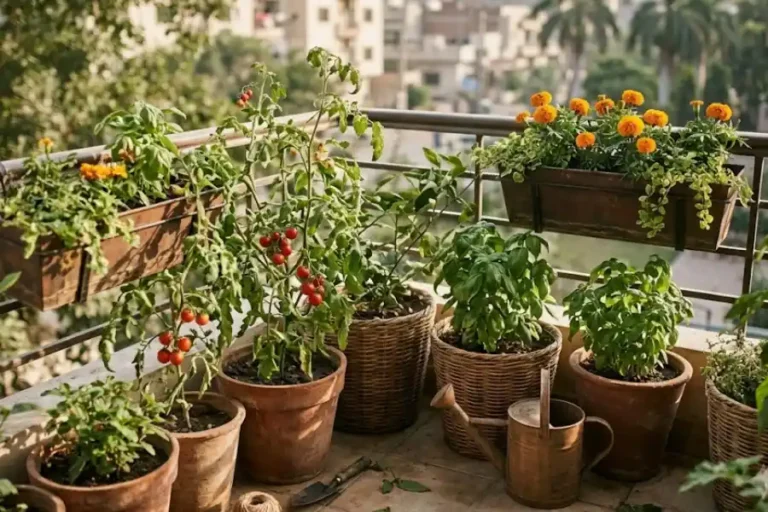
- Compact vegetables such as peppers, cherry tomatoes, and leafy greens, if you are planning a food-focused roof garden.
- Native plants for your region, since they are already adapted to your local weather and usually need less water and care.
How Much Does a Roof Garden Cost?
The price of a roof garden depends heavily on size, materials, and whether structural reinforcement is needed. Here is a rough breakdown:
- Structural engineer assessment: A few hundred dollars, and worth every cent.
- Small container roof garden: A modest budget covers pots, soil, and a handful of tough plants, similar to furnishing a balcony with a few tall outdoor planters.
- Full extensive green roof: Mid-range cost per square foot, covering the waterproof membrane, drainage layer, lightweight soil, and low-maintenance plants.
- Full intensive roof garden: The highest cost, since it includes deeper soil, stronger waterproofing, possible structural reinforcement, and a wider variety of plants and features.
A small container setup can often be started for a few hundred dollars. A full, professionally built roof garden system is a much bigger investment, but it tends to pay some of that back over time through lower energy bills and a longer-lasting roof.
Keeping Your Roof Garden Alive: Maintenance Tips
- Check your drainage layer occasionally to make sure water is not pooling anywhere.
- Water more often in the first year while plants are still settling in, then ease off as they mature.
- Inspect your waterproof membrane once a year for cracks or weak spots.
- Trim back plants that grow too tall or too heavy for their containers.
- Watch for strong storms. Move lightweight pots indoors or secure them if high winds are expected.
Common Mistakes to Avoid
- Skipping the structural check. This is the single biggest and most expensive mistake a person can make.
- Using regular garden soil. It is far heavier than potting mix made for rooftops, and it drains poorly in containers.
- Forgetting about wind. Rooftops can be surprisingly harsh on delicate plants without some kind of windbreak.
- Ignoring drainage. Without it, water pools, roots rot, and leaks can damage the building below.
- Overplanting too fast. Start smaller than you think you need to. You can always expand once you know how your roof garden behaves through a full year of seasons.
Frequently Asked Questions
Can any roof become a roof garden?
Not automatically. It depends on your roof’s structural strength. Some roofs can support a full garden with little to no changes. Others need reinforcement first, and a few are not suitable at all. A structural check will give you the real answer.
Do roof gardens cause leaks?
A properly built roof garden, with correct waterproofing and drainage, should not leak. Leaks usually happen when these steps are rushed or skipped entirely.
How much sun does a roof garden get?
Usually a lot, often more than a ground-level yard, since there is nothing tall around to block sunlight. This is great for sun-loving plants but can be tough on delicate ones, so shade cloth or taller companion plants can help.
Is a roof garden hard to maintain?
An extensive roof garden with tough, drought-resistant plants needs very little upkeep once established. An intensive roof garden, with more variety and deeper soil, needs closer to the level of care you would give a regular backyard garden.
Final Thoughts
A roof garden is one of the few home upgrades that pays you back in more than one way. It cools your building, protects your roof, cleans the air around you, and hands you a quiet outdoor space you did not have before. The only real requirement is doing it in the right order: check your roof’s strength first, waterproof properly, choose the right plants, and build up from there.
Start small if you need to, the same approach that works for any beginner balcony garden. Even a handful of pots on a safe, checked rooftop is a real roof garden. It just might be the beginning of something much bigger.