Children’s Garden Chair and Table: What Every Parent Should Know
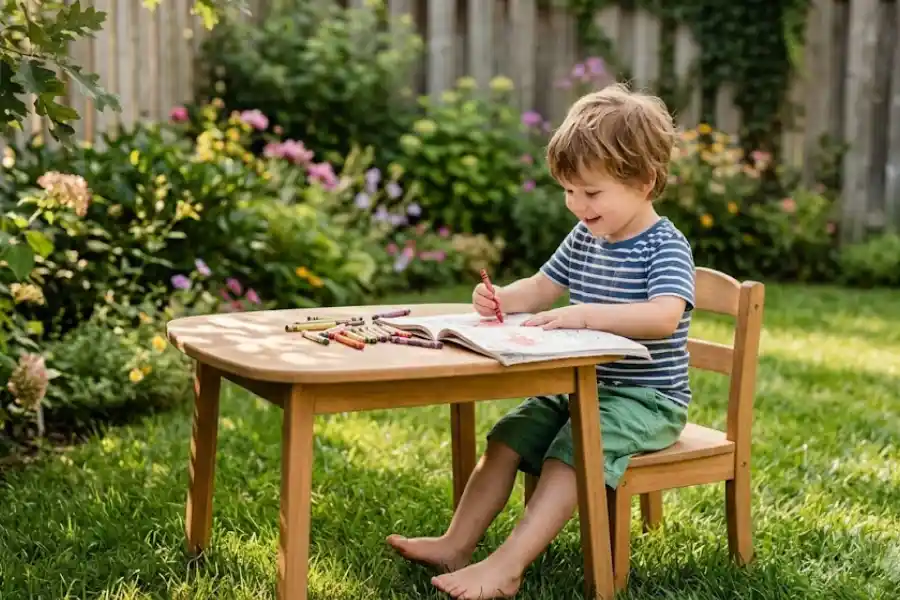
Picture this. The sun is out. Your backyard smells like fresh grass. And your child is sitting at their very own little table outside, coloring, snacking, or watching a butterfly drift past. No screen in sight. No noise. Just pure, happy outdoor time.
That kind of moment does not simply happen on its own. It starts with giving your child a safe, comfortable spot to call their own in the garden.
A children’s garden chair and table set sounds simple. But walk into any store or scroll through any website, and you will find hundreds of options. Different materials. Different sizes. Different price tags. It is easy to feel overwhelmed and end up buying something that wobbles after a week or sits too tall for your toddler to use comfortably.
This article fixes that problem. By the end of this article, you will know what to look for, what to avoid, and how to pick the best set for your child, your garden, and your budget.
Why Your Child Needs Their Own Outdoor Spot
Children today spend far less time outdoors than kids did a generation ago. Too much screen time and too little fresh air is a real issue. But here is something most parents notice quickly: when kids have their own comfortable place outside, they genuinely want to go out.
A dedicated garden chair and table set gives your child a sense of ownership. It is their spot. Their little world. And that small feeling of independence does a lot for a child’s confidence and creativity.
Spending time outside also helps children in real, measurable ways. It improves mood. It supports better sleep. It increases vitamin D levels. It sharpens focus and helps reduce anxiety. Pediatricians and child development experts consistently recommend more unstructured outdoor play, and a comfortable garden setup makes that easier to achieve.
So yes, buying a good garden set for your child means much more than a simple purchase. It is an investment in their well-being.
The Main Types of Children’s Garden Chair and Table Sets
Not all sets are the same. Here is a simple breakdown of the main types available today:
Picnic-Style Sets with Benches
These are the classic choice. A small table sits in the middle, and two benches run along each side. Up to four children can sit together comfortably. These sets are very stable and great for groups. Most come in wood or plastic, and many include a removable umbrella for shade.
Individual Chair and Table Sets
These include two separate chairs and one matching table. They look like a miniature adult patio set. The chairs can be moved around freely, which children tend to love. These sets often look more stylish than picnic bench sets, mimicking the classic look of a wood outdoor garden bench, and work beautifully for one or two children.
3-in-1 Convertible Sets
These clever sets can switch between uses. One day it is a picnic table. Remove a center panel, and it becomes a sandbox. Add water, and it turns into a water play station. These are ideal for younger children, usually between ages two and six. They offer a lot of play value from a single purchase.
Foldable and Portable Sets
If you have limited storage space or need to bring the set in during winter, a foldable set is a good choice. These are lightweight and easy to move. However, they are slightly less stable than fixed sets. Avoid foldable furniture for children under three, as toddlers tend to lean and pull on furniture without warning.
Wood or Plastic: Which Is Better for Your Garden?
This is the question almost every parent asks first. The simple truth is that both materials can work well. But each one has real strengths and real weaknesses.
Wooden Garden Sets
- Last longer: A well-made wooden set can last five years or more with proper care and annual maintenance.
- Look beautiful: Wood blends naturally into garden settings and gives a far more elegant look than plastic.
- More eco-friendly: Look for sets made from FSC-certified wood, which means the timber was sourced responsibly from managed forests.
- Heavier and more stable: The extra weight means wooden sets are far less likely to tip over during active play.
- Need maintenance: Wood must be sealed or treated once a year to protect it from rain, moisture, and UV damage. Skip this step and the wood will crack and warp.
- Cost more upfront: A quality wooden set typically starts at around $100 to $200.
Plastic Garden Sets
- Very easy to clean: A quick wipe-down or rinse with a garden hose is all it takes.
- Budget-friendly: Good plastic sets start at around $50 to $100, making them the more accessible option for many families.
- Lightweight: Easy to move around the garden or bring indoors during bad weather.
- Weather resistant: Most plastic sets are UV-resistant and handle rain well without needing treatment.
- Shorter lifespan: Plastic tends to fade, crack, and become brittle faster than wood, especially in very sunny climates.
- Less stable: Lightweight plastic chairs can tip over if a child leans back. This is worth keeping in mind for active toddlers.
Our Take: For daily outdoor use across several seasons, a mid-range wooden set offers better long-term value. For occasional use, easy storage, or a tight budget, a good plastic set works perfectly well. Whichever material you choose, always prioritize quality. A cheap set that breaks after one summer is never the better deal.
How to Choose the Right Size for Your Child’s Age
Getting the size right is one of the most important steps. Furniture that is too tall or too short is uncomfortable and can lead to poor posture during use.
Here is a clear age-by-age size guide:
- Toddlers (Ages 2 to 3): Table height of 14 to 16 inches. Chair seat height of 10 to 12 inches. Your child’s feet should rest flat on the ground when seated.
- Preschoolers (Ages 3 to 5): Table height of 16 to 20 inches. Chair seat height of 12 to 14 inches.
- Older Children (Ages 5 to 8): Table height of 20 to 22 inches. Chair seat height of 15 to 17 inches.
A simple rule of thumb: when your child sits down, their knees should bend at roughly 90 degrees. Their feet should touch the ground flat. Their elbows should rest on the tabletop without reaching up too high or hunching down.
If you are buying for children of different ages, look for height-adjustable sets. They cost slightly more upfront but can be used for several more years as your child grows.
The Safety Checklist You Should Always Use Before Buying
Safety comes first. Always. Here are the key things to check before any purchase:
Rounded Corners and Smooth Edges
Run your hand along every edge and corner of the set. There should be no sharp points anywhere. Bumped heads and scraped hands happen easily around outdoor furniture. Smooth, rounded edges make a real difference in reducing those injuries.
The Wobble Test
Push the table gently from several different angles. Then do the same with each chair. A well-made set should feel solid and grounded. If it wobbles easily under gentle pressure from an adult, it will definitely wobble when an energetic child leans on it. Walk away from that one.
Check All the Hardware
Look closely at every bolt, screw, and nut on the set. They should sit flush with the surface or be recessed into the material. No sharp screw tips should stick out anywhere. Loose hardware is both a stability issue and a choking hazard for younger children.
Look for Safety Certifications
Look for products that carry ASTM F963 certification, which is the U.S. toy safety standard covering sharp edges, stability, and material safety. For chemical safety, look for GREENGUARD GOLD certification, which means the materials release very low levels of harmful chemicals into the air. These labels tell you the manufacturer takes safety seriously.
Avoid Folding Sets for Toddlers
Foldable furniture carries a risk of accidentally collapsing during use. For children under three years old, always choose a fixed, sturdy, non-folding set.
Common Mistakes Parents Make When Buying Garden Sets
After looking through dozens of parent reviews and buying guides, the same mistakes come up again and again. Here is what to avoid:
- Buying adult-sized furniture and hoping it will do the job. It will not. Children need furniture that is scaled to their body. An oversized table strains a child’s neck, shoulders, and back during use.
- Choosing style over stability. A beautiful set that tips over is a dangerous set. Always check for wobble and solid construction before you check color options.
- Going too cheap to save money. A $30 plastic set that cracks within one season is not a saving. A $130 wooden set that lasts five years works out to about $26 per year. Think in terms of cost per year of use, and not only the sticker price.
- Ignoring your local weather. If you live somewhere with heavy rainfall, untreated wood is a poor match. If your garden gets intense summer sun, cheap plastic will fade and become brittle within a season or two. Match your material to your climate.
- Forgetting about how easy it is to clean. Outdoor furniture gets dirty very fast. If you choose a set with fabric cushions, confirm that the covers are removable and machine washable. Otherwise, you will be scrubbing juice stains and sunscreen residue by hand all summer long.
- Skipping the umbrella. Children’s skin is far more sensitive to sun damage than adult skin. A set with a removable, adjustable umbrella provides important shade during peak sun hours and makes outdoor time safer and more comfortable, especially for toddlers.
How to Care for Children’s Garden Furniture
A little regular care keeps your garden set looking great and lasting longer. Here is what to do for each material type:
Caring for Wooden Sets
- Wipe down with mild soap and warm water regularly to remove dirt and food residue.
- Apply a child-safe wood sealant or natural oil once a year. Linseed oil is a safe, non-toxic option that protects wood from moisture and UV damage.
- Store the set indoors or cover it with a waterproof furniture cover during winter months.
- Check for splinters every few weeks during the season. Sand down any rough patches with fine-grit sandpaper before your child uses the set.
Caring for Plastic Sets
- Hose down or wipe with a damp cloth. Mild dish soap removes stubborn stains and sticky residue easily.
- Do not use a pressure washer on plastic. It can damage the surface finish over time and cause earlier degradation.
- Store plastic sets indoors or covered during winter. Constant UV exposure causes plastic to fade and become brittle much faster than it needs to.
- Inspect joints, legs, and tabletop edges for cracks or splitting at the start of each season. Replace any cracked pieces immediately.
How Much Should You Spend?
Budget matters. Here is a clear look at what you can expect at different price points in the USA market:
- Under $70: Basic plastic sets. Fine for occasional weekend use or very young toddlers who will quickly outgrow the furniture.
- $70 to $150: Mid-range plastic or entry-level wooden sets. This range offers the best balance of quality and value for most families.
- $150 to $300: High-quality wooden sets with better craftsmanship, added stability, and longer lifespan. Worth the investment if you plan to use the set for several years or pass it to younger siblings later.
- Above $300: Premium options made from eco-friendly materials like recycled POLYWOOD lumber or FSC-certified hardwood. Excellent durability and aesthetics. Best for families who want a long-lasting outdoor piece that looks great season after season.
Tips to Make the Space Feel Special for Your Child
Once you have the right set, a few simple touches can turn it into your child’s absolute favorite spot in the entire garden:
- Add a colorful outdoor rug underneath the set. It defines the space, protects little feet from rough ground, and alongside playful elements like DIY outdoor garden mirrors on a nearby wall, it makes the area feel like a real “room” outside.
- Place the set in a shaded spot or adjust your umbrella to block the direct midday sun.
- Keep a small basket of outdoor-friendly activities nearby, such as sidewalk chalk, watercolor paints, or a nature journal. Having tools at hand makes kids return to the spot on their own.
- Let your child pick a small plant to grow near their garden spot. Watching something grow makes children want to check in on their little space every single day.
- If you place the set on grass, put rubber or plastic leg pads under each chair and table leg. This stops the legs from sinking into soft ground and keeps the set sitting level and stable.
Frequently Asked Questions
What age are children’s garden chair and table sets suitable for?
Most garden sets are designed for children between ages two and eight. Always check the manufacturer’s specific age and weight guidelines before purchasing. Some sets start at 18 months for toddlers, while others are built for older children up to age ten.
Can I leave a children’s garden set outside all year?
It depends on the material. Good-quality plastic sets handle year-round outdoor exposure better than wood. Wooden sets should always be covered or stored indoors during winter to prevent warping, cracking, and mold growth. Both materials last much longer with basic seasonal care.
Is a wooden set or a plastic set safer for young children?
Both can be equally safe when they carry the right certifications. Solid wood sets often contain fewer chemicals than some plastic sets. Look for ASTM F963 or GREENGUARD GOLD certifications on either type to confirm the product meets established safety standards.
How do I stop the furniture legs from sinking into grass?
Place rubber furniture pads or plastic caps under each leg. You can also position the set on a patio slab, a wooden deck, or an outdoor rug laid over the grass. This keeps the set level, prevents tipping, and protects your lawn from damage.
How many children does a standard garden set seat?
Most picnic-style sets comfortably seat four children. Individual chair-and-table sets typically seat two. If your child often has friends over for playdates, a picnic table set is usually the better and more social choice.
Do children’s garden sets need an umbrella?
Not required, but strongly recommended. Children’s skin is much more sensitive to sun damage than adult skin. A removable, adjustable umbrella provides important shade during the hottest hours of the day and makes outdoor playtime safer, especially for toddlers and younger children.
How long does a children’s garden set typically last?
A well-maintained wooden set can last five years or more. A mid-range plastic set in good condition typically lasts three to five years, depending on how much sun exposure it receives. The key factor in both cases is regular care and proper winter storage.
Final Thoughts
A good children’s garden chair and table set is one of the smartest things you can add to your outdoor space. It gives your child a place to eat, draw, play, and simply enjoy fresh air without a screen in sight.
The best set is not always the most expensive one. It is the one that fits your child’s size properly, matches your climate, passes the basic safety checks, and will still be standing strong three summers from now.
Focus on the four things that matter most: stability, material quality, age-appropriate dimensions, and safety certifications. Get those right, and you will have a garden set your child genuinely loves and one that you will feel completely good about buying.
Now all that is left is picking a sunny day and watching your child enjoy their very own little corner of the garden.