Garden Border Fence: Costs, Materials, and Installation Tips
Walk past any yard with a well-placed border fence, and you will notice something. It just looks finished. The flower beds look neater. The lawn looks sharper. Even a small garden feels bigger and more thought-out. That is the quiet power of a garden border fence. It is a small addition that makes a big difference.
But here is the problem. Most guides online just show you pretty pictures. They do not tell you what actually works, what breaks down in two years, or what mistakes will cost you money. This article fixes that. We will walk through every material, the real costs, the installation steps, and the mistakes people make so you do not repeat them.
What a Garden Border Fence Actually Does
A garden border fence is not just decoration. It has a job to do. Here is what a good one gives you:
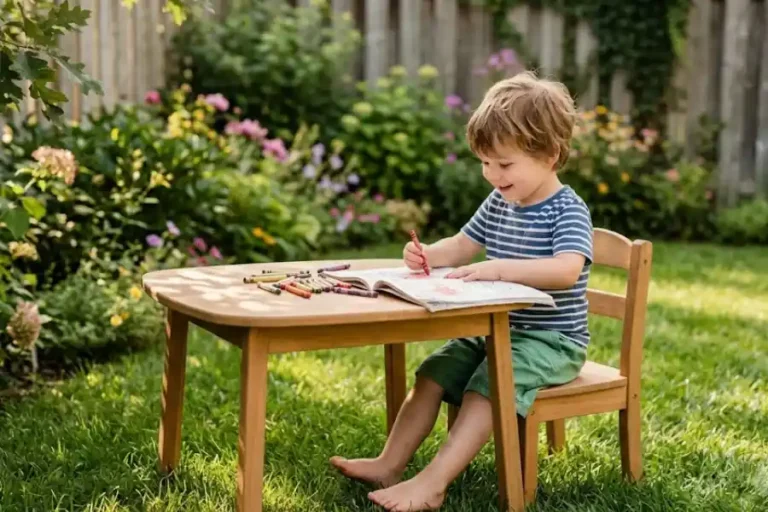
- It keeps pets and kids out of flower beds and vegetable patches, defining a safe boundary away from their personal Children’s Garden Chair and Table play area.
- It stops rabbits, groundhogs, and other small animals from raiding your plants.
- It marks a clear line between your lawn and your garden, so mowing is easier.
- It gives climbing plants like beans or clematis something to grow on.
- It adds style and a clear layout, turning a plain yard into something that looks planned.
Once you know what you actually need the fence to do, choosing a style gets a lot easier.
Types of Garden Border Fences (And Which One Fits Your Yard)
Wood Picket Fencing
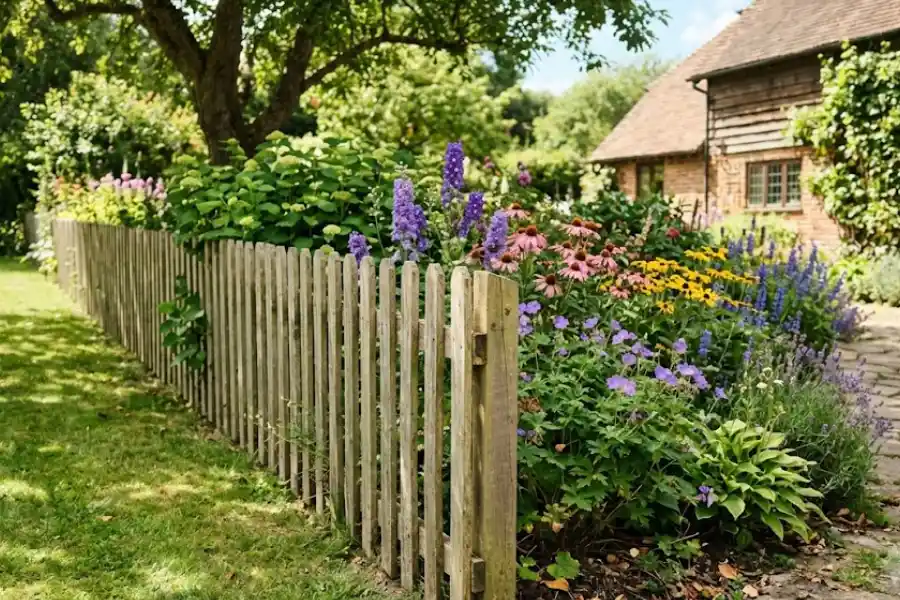
This is the classic choice. A short white picket fence around a flower bed has a cottage-garden charm that never really goes out of style. Wood is easy to cut, paint, and shape, so it fits almost any garden design. The downside is upkeep. Wood needs to be stained or painted every couple of years, or it will start to rot, especially in wet climates.
Metal and Wrought Iron Fencing
Metal border fences, especially the small decorative ones with scrolls or arches, add an elegant touch without blocking the view of your plants or a stunning Garden Art Sculpture. They are strong, they do not attract insects, and they push into soil easily for quick installation. Some metal fencing rusts over time unless it has a powder coating, so check that before you buy.
Vinyl Fencing
If your top priority is doing almost nothing to maintain it, vinyl is hard to beat. It resists moisture, does not rot or peel, and rarely needs more than a rinse with a hose to stay clean. It costs a bit more upfront, but you save on repainting and repairs down the road.
Composite Fencing
Composite fencing is made from a mix of wood fibers and recycled plastic. It looks like real wood but resists rot, warping, and pests far better. It costs more than plain wood but less over the long run because you are not repainting it every other summer. Many composite options are also made from recycled materials, which is a nice bonus if sustainability matters to you.
Bamboo Fencing
Bamboo brings a natural, earthy look that pairs beautifully with Asian-inspired or tropical garden styles. It is lightweight, grows fast, and is considered an eco-friendly choice. It is not the strongest material for keeping determined animals out, so it works best as a style border rather than a security barrier.
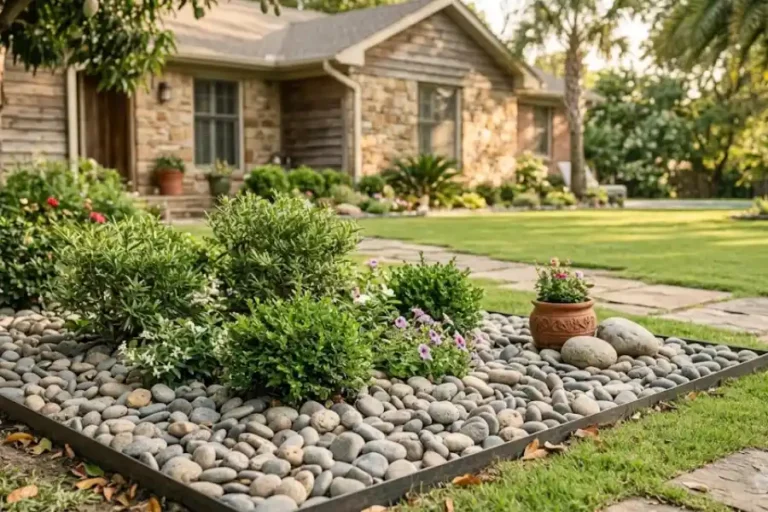
Stone, Brick, and Cobblestone Borders
These are not fences in the traditional sense, but they do the same job. A low brick wall or a curved line of cobblestones gives a garden a permanent, polished look. They hold soil in place well on sloped yards and never need painting, staining, or replacing. The tradeoff is labor. Stone and brick borders take more time and effort to install than a fence panel you simply push into the ground.
Living Borders (Plants as a Fence)
A living border uses plants instead of materials. Think low boxwood shrubs, a neat row of lavender, or ornamental grasses. A living border made of plants creates a soft, organic look that blends into the rest of the garden. It takes longer to fill in and needs regular trimming, but nothing beats it for a natural, seamless boundary.
How to Choose the Right Border Fence for Your Garden
With so many options, it helps to ask yourself four simple questions before you buy anything.
- What is the main goal? If you need to keep out rabbits or pets, go for a solid fence with small gaps, like wire mesh or tightly spaced pickets. If you just want a visual line, a low decorative border works fine.
- What is your climate like? Wood struggles in wet or humid regions. Metal without a protective coating can rust in coastal areas. Vinyl and composite handle almost any weather without complaint.
- How much time do you want to spend on upkeep? Be honest here. If you know you will forget to repaint a wood fence every two years, spend a little more upfront on vinyl or composite instead.
- Does it match your house? A fence should feel like it belongs. A modern home usually looks better with clean metal or composite lines. An older or cottage-style home usually suits wood picket or a living border more naturally.
Garden Border Fence Costs: What to Really Expect
Prices vary a lot depending on material and length, but here is a general idea to help you budget:
- Plastic or mesh roll fencing: The cheapest option, often used for temporary or small garden borders.
- Wood picket edging: Mid-range pricing, with the wood itself being affordable but paint and stain adding to the long-term cost.
- Metal decorative border panels: Mid to higher range, but they last a long time with little care.
- Vinyl and composite fencing: The highest upfront cost, but the lowest cost over ten years since there is almost no maintenance.
- Stone or brick borders: Cost depends heavily on labor, since these usually take longer to install by hand.
A tip that saves people a lot of money: measure your garden perimeter carefully before you shop. Forgetting curves or corners is one of the most common reasons people end up buying too much or too little material and having to make a second trip.
Installing a Garden Border Fence: A Simple Step-by-Step
You do not need to be a professional to install most garden border fences. Here is a straightforward process that works for the majority of DIY-friendly options.
- Measure the full length of the area you want to border, including any curves, and sketch it out on paper.
- Mark the fence line with string or spray paint so you have a clear guide before digging or pushing stakes in.
- Clear the ground of rocks, roots, and weeds along that line so the fence sits evenly.
- Install the fence panels or posts, working in one direction so the sections line up straight.
- Check that everything is level and secure, then fill in any gaps at corners or where the fence meets a path.
Most snap-together or push-in border fences can be installed in an afternoon. Stone, brick, or larger wood fences usually take a full weekend or longer, especially if you are working alone.
Mistakes to Avoid With Garden Border Fences
These are the mistakes that come up again and again, and they are easy to avoid once you know about them.
- Buying a fence that is too short. If rabbits or small dogs are the problem, anything under 12 inches will not stop them. Go taller than you think you need.
- Ignoring your local rules. Some neighborhoods and HOAs have specific rules about fence height, material, or placement near sidewalks. A quick check before you buy saves a headache later.
- Skipping the corner pieces. Many border fence kits sell corner and connector pieces separately. Forgetting these leaves gaps that defeat the purpose of the fence.
- Choosing style over function first. A gorgeous fence that does not actually keep pets or animals out will leave you frustrated within a month. Decide on function, then pick the style that fits.
- Not planning for growth. If you are bordering a garden bed, remember that plants spread. Leave a little breathing room so the border does not end up buried under greenery in a year.
Maintenance by Material: What to Expect Each Year
- Wood: Restain or repaint every 1 to 3 years. Check yearly for soft or rotting spots, especially near the base.
- Metal: Wipe down and check for rust spots once a year, especially after winter.
- Vinyl: Rinse with a hose as needed. No painting or sealing required.
- Composite: Occasional cleaning with soap and water. No staining needed.
- Bamboo: Check for splitting or fading each season and replace worn sections as needed.
- Stone or brick: Very low maintenance, though joints may need occasional repointing after many years.
- Living border: Regular trimming, watering, and occasional replanting of any dead sections.
Creative Ways to Style Your Garden Border Fence
Once your fence is up, you can turn it from purely functional into a real feature of your yard.
- Hang small solar lights along the top for a soft glow at night.
- Weave ribbon, twine, or fairy lights through wire or picket fencing for texture.
- Let climbing plants like clematis or sweet peas grow up a wire border for extra color.
- Paint a plain wood fence in a color that pulls from your flowers, rather than sticking with plain white.
- Mix materials, such as a low stone base with a wood picket top, for a border with more visual interest.
Frequently Asked Questions
How tall should a garden border fence be?
For keeping out small pets and animals like rabbits, aim for at least 12 to 18 inches. If you are trying to keep out dogs or deer, you will need something much taller, often 3 feet or more.
What is the cheapest garden border fence option?
Plastic or mesh roll fencing is usually the most affordable choice, and it works well for temporary setups or small beds you plan to change often.
Do I need a permit to install a garden border fence?
Most small decorative garden borders do not require a permit, but taller fences or ones near a property line sometimes do. It is worth a quick call to your local building office if you are unsure.
What is the most low-maintenance option?
Vinyl and composite fencing require the least amount of care over time, since neither one needs painting, staining, or sealing.
Can I install a garden border fence myself?
Yes. Most panel, mesh, and picket-style border fences are designed for easy DIY installation, often with push-in stakes that need no tools at all.
A garden border fence is a small project with a big payoff. Pick the material that fits your climate and your patience for upkeep, measure carefully before you buy, and think about function before style. Get those three things right, and your garden will look framed, finished, and cared for, the way you pictured it from the start.