15 Best Tea Garden Plants to Grow at Home (Beginner-Friendly)
Picture this. You walk into your backyard, snip a few leaves, and ten minutes later you’re holding a warm cup of tea you grew with your own hands. That is what a tea garden gives you. The best part? You do not need a green thumb, a big yard, or years of gardening skill. You just need the right tea garden plants and a little know-how, which is what this article gives you.
What Is a Tea Garden?
A tea garden is a small patch of plants grown for one job: making tea. Unlike a flower bed that exists just to look pretty, every plant in a tea garden has a purpose. You grow it, dry it, steep it, and drink it. Some tea garden plants are herbs like mint and chamomile. Others are flowers, like hibiscus and calendula. A few, like ginger, grow underground. What ties them together is simple. Each one turns into a cup of tea you can be proud of.
What Makes a Plant Good for a Tea Garden?
Not every plant belongs in a tea garden. Before you buy seeds or seedlings, look for these four things.
- It is safe to eat and drink in normal amounts.
- It grows well in your climate without constant babysitting.
- It tastes good, whether used fresh or dried.
- It keeps producing leaves or flowers so you can harvest more than once.
Keep this checklist in mind as you plan. It will save you from wasting time and money on plants that look nice but do not make good tea.
15 Best Tea Garden Plants to Grow at Home
Here are fifteen tried-and-true tea garden plants. Each one is beginner-friendly, easy to find, and worth the space in your garden.
1. Peppermint
Peppermint is the classic starter herb for any tea garden. It grows fast, tastes cool and fresh, and helps calm an upset stomach. Plant it in a pot, though, because mint spreads fast and can take over a garden bed in one season.
2. Chamomile
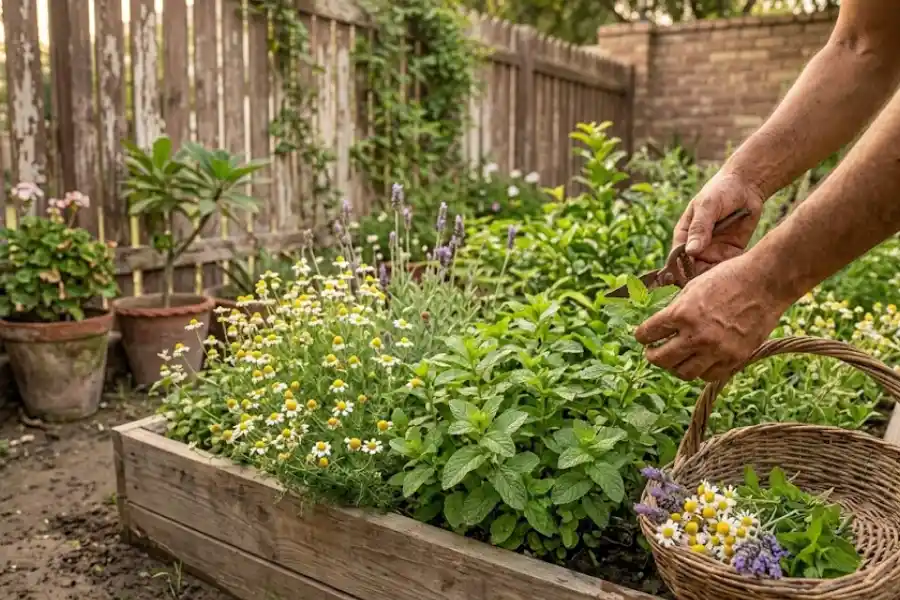
Chamomile grows small, daisy-like flowers that make a soft, sweet tea. Many people drink it before bed because it helps them relax. It likes full sun and does not need rich soil to thrive.
3. Lemon Balm
Lemon balm has a bright, citrusy smell and a calming effect similar to chamomile. It grows easily in most soil types and comes back year after year in many parts of the country.
4. Lavender
Lavender adds a floral, slightly sweet flavor to tea, and just a little goes a long way. It loves hot, dry, sunny spots with sandy soil, so avoid overwatering it.
5. Lemongrass
Lemongrass brings a sharp, lemony punch to any tea blend. It grows tall and thick, so give it room. Handle the stalks carefully, as the leaf edges can be surprisingly sharp.
6. Hibiscus
Hibiscus flowers make a rich red tea with a tangy, almost cranberry-like taste. It is often served iced and is a favorite for hot summer days.
7. Anise Hyssop
This plant has a mild licorice flavor that pairs beautifully with mint or lemon balm. It attracts bees and butterflies too, so it does double duty in your garden.
8. Stevia
Stevia leaves are naturally sweet, which makes this plant a smart choice if you want to cut sugar out of your tea. A few fresh leaves steeped alongside other herbs sweeten the whole cup.
9. Calendula
Calendula petals add a light, slightly peppery flavor and a golden color to tea. It blooms for months, which means a steady supply of flowers to harvest.
10. Lemon Verbena
Lemon verbena has one of the strongest lemon scents of any herb. A single leaf can flavor an entire cup, so it stretches further than most other tea garden plants.
11. Rose
Rose petals and rose hips (the fruit left after the petals fall) both make lovely tea. Rose hips are especially rich in vitamin C, so they add real nutritional value to your cup.
12. Holy Basil (Tulsi)
Holy basil has a warm, peppery taste and is prized in many cultures for its calming properties. It grows best in full sun and warm weather, so gardeners in cooler climates often grow it in pots that can be brought indoors.
13. Bee Balm (Monarda)
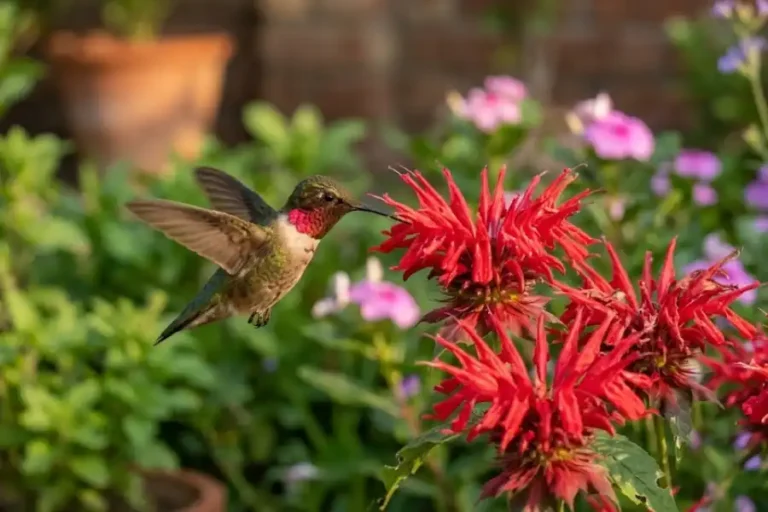
Bee balm, sometimes called Oswego tea, has a flavor similar to earl grey tea. Its bright red or purple flowers also draw hummingbirds, making it one of the best hummingbird garden plants you can add to a tea bed.
14. Echinacea
Echinacea flowers and roots are often used in tea during cold season. The plant is tough, drought-tolerant, and comes back reliably every year.
15. Ginger
Ginger is grown from a root, not a seed, and does best in a large container with rich, moist soil. Fresh ginger tea has a warm, spicy kick that many people love in cold weather.
How to Plan and Design Your Tea Garden
Good planning saves you from a messy, overcrowded garden later. Keep these tips in mind before you dig.
- Place taller plants like lemongrass and bee balm toward the back or north side so they do not block sunlight from smaller plants.
- Group plants with similar needs together. For example, lavender and chamomile both like dry, sunny spots, while lemon balm tolerates a bit of shade, so it pairs well with other garden plants for shade in a cooler corner of the yard.
- Keep spreading plants like mint in their own herb garden pots so they cannot crowd out their neighbors.
- Leave walking space between rows so you can reach every plant for watering and harvesting.
Soil, Sun, and Water: Getting the Basics Right
Most tea garden plants want at least six hours of sunlight a day. Soil should drain well, since soggy roots lead to rot. Herbs from dry climates, like lavender and rosemary, prefer sandy soil, while thirstier plants like lemon balm and ginger like richer, more moist soil. Water thoroughly but less often, rather than a little bit every day. This trains roots to grow strong and reach further into the soil.
No Yard? Try a Container Tea Garden
You do not need a backyard to grow tea garden plants. If you’ve ever tried growing an herb garden on a balcony, you already know a sunny patio or windowsill can work just as well as a backyard bed. Use pots with good drainage, a quality potting mix, and compact plants like mint, chamomile, stevia, or lemon verbena. Container gardens also make it easy to move plants indoors when cold weather hits, which is perfect for tender herbs like holy basil and lemongrass.
How to Harvest, Dry, and Store Your Tea Leaves
- Harvest in the morning. This is when the natural oils that give herbs their flavor are strongest.
- Choose a drying method. Air dry by tying small bundles and hanging them upside down in a shaded, airy spot. Oven dry on low heat, around 150°F, with the door slightly open. Or use a food dehydrator for the fastest results.
- Check for full dryness. Leaves should crumble easily between your fingers. Any bendiness means moisture is still trapped inside.
- Store in an airtight jar. Keep it in a cool, dark cupboard. Properly dried tea stays flavorful for six to twelve months.
Safety Tips Before You Brew a Cup
Homegrown tea is generally safe, but a little caution goes a long way.
- Always double check plant identification before drinking anything from your garden. If you are unsure what a plant is, do not brew it.
- Some herbs, including hibiscus and certain strong herbal blends, are not recommended during pregnancy. Talk to a doctor first if you are pregnant or nursing.
- Certain herbs can interact with medications, especially blood thinners and blood pressure drugs. Check with a pharmacist or doctor if you take regular medication.
- Try a small amount of any new tea first to make sure you do not have an allergic reaction.
- Never use plants that have been treated with pesticides or chemical fertilizers not labeled safe for edible plants.
Common Mistakes First-Time Tea Gardeners Make
- Planting mint directly in the ground. It spreads aggressively and can choke out nearby plants within a season.
- Harvesting too late. Leaves and flowers picked past their peak often taste bitter or weak.
- Storing tea before it is fully dry. Leftover moisture leads to mold inside your storage jar.
- Ignoring sunlight needs. Planting sun-loving herbs like lavender in shady spots leads to weak, leggy growth.
- Using chemical sprays. Any product not labeled safe for edible plants can make your tea unsafe to drink.
Frequently Asked Questions
What is the easiest tea garden plant to grow?
Peppermint and chamomile are two of the easiest tea garden plants for beginners. Both are forgiving, grow quickly, and do not need special soil or constant attention.
Can I grow a tea garden indoors?
Yes. Many tea garden plants, including mint, lemon balm, and stevia, grow well in pots on a sunny windowsill. Just make sure the spot gets several hours of direct light each day.
How long does it take to grow tea plants?
Many herbs, like mint and lemon balm, are ready for a first light harvest within six to eight weeks of planting. Flowering plants like chamomile and calendula usually take a bit longer, closer to two to three months.
Is it safe to drink tea made from any garden plant?
No. Only drink tea from plants you have correctly identified as safe for consumption. Some garden and landscape plants are toxic, so never guess. When in doubt, stick to well-known tea garden plants like the ones listed here.
What is the difference between herbal tea plants and real tea plants?
True tea, including green, black, and oolong tea, all comes from one specific plant called Camellia sinensis. Everything else, like mint, chamomile, and hibiscus, is not true tea in the strict sense; most people just call it herbal tea. Both are commonly grown in home tea gardens, and both make a satisfying cup.
Growing your own tea garden plants is easier than most people expect, and the payoff is worth it. Start small, pick two or three plants from this list, and build from there. Within a few months, you will be sipping tea that started as a seed in your own backyard, and that is a pretty satisfying cup of tea.