
12 Garden Pots: Best Types, Uses, and How to Choose
You bring home a pretty pot and a healthy plant. Two weeks later, the leaves turn yellow and the soil smells sour. Sound familiar?
The plant was not the problem. The pot was. The wrong pot can hold too much water, bake the roots in the sun, or leave your plant too cramped to grow.
This post covers 12 garden pots, from cheap plastic to classic clay. For each one, you will see what it does best, where it falls short, and which plants love it. You will also get a simple plan for filling a small space with a mix of pots.
Quick answer: Pick terracotta for herbs and succulents. Pick large plastic or fabric pots for tomatoes and other thirsty vegetables. Pick fiberglass or plastic for anything you need to move. And always choose a pot with drainage holes.
Before You Buy: 4 Things That Matter More Than Looks
A pretty pot is fun. But these four things decide whether your plant lives or dies.
- Drainage. Extra water must be able to leave the pot. Without holes, roots sit in water and rot. If you love a pot with no holes, use it as a decorative outer pot and keep the plant in a plastic pot with holes inside it.
- Size. A small pot dries out fast and cramps the roots. A pot that is far too big holds extra wet soil. When you repot, go up only 1 to 2 inches in width.
- Weight. Heavy pots stay steady in wind but are hard to move. Light pots are easy to carry but can tip over. Think about where the pot will live.
- Climate. Clay and ceramic can crack when water freezes inside them. Dark metal pots can get very hot in strong sun. Match the pot to your weather.
The 12 Garden Pots, Explained
Here they are, one by one. Each pot has its own strengths, so there is no single winner.
1. Terracotta Pots (Best for Herbs and Succulents)
Terracotta is baked, unglazed clay. It is the classic orange-brown pot. The clay is porous, so air and water move through the walls. That helps the soil dry out between waterings, which many plants like.
Over time, terracotta also picks up a mineral coating that many gardeners love. Glazed pots do not get this look, as this article from Mosser Lee explains.
- Best for: succulents, cacti, rosemary, thyme, lavender, and other plants that hate wet feet.
- Watch out for: cracks in freezing weather. You will also water more often, because the clay dries fast.
- Tip: Soak a new terracotta pot in water before planting. A dry pot can pull water out of the soil.
2. Plastic Pots (Best for Budget and Thirsty Plants)
Plastic is one of the most common pots around, and for good reason. It is cheap and light. It comes in every size and color. It also holds water well and stays fairly cool, so plants dry out more slowly than in clay.
- Best for: tomatoes, peppers, annual flowers, and big collections on a budget.
- Watch out for: thin plastic that fades and cracks after a few summers. Light pots can also blow over in wind.
- Tip: Choose thick, sun-resistant plastic. Light colors stay cooler than black.
3. Glazed Ceramic Pots (Best for Looks)
Ceramic pots are fired clay with a shiny coating. They come in bold colors and fun shapes. The glaze keeps water inside, so they dry out slower than terracotta.
- Best for: patio showpieces and flowering plants.
- Watch out for: heavy weight, higher cost, and chips or cracks in the cold. Many ceramic pots have no drainage hole.
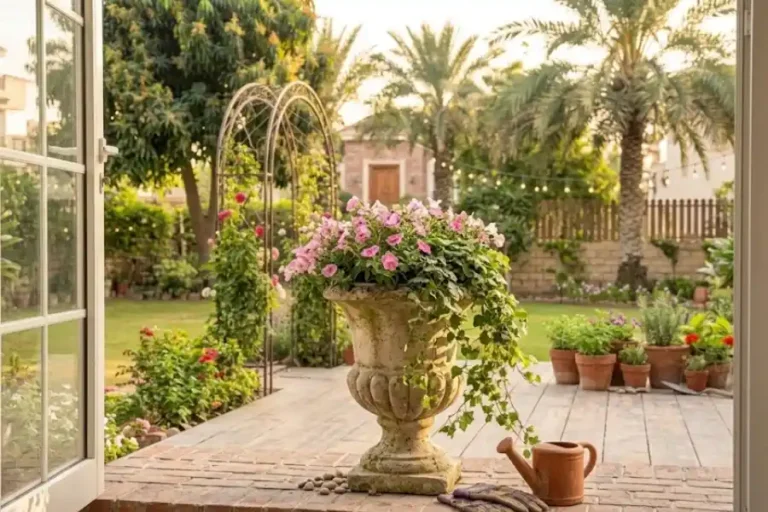
- Tip: Flip the pot over before you buy. No hole? Use it as a decorative outer pot.
4. Concrete Planters (Best for Big, Long-Term Plants)
Concrete planters are very heavy and very strong. Their thick walls protect roots from heat and cold. Once you place one, it stays put.
- Best for: shrubs, small trees, and tall grasses.
- Watch out for: the weight. A filled concrete planter is nearly impossible to move. New concrete can also release lime, which may raise the soil pH a little.
- Tip: Rinse a new concrete pot well before planting. This matters most for acid-loving plants like blueberries.
5. Fiberglass Pots (Best for a Strong but Light Pot)
Fiberglass pots are tough and light. Makers shape them to look like stone, metal, or clay. They handle frost and sun better than real clay, and they last for years.
- Best for: balconies, rooftops, and big plants you may need to move.
- Watch out for: the price. They cost more than plastic.
- Tip: Fiberglass is a smart pick if you want the look of stone without the weight.
6. Galvanized Metal Pots (Best for a Farmhouse Look)
Galvanized pots have a rustic, farm-style charm. Old buckets and tubs also fit this group. They are tough and will not break if you drop them.
- Best for: herbs, flowers, and cool-season greens like lettuce.
- Watch out for: heat. Metal gets hot in full summer sun and can cook the roots. Most also need holes drilled in the bottom.
- Tip: Place metal pots in part shade, or set a plastic pot inside them.
7. Wooden Planters and Half Barrels (Best for a Natural Look)
Wood looks great in a garden. It also helps keep the soil at a steady temperature. Half barrels hold plenty of soil, which makes barrel garden pots a good fit for tomatoes, peppers, and mixed flower displays.
- Best for: vegetables, mixed flowers, and herb gardens.
- Watch out for: rot. Wood breaks down over time. Cedar and redwood last longer than cheap pine.
- Tip: Line the inside with plastic that has holes poked in it. If you grow food, skip old railroad ties and wood treated with harsh chemicals.
8. Fabric Grow Bags (Best for Tomatoes and Potatoes)
Grow bags are made from thick, felt-like fabric. Air passes through the sides. This keeps roots healthy and makes overwatering very hard to do. They fold flat for storage, too.
- Best for: tomatoes, potatoes, peppers, and carrots.
- Watch out for: fast drying. In hot weather, you may need to water every day.
- Tip: Set the bag on a tray or a flat stand to protect your deck or patio from stains.
9. Self-Watering Pots (Best for Busy People)
These pots have a water tank at the bottom. The soil pulls up water when the plant needs it. That means fewer dry spells and fewer droopy plants.
- Best for: basil, lettuce, tomatoes, and anyone who travels often.
- Watch out for: cost, and open tanks. Standing water can attract mosquitoes. They are also a poor fit for succulents.
- Tip: Keep the water tank covered, and still check it every few days.
10. Hanging Baskets (Best for Small Spaces)
Hanging baskets save floor space and show off trailing plants. They bring color up to eye level.
- Best for: petunias, strawberries, trailing herbs, and small tumbling tomatoes.
- Watch out for: fast drying. Air hits them from every side. A wet basket is also heavy, so use a strong hook.
- Tip: In hot weather, check the soil every day. Push a finger in to feel for moisture.
11. Vertical Wall Planters (Best for Balconies and Tiny Gardens)
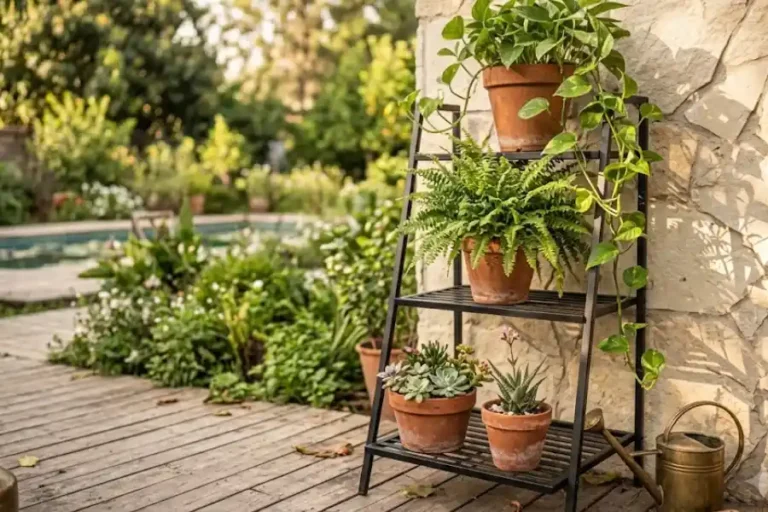
Vertical planters include stacking towers, pocket bags, and wall-mounted pots. They let you grow many plants in a very small footprint.
- Best for: herbs, lettuce, strawberries, and small succulents.
- Watch out for: tiny pockets that dry out quickly. Water also flows down, so the top often gets too little and the bottom too much.
- Tip: Put thirsty plants at the bottom and plants that like dry soil near the top.
12. Starter Pots for Seedlings (Best for Growing From Seed)
Starter pots are small pots, usually 2 to 4 inches wide. They are made from plastic, peat, or coir (coconut fiber). Peat and coir pots can go right into the ground or a bigger pot, so you do not disturb the roots. Packs of 12 are easy to find at garden centers and online.
- Best for: starting tomatoes, peppers, and flowers indoors, plus rooting small cuttings.
- Watch out for: quick drying. Tiny pots hold very little water.
- Tip: Move the plant up to a bigger pot when you see roots poking out of the drainage holes.
How to Match Garden Pots to Your Plants
The University of California Agriculture and Natural Resources team notes that each pot type has trade-offs. A feature that is a problem in one setting can be a plus in another. A very heavy pot is hard to move, but it can be perfect for a shrub or small tree. You can read their container advice here.
Use this list as a fast starting point. These sizes are common rules of thumb, so always read your plant tag too.
- Herbs like basil and parsley: A 6 to 8 inch pot works for one plant, which is why most herb garden pots outdoors come in about this size. Give mint its own pot, because it spreads fast.
- Lettuce and salad greens: A wide pot about 6 inches tall is enough.
- Tomatoes: Use at least the size of a 5-gallon bucket. Bigger is better.
- Peppers: A pot of 3 to 5 gallons gives them room to grow.
- Succulents and cacti: Choose small terracotta pots and a gritty, fast-draining soil mix.
- Flowers: A pot 10 to 14 inches wide fits a mix of annuals well.
- Shrubs and small trees: Choose a heavy planter of 15 to 20 gallons or more, made of concrete, wood, or fiberglass.
7 Common Garden Pot Mistakes (And Easy Fixes)
- Using pots with no drainage holes. Drill holes in the bottom, or use the pot as a decorative outer pot.
- Adding gravel to the bottom. This old tip is a myth. A gravel layer does not improve drainage and can keep the soil wetter near the roots. Fill the pot with good potting mix instead.
- Using soil from the yard. Garden soil gets hard and heavy in a pot. Use potting mix.
- Picking a pot that is too big. Extra soil stays wet for too long. Go up one size at a time.
- Putting dark pots in hot sun. Dark colors soak up heat. Choose light colors or move the pot to part shade.
- Forgetting about winter. If you live where it freezes, empty clay and ceramic pots or bring them inside. Lift pots off the ground with small feet so water can escape.
- Skipping the cleaning. Old pots can carry plant diseases. Scrub them, soak them in a mix of 1 part bleach to 9 parts water for about 10 minutes, then rinse well.
A Simple Plan for Filling a Small Space With 12 Garden Pots
Not sure where to start? Here is an easy mix of 12 garden pots for a balcony or small patio. It gives you fresh herbs, a few vegetables, and some color.
- 4 terracotta pots (6 to 8 inches): thyme, rosemary, oregano, and sage.
- 2 self-watering pots: basil and parsley.
- 3 large plastic or fabric pots (5 gallons each): two tomato plants and one pepper plant.
- 2 hanging baskets: strawberries and a trailing flower like petunia.
- 1 wide, shallow pot: lettuce and salad greens.
Start with this plan, then change it to fit your sun, space, and taste. This mix also works well as a small balcony garden for beginners, because the hanging baskets save floor space.
Frequently Asked Questions
What is the best material for garden pots?
There is no single best material. Plastic is the best all-around choice for cost and weight. Terracotta suits plants that like drier soil. Ceramic wins on looks. Pick the material that fits your plant, your weather, and your budget.
Do garden pots need drainage holes?
Yes, almost always. Holes let extra water escape so roots do not rot. If a pot has no holes, drill some or use it as a decorative outer pot.
Are terracotta pots good for outdoor use?
Yes, in mild weather. In places with freezing winters, water inside the clay can freeze and crack the pot. Empty these pots or bring them inside for the cold months.
What size garden pot do I need for vegetables?
It depends on the vegetable. Leafy greens do well in wide pots about 6 inches tall. Tomatoes and peppers need much more room, from 3 to 5 gallons or more.
Are plastic pots safe for growing food?
Most modern plastic pots are fine. Choose pots labeled food safe, or made from plastics like HDPE or polypropylene (look for recycling number 2 or 5). Avoid old plastic containers when you do not know what they held.
How many garden pots do I need to start?
For a small space, 6 to 12 pots is plenty. Start small, learn what your plants like, and add more as you go.
Final Thoughts on Choosing From These 12 Garden Pots
The best pot is the one that fits your plant, your space, and your weather. Terracotta and plastic cover most needs, so they are a safe place to begin. From there, you can add fabric bags, self-watering pots, or hanging baskets as your garden grows. Once you have the basics down, try some new container garden ideas to mix heights, colors, and plant types.
Now that you know the 12 garden pots and their strengths, you can shop with confidence. Check for drainage, pick the right size, and match the pot to the plant. Do that, and your plants will thank you with strong roots and healthy leaves. So, which pot will you try first?