How to Choose the Best Garden Lantern for Your Yard
Walk into any garden at dusk and you can tell right away if someone put thought into the lighting. A few warm, flickering lanterns scattered along a path or glowing on a table can turn an ordinary backyard into somewhere people actually want to sit and stay a while. But here’s the catch: not every garden lantern is built for that job. Some look great in photos and fail after one rainy week. Others are bright enough to light a runway but ruin the cozy mood you were going for.
This article breaks down everything you need to know before buying a garden lantern, without the fluff. We’ll cover the types, where to put them, the mistakes most people make, and how to keep them working for years instead of months.
What Is a Garden Lantern
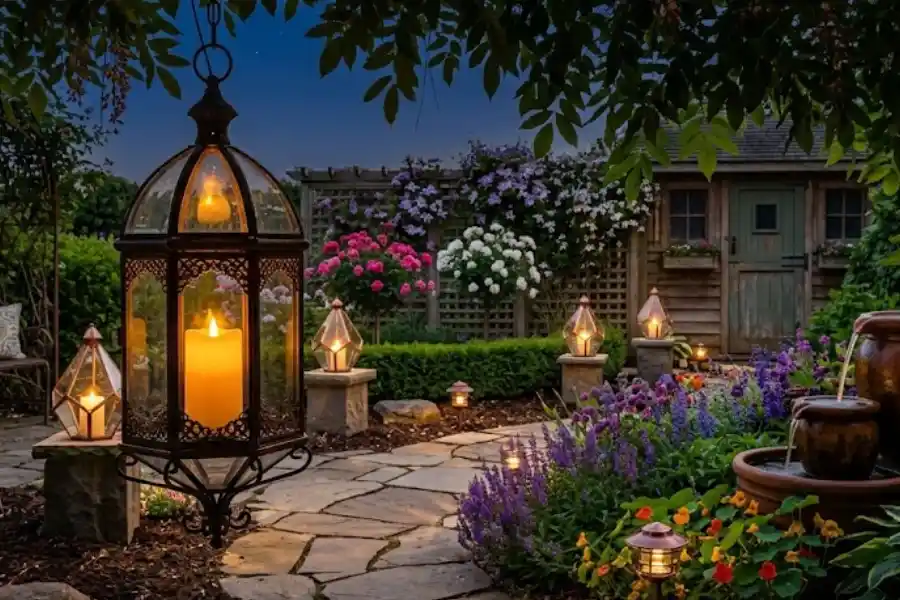
A garden lantern is any enclosed light source made to sit, hang, or stake outdoors. That’s a broad definition on purpose, because lanterns come in a huge range of styles: metal cages with candles inside, solar-powered glass globes, battery LED lights shaped like old-fashioned oil lamps, and even real oil-burning torches. What ties them together is the enclosed design. Unlike a bare bulb or string light, a lantern shields the flame or bulb, which makes it safer outdoors and gives it that classic warm, contained glow.
The Main Types of Garden Lanterns (And Who Each One Is Best For)
Solar Lanterns
These charge during the day using a small solar panel and turn on automatically at night. They’re the most popular choice right now, and for good reason: no wiring, no batteries to replace, and almost zero running cost. The tradeoff is brightness. Solar lanterns can struggle on cloudy days or in shady spots, so they work best in areas that get direct sun for at least four to six hours.
Battery-Powered LED Lanterns
These give you more control since you decide when they turn on and off, and they don’t depend on sunlight. They’re a smart pick for shaded gardens or covered patios where solar panels can’t do their job. The downside is you’ll need to swap batteries every so often, which some people forget until the lantern goes dark mid-party.
Candle Lanterns
Nothing beats a real flame for atmosphere. Candle lanterns, usually made from metal and glass, are ideal for dinner tables and still evenings. Just know they need more attention: you can’t leave them unattended near dry leaves or in windy conditions, and glass panels can crack if knocked around.
Electric Lanterns
Wired into an outdoor outlet, these give constant, reliable light without worrying about charge levels or batteries. They’re a great fit for permanent fixtures near a back door or covered porch, but installation usually means running an outdoor-rated cable, which isn’t a quick weekend fix for everyone.
Oil Lanterns and Torches
Often overlooked, oil lanterns burn longer and brighter than most candles, and citronella oil doubles as a mosquito deterrent. They suit rustic or farmhouse-style gardens especially well, though they do need refilling and careful storage.
A good rule of thumb: match the lantern type to your garden’s biggest limitation first, whether that’s shade, wind, wiring access, or how often you’re willing to do upkeep. Style should come second.
How to Choose the Right One
Most buying guides stop at “pick your favorite style.” That’s not enough. What matters most is what happens once you’re comparing real options.
- Brightness (lumens), not just size. A big lantern isn’t automatically a bright one. Check the lumen rating if it’s listed. For pathways, 20 to 50 lumens per lantern is usually enough. For a dining table centerpiece, even less works, since you want ambiance, not a spotlight.
- Weather rating. Look for an IP rating (like IP44 or IP65) if the lantern will stay outside year-round. A higher second number means better protection against rain and moisture.
- Material durability. Powder-coated metal and tempered glass hold up far longer than plain plastic or thin glass, especially through freeze-thaw cycles in colder climates.
- Light color temperature. Warm white (around 2700K to 3000K) gives that cozy, candle-like feel. Cool white or bright blue-toned LEDs tend to feel harsh and clinical outdoors, even if that’s not the mood you’re after.
- Runtime. For solar lanterns, check how many hours of light you get from a full charge. Six to eight hours is a solid benchmark for most evenings.
Where to Place Lanterns for the Best Effect
Placement changes everything, and it’s one of the most skipped topics in most articles on this subject.
Pathways and Walkways
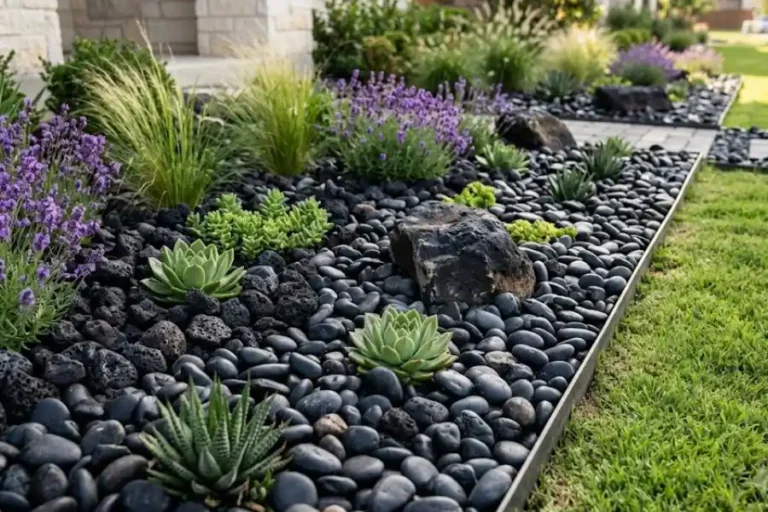
Stake lanterns every four to six feet along a path. Any closer and it looks like a runway; any farther apart and guests might trip in the gaps between light pools, especially if your walkway is bordered by dark landscaping elements like textured Black Garden Rocks.
Dining and Seating Areas
Keep these lower and softer. Table lanterns or low-hanging ones create intimacy without shining directly into anyone’s eyes while they eat.
Trees and Pergolas
Hanging lanterns at slightly different heights, rather than one perfectly even row, creates a more natural, layered look that feels less like a store display.
Entryways and Doorsteps
A single strong lantern on each side of a door does more for curb appeal than five scattered dim ones. Consistency in style here matters more than anywhere else in the garden.
Mistakes People Make (That Most Guides Never Mention)
- Buying all one brightness level. A garden with only bright lanterns feels like a parking lot at night. Mix bright functional lighting near steps or doors with dimmer, softer lanterns for mood elsewhere.
- Ignoring sun exposure before buying solar. Measure how much direct sunlight your intended spot actually gets before committing to solar lanterns. This single step prevents most of the “my solar lights don’t work” complaints.
- Skipping a trial run. Set up one or two lanterns in the planned spot for a night before buying a full set. It’s the easiest way to catch spacing or brightness problems early.
- Forgetting winter storage. Even weatherproof lanterns often last longer if brought indoors or covered during harsh winter months, especially ones with delicate glass or exposed wiring.
Keeping Your Lanterns Working Longer
A little maintenance goes a long way. Wipe solar panels clean every few weeks since dust and pollen block sunlight absorption. Check battery compartments for corrosion if lanterns sit outside through rain. For candle lanterns, clean the glass regularly so soot buildup doesn’t dim the light over time. And always position lanterns away from dry leaves, mulch, or anything flammable, even the flameless LED kind, since heat buildup can still be a factor in direct sun.
Frequently Asked Questions
Do solar garden lanterns work in winter?
Yes, but less effectively. Shorter days mean less charging time, so expect dimmer light and shorter runtime compared to summer months.
How many lanterns do I need for an average backyard?
For a mid-sized garden, six to ten lanterns spread across pathways, seating areas, and one or two focal points usually gives balanced coverage without overdoing it.
Are garden lanterns safe to leave outside all year?
Most weatherproof models are, as long as they have a proper IP rating. Even then, checking them seasonally for cracks, rust, or water damage will help them last longer.
What’s the difference between a garden lantern and outdoor string lights?
String lights spread light broadly across a wide area, while lanterns create focused pools of light. Many people combine both with standard Solar Garden Lights Outdoor fixtures to achieve a perfectly layered landscape design.
Final Thoughts
The right garden lantern setup isn’t about buying the most expensive option or copying a photo you saw online. It comes down to matching the lantern type to your space, knowing how much upkeep you’re willing to do, and thinking through placement before you buy anything. Get those three things right, and even a modest budget can turn your garden into the kind of place people don’t want to leave once the sun goes down.