Decorative Backyard Windmill: Sizes, Materials & Setup Tips
A backyard can feel plain without something to catch the eye. That is why so many homeowners add a decorative backyard windmill. It spins gently in the wind, adds charm, and gives your yard that cozy farmhouse feel. But here is the truth: most buying guides online only show you products. They do not tell you how to pick the right size, material, or spot for your windmill. This article fixes that.
I have spent time researching real windmill brands, comparing materials, and studying what actually makes these yard pieces last through wind, rain, and sun. Below, you will find everything you need before you buy or build one.
What Is a Decorative Backyard Windmill?
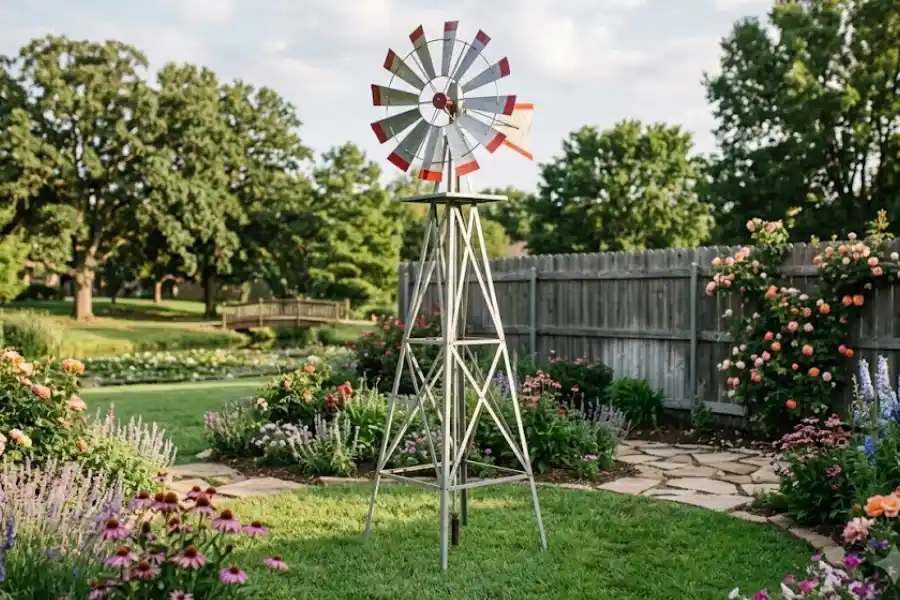
A decorative backyard windmill is an ornamental piece built to look like an old farm windmill. It does not pump water or make power. Its only job is to look beautiful and spin softly in the breeze. You will often see them in gardens, near flower beds, or standing tall near a driveway entrance.
Unlike working windmills, these are made for style. They come in small tabletop versions and huge 15-foot yard pieces that become the star of your landscape.
Why People Add a Windmill to Their Yard
- It adds movement to a yard that feels flat or empty.
- It creates a focal point that draws the eye.
- It gives a rustic, farmhouse look to modern homes.
- It adds to your curb appeal, which can help if you plan to sell your home.
- It pairs well with garden statues, wind spinners, and flower beds, acting as a dynamic backdrop to any stationary garden art sculpture you already have on display.
A quiet, still yard can feel unfinished. A windmill turning slowly in the wind brings life to the space without any extra work from you.
Types of Decorative Windmills (And Which One Fits Your Yard)
1. Metal Windmills
Metal windmills, usually made from steel or iron, are strong and long-lasting. They handle wind and rain well. Many come in classic red-tipped blade designs that look just like old farm windmills.
2. Wood Windmills
Wood windmills bring a warm, natural look. They are often sold as kits, so you can build them yourself. The downside is that wood needs more care. It can crack, rot, or fade if you do not treat it every year or two.
3. Poly Lumber Windmills
This is a newer option that many buyers overlook. Poly lumber is a recycled plastic material built to survive rain, snow, and strong sun without cracking or fading. It costs a bit more upfront, but it needs almost no upkeep. If you want a windmill that looks the same in ten years as it does today, poly is worth a look.
4. Small Wind Spinners
These are not full windmills, but smaller decorative pieces with spinning blades. They work well in small yards, patios, or even tucked into large barrel garden pots where a full-size windmill would not fit.
A good rule to remember: bigger yards can handle taller windmills, but small yards look better with a smaller piece placed near a garden bed, not in the middle of the lawn.
What Size Windmill Should You Choose?
Size is the part most buying guides skip, and it is the part that matters most. Here is a simple way to decide:
- Small yards or patios: Choose a windmill under 4 feet tall.
- Medium yards: A 5 to 8 foot windmill usually looks best.
- Large properties or open fields: Windmills from 11 to 20 feet tall create a strong, eye-catching centerpiece.
A windmill that is too large for a small yard can look out of place. A windmill that is too small in a large, open yard can get lost and lose its charm.
How to Anchor a Decorative Windmill Safely
This is one of the most overlooked steps, and it is the one that prevents your windmill from tipping over in a storm. Most sellers do not explain this part clearly, so here is what actually works:
- Dig a hole at least 18 to 24 inches deep for the base post.
- Use concrete to set the post firmly in the ground. This is the strongest method for tall windmills.
- If you cannot use concrete, a screw-in ground anchor is a solid second choice for smaller windmills.
- Check that the base is level before the concrete sets.
- For taller windmills over 8 feet, it helps to have two people during setup.
Skipping this step is the number one reason decorative windmills fall over during storms or high wind.
Where to Place Your Windmill for the Best Look
Placement changes how much your windmill actually spins and how good it looks from your house or the street. Keep these tips in mind:
- Open areas with steady wind flow make the blades spin more often.
- Avoid placing it too close to trees or fences, which can block the wind.
- Near a flower bed or garden entrance makes a strong visual focal point.
- Since it is purely decorative, direction does not matter as much as it would for a working windmill. Place it wherever it looks best from your favorite view.
How Much Does a Decorative Backyard Windmill Cost?
Prices depend heavily on size and material. Based on current market pricing, here is what to expect:
- Small wind spinners: $20 to $60
- Mid-size decorative windmills (4 to 6 feet): $60 to $125
- Large yard windmills (8 to 11 feet): $200 to $500
- Custom or tall farm-style windmills (15 to 20 feet): $600 and up
Wood kits can be cheaper upfront, but factor in paint, sealant, and future repairs. Poly and metal windmills usually cost more at first but save money over time since they need less maintenance.
Maintenance Tips to Make It Last
- Check the bolts and moving parts twice a year to keep the spin smooth.
- Repaint or reseal wood windmills every one to two years.
- Rinse metal windmills occasionally to prevent rust buildup near the base.
- During major storms, some owners choose to secure or lower smaller windmills to avoid damage.
- Poly windmills need the least care, just an occasional rinse with water.
Common Mistakes to Avoid
- Buying a windmill that is too tall for a small yard, which can make the space feel crowded.
- Skipping a strong anchor base, leading to tipping during storms.
- Choosing wood without a maintenance plan, which leads to fast wear.
- Placing it where trees or walls block the wind, so it barely spins.
Frequently Asked Questions
Do decorative windmills need to face a certain direction?
No. Since they are purely decorative, direction does not affect their purpose. You can place them wherever they look best in your yard.
Can a decorative windmill survive winter weather?
Yes, if it is made from metal or poly lumber. Wood windmills can survive winter too, but they need a protective seal to avoid cracking from ice and moisture.
How tall should my backyard windmill be?
For most home yards, a windmill between 5 and 8 feet tall gives a strong look without overwhelming the space. Larger properties can handle taller pieces.
Is it safe to leave a windmill up during storms?
Small windmills with a solid concrete anchor are usually fine. For larger windmills, many owners choose to check the base before major storms and reinforce it if needed.
What is the best low-maintenance material?
Poly lumber is currently the lowest-maintenance option. It resists cracking, fading, and rot better than wood, and it does not rust like some metal parts can over time.
Final Thoughts
A decorative backyard windmill does more for your yard than sit there and look pretty. It is a piece that brings movement, charm, and personality to your outdoor space. The key is choosing the right size for your yard, picking a material that matches how much upkeep you want to do, and anchoring it properly so it lasts through every season. Get these three things right, and your windmill will stay a beautiful part of your yard for years to come.