Indoor Outdoor Living: Design Ideas, Costs & Common Mistakes
You open the back door, and the yard feels like part of the house. No screen door slamming. No hard line between “inside” and “outside.” Just one big, easy space where you can cook, relax, or watch the kids play, all without missing a beat of conversation.
That’s the whole idea behind indoor outdoor living. It sounds simple, but most posts on this topic just show you pretty photos and stop there. They skip the real questions: What does it cost? What if you live somewhere cold or rainy? What mistakes waste the most money? This article breaks it all down in plain terms, so you can plan a space that truly works for your home and your budget.
What Is Indoor Outdoor Living?
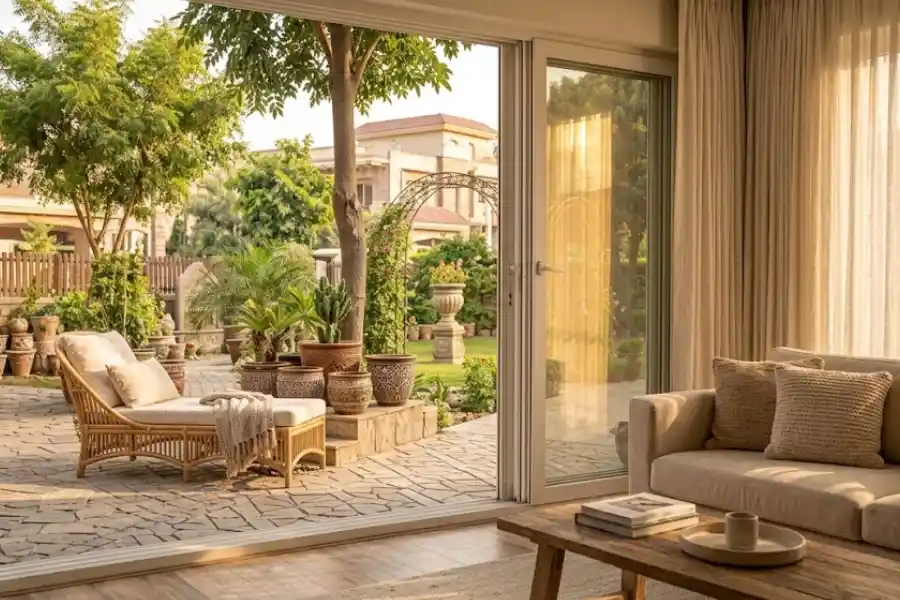
Indoor outdoor living means designing your home so the inside and outside feel like one connected space, not two separate ones. Instead of a small window and a solid wall, you might have a wide sliding glass door. Instead of a random patch of grass out back, you might have a patio that uses the same tile as your kitchen floor.
The goal is not only to look nice in photos. It should be somewhere you use every week, not only a couple of times each summer. When the flow between rooms feels natural, people spend more time outside without even thinking about it.
Why Indoor Outdoor Living Is So Popular Right Now
This trend didn’t come out of nowhere. A few real shifts in how people live are driving it.
- More space without a bigger house. A well-used patio or deck can add the same value as an extra room, often for a fraction of the cost of building one.
- Better everyday life. Fresh air and natural light are linked to better mood and lower stress, and an easy-to-reach outdoor space means you get outside more often.
- Easier entertaining. Guests can spread out between the kitchen and the patio instead of crowding into one room.
- Working from home. A lot of people now want a shaded outdoor spot where they can take a call or eat lunch without leaving their property.
None of this requires a mansion. A small townhouse patio can follow the same ideas as a large backyard. It’s about the connection, not the square footage.
The Key Elements of a Great Indoor Outdoor Living Space
If you look closely at the indoor outdoor living spaces that get used the most, you’ll notice they tend to share the same five features.
Big Openings and Doors
Sliding doors, folding glass doors, or French doors are the heart of indoor outdoor living. They remove the visual wall between rooms. You don’t need a full wall of glass to get this effect. Even swapping a small back door for a wider sliding door can change how a space feels.
Matching Floors and Materials
When your indoor flooring and outdoor patio use similar colors or materials, your eye reads the space as one continuous area. You don’t have to use the exact same tile indoors and out (most tiles aren’t rated for outdoor weather anyway). Matching the tone and texture is usually enough.
A Covered Spot for Rain or Shine
A pergola, awning, or covered porch lets you use your outdoor space even when the weather isn’t perfect. This one feature does more to increase actual use of a space than almost anything else on this list. If you’re building from scratch, a covered patio attached to house design is one of the simplest ways to add that shelter without losing the open, connected feel.
Lighting That Works Day and Night
String lights, wall sconces, or simple path lighting stretch your usable hours into the evening. Without light, most outdoor spaces empty out the moment the sun goes down.
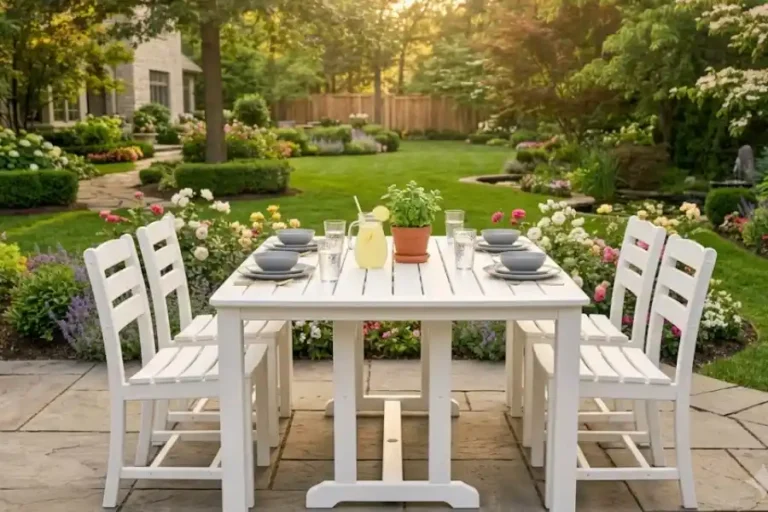
Furniture You Can Use Indoors and Outdoors
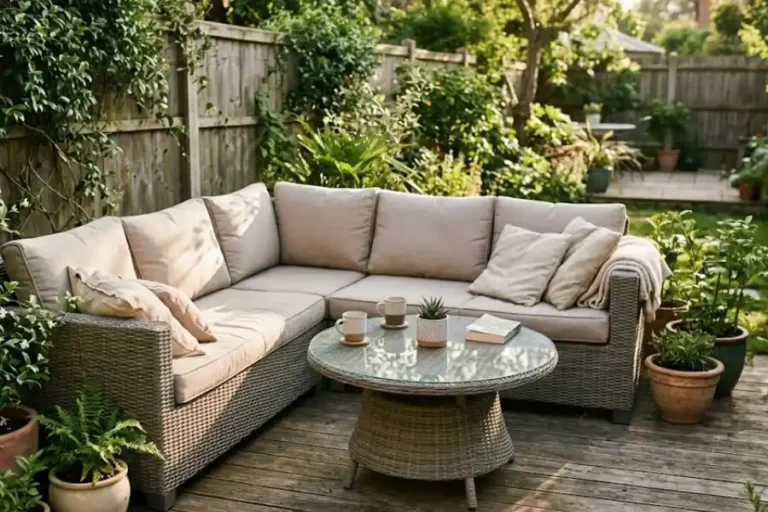
Weather-resistant furniture that still looks good enough to bring inside (or vice versa) helps blur the line between the two spaces even further.
A good rule to remember: if you wouldn’t sit in a space for 20 minutes with a book or a cup of coffee, it isn’t finished yet. Comfort is what turns a pretty photo into a room you’ll really use.
Indoor Outdoor Living Ideas for Every Budget and Space
You don’t need a full renovation to get the benefits of indoor outdoor living. This is what it looks like at different budget levels.
Small Budget or Rental (Under $500)
Focus on things you can add, not build. A large outdoor rug, a few potted plants near the door, string lights, and a couple of folding chairs can change the whole feel of a balcony or small patio in a weekend. If you’re working with a balcony rather than a full yard, simple curtains for a balcony door can soften the line between the two spaces without any construction.
Mid-Range Backyard ($1,000 to $10,000)
This is where most homeowners land. A paver patio, a basic pergola kit, a fire pit, and durable outdoor furniture fit comfortably in this range. Swapping a standard back door for a wider sliding door also often falls here, depending on the size of the opening.
Full Renovation ($15,000 and up)
This tier includes large glass wall systems, outdoor kitchens, covered living rooms with a ceiling fan and heater, and matching indoor-outdoor flooring installed by a contractor. This is the level shown in most glossy design magazines, but it’s genuinely optional for a great indoor outdoor living space.
How Your Climate Changes Your Indoor Outdoor Living Plan
This is the part most articles skip, and it’s one of the most important. What works in Arizona will not work in Minnesota.
Hot and humid climates (like the Southeast) need airflow more than anything. Ceiling fans, misting systems, and shaded areas keep a covered patio usable even in August. Watch for materials that trap moisture, since mold and mildew build up fast in humidity.
Cold and snowy climates (like the Northeast or Midwest) benefit from a covered, wind-blocked area with a heater or fire feature, so you can use the space in spring and fall, not only in summer. Sliding doors need good insulation, or you’ll lose heat from the whole house.
Hot and dry climates (like the Southwest) do well with shade sails, pergolas, and drought-tolerant plants. Avoid dark, non-breathable furniture fabric, since it holds heat and gets too hot to touch by midday.
Rainy climates (like the Pacific Northwest) need a solid roof or awning over any seating area, plus a patio surface that drains well instead of pooling water.
Materials That Hold Up Outdoors
A lot of indoor outdoor living projects lose their charm within two years because the wrong material was used outside. A few notes worth knowing:
- Composite decking costs more upfront than wood but needs far less maintenance and won’t rot or splinter.
- Porcelain outdoor tile resists fading and frost better than natural stone in most climates.
- Powder-coated aluminum furniture holds up better than plain steel, which tends to rust within a season or two near coastal areas.
- Sunbrella or solution-dyed fabrics resist fading in direct sun far longer than standard cotton or polyester cushions.
Spending a little more on the right material almost always costs less over five years than replacing a cheaper one twice.
How Much Does Indoor Outdoor Living Cost?
Costs vary a lot depending on how far you take it. As a rough range:
- Decor-only refresh (rugs, lights, plants, cushions): $200 to $800
- Basic patio with furniture and a pergola kit: $2,000 to $8,000
- Wider sliding door installation: $3,000 to $10,000, depending on size and framing work
- Full outdoor kitchen and covered living area: $15,000 to $50,000 or more
A smart approach is to start with the door and the flooring connection first, since those two things affect how the whole space feels. Furniture and decor can be added gradually after that.
Mistakes That Ruin an Indoor Outdoor Living Space
- Skipping shade. Even a beautiful patio sits empty if it’s unbearable in direct sun by noon.
- Ignoring drainage. Water pooling near a door can damage flooring and even seep indoors over time.
- Buying indoor furniture for outdoor use. It looks fine for a month, then warps or fades.
- Forgetting lighting. A space that looks great at 2 p.m. and disappears at 8 p.m. only gets half the use it should.
- Matching too hard. Trying to use identical materials indoors and outdoors often backfires, since most indoor materials aren’t built for weather. Aim for a similar look, not an identical one.
Does Indoor Outdoor Living Add Home Value?
In most markets, yes, though the return depends on the project. A well-built deck or patio typically recovers a large share of its cost at resale, and homes with strong indoor-outdoor flow (especially in warmer climates) tend to sell faster. That said, over-building for your climate, like installing a large uncovered glass wall in a snowy region, can hurt more than it helps. Match the investment to how buyers in your area really live outdoors.
Frequently Asked Questions
Is indoor outdoor living only for houses with big backyards?
No. Balconies, small patios, and even a well-placed window seat near a sliding door can create the same effect on a smaller scale.
What’s the cheapest way to start?
An outdoor rug, a couple of plants, and string lights near your back door make an immediate difference for under $200.
Do I need to replace my door to get this effect?
Not always. Matching your indoor and outdoor color palette and adding a defined seating area right outside your existing door can create a similar sense of flow.
Can this work in a cold climate?
Yes, with the right choices. A covered, wind-blocked space with a heater lets you use it well into fall and early spring, even if winter itself stays indoors-only.
How long does a basic patio upgrade take?
A furniture and decor refresh can be done in a weekend. A paver patio with a pergola usually takes one to two weeks, depending on the contractor and weather.
Final Thoughts
Indoor outdoor living isn’t about copying a magazine photo. It’s about making the space right outside your door somewhere you truly want to be, in your climate, on your budget, with materials that will still look good in five years. Start with one change, whether that’s a rug, a light, or a wider door, and build from there.