Hydroponic Garden Tower: Costs, Setup, and What to Grow
You have a small balcony, a sunny corner, or a bare spot on the kitchen counter. You want fresh lettuce and basil, but you have no yard and no soil. A hydroponic garden tower can fix that problem. It grows plants straight up, in water, on just a few square feet of floor.
Still, a tower is not magic. Some people buy one, watch the leaves turn yellow, and quit within a month. This article shows how a hydroponic garden tower works, what it costs, what to plant, and which mistakes cause most early failures.
What Is a Hydroponic Garden Tower?
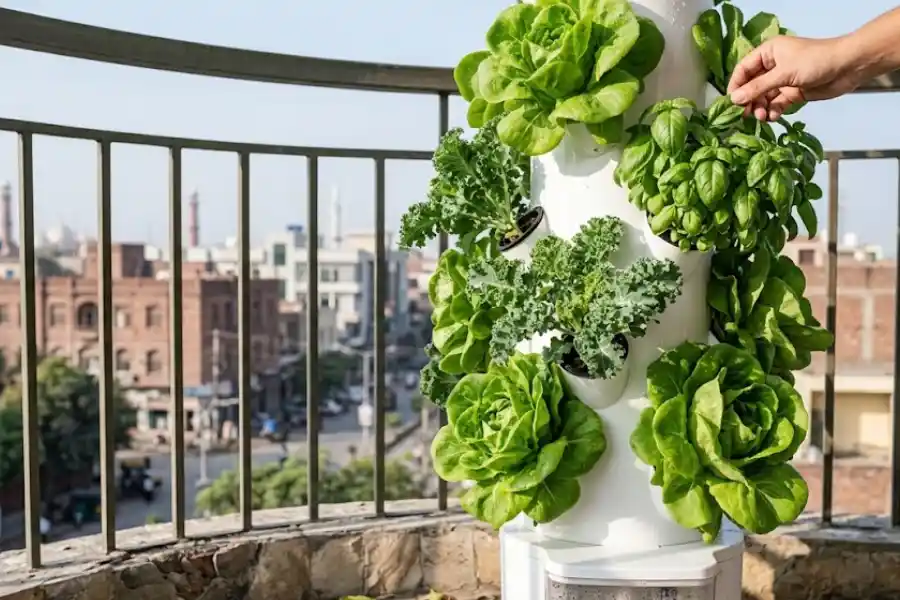
A hydroponic garden tower is a tall, upright planter that grows plants without soil. The roots sit in small pots or sponge plugs. Water mixed with plant food flows past them all day.
Because the plants stack on many levels, one tower can hold 20 to 80 plants, depending on the model. People also call these systems vertical hydroponics, tower gardens, or window farms. They are popular with renters, apartment dwellers, and anyone short on space.
How a Hydroponic Garden Tower Works
The idea is simple. A tank at the bottom holds water and plant food. A small pump pushes that water to the top of the tower. The water then flows down through the roots and drains back into the tank. A timer turns the pump on and off in short cycles.
There are two common styles:
- Drip towers: Water drips over the roots in each pot. The roots stay damp and get fresh food again and again.
- Aeroponic towers: Roots hang in open air inside the column. A fine mist keeps them wet. This style gives roots a lot of oxygen, so plants often grow fast.
Both styles work well. The timer matters because roots need air as much as they need water. A root that sits in water all day can rot.
Why Growers Love a Hydroponic Garden Tower
People stick with this method for good reasons.
- It saves space. You grow up, not out. A tower fits where a garden bed never could.
- It saves water. The water runs in a loop, so little is wasted. Most growers use far less water than they would in a soil bed.
- Plants grow fast. Roots get food and oxygen all the time, so leafy greens often mature quickly.
- No weeds. There is no soil, so there is nothing for weeds to grow in. You also skip many soil pests.
- It works all year. Put a tower under a grow light and you can pick salad in winter.
- It is easy on your back. You pick at waist and chest height. No bending or kneeling.
The Downsides to Think About First
A good article should tell you the bad parts too. Here they are.
- The upfront cost is higher. A hydroponic garden tower costs more than a pot and a bag of soil.
- It needs power. The pump moves water to the top. If it stops, the top roots can dry out in a few hours.
- You are in charge of the food. Soil acts like a cushion and forgives small errors. Water does not. A wrong mix shows up in the leaves fast.
- It needs weekly care. You will check water level, pH, and the pump.
- Big plants do not fit. Pumpkins, corn, and potatoes need more room than a tower gives.
If you are fine with a few minutes of care each week, these downsides are easy to manage.
Types of Hydroponic Garden Tower
Prices cover a wide range. Small countertop kits can cost under $100. Mid-size towers often land between $300 and $700. Smart models with built-in sensors can pass $800. Pick the type that fits your space first, then your budget.
Indoor Towers
An indoor hydroponic garden tower usually comes with LED grow lights. It sits in a kitchen, a spare room, or a basement. It is the best choice if you want fresh herbs in winter. Check that the light covers every level, or the lower plants will grow thin and weak.
Outdoor Towers
Outdoor towers are taller and use sun instead of lights. They suit patios, balconies, and small yards. They need a spot with at least six hours of sun, plus some shade in hot afternoons. If you live in a hot place, watch the water temperature. Warm water holds less oxygen and grows algae faster.
DIY Towers
You can build a tower from PVC pipe, food-safe buckets, or stacked pots, a pump, and a timer. A DIY build costs far less than a store kit. The trade-off is time. You will cut holes, test for leaks, and fix small problems as they show up.
What to Grow in Your Hydroponic Garden Tower
Start with plants that have small roots and grow fast. These do best:
- Lettuce, spinach, kale, and Swiss chard
- Basil, mint, parsley, cilantro, and chives
- Bok choy and arugula
- Strawberries, if your tower has enough room and light
Lettuce is ready in about a month to six weeks after you move in seedlings. Basil gives its first cuts in a similar time. Cut herbs often, and they keep growing for months.
Skip plants with large roots or heavy fruit. Carrots, potatoes, onions, corn, melons, and squash do not fit a tower. Tomatoes and peppers can work in bigger towers, but they need strong support, more light, and more food.
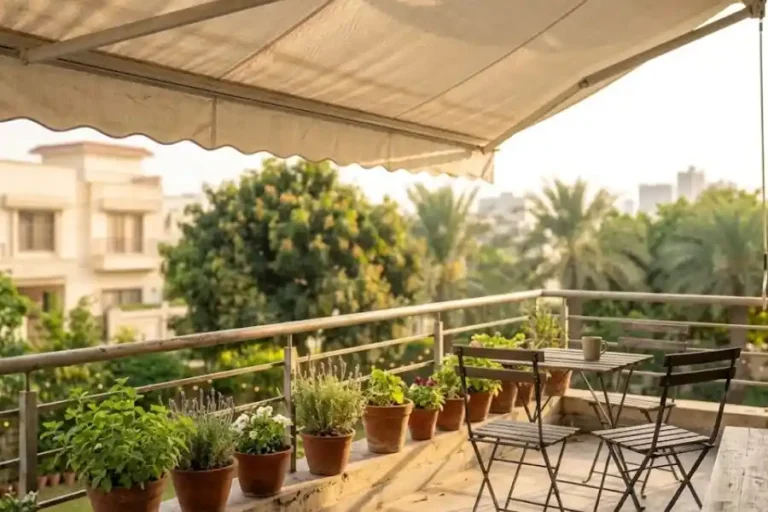
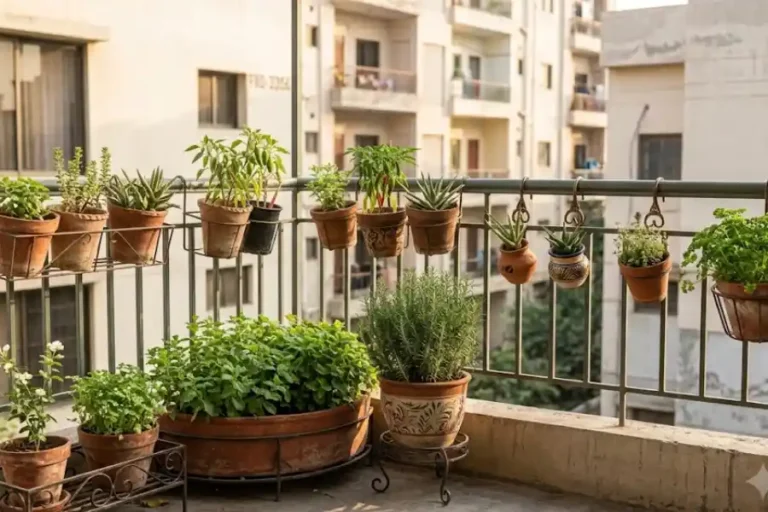
Herbs are the easiest first win. For ideas on keeping them happy outdoors, read our post on growing an herb garden on a balcony.
How to Set Up Your Hydroponic Garden Tower, Step by Step
Follow these steps in order. Always read your maker’s manual too, since each model has its own rules.
- Pick a level spot. A tower that leans will leak around the seams. Keep it away from heater vents and hot walls. Indoors, put it near a bright window or under a grow light.
- Build it and test it with plain water. Run the pump for an hour. Look for leaks at every joint. Fix them now, before plants and food go in.
- Fill the tank with clean water. Tap water often holds chlorine. Let it sit for a day or two before you use it. If your water is very hard, use a filter or buy distilled water.
- Add hydroponic plant food. Use a nutrient mix made for hydroponics. Regular garden fertilizer is not made for water systems. Mix it at the strength the label says.
- Check the pH. Most leafy greens grow best when the water sits between 5.5 and 6.5. A cheap pH kit or meter is enough.
- Start seedlings in sponge plugs. When roots poke out of the plug, set it in a tower pot.
- Set the timer. Many towers run the pump about 15 minutes on and 15 minutes off. Follow your model’s setting.
- Do a weekly check. Top up the water, test the pH, and wipe away any slime. Replace the whole tank every two to three weeks.
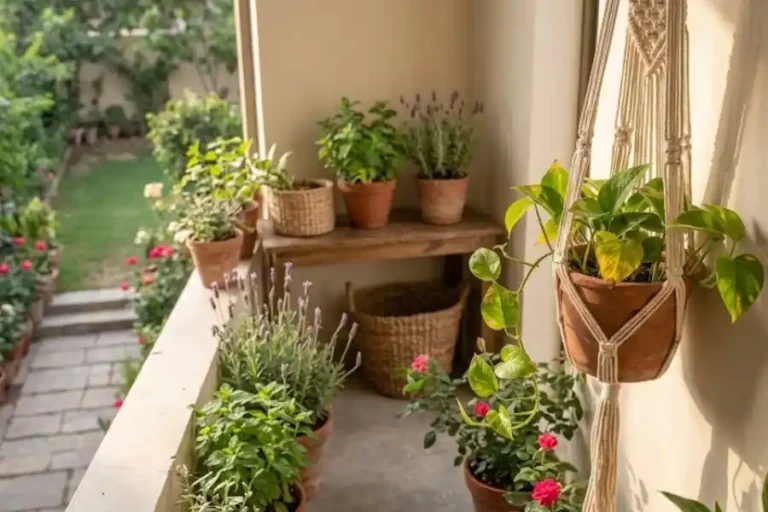
Planning a tower for a tight outdoor space? Our post on how to make a small balcony garden for beginners helps you plan the layout before you buy anything.
Light, Water, and Food: The Three Things That Matter Most
Light. Leafy greens need about 12 to 16 hours of light each day indoors. Keep the lights close enough to reach every level. Outdoors, six or more hours of sun is a good target.
Water. Keep the tank covered so light cannot reach it. Light in the tank grows algae. Aim for cool water, ideally below 75°F.
Food. Plants need a balanced mix of nutrients. Too little food gives pale leaves and slow growth. Too much burns the leaf tips brown. When in doubt, start weak and add more later.
Common Mistakes That Hurt a Hydroponic Garden Tower
Most problems with a hydroponic garden tower come from a short list of errors.
- Ignoring pH. A pH that drifts too high or too low blocks plants from taking in food, even when the tank is full of it. This is one of the top reasons plants die in water systems.
- Mixing food too strong. More is not better. Strong mixes burn roots.
- Giving too little light. Plants grow tall, thin, and weak. Move the light closer or add more hours.
- Letting the water get warm. Heat and light together grow algae and can lead to root rot.
- Planting too many. Crowded plants block light and air for their neighbors.
- Skipping cleaning. If your tower smells like a dirty fish tank, the roots are sick. Rinse the tank and pipes between every crop.
- Forgetting the pump. A clogged or dead pump can wreck a tower in one day. Check it each week, and keep a spare on hand.
Want to pair your tower with a few soil pots for flowers or extra herbs? These container garden ideas fit nicely next to a tower. If you like the stacked look but want zero pumps, a tiered plant stand gives you vertical space with plain soil pots.
Is a Hydroponic Garden Tower Worth It?
For many people, yes. It makes the most sense if you:
- Have little space but want fresh greens and herbs
- Eat a lot of salad or cook with fresh herbs
- Want to garden all year, indoors or out
- Like checking on plants a little each week
It may not be right if you want a fully hands-off garden, or if you plan to grow large vegetables. A basic soil pot costs less and needs no power.
Think about ongoing costs too. Seeds are cheap. Plant food costs a little each month. The pump uses very little electricity, though grow lights use more. Many growers say the savings on store-bought herbs and greens add up over time, but results depend on what you grow and how often you eat it.
Frequently Asked Questions
How many plants fit in a hydroponic garden tower?
It depends on the model. Small countertop units hold about 6 to 20 plants. Floor-standing towers hold 20 to 80. Check how many sites your tower has before you buy, and be ready to thin out crowded ones.
Can I keep a hydroponic garden tower outside?
Yes. Outdoor models work well on patios and balconies. Give it six hours of sun, shade it from harsh afternoon heat, and keep the pump away from rain. Bring it inside or cover it before a frost.
How often should I change the water?
Top up the tank every few days. Replace all the water and nutrients every two to three weeks. Change it sooner if it looks cloudy, smells bad, or grows algae.
Is a hydroponic garden tower hard for beginners?
No, but it helps to start small. Pick easy plants like lettuce and basil, buy a pH kit, and write down your readings each week. Most first-time growers get steady results within a couple of crops.
Do I need grow lights?
Indoors, yes, unless the tower sits in a very bright south-facing window. Outdoors, sunlight does the job.
Final Thoughts
A hydroponic garden tower lets you grow fresh food in places where a regular garden cannot go. It asks for a little setup and a few minutes of weekly care. In return, you get fast-growing greens, steady herbs, and a garden that fits a balcony or a countertop.
Start with a small tower, grow easy plants, watch your pH, and keep the tank clean. Once you get the routine right, adding more plants is simple.