Macrame Plant Hanger: How to Buy, Hang, and Care for One
I bought my first macrame plant hanger from a flea market for four dollars. It looked perfect in the photo I took for Instagram. Two weeks later, the pot slipped right out of it and my pothos landed face-first on the kitchen floor. Turns out nobody warns you about the parts that matter most: how much weight the thing can hold, which hook won’t rip out of your wall, and which plants really do well hanging in the air instead of sitting on a shelf.
This article covers all of that: what a macrame plant hanger is, how to buy or make one that lasts, how to hang it the right way, and how to keep both the plant and the hanger looking good for years instead of months.
What Is a Macrame Plant Hanger?
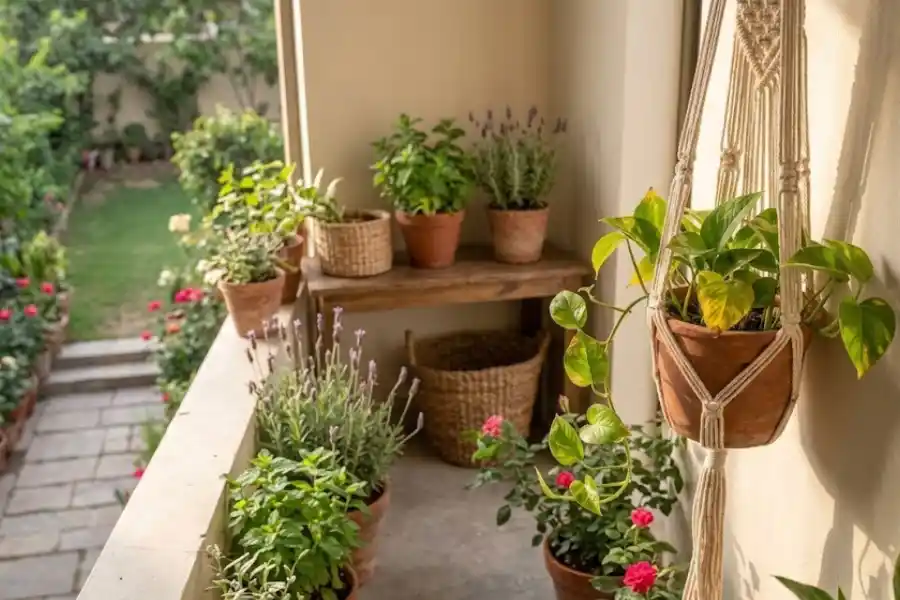
A macrame plant hanger is a woven cord holder, usually made from cotton rope, that cradles a pot and hangs from the ceiling or a wall hook. The word “macrame” just means the craft of knotting cord into patterns, no glue, no sewing, just knots. People have used this knotting technique for centuries, but it became a houseplant staple in the 1970s and came roaring back over the last decade as boho and cottagecore decor took over.
Most hangers are built from four to eight cords, gathered at the top into a ring or loop, then knotted into a basket shape that holds the pot from underneath. Some use beads or wood rings for extra style. The basic function stays the same in every version: it lets you grow plants up and off the ground, which is a lifesaver if you’re short on floor or shelf space.
Should You Buy One or Make One Yourself?
This is the first fork in the road, and it depends on your budget, your patience, and whether you like doing things with your hands.
Buying a Macrame Plant Hanger
Buying makes sense if you want something today, or if you want a specific look that would take hours to knot from scratch. Prices usually range from ten to forty dollars depending on size and material. When you’re shopping, check three things before you add to cart:
- The material: 100% cotton feels softer and looks more polished, while synthetic cord (like polypropylene) holds up better outdoors and resists mold.
- The cord thickness: thicker cord (4mm to 6mm) holds more weight and lasts longer than thin 2mm to 3mm cord, which is better suited to small, light pots.
- The stated weight limit: a lot of listings skip this. If you can’t find it, message the seller before you buy, especially if you’re planning to hang a heavy ceramic pot.
Making Your Own
Making one costs less, usually five to fifteen dollars in cord, and it’s genuinely one of the easier crafts to pick up. You really only need two knots to make a basic hanger: the square knot and the spiral knot. A first-timer can finish a simple hanger in under two hours. The tradeoff is that a handmade hanger from a beginner won’t be as tightly and evenly knotted as one built by someone with years of practice, so double-check your knots before you trust it with a heavy pot.
Quick tip: whichever route you choose, always test the hanger with an empty pot first. Let it hang loaded for a full day before you trust it with your favorite plant.
How to Hang a Macrame Plant Hanger Without Wrecking Your Wall
This is the part almost every other article skips, and it’s the part that causes the most damage and the most heartbreak.
Know Your Weight Limit First
Add up the weight of the pot, the soil, and the plant once it’s fully watered, since wet soil is noticeably heavier than dry soil. A medium ceramic pot with soil and a healthy plant can easily weigh ten to fifteen pounds. A well-made cotton macrame hanger with 4mm cord can generally support that weight without stretching, but the hook holding it up is usually the weaker link, not the cord.
Best Hooks for Different Walls and Ceilings
Match your hook to your surface, not the other way around:
- Wood ceiling joist or beam: a simple screw-in hook is strong enough for almost any plant hanger.
- Drywall ceiling with no joist nearby: use a toggle bolt anchor, rated for at least twice the weight of your loaded hanger.
- Brick or concrete wall: a masonry anchor with a screw-in hook works best.
- Curtain rod or shower rod: fine for very light hangers only, since these bend under real weight over time.
Renter-Friendly Options (No Drilling Needed)
If you can’t drill, you still have options. Over-the-door hooks work for lightweight hangers near a doorway. Tension rods placed inside a window frame can hold one or two small hangers. Adhesive ceiling hooks exist too, but check the weight rating carefully. Most are only rated for two to five pounds, which rules out anything but the smallest pots. This kind of no-drill thinking matters even more if you’re working with a small rental balcony, where every hook and anchor point counts. Our guide on how to make a small balcony garden for beginners walks through more ideas along the same lines.
The Best Plants for a Macrame Hanger (and a Few to Skip)
Trailing plants look the most natural in a hanging basket, since their leaves spill over the sides instead of just sitting flat. These tend to do best:
- Pothos: nearly impossible to kill, tolerates low light, trails beautifully.
- String of pearls: a succulent with round, bead-like leaves, needs bright light and very little water.
- Spider plant: sends out little “babies” on long stems, easy to care for and hard to overwater badly.
- Ferns: gorgeous and lush, but they want humidity, so they’re better for bathrooms or misted regularly.
- English ivy: fast-growing and full, though it can get leggy if the light is too low.
Skip anything that grows upright and heavy, like a large snake plant or a big rubber tree. Those plants do better with traditional container garden ideas on solid ground, where their weight isn’t fighting against a hook and a cord.
How to Care for the Hanger Itself (Not Only the Plant)
Almost every article about macrame plant hangers talks about the plant and completely ignores the hanger, but the hanger needs care too if you want it to last more than a season.
- Watch for water stains. Every time you water, a little drips through the pot and onto the cord below. Over months, this leaves a ring of dirt or mineral buildup. Water over a sink or move the plant to a tray when you water it.
- Watch for mold. Cotton cord that stays damp in a humid room can develop small dark spots. If you spot this early, a light scrub with a mix of water and a few drops of dish soap, followed by full air drying, usually clears it up.
- Rotate the hanger occasionally. Cord exposed to strong sunlight on one side will fade faster than the shaded side. Turning the whole hanger a quarter turn every month or two keeps the color even.
- Retie loose knots. Cord stretches slightly over time under weight. If the basket starts sagging, retie the bottom knots to tighten it back up rather than replacing the whole thing.
Indoor vs. Outdoor: What Changes
A cotton macrame plant hanger looks lovely indoors but breaks down fast outside. Sun, rain, and humidity weaken cotton fibers within a season or two, especially in direct sunlight. If you want a hanger for a porch or patio, look for one made from polypropylene, nylon, or another synthetic cord built for outdoor use, so it holds up alongside the rest of your front patio decor ideas instead of fading or rotting after one season. It won’t feel quite as soft, but it will survive weather that would rot cotton within a few months. And if you don’t have a good spot to hang one outside in the first place, a tiered plant stand outdoor setup makes a sturdy, ground-level alternative that still lets trailing plants spill over the edges.
5 Mistakes That Ruin Macrame Plant Hangers Fast
- Using a pot that’s too heavy for the cord. Thin decorative cord is meant for looks, not for holding a five-pound ceramic pot.
- Hanging it from a weak hook. The hanger is rarely the problem, the cheap adhesive hook is.
- Letting it stay soaking wet. Damp cord in a low-airflow spot invites mold within weeks.
- Ignoring the plant’s light needs because it “looks good there.” A fern hung in direct sun will crisp up fast, no matter how nice the corner looks.
- Never checking the knots. A hanger that’s held weight for a year deserves a quick inspection before you trust it with a new, heavier pot.
Frequently Asked Questions
How much weight can a macrame plant hanger hold?
It depends on the cord thickness and knot quality, but a well-made hanger using 4mm to 6mm cotton cord can generally hold up to 15 to 20 pounds. Always check the seller’s stated limit if you bought it, or test a handmade one gradually.
Do macrame plant hangers damage walls or ceilings?
The hanger itself doesn’t cause damage. The hook does, if it’s the wrong type for your wall or ceiling material. Choosing the right anchor for your surface, as covered above, prevents this.
Can you leave a macrame plant hanger outside?
Cotton hangers will weaken and discolor outdoors within a season. For an outdoor space, choose one made from synthetic, weather-resistant cord instead.
How long does a macrame plant hanger last?
A cotton hanger kept indoors and cared for properly can easily last three to five years or longer. Outdoor exposure or frequent water drips shorten that lifespan significantly.
What’s the best rope for making a macrame plant hanger?
Natural cotton cord, around 4mm thick, is the most beginner-friendly choice. It knots cleanly, holds its shape, and feels soft to work with compared to stiffer synthetic cords.
Do macrame plant hangers need to be washed?
Not on a schedule, but they benefit from an occasional gentle clean, especially if you notice water stains or a musty smell. A light hand wash and full air dry keeps them looking fresh.
A macrame plant hanger is a small thing, a few cords and some knots, but getting the details right (the right hook, the right cord, the right plant) is what decides whether it lasts for years or ends up like my four-dollar flea market find. Get those details right once, and you won’t think about it again, you’ll just enjoy the plant.