Rabbit Garden Sculpture: What to Know Before You Buy
You’ve probably seen one before. A little stone rabbit tucked next to a flower bed, or a bronze hare frozen mid-leap by the front porch. It looks simple. But picking the right rabbit garden sculpture is trickier than it seems, and most shopping pages only tell you half the story.
This article covers the part most posts skip: how to choose the right one, where to put it, how to keep it looking good for years, and the mistakes that make people regret their purchase. By the end, you’ll know what to look for, whether you’re shopping for one bunny or building a whole garden scene.
What Is a Rabbit Garden Sculpture?
A rabbit garden sculpture is an outdoor statue shaped like a rabbit or hare, made to sit in a yard, flower bed, or patio. They come in many forms: sitting bunnies, leaping hares, rabbit families, and even rabbits that double as planters.
These pieces aren’t just decoration. Rabbits have long stood for new beginnings, gentle luck, and the arrival of spring. That’s part of why a rabbit garden sculpture feels so at home outdoors. It brings a quiet sense of life to a space, even when nothing is blooming yet.
Why People Choose Rabbit Sculptures for Their Gardens
Ask ten garden owners why they picked a rabbit statue, and you’ll get ten slightly different answers. But a few reasons show up again and again.
- They add movement without effort. A rabbit mid-hop or a hare with perked-up ears makes a garden feel less still, even though the statue never moves.
- They soften harsh or empty spaces. A bare corner or a gap between plants suddenly feels finished once a small rabbit sculpture sits there.
- They work with almost any garden style. Cottage gardens, modern minimalist yards, woodland-style landscaping, formal English gardens: rabbits fit into all of them.
- They’re low-maintenance compared to live plants. Once placed, a well-made rabbit sculpture needs very little upkeep.
- They make thoughtful gifts. Housewarming presents, Mother’s Day gifts, and retirement gifts often include a garden rabbit statue because it feels personal but not overly formal.
The Main Types of Rabbit Garden Sculptures
A rabbit statue is really just one style within the wider world of garden art sculpture. Most buying pages stop at pretty pictures, without ever explaining what the piece is made from or why that matters. Here’s the breakdown.
Concrete and Cast Stone Rabbits
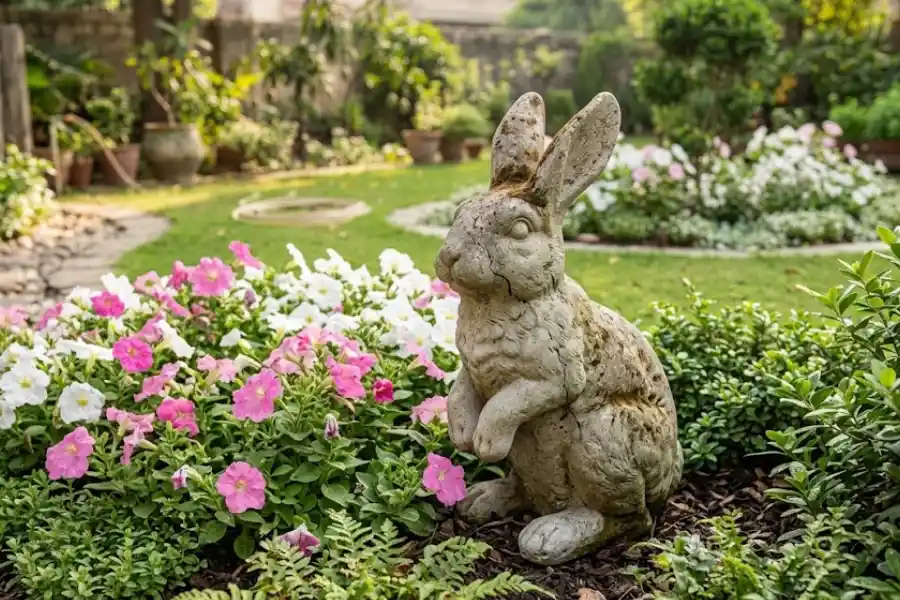
These are the classic choice, and for good reason. Concrete and cast stone rabbit statues are heavy, weather-resistant, and can last for decades with basic care. They tend to have a soft, textured look that ages beautifully, developing a light patina of moss or lichen over time that many gardeners like.
The downside is weight. A mid-size concrete rabbit can be difficult to move once placed, so think carefully about location before you set it down.
Resin Rabbits
Resin sculptures are much lighter and usually more affordable. They’re a good pick if you want to rearrange your garden often or if you’re decorating a balcony or small patio where weight matters. The trade-off is durability. Resin can fade or crack faster in harsh sun or freezing winters compared to stone.
Metal and Bronze Rabbits
Metal rabbit sculptures, especially bronze or cast iron, bring an elegant, almost sculptural gallery feel to a garden. They hold detail well, so you’ll notice finer features like whiskers or fur texture. They also handle outdoor weather nicely, though metal can get very hot in direct summer sun, so placement in some shade is worth considering.
Ceramic Rabbits
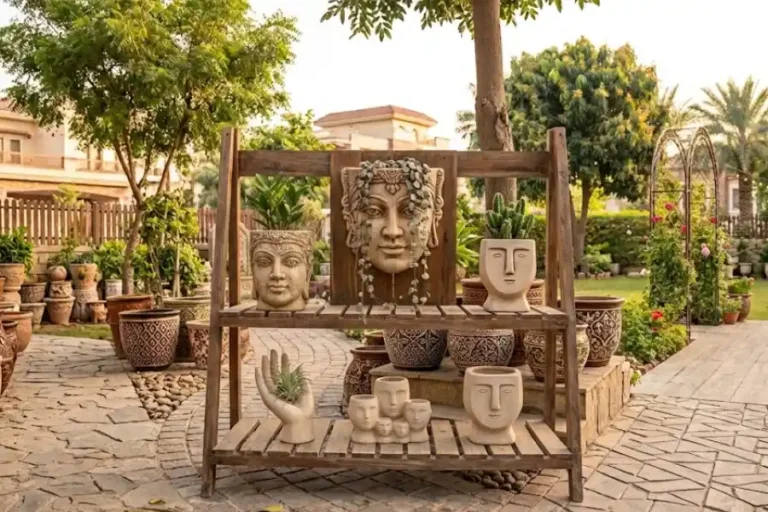
Ceramic pieces are often painted with more color and personality, which fits right in with a whimsical, cottage-style garden, especially one that already features fairy garden accessories tucked among the flower beds. They’re best suited for milder climates, since freezing temperatures can cause cracking if water gets into the material.
Solar and Light-Up Rabbits
A newer trend, these sculptures include small solar panels that make the rabbit glow softly at night. They’re a fun option for pathways or spots near seating areas where you want the garden to stay interesting after sunset.
How to Choose the Right Rabbit Sculpture for Your Space
Once you know the material options, the next step is matching the sculpture to your actual garden. Here’s what to think through before you buy.
- Measure your space first. A rabbit statue that looks small online can feel oddly oversized once it’s sitting next to your porch steps. Picture it at real size before ordering.
- Match the finish to your garden’s mood. A rustic garden calls for a weathered stone look. A modern space might suit a smooth, minimal metal design better.
- Decide between one statue or a group. A single rabbit reads as calm and simple. A small family of rabbits creates a playful scene, especially nice for gardens visited by kids.
- Think about your climate. If you get harsh winters, lean toward concrete, cast stone, or metal over resin or ceramic.
- Consider whether it needs to double as something else. Some rabbit sculptures are designed as planters, letting you tuck small flowers or succulents right into the design.
Where to Place Your Rabbit Sculpture (Design Tips Most Posts Skip)
Placement is where a rabbit garden sculpture goes from “nice statue” to “the thing everyone notices.” A few ideas that work particularly well:
- Half-hidden in greenery. Instead of placing your rabbit in the open, tuck it partly behind low plants or ornamental grass. It creates a little surprise moment for visitors, as if the rabbit is peeking out.
- Along a path, not in the center of the lawn. Statues near walkways get noticed and admired up close, rather than getting lost in open grass.
- Near the base of a tree. This spot mimics how rabbits naturally shelter near roots and shrubs, making the placement feel believable rather than staged.
- In pairs facing each other. Two rabbit sculptures placed a few feet apart, angled toward one another, can create a surprisingly charming visual story.
- At varying heights. If you’re using more than one sculpture, place them at slightly different elevations, like one on a low stone and one on the ground, to avoid a flat, lined-up look.
- Near a small water feature. A rabbit statue placed close to a garden bird bath or fountain creates a natural-feeling scene, since both suggest quiet, everyday garden life without competing for attention.
Caring for Your Rabbit Garden Sculpture
Good care depends heavily on material, so here’s a quick rundown for keeping each type looking its best.
- Concrete and cast stone: Rinse with a hose a few times a year and gently scrub off algae or moss with a soft brush. Resealing every couple of years helps preserve color and prevent cracking in freezing weather.
- Resin: Keep it out of intense, direct afternoon sun where possible to slow fading. A wipe-down with mild soap and water keeps it looking fresh.
- Metal and bronze: A light coat of outdoor-safe wax once a year helps prevent rust and keeps the finish from dulling.
- Ceramic: Bring it indoors or into a shed during freezing months if your winters are harsh, since trapped moisture can cause cracks.
- Solar pieces: Wipe the small solar panel clean regularly. Dust and pollen buildup is the most common reason these stop lighting up properly.
Mistakes to Avoid
- Buying based on photos alone. Online photos can make a sculpture look larger or more detailed than it is. Check the listed dimensions every time.
- Ignoring your climate. A beautiful ceramic rabbit isn’t worth much if it cracks after one freezing winter.
- Placing it dead center in the yard. This is the single most common design mistake. Off-center, tucked-in placements almost always look more natural and intentional.
- Skipping maintenance entirely. Even durable materials benefit from occasional cleaning. Neglect is usually what makes a sculpture look worn out early, not the material itself.
Frequently Asked Questions
How much does a rabbit garden sculpture usually cost?
Prices vary widely by material and size. Small resin or ceramic pieces often start around twenty to thirty dollars, while larger concrete, cast stone, or bronze sculptures can run into the hundreds, especially for detailed or artist-made designs.
Does a rabbit statue keep real rabbits away?
No, and this is a common myth. A stationary statue doesn’t scare off wild rabbits the way motion-activated deterrents or fencing can. If you’re dealing with real rabbits eating your plants, a decorative sculpture won’t solve that problem on its own.
Can I use an outdoor rabbit sculpture indoors too?
Many can be, especially resin, ceramic, and metal pieces. Just check the product details, since some finishes are specifically treated for outdoor weather and may look or feel different indoors.
How long do rabbit garden sculptures typically last?
With reasonable care, concrete and cast stone versions can last decades. Metal pieces also hold up well long-term. Resin and ceramic tend to have a shorter lifespan, especially in extreme climates, but can still last many years with proper care.
Can I paint or customize a rabbit garden sculpture myself?
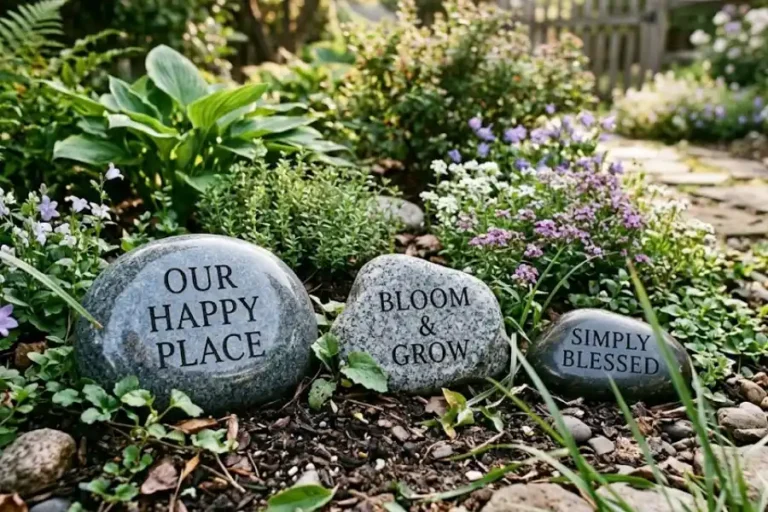
Yes, particularly with concrete or resin pieces, which take outdoor-rated paint well. It’s a nice way to personalize a plain statue, the same idea behind adding personalized garden stones to mark a name, date, or favorite quote in a flower bed. Just remember to seal the paint afterward so it holds up against rain and sun.
Final Thoughts
A rabbit garden sculpture is a small addition that can genuinely change how a garden feels. It’s about more than picking something cute off a shelf. The material, the size, and especially the placement all decide whether it looks like an afterthought or like it truly belongs there.
The best-placed rabbit sculpture doesn’t look like it was added to a garden. It looks like it was always meant to be there.
Take your time, think about your climate and style, and place it somewhere it can be discovered rather than just displayed. Do that, and your rabbit garden sculpture will end up being one of those small details that visitors always ask about.