16 Garden Plants With Serrated Leaves and How to Grow Them
Have you ever looked closely at a leaf and noticed tiny teeth along its edge? You were not imagining it. Those saw-like edges are called serrated, and they can turn a plain flower bed into something special.
Garden plants with serrated leaves add texture, catch the light, and look great next to smooth, round foliage. Many of them are also easy to grow. In this post, you will meet 16 great options, see what each one needs, and find out how to tell them apart from weeds and a few risky lookalikes.
This list draws on standard botanical references, including the Royal Horticultural Society, and focuses on plants that are easy to find at garden centers in the United States. Always check the plant tag and your local extension office for advice that fits your area.
What Are Serrated Leaves?
A serrated leaf has small, pointed teeth along its edge, much like a bread knife. On plant labels and in garden books, you may also see the words “serrate” or “toothed.” Here are the edge types people often mix up:
- Serrate: sharp teeth that point toward the tip of the leaf.
- Dentate: teeth that point straight out to the side.
- Crenate: soft, rounded teeth, like gentle scallops.
- Lobed: large cuts that make a leaf look like a hand.
- Spiny: hard, sharp points that can poke your skin, like holly.
Do not worry if you mix them up. Most gardeners use “serrated” for any leaf with a toothed edge, and this post does the same.
Why Add Garden Plants With Serrated Leaves to Your Yard?
Smooth leaves can look flat and a little boring when a whole bed is full of them. Toothed edges fix that in a few ways.
- Texture: jagged edges give the eye something to follow.
- Light and shadow: teeth catch sunlight and create small patterns.
- Contrast: toothed leaves look sharp next to soft, round foliage like hosta.
- Long interest: the leaves look good for months, even when the plant is not in bloom.
Best Garden Plants With Serrated Leaves
The plants below are grouped by type. Each one lists the light it likes and, where it matters, the USDA hardiness zone. If you are not sure of your zone, look it up on the USDA Plant Hardiness Zone Map before you buy.
Shrubs With Serrated Leaves
1. Mountain Hydrangea (Hydrangea serrata)
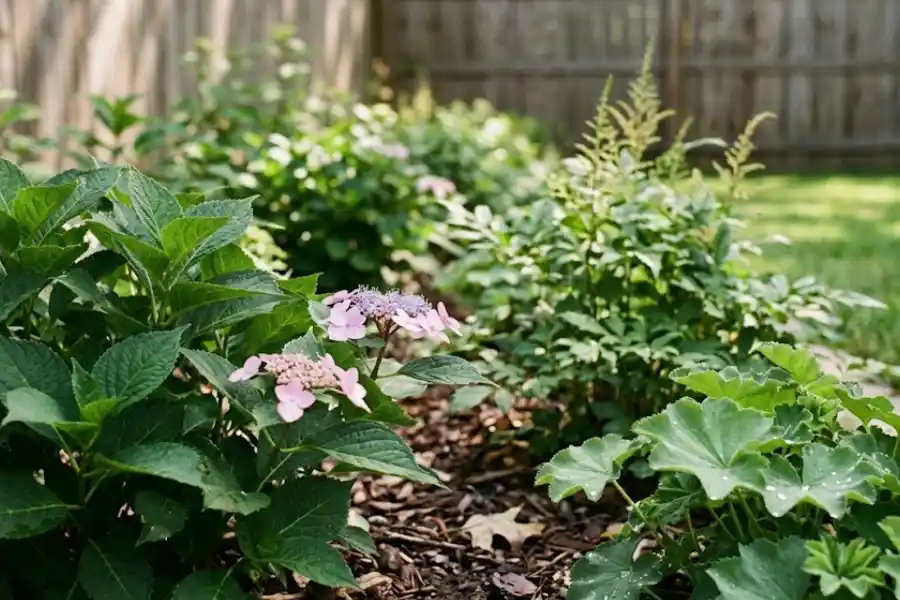
This one even has “serrata” in its name. It is a smaller, tidier cousin of the big mop-head hydrangea. The Royal Horticultural Society describes it as a compact shrub that usually stays under about four feet tall, with toothed green leaves that often turn rich colors in fall. Flowers can be pink, blue, or white, depending on soil acidity. It grows best in part shade with moist, well-drained soil, in about zones 6 to 9. Keep pets from chewing the leaves, because they can be harmful if eaten.
2. Arrowwood Viburnum (Viburnum dentatum)
Arrowwood is a tough, tall shrub with oval leaves that have clear teeth. It grows six to ten feet tall, gives white flowers in spring, and makes blue-black berries that birds love. The leaves turn red or purple in fall. It handles sun or part shade and many soil types, in zones 3 to 8. Plant two or more for the best berry crop.
3. Japanese Spirea (Spiraea japonica)
Spirea is a great pick for beginners. It stays small, usually two to four feet tall, and its toothed leaves look fresh all summer. Pink flower clusters appear in early to mid summer. It wants full sun and average soil, and most types do well in zones 4 to 8. Trim it back in late winter to keep it full.
4. Camellia
Camellias have glossy, dark green evergreen leaves with finely serrated edges. They look good all year and bloom when little else does, from fall through early spring, depending on the type. Give them part shade, acidic and well-drained soil, and shelter from harsh winter wind. Common garden camellias are best in zones 7 to 9.
5. Garden Rose
Look closely at a rose leaf. It is made of several leaflets, usually five or seven, and each leaflet has a toothed edge. Roses need at least six hours of sun and good airflow. Water the soil, not the leaves, to cut down on spotting and mildew. Hardiness depends on the variety, so check the tag.
Perennials With Serrated Leaves
6. Ligularia
Ligularia is a showstopper for shady, damp spots. The leaves are large and bold, and some types are dark purple. Tall yellow-orange flowers rise in summer. It likes moist soil and shade, in zones 4 to 8, so it pairs well with other water loving garden plants. On hot afternoons the leaves may droop, but they usually perk up by evening. Watch for slugs.
7. Astilbe
Astilbe has fern-like leaves with toothed edges, and its feathery plumes come in pink, red, white, and lavender. It does best in part shade with soil that stays moist, in zones 4 to 8. It is a good partner for hosta.
8. Lady’s Mantle (Alchemilla mollis)
The soft, rounded leaves have scalloped, toothed edges and hold drops of dew like tiny jewels. In early summer, it makes clouds of small lime-green flowers. It grows in sun or part shade, in zones 3 to 8. It can self-seed, so snip off spent blooms if you want to keep it in check.
9. Bee Balm (Monarda)
Bee balm has toothed, minty-smelling leaves and shaggy flowers that bring in hummingbirds and bees, which is why it shows up on so many lists of hummingbird garden plants. It likes full sun and grows well in zones 4 to 9. It can get powdery mildew, so give each plant space for air to move.
10. Foxglove (Digitalis purpurea)
Foxglove forms a rosette of soft, toothed leaves in its first year. In the second year, it shoots up tall spikes of bell-shaped flowers. It is a biennial, which means it blooms once and then drops seed for new plants. It grows in part shade in zones 4 to 8. Every part of this plant is toxic, so be careful around kids and pets.
11. Garden Mum (Chrysanthemum)
Hardy garden mums have toothed or lightly lobed leaves and give bright color in fall. For the best chance of coming back, plant them in spring instead of buying them in autumn. Give them full sun and well-drained soil, in zones 5 to 9.
Herbs and Edibles With Serrated Leaves
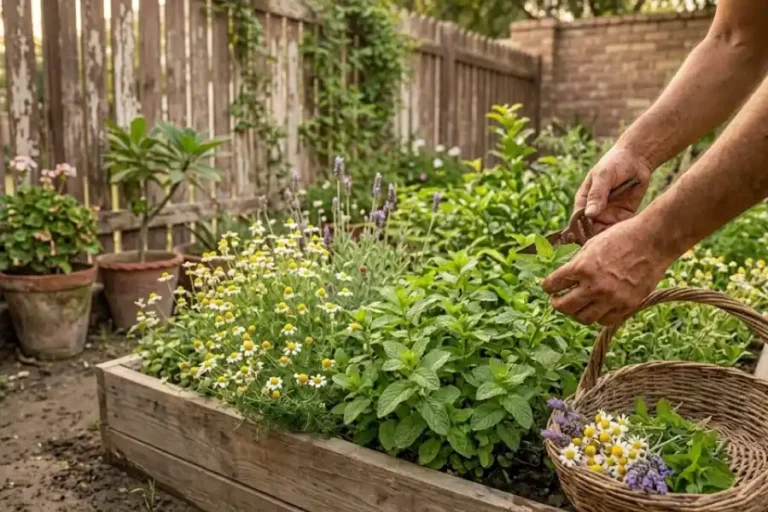
12. Mint
Mint has toothed leaves, square stems, and a strong, fresh scent. It also spreads fast. Plant it in a pot, or it may take over the bed. A sturdy set of herb garden pots outdoors keeps it contained and easy to move. It grows in sun or part shade, and many types are hardy in zones 3 to 8.
13. Lemon Balm
This easy herb has heart-shaped, toothed leaves that smell like lemon when you crush them. It works well in tea and grows in sun or part shade, in zones 4 to 9. Like mint, it spreads, so cut it back before it goes to seed.
14. Strawberry
Each strawberry leaf has three leaflets with toothed edges. The plants send out runners that make new plants. Give them full sun and rich, well-drained soil. Most types do well in zones 4 to 8.
15. Raspberry
Raspberry leaves are made of toothed leaflets, and the canes often have small prickles. They like sun and soil that drains well. Most types do well in zones 4 to 8. Remove old canes after they fruit so new ones have room to grow.
A Colorful Annual With Serrated Leaves
16. Coleus
Coleus is grown for its leaves, not its flowers. Colors range from lime green to hot pink to almost black, and the edges are toothed or ruffled. Plant it after the last frost in part shade or, for some types, full sun. It is a perennial only in warm zones 10 and 11, but it is a favorite annual everywhere else. Pinch off the flower spikes to keep the plant bushy.
How to Tell if a Leaf Is Serrated in 4 Steps
Not sure what is growing in your yard? Try this quick check.
- Hold one leaf in your hand and look at the edge in good light.
- Run your finger gently along the edge. Teeth feel bumpy, like a comb.
- Check the tooth shape. Sharp and forward-pointing means serrate. Rounded means crenate.
- Look at the whole leaf. If it is made of several small leaflets, check the edge of each leaflet.
Take a photo of the leaf, the stem, and the whole plant. This makes it much easier to identify with a plant app or a local garden expert.
Weeds and Lookalikes to Watch For
Not every toothed leaf belongs in your garden. A few common ones deserve a closer look.
- Dandelion: a ground-hugging rosette of jagged leaves. It is a weed in most beds.
- Stinging nettle: toothed leaves covered in tiny hairs that sting. Wear gloves.
- Poison ivy: three leaflets on each leaf, and the edges can be smooth, toothed, or lobed. Remember the old saying, “leaves of three, let it be.”
Quick tip: If you think you have found poison ivy, do not pull it with bare hands. Wear long sleeves and gloves, and wash your skin and tools afterward.
Simple Care Tips for Garden Plants With Serrated Leaves
Most of these plants have different needs, but a few habits help all of them.
- Match the light. Read the plant tag. Shade lovers like astilbe and ligularia will scorch in hot afternoon sun.
- Water the soil. Wet leaves invite mildew and spots, especially on roses and bee balm.
- Leave room. Good airflow keeps leaves healthy. Space plants as far apart as the tag suggests.
- Add mulch. A two to three inch layer keeps soil cool and moist and holds back weeds.
- Check leaves often. Even, regular teeth are normal. Ragged holes, spots, or sticky leaves can mean pests or disease.
Easy Design Ideas
You do not need a big plan to make these plants look good. Try a few simple moves.
- Pair toothed leaves with smooth, round ones, such as hosta, for strong contrast.
- Repeat the same plant three times in a bed so it feels planned, not random.
- Plant mint, lemon balm, and coleus in pots to enjoy them without the spreading.
- Mix leaf colors. Dark purple ligularia looks striking next to lime-green lady’s mantle.
Safety Notes for Pets and Kids
Pretty plants are not always safe to eat. Foxglove is highly toxic, and hydrangea leaves can make pets sick if chewed. Before you plant, check the ASPCA toxic and non-toxic plant list if you have dogs, cats, or small children. Wear gloves when you handle roses, nettles, or any plant that irritates your skin.
Frequently Asked Questions
What do you call a plant with serrated leaves?
There is no special name for the plant itself. Botanists describe the leaf edge as “serrate” or “serrated.” You may also see the word “dentate” for teeth that point straight out.
Which shade plants have serrated leaves?
Good choices include mountain hydrangea, astilbe, ligularia, foxglove, and coleus. Camellia also does well in part shade. For more options, see this list of garden plants for shade.
Which serrated plants are best for beginners?
Japanese spirea, coleus, strawberries, and mint in a pot are all forgiving. Spirea needs little care, and coleus gives fast color.
Can I eat any garden plants with serrated leaves?
Yes. Mint, lemon balm, strawberries, and raspberries are all common edibles. Never eat a plant unless you are fully sure what it is, and remember that foxglove and hydrangea are not safe to eat.
Are chewed edges the same as serrated edges?
No. Natural teeth are even and repeat in a pattern. Chewed edges look ragged, with uneven holes. If you see that, look for slugs, caterpillars, or beetles.
Final Thoughts
Garden plants with serrated leaves bring shape, texture, and life to any yard. You can plant a toothed shrub like spirea, a shady perennial like astilbe, or a pot of mint by the back door. Each one gives your garden a little extra bite.
Start small. Pick two or three plants from this list that fit your light and your zone, plant them, and watch how the leaves catch the sun. Once you start noticing toothed edges, you will see them everywhere.