Hanging Garden Iraq: Ideas for Beautiful Garden Decor
The Hanging Gardens of the ancient world remain one of history’s most fascinating mysteries. People have imagined tall terraces filled with green plants, flowering vines, trees, and flowing water for more than 2,000 years.
Although historians still debate whether the gardens stood in Babylon or Nineveh, their basic idea continues to inspire garden lovers today. A garden does not need to be enormous to look beautiful. With different plant heights, climbing greenery, decorative pots, and thoughtful arrangements, you can create a similar atmosphere in your own outdoor space.
In this article, we will look at the story behind the Hanging Garden Iraq, the garden design ideas it inspires, and practical ways to bring that layered, green appearance to a backyard, patio, or balcony.
What Was the Hanging Garden Iraq?
The Hanging Gardens were traditionally associated with Babylon, an ancient city in present-day Iraq. Greek and Roman writers described a remarkable garden with raised terraces, trees, and plants growing at different heights.
However, archaeologists have never conclusively identified the gardens. Some researchers believe the descriptions may refer to a royal garden in Nineveh, while others question whether the famous wonder existed exactly as later writers described it.
Despite this uncertainty, the traditional image of the Hanging Gardens is easy to understand: a lush green space where plants grow on several levels rather than only across the ground.
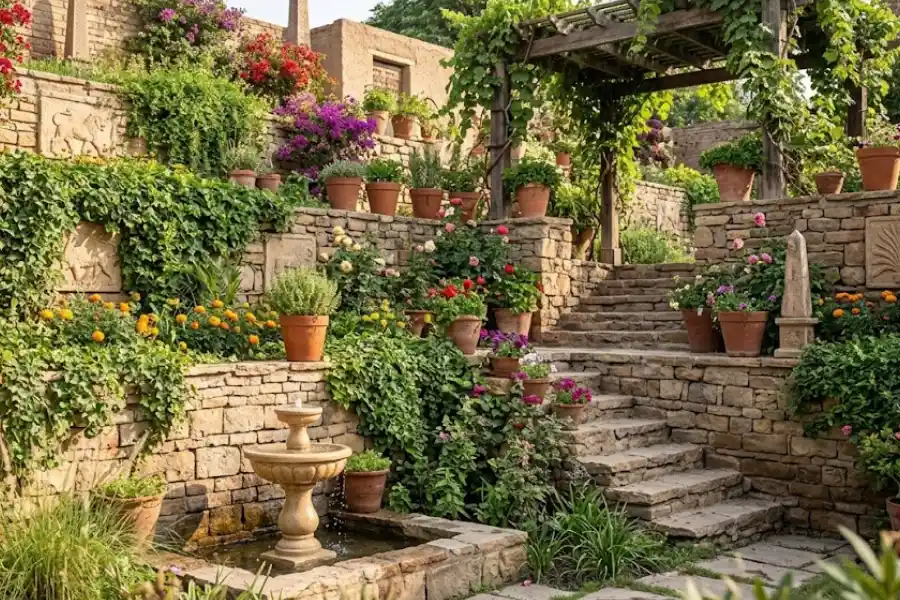
That idea is useful for modern garden design. By arranging plants vertically, adding raised displays, and using greenery around walls and seating areas, you can make an ordinary outdoor space feel fuller and more inviting.
How Ancient Hanging Gardens Inspire Modern Garden Decor
The appeal of the Hanging Gardens comes from their combination of greenery, height, structure, and water. You can use similar design principles without trying to recreate an ancient royal garden exactly.
Here are some practical ways to apply those ideas at home.
1. Create a Vertical Garden With Different Plant Heights
One of the easiest ways to capture the appearance of a hanging garden is to grow plants at different heights. Instead of placing every pot on the ground, use wall-mounted containers, hanging baskets, and raised displays.
Choose a mixture of trailing plants, leafy greenery, and flowering varieties suited to your climate and available sunlight. Place taller plants toward the back and smaller ones toward the front so that each plant remains visible.
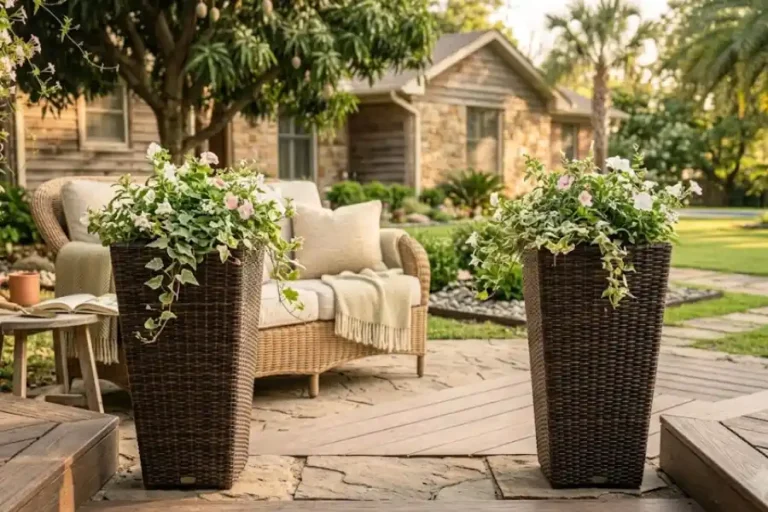
You can also use tall outdoor planters to add height near a garden entrance, patio wall, or seating area. Grouping planters of different heights creates a layered appearance without requiring a large garden.
The key is to leave enough room between plants for healthy growth. A crowded arrangement may look attractive at first but can become difficult to maintain as the plants mature.
2. Use Tiered Displays for a Layered Garden Look
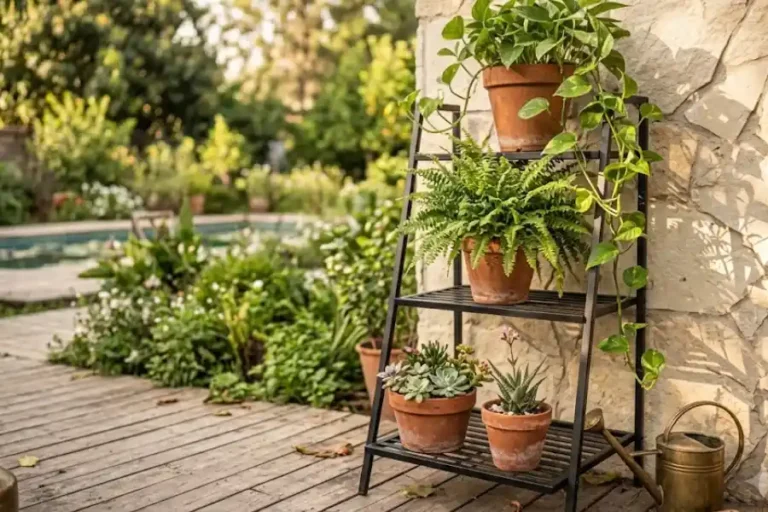
A tiered display is another simple way to create the feeling of a garden rising upward. Plants placed on several levels add depth and make a small outdoor corner feel more interesting.
Start with a sturdy stand and arrange pots according to their light and watering needs. Put compact plants on upper shelves and larger or heavier containers on lower levels when the stand is designed to support them.
A tiered plant stand outdoor arrangement works particularly well beside a patio door, against a garden wall, or in an unused backyard corner.
For a balanced display, combine different leaf shapes rather than using only plants with similar foliage. You can add a few flowering plants for color, but avoid placing so many varieties together that the arrangement looks messy.
Always check that the stand is stable and suitable for outdoor use, especially in windy conditions.
3. Add Climbing Plants Around a Pergola
A pergola can give a garden structure while providing support for suitable climbing plants. As vines grow along the posts and overhead beams, they can create a shaded, green feature that feels peaceful and natural.
Choose climbing plants according to your local climate, the amount of sunlight, and how much maintenance you can manage. Some vines grow quickly and need regular pruning, while others are slower and easier to control.
You can also improve the area with comfortable outdoor seating, simple lanterns, or a few decorative pots. For more ideas on styling this feature, see these pergola decorating ideas.
Keep the arrangement practical as well as attractive. Leave enough space to walk beneath the pergola, and make sure the structure can safely support any mature climbing plants you choose.
4. Decorate Garden Walls With Greenery
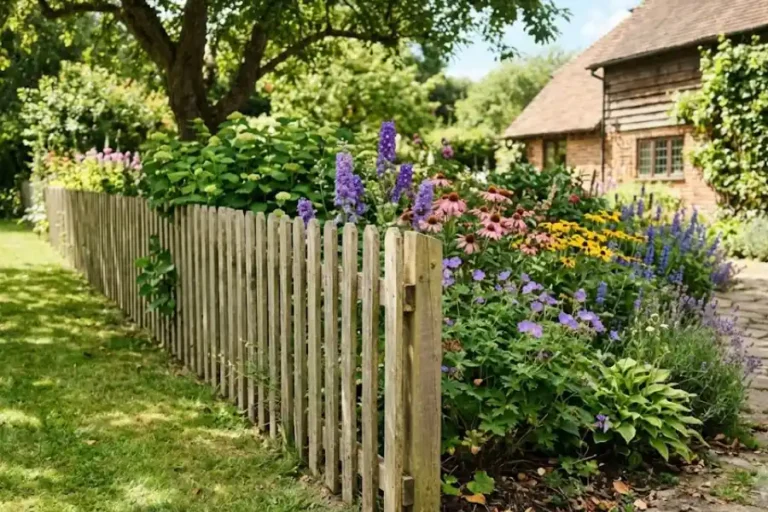
Bare walls and fences can make an outdoor area feel plain. Adding greenery can soften these surfaces and help connect different parts of the garden.
You could install suitable wall planters, place pots along the base of a fence, or train climbing plants over a properly supported trellis. If you prefer a simple look, repeat the same type of container along the wall. For a more relaxed style, combine a few complementary pot sizes and plant varieties.
Before attaching anything, check that the wall or fence can support the weight of the containers, especially after watering. Use outdoor-rated fixtures and make sure excess water can drain safely.
You do not need to cover every inch of the wall. A few well-placed plants can create a more attractive focal point while leaving room for other garden decorations.
5. Add a Small Water Feature for a Peaceful Atmosphere
Water was an important part of the image described in ancient accounts of the Hanging Gardens. At home, a small fountain or another suitable water feature can add movement and a relaxing sound to your outdoor space.
Place it where you can enjoy it from a seating area or garden path. Surrounding it with a few plants can help the feature blend into the garden rather than look separate from the rest of the design.
Choose a size that suits your space and budget. A compact fountain can work well on a patio, while a larger backyard may have room for a more substantial feature.
Keep water features clean and follow the manufacturer’s maintenance instructions. If you have children or pets, consider water depth, electrical safety, and access when choosing the location.
6. Create a Comfortable Seating Corner
A beautiful garden should be a place to spend time, not just something to look at. A bench or a pair of outdoor chairs can turn a green corner into a useful place for reading, relaxing, or enjoying a morning drink.
Position the seating so that it faces the plants or a feature you want to highlight. Add a few containers nearby to make the area feel connected to the rest of the garden.
Avoid filling every available space with furniture and decorations. A little open space makes the arrangement easier to use and helps the plants stand out.
If the seating area receives strong afternoon sunlight, consider whether natural shade or a suitable outdoor shade structure would make it more comfortable.
How to Bring the Hanging Garden Look to a Small Balcony
You do not need a large backyard to enjoy a layered garden design. A balcony can become a green retreat when you use its walls, corners, and vertical space carefully.
Begin by checking how much sunlight the balcony receives. Choose plants that match those conditions rather than buying plants simply because they look attractive.
Next, combine a few practical elements:
- Use railing planters only when they can be securely attached and are permitted by your building rules.
- Place suitable pots in corners to keep the main walking area clear.
- Add hanging containers where safe, secure mounting is possible.
- Use a compact vertical display to make better use of limited floor space.
- Choose lightweight containers where appropriate, while ensuring they remain stable in wind.
If you are starting from scratch, this guide on how to make a small balcony garden for beginners can help you plan a practical green space.
Remember that balconies have limits on weight, drainage, and secure mounting. Check building requirements before installing heavy planters or hanging items.
Choosing Plants and Containers for Your Garden Design
The right plants and containers help create a consistent look. You do not need to buy everything at once. Start with a few plants that suit your conditions and add more as you learn what works.
Choose Plants for Your Climate
Check each plant’s sunlight, watering, and temperature requirements before buying it. Plants with similar needs are easier to arrange together because you can care for them more consistently.
Trailing plants can soften the edges of raised containers, while upright plants add height. Compact flowering plants can bring color to the lower levels of a display.
If your outdoor area receives strong sunlight, select plants that can tolerate those conditions. For shaded areas, look for varieties that grow well with less direct sun.
Match Containers to Your Outdoor Style
Containers affect the overall appearance of a garden. Terracotta can create a warm, traditional look, while simple neutral-colored pots often suit a modern outdoor space.
You can mix materials, but repeat a few colors or shapes to make the arrangement feel connected. For example, several terracotta pots in different sizes can look coordinated without being identical.
Make sure every container has suitable drainage and is appropriate for outdoor conditions. Standing water can damage roots, while containers that dry out too quickly may require more frequent watering.
Keep the Arrangement Balanced
A successful garden display has variety without becoming overcrowded. Combine different plant heights, leaf shapes, and textures, but leave enough space for each plant to grow.
Try viewing the arrangement from the main entrance or seating area. If one large container blocks everything behind it, move it to the side or place smaller plants in front.
You can adjust the layout over time. Moving a few pots is often easier than buying more decorations.
Common Mistakes to Avoid
When creating a garden inspired by the Hanging Gardens, a few simple mistakes can make the space less attractive or harder to maintain.
Using too many plants at once: Start with a manageable number of plants. You can expand the display after you understand their growth habits and care requirements.
Ignoring sunlight: A plant that needs full sun may struggle in a shaded corner. Match plants to the conditions in each part of your garden.
Overlooking drainage: Containers need appropriate drainage so that excess water does not remain around the roots.
Choosing unstable displays: Tall planters, shelves, and hanging baskets must be secured properly, particularly in exposed or windy locations.
Mixing too many styles: Different containers can add character, but too many unrelated colors and materials may make the garden look cluttered. Repeat a few design elements for a more unified appearance.
Forgetting maintenance: Pruning, watering, cleaning containers, and checking supports help keep the garden looking attractive as plants grow.
Frequently Asked Questions
Where was the Hanging Garden Iraq located?
The traditional location is Babylon, near modern Hillah in Iraq. However, some researchers argue that the gardens may have been in Nineveh, near modern Mosul. Their exact location has not been conclusively proven.
Did the Hanging Gardens of Babylon really exist?
Their existence and location remain debated. Ancient writers described impressive gardens, but archaeologists have not conclusively identified the famous structure. The uncertainty is one reason the Hanging Gardens remain such a popular historical mystery.
Why are the Hanging Gardens called hanging gardens?
The name is commonly understood to refer to plants growing over or above raised terraces. It does not necessarily mean that the plants hung from ropes in the way modern hanging baskets do.
Can I create a hanging garden at home?
Yes. You can create a similar layered appearance with hanging baskets, wall planters, climbing plants, tiered displays, and raised containers. Choose plants that suit your climate and available sunlight.
Are hanging gardens suitable for small outdoor spaces?
Yes. Vertical planting makes use of walls and height instead of relying entirely on floor space. Balconies, patios, and small garden corners can all benefit from carefully arranged containers and climbing plants.
What is the easiest way to start a layered garden?
Start with a few containers at different heights and choose plants with similar care requirements. Place them where they receive suitable light, keep the arrangement stable, and add more plants only when you are comfortable maintaining them.
Final Thoughts
The Hanging Garden Iraq remains a fascinating mystery, with Babylon and Nineveh both connected to different theories about its location. Although the original gardens have never been conclusively identified, their traditional image still offers useful inspiration for modern outdoor design.
You can bring that inspiration into your own space with vertical planters, tiered displays, climbing greenery, a small water feature, and a comfortable seating corner. The goal is not to recreate an ancient wonder exactly. It is to use height, greenery, and thoughtful placement to make your garden feel more inviting.
Start with one small area, choose plants that suit your conditions, and build your design gradually. Even a modest balcony or backyard corner can become a beautiful green retreat with a little planning and care.