
Clock Garden: How to Plant Flowers That Tell Time
Picture this. You step into your yard with a cup of coffee. The dandelions are wide open. The poppies are still shut tight. Without looking at a watch, you know it is early morning.
That is the magic of a clock garden. It is a bed of flowers that open and close at different hours of the day. Plant them in the right order, and your garden becomes a slow, pretty clock.
Here is the part most articles skip. A clock garden does not work like a wristwatch. It works more like a nature journal. This article covers how it works, which plants to try, and how to build your own clock garden step by step. You do not need any experience.
Quick Takeaways
- A clock garden uses flowers that open and close at set times of day.
- The idea came from Carl Linnaeus, a Swedish scientist, in the 1700s.
- It shows the rough time, not the exact minute. Weather, heat, and location change the timing.
- The best way to build a clock garden is to plant, watch, and write down what your own flowers do.
- Pick plants that grow well in your area and are safe around kids and pets.
What Is a Clock Garden?
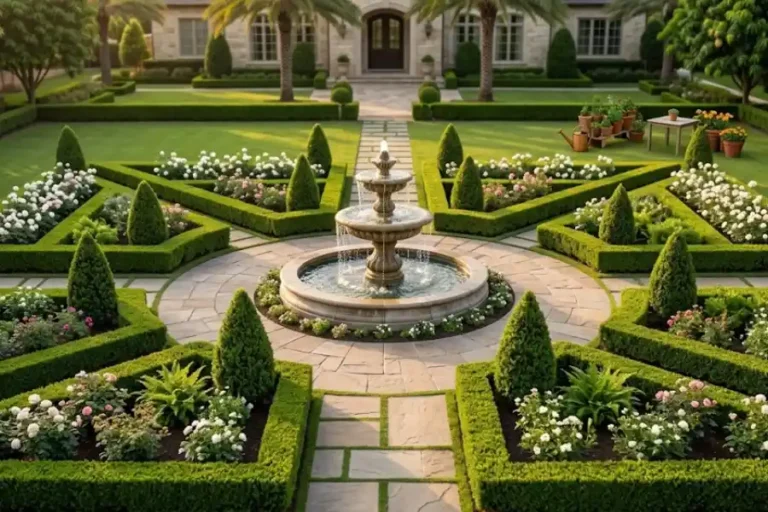
A clock garden, also called a flower clock or floral clock, is a garden bed planted so that different flowers are open at different hours. Some people shape the bed like a clock face with twelve wedges. Others plant simple rows. Either way, you read the time by checking which flowers are open and which are closed.
Many families build a clock garden as a school project or a weekend activity. It is also a great way to see that plants are alive in a real sense. They follow a daily rhythm, just like we do.
One quick note. A clock garden is not the same thing as a garden clock, which is a clock you hang outside. We cover those near the end.
Where the Clock Garden Idea Came From
The idea goes back to Carl Linnaeus. He was the Swedish scientist who gave us the system we still use to name plants and animals. He ran the botanic garden at Uppsala University and studied it closely for years. In 1751, he wrote about a “horologium florae,” which means flower clock, in his book Philosophia Botanica. Historians say he listed 46 plants that open at set times.
Here is a fun twist. Most sources say Linnaeus never planted a full flower clock himself. He watched and recorded. Gardeners in later years tried to turn his notes into real gardens.
Three Types of Flowers Linnaeus Described
Linnaeus sorted flowers into three groups:
- Meteorici: flowers that change their hours with the weather.
- Tropici: flowers that change their hours with the length of the day.
- Aequinoctales: flowers with the most steady hours. These are the stars of any flower clock.
The first public floral clock appeared in Edinburgh, Scotland, in 1903. It began with only an hour hand, and a minute hand came the next year. That clock uses a real mechanism to move its hands, and the flowers are the decoration. Still, it started a trend. Floral clocks now sit in parks around the world.
Why Flowers Open and Close at Certain Times
Flowers have a body clock inside them. Scientists call it a circadian rhythm. In 1729, a French astronomer kept a mimosa plant in a dark closet. Its leaves still opened and closed on a daily schedule. It was one of the first experiments of its kind.
Light, heat, and moisture also push on that clock. So a flower’s schedule is a mix of inside signals and outside signals.
Now for a piece most articles leave out: pollinators. A 2011 study looked at wildflowers related to dandelions. Flowers that got plenty of insect visits closed by mid-afternoon. Flowers with few visitors stayed open for hours longer. In plain words, a flower may close sooner once it has done its job.
That means your yard’s bee traffic can change your flower hours. A chart is a starting point, not a promise.
Can a Clock Garden Tell Time?
Yes and no. It can tell you the rough part of the day, like early morning, midday, late afternoon, or dusk. It cannot tell you that it is 2:17.
The reason is simple. Linnaeus took his notes in Sweden, where summer days are very long. Opening times shift with latitude. A flower in Texas will not keep the same hours as the same flower in Minnesota. Clouds, heat, and the season matter too. Garden historians say early floral clocks in the 1800s often failed for these very reasons.
So treat your clock garden as a living experiment, not a gadget. The goal is to learn your own garden’s schedule. That is where the real fun is.
Best Plants for a Clock Garden
These plants are popular picks. The times are rough estimates. Your results will vary, so plan to test them.
- Dandelion (early morning): It opens soon after sunrise. You may already have some, so you can just watch them.
- Calendula (about 9 a.m. to 3 p.m.): Also called pot marigold. It opens mid-morning and closes in the afternoon. It grows easily from seed and likes cooler weather.
- California poppy (mid-morning): It opens in bright sun and closes at night or on gray days.
- Morning glory (morning): The blooms open early and fade as the day heats up. It can spread by seed, so check your local invasive plant list first.
- Portulaca, or moss rose (late morning to afternoon): It opens in strong sun and loves heat.
- Four o’clocks (late afternoon): The name says it all. Victorian gardeners called this plant the four o’clock flower. The blooms stay open into the night.
- Evening primrose (evening): It opens near dusk. Some types open so fast you can almost watch it happen.
- Moonflower (dusk): A vine with big white blooms that open in the evening. Moths visit it after dark, which makes it a natural pick for a nocturnal garden. Buy the vine called Ipomoea alba. Some other plants share the nickname and are very poisonous.
- Night-blooming cereus (late evening): A cactus that blooms at night, and only rarely. Grow it in a pot and treat any bloom as a bonus.
How to Choose Plants for Your Area
- Find your zone on the USDA Plant Hardiness Zone Map and match plants to it.
- Pick plants that bloom in the same season. A clock garden falls flat if half the flowers bloom in May and the other half in August.
- Group plants by sun needs. Most flowers on this list are full sun plants, which means they want at least six hours of direct sun.
- Ask your local garden center or county extension office what grows well near you.
- Start with just three or four plants. You can add more next year.
How to Plant a Clock Garden, Step by Step
- Pick a sunny spot. Most of these plants need at least six hours of sun. Watch your yard for a day to see where the light falls.
- Choose a shape. A circle with twelve wedges is the classic look. A half circle against a fence works well too. Some sources suggest a circle just one foot wide. That is fine for a tiny model, but real plants need more room. Four to six feet across is a better target.
- Prepare the soil. Loosen the top eight to ten inches. Mix in a few scoops of compost.
- Mark the wedges. Use string, stakes, or small stones. You can put a garden sundial or a small real clock in the center.
- Plant in time order. Start with the earliest bloomer and go around the circle. Seeds cost less, but young plants from a nursery give you flowers sooner.
- Water and mulch. Water new plants often until they settle in. A thin layer of mulch keeps the soil moist.
- Watch and record. For two weeks, check the garden at the same times each day. Write down the time, the flower, whether it is open or closed, and the weather.
- Adjust. Swap out any plant that does not keep a steady schedule. Your notes will show you which ones to keep.
Easy Design Ideas
- The classic round clock: twelve wedges with a sundial in the middle.
- The half-moon bed: planted against a fence or wall, with tall plants in back.
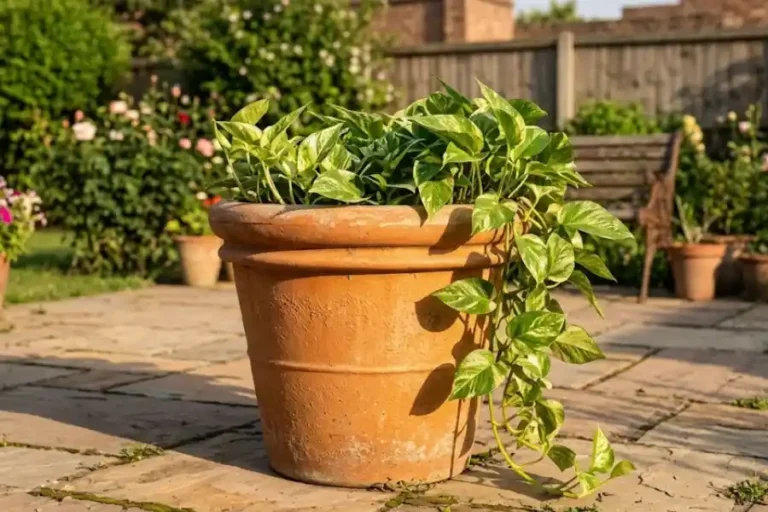
- The container version: pots lined up on steps or a patio. This is perfect for small spaces, and these container garden ideas can help you choose pots and layouts.
- Stepping stone hours: flat stones with numbers painted on them, set beside each plant.
Turn Your Clock Garden Into a Kid Project
A flower clock teaches time, weather, and science all at once. Here are a few ways to make it fun:
- Give each child a notebook to log what is open at breakfast, lunch, and dinner.
- Ask kids to guess the time by looking only at the flowers. Then check a real clock.
- Compare sunny days with cloudy days. Do the flowers keep the same hours?
- Draw the garden as a clock face and color in each flower as it opens.
Safety note: Many garden plants are not safe to eat. Four o’clocks and morning glories, for example, have seeds that can make people and pets sick. Teach kids to look, not taste. Have everyone wash their hands after planting.
Common Mistakes to Avoid
- Expecting exact time. Think “morning, noon, evening,” not minutes.
- Mixing bloom seasons. Flowers that bloom in different months will never be open together.
- Too little sun. Shady spots make flowers open late or not at all.
- Crowding plants. Give each one room to grow to full size.
- Planting something invasive. Check local lists before you plant vines like morning glory.
- Judging after one day. A stormy day can throw off the whole bed. Watch for at least two weeks.
Want a Real Clock in Your Garden Too?
If you searched for clock garden ideas, you might want a real clock to hang outside. Fair enough. Here is what to look for:
- Weatherproof build: Look for rust-resistant metal and a sealed face.
- Double-sided design: A two-sided clock lets you read the time from either end of the yard.
- Style that fits: A bold iron station clock makes a strong focal point in a large garden. A wooden clock suits a small cottage garden.
- Easy upkeep: Choose a battery model you can reach, and check the battery each spring.
- Bonus features: Some outdoor clocks include a thermometer.
Frequently Asked Questions
What is a clock garden?
It is a garden planted with flowers that open and close at different times of day. Together, they show the rough time.
What flowers open at certain times of day?
Popular choices include dandelions in the early morning, calendula and California poppies in the morning, four o’clocks in the late afternoon, and evening primrose and moonflower at dusk.
How big should a clock garden be?
Aim for four to six feet across if you can. Container versions can be much smaller.
Does this work in every state?
It can work almost anywhere, but plant choices matter. Use your USDA zone to pick flowers that grow well and bloom at the same time of year.
Who invented the flower clock?
Carl Linnaeus described the idea in 1751. Most sources say he never planted one himself.
Is the Edinburgh floral clock made of real flowers?
Yes. Gardeners plant it with live flowers each year. A clock mechanism, now electric, moves the hands.
Final Thoughts
A flower clock will not replace your phone. That is not the point. The point is to slow down and notice what is happening in your own yard.
Start small. Pick three flowers, grab a notebook, and check on them each day. In a couple of weeks, you will know your garden’s schedule better than any chart could tell you. That is when your clock garden truly starts to tick.